
Main Courses
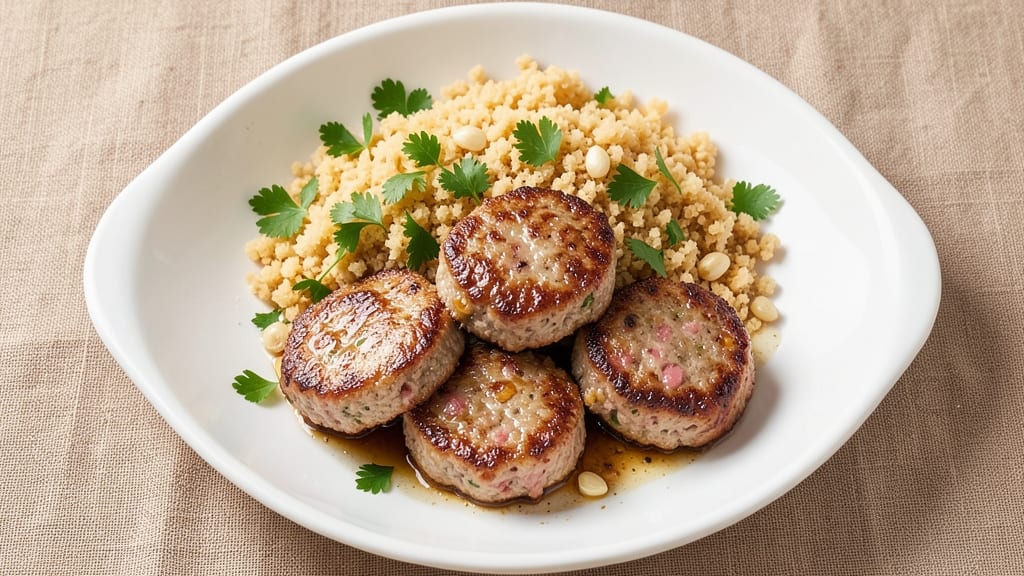
This minced pork patty recipe delivers restaurant-quality bites with perfectly balanced textures—crispy herb-crusted exteriors and juicy, flavorful centers. I developed this technique after years of perfecting pork patties for my restaurant menu, where they disappear faster than you can say "second helping."
The secret lies in proper meat handling and a well-balanced binder system that ensures every bite stays tender while developing that satisfying crust.
What sets these patties apart is the herb crust—a blend of parsley, thyme, and garlic that adds aromatic depth without overpowering the natural pork flavor.
Unlike many recipes that rely on heavy breadcrumbs, this version uses a combination of panko and almond flour for extra crunch while keeping the interior moist. The patties can be pan-fried for quick weeknight dinners or baked for hands-off cooking—both methods yield consistent results.
By the time you serve these, you'll have golden-brown patties with crisp edges that shatter slightly and centers so tender they practically melt. The herb crust releases aromatic oils with every bite, creating a symphony of savory and herbal notes that pair beautifully with tangy mustard or a bright chimichurri.
These are the kind of patties that elevate simple meals into something special.
Perfect for serving with roasted potatoes, a fresh salad, or crusty bread to soak up every last drop of pan juices. The recipe scales easily, making it ideal for both intimate dinners and larger gatherings. Let's get started on creating patties that will have everyone asking for the recipe.
Ingredients for minced pork patty
Restaurant-quality pork patties start with these 12 ingredients—juicy centers and crispy crusts guaranteed.
| Ingredient | Amount | Notes |
|---|---|---|
| Ground Pork 🐖 | 1 ½ lb | 80% lean, finely minced |
| Fresh Flat-Leaf Parsley 🌿 | ½ cup | Chopped finely, stems included |
| Fresh Thyme Leaves 🌿 | 2 tbsp | Chopped, or 1 tsp dried |
| Garlic Cloves 🧄 | 4 cloves | Minced, not pre-minced jar |
| Japanese Panko Breadcrumbs 🍞 | ½ cup | Light and crispy |
| Almond Flour 🥜 | ¼ cup | For extra crunch |
| Large Egg 🥚 | 1 whole | Room temperature |
| Dijon Mustard 🍯 | 1 tbsp | For moisture and tang |
| Extra-Virgin Olive Oil 🫒 | 1 tbsp | For binding and flavor |
| Kosher Salt 🧂 | 1 tsp | Diamond Crystal preferred |
| Ground Black Pepper 🌶️ | ½ tsp | Freshly cracked |
| Unsalted Butter 🧈 | 1 tbsp | For pan-frying |
The ground pork is non-negotiable—80% lean gives that perfect balance of tenderness and texture. Trader Joe's and Whole Foods carry the finest cuts, but any quality butcher will have it. Skip the pre-minced jarred garlic—freshly minced releases more flavor. The parsley and thyme should be vibrant green, not wilted. If you're using dried herbs, one-third the amount works, but fresh is ideal for that bright aroma. For the almond flour, Bob's Red Mill is my go-to—it's finely ground and stays fresh longer than store-brand options.
No panko? Regular breadcrumbs toasted in a dry pan work in a pinch, but they won't be as crispy. Short on almond flour? Toasted walnuts or pecans add a nice crunch, though the texture will differ. The Dijon mustard is key—it adds moisture and tang, but if you're out, 1 tsp yellow mustard powder will do. For the olive oil, California Extra Virgin brands like Corto or Otto have that fruity punch that translates beautifully into the patties. The egg binds everything together, but if you're avoiding it, 1 tbsp ground flaxseed mixed with 3 tbsp water works as a binder (let it sit for 5 minutes to thicken).
Keep the ground pork refrigerated until ready to use—it loses texture if left out. The herb crust can be prepped ahead and stored in the fridge for 24 hours, wrapped tightly in plastic. For the patties themselves, they freeze beautifully—up to 3 months—just thaw in the fridge overnight before cooking. If you're baking, 425°F is your magic number for that perfect crust. And trust me, the first batch will disappear faster than you can say 'second helping.'
Why You'll Love This Recipe
- No-Chop Necessary: I swear by this trick—just pulse the parsley and thyme in a mini food processor for 10 seconds. No knife skills required, and the flavors still hit like a fresh bouquet. (My kids’ favorite part? They get to press the button.)
- Crispy-Garlicky Magic: That panko crust isn’t just for looks—it’s the secret weapon. The toasted edges lock in juices while the minced garlic and herbs bloom into something dangerously addictive. One bite and you’ll understand why I keep making it.
- Lunchbox Hero: Between us, these patties are my go-to for meal prep. Shape them into sliders, slice them for sandwiches, or pack them cold—they reheat like a dream. My husband even sneaks them into his work lunchbox. (Shhh.)
- Pork on a Budget: Ground pork stretches farther than chicken, and these patties prove it. A single batch feeds four, leaves enough for leftovers, and costs half what pre-made patties do. Plus, the panko adds bulk without breaking the bank. Smart. Simple. Satisfying.
Step-by-step instructions for herb-crusted minced pork patties
Here's how to craft perfectly juicy, herb-encrusted pork patties with crispy exteriors and tender centers.
Create the Herb Panko Crust
In a food processor or large bowl, pulse together the 0.5 cup Japanese Panko Breadcrumbs and 0.25 cup Almond Flour until combined. Add the 0.5 cup finely chopped fresh flat-leaf parsley, 2 tbsp chopped fresh thyme leaves, and 4 minced garlic cloves, processing until the herbs are evenly distributed throughout the breadcrumb mixture. You want a texture that's coarse but uniform—think fine sand with green flecks.
Transfer this mixture to a medium bowl and stir in the 1 tsp kosher salt and 0.5 tsp freshly cracked black pepper. Set aside while you prepare the pork mixture. The herbs should be visible but not clumpy—this ensures each bite delivers that aromatic punch while maintaining structure. If using dried thyme, reduce to 1 teaspoon and pulse just until combined.
Mix the Pork Filling
In a separate large bowl, gently combine the 1.5 lb ground pork with the 1 whole room-temperature large egg and 1 tbsp Dijon mustard. Using your hands or a fork, mix just until the pork is evenly moistened—don't overwork it or you'll develop tough fibers. The mixture should hold together when pressed but still feel slightly crumbly, like wet sand.
Drizzle in the 1 tbsp extra-virgin olive oil and mix again until fully incorporated. The oil helps bind the patties while adding subtle richness. Here's the thing—don't skip the mustard. It adds moisture and tang that prevents dryness during cooking, which is critical for those juicy centers we're after.
Form and Coat the Patties
Divide the pork mixture into 4 equal portions (about 4 ounces each). Gently shape each into a ¾-inch thick patty—don't press too hard or they'll be dense. Place each patty on a plate and coat the top and sides with the herb panko mixture, pressing gently to adhere. The crust should be evenly distributed but not so thick that it burns before the pork cooks through.
Let the coated patties rest for 15 minutes at room temperature. This allows the crust to adhere better and the pork to come closer to room temperature, which prevents uneven cooking. Don't skip this step—it makes all the difference in preventing cracking crusts and ensuring even browning.
Cook to Juicy Perfection
Heat a large skillet over medium heat and add the 1 tbsp unsalted butter. Once the butter foams but hasn't browned (about 1 minute), add the patties in a single layer. Cook for 4-5 minutes per side until the crust is deep golden brown and the internal temperature reaches 155°F—this ensures juicy centers while still being safe to eat.
Here's where it gets tricky: don't press down on the patties with a spatula. The weight will squeeze out juices and leave you with dry meat. Instead, let them cook undisturbed until you see that beautiful crust form, then gently flip once. The butter should sizzle and create a crust that's crispy on the outside while keeping the inside tender and moist.
Rest and Serve
Transfer the cooked patties to a wire rack and let them rest for 5 minutes before serving. This resting period is crucial—it allows the juices to redistribute throughout the meat, preventing them from pooling on the plate. The patties should be firm to the touch but still yield slightly when pressed with your finger.
Serve immediately with your favorite dipping sauce or alongside roasted vegetables. Each bite should deliver that perfect balance: a crispy herb-encrusted exterior that gives way to juicy, tender pork infused with garlic and thyme. If you're making these ahead, cook them just before serving to maintain that ideal texture contrast.
Pro Tips For Making Minced Pork Patty
- CHILL THE MEAT: Take your ground pork out of the fridge 15 minutes before shaping—cold meat shrinks when it cooks, and you’ll end up with dense, tough patties if you skip this. I learned this the hard way after making patties that turned out like hockey pucks.
- PULSE THE PANKO: Don’t just sprinkle panko on top—lightly pulse it in a food processor with the parsley and thyme first. This creates a fine, even coating that sticks to the meat instead of clumping, giving you that perfect crispy crust without looking like you’ve glued breadcrumbs on.
- PRESS HARD, SEAL TIGHT: When forming patties, press the center firmly with your thumb to create a slight dimple—this prevents bulging while cooking. I used to skip this, and half my patties would split open, leaking juices and ruining the sear.
- COOK IN BATCHES: Crowd the pan, and your patties will steam instead of brown. Use medium-high heat and cook no more than two at a time—overloading the pan drops the temperature, and you’ll end up with soggy, unevenly cooked patties. (Yes, even if you’re impatient like me.)
Storing and reheating this dish
Refrigerator Storage
Store cooked pork patties in an airtight container with parchment paper between layers to prevent sticking. They'll keep fresh in the fridge for 3-4 days—the herb crust stays crispier when stored this way.
I like using glass Pyrex containers because they're microwave-safe if you need to reheat later. Just let them cool completely before sealing to avoid condensation. 🌡️
Freezer Prep Tips
For longer storage, freeze patties on a parchment-lined tray for 1 hour to prevent clumping, then transfer to a freezer-safe bag. They'll last 3 months without texture loss. When ready to cook, thaw overnight in the fridge—never microwave directly from frozen, or the crust will turn soggy.
I mark my bags with the date so I don't forget.
Stovetop Reheating
My favorite method is pan-frying: heat 1 tbsp butter in a skillet over medium heat, then cook patties for 3-4 minutes per side until golden and reaching 155°F internal temperature.
This restores that perfect crispy crust while keeping centers juicy. Add a splash of water if they look dry—just enough to steam slightly without making them soggy. 🔥
Oven Refresh Method
Preheat oven to 375°F and place patties on a baking sheet lined with foil. Bake for 10-12 minutes, flipping halfway, until heated through. For extra crispiness, broil for 1-2 minutes at the end.
This works well for batch reheating when serving a crowd—just cover loosely with foil to prevent over-browning.
Microwave Shortcut
When in a hurry, microwave patties on high for 45 seconds, then flip and cook another 30 seconds. The crust won't be as crispy, but it's a decent option for quick lunches.
I always cover them with a damp paper towel to trap moisture and prevent drying out. For best results, reheat just before serving.
Serving After Storage
Patties reheated from frozen or fridge taste best when served immediately after warming. The herb crust loses crispness over time, so plan to cook just before eating. Pair with a fresh chimichurri sauce or Dijon mustard to revive the flavors.
If storing leftovers, keep them in the fridge and reheat within 2 days for optimal texture. 💫
Nutrition facts
Frequently asked questions
Can I substitute ground beef for the pork in this recipe?
While you can use ground beef, the flavor and texture will differ significantly. Pork has a more delicate, slightly sweet profile that pairs beautifully with the herb crust. If substituting, use 80% lean beef and add 1 extra teaspoon of Worcestershire sauce to the mixture for depth. For best results, stick with pork—it's what this recipe was designed for!
Why do my pork patties turn out dry or crumbly?
Overworking the meat or skipping the Dijon mustard are the most common culprits. The mustard adds moisture and helps bind the patties. Also, handle the pork gently—overmixing develops tough fibers. For extra insurance, chill the shaped patties for 15 minutes before cooking to firm them up.
Can I make these patties ahead of time and freeze them?
Form and coat the patties, then freeze them on a tray for 1 hour before transferring to a bag. They'll keep for 3 months. Cook from frozen using the same method, adding 1-2 extra minutes per side. The herb crust stays crispy when frozen properly—just don't thaw them in the microwave!
What's the best way to keep the herb crust crispy?
The secret is in the cooking method and timing. Cook over medium heat (not high) to develop the crust properly without burning. For extra crispiness, broil for 1-2 minutes at the end. Serve immediately after cooking—crusts lose crispness as they cool. If reheating, use the stovetop method with butter for best results.
Are these patties kid-friendly?
Most kids love them! The mild seasoning makes them approachable, but you can adjust the herbs to taste. For picky eaters, try omitting the garlic or using 1/4 teaspoon less thyme. Serve with ketchup or honey mustard for dipping—it helps mask any strong flavors. The texture is similar to meatballs, which many children enjoy.