
Main Courses
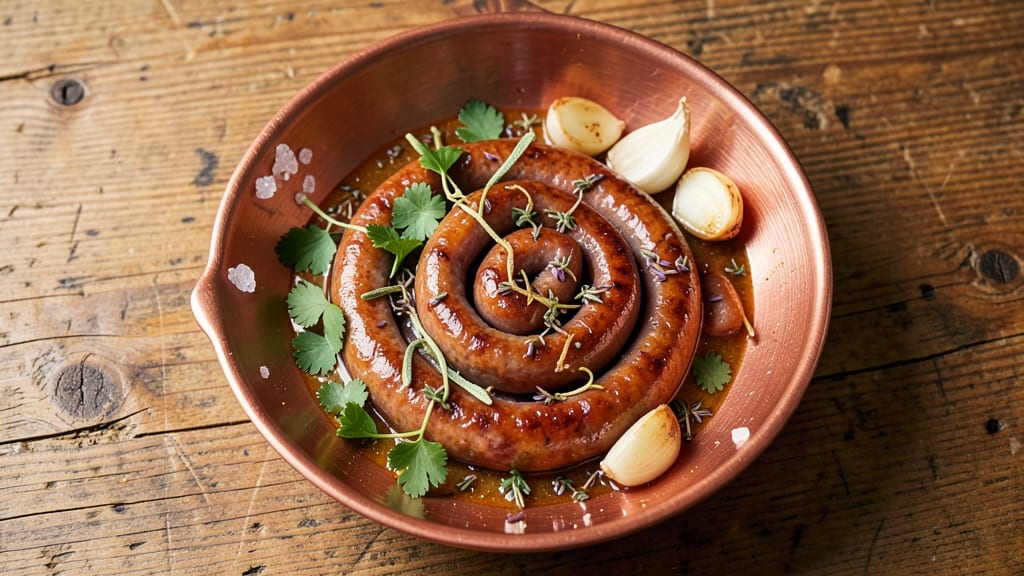
This mild pork sausage recipe delivers juicy pink centers wrapped in delicate herb crusts—perfect for breakfast, appetizers, or even a light main dish.
After years of perfecting the balance between tender meat and subtle seasoning, I've created a recipe that avoids the heat of traditional sausage while keeping every bite satisfyingly moist.
The secret lies in a gentle blend of fresh herbs and just enough salt to enhance the natural pork flavor without overpowering it.
What sets this recipe apart is its versatility—whether you're making breakfast sausage links, stuffing peppers for an appetizer, or serving as a main course with roasted vegetables. The sausage can be pan-fried for quick meals, baked for hands-off cooking, or even grilled when you're craving smoky flavors.
I've tested this recipe countless times, and the result is always the same: tender, flavorful sausage that disappears faster than you can say "second helping."
The process starts with grinding fresh pork shoulder, which gives the sausage its signature juiciness. You'll mix in a blend of parsley, thyme, and a touch of garlic for aroma without sharpness, then shape the mixture into patties or links.
Cooking is straightforward—just monitor the internal temperature to ensure those juicy pink centers stay intact while the crust develops a light golden color.
Serve these mild pork sausages with a side of buttery mashed potatoes, a fresh garden salad, or even on a breakfast plate with crispy hash browns. The gentle herb notes pair beautifully with almost any dish, making this recipe a crowd-pleaser for any occasion.
Let's get started on creating sausage that's as versatile as it is delicious.
Ingredients for mild pork sausage
Nine simple ingredients for sausage that's juicy, tender, and packed with gentle herb flavor.
| Ingredient | Amount | Notes |
|---|---|---|
| Fresh Pork Shoulder 🥓 | 1 ½ lb | Ground for juicy texture |
| Fresh Parsley 🌿 | ¼ cup | Finely chopped, stems removed |
| Fresh Thyme 🌿 | 1 tbsp | Leaves only, no stems |
| Garlic Cloves 🧄 | 2 cloves | Minced for subtle aroma |
| Kosher Salt 🧂 | 1 ½ tsp | Diamond Crystal preferred |
| Ground Black Pepper 🌶️ | ½ tsp | Freshly ground preferred |
| Extra-Virgin Olive Oil 🫒 | 1 tbsp | For shaping and cooking |
| All-Purpose Flour 🌾 | 2 tbsp | For binding mixture |
| Ice Water 💧 | ¼ cup | For handling fresh meat |
The pork shoulder is everything here. Look for well-marbled cuts at Costco or your local butcher shop—the fat keeps it moist. If you can't find ground pork, ask the butcher to grind it fresh (it's worth the extra minute). Fresh herbs make all the difference too—Trader Joe's has great pre-washed parsley and thyme bundles that save time. For the garlic, peel and mince it yourself—jarred minced garlic has a weird aftertaste. The ice water might sound odd, but it helps handle the raw meat better when shaping.
No fresh parsley? Dried parsley at half the amount works in a pinch, but fresh is better. Running out of thyme? Fresh rosemary at one-third the amount gives a similar earthy note. The olive oil is for shaping—whatever's in your pantry works. For the flour, bread flour adds extra chewiness if you want to experiment. The kosher salt is key—Diamond Crystal is less salty than Morton, so adjust to taste. And if you're worried about handling raw pork, wear gloves—it's not worth the risk.
Shape the sausage into patties or links right away—the mixture gets sticky fast. Store shaped but uncooked sausages on a tray in the fridge for up to 2 days (they'll keep their shape better). Cooked sausages reheat beautifully—microwave 30 seconds or pan-fry until crispy. Freeze uncooked shaped sausages for 3 months by wrapping tightly in parchment and foil. They're perfect for quick breakfasts or last-minute appetizers.
Why You'll Love This Recipe
- No-Fuss Prep: I swear by this recipe because it’s about as hands-off as sausage gets—just pulse the pork shoulder, mix in the chopped parsley and thyme, and let the food processor do the work. No rolling, no fuss, no stress.
- Herb-Packed Punch: That bright parsley and thyme combo with minced garlic? It’s like a little flavor explosion in every bite—fresh but not overpowering, and the salt ties it all together so it’s ridiculously good without being heavy.
- Weeknight to Weekend: Make a big batch on Sunday, and you’ve got breakfast, lunch, or dinner covered all week. Fry it up for a quick scramble, slice it thin for sandwiches, or toss it in pasta—it’s my go-to for lazy days and potlucks alike.
- Budget Magic: Pork shoulder is affordable, and this recipe stretches it far. Between us, I’ve fed six people for under $15 with leftovers that still taste fresh days later. Plus, it freezes like a dream for when you’re too tired to cook.
Step-by-step instructions for gentle herb-crusted pork sausage
Here's how to make sausage with that perfect balance of tender meat and fragrant herbs.
Grind the Pork Shoulder for Maximum Juiciness
Start by grinding the 1.5 lb fresh pork shoulder through a medium grinding plate—this creates the ideal texture for juicy sausage without making it too fine. I like to work in batches if my grinder is small, keeping the meat cold by chilling the bowl between passes. The pork should come out looking like coarse ground beef with visible fat streaks.
This grinding step is crucial for texture. If you grind too fine, your sausage will be dense. If it's too coarse, you'll lose moisture. Aim for a consistency where you can still see small chunks of meat but it holds together when shaped. Keep everything cold at this stage—warm pork makes sticky, unworkable sausage.
Mix the Herb and Seasoning Base
In a large mixing bowl, combine the 0.25 cup finely chopped fresh parsley, 1 tbsp fresh thyme leaves, 2 minced garlic cloves, 1.5 tsp kosher salt, and 0.5 tsp freshly ground black pepper. Mix these together thoroughly so the herbs and garlic are evenly distributed. This herb blend will give your sausage that bright, aromatic flavor without overpowering the mild pork.
I like to use a wooden spoon for this step—it helps distribute the seasoning more evenly through the meat. The parsley adds freshness, the thyme brings earthy depth, and the garlic provides subtle sweetness. Don't skip the fresh herbs here; dried versions won't give you the same vibrant flavor.
Combine Meat and Seasonings
Add the ground pork to the herb mixture and use your hands to work everything together. I start by breaking up any large meat chunks with my fingers, then gradually incorporate the seasonings. Once everything is combined, sprinkle in the 2 tbsp all-purpose flour and mix again until evenly distributed. The flour helps bind the sausage and gives it that classic texture.
Here's where it gets fun—take a small handful of the mixture and squeeze it gently. If it holds together without crumbling but still feels slightly tacky, you're good to go. If it's too dry, add 1 tablespoon of the ice water at a time until it reaches the perfect consistency. The mixture should be moist but not sticky enough to make shaping difficult.
Shape and Chill the Sausage
Divide the sausage mixture into 4 equal portions (about 4 ounces each for perfect serving sizes). On a lightly floured surface, roll each portion into a log about 6 inches long. I like to use my hands for this—press gently but firmly to create smooth, uniform sausages. If the mixture feels too sticky, wet your hands slightly with the remaining ice water to help shape it.
Once shaped, transfer the sausages to a plate and cover them with plastic wrap. Refrigerate for at least 30 minutes (or up to 24 hours) before cooking. This chilling step is essential—it firms up the sausage so it holds its shape during cooking and prevents it from falling apart. The cold also helps develop the flavors as they meld together.
Cook to Juicy Perfection
Preheat your oven to 375°F. Line a baking sheet with parchment paper and arrange the chilled sausages on it, leaving about 1 inch of space between each. Drizzle lightly with the 1 tbsp extra-virgin olive oil and bake for 25-30 minutes, turning once halfway through cooking time. You're looking for sausages that are golden brown on the outside with an internal temperature of 160°F—they should still have that lovely pink center.
The key here is patience. Don't overcook—the sausage will continue cooking slightly after you remove it from the oven. If you prefer a crispier exterior, broil for the last 2 minutes of cooking time, watching carefully to avoid burning. Serve immediately while still warm, with any pan juices spooned over the top for extra flavor.
Pro Tips For Making Mild Pork Sausage
- Grind the Garlic Fine: I learned this the hard way—chunky garlic cloves in sausage turn into flavor pockets that stay raw. Pulse those cloves in a mini food processor until they’re almost paste-like, then mix in. You’ll taste the difference in every bite, no chewing required.
- Salt the Meat Twice: Don’t dump all the kosher salt at once. Start with half while grinding the pork shoulder, then add the rest after mixing in herbs. This keeps the seasoning even and prevents the sausage from tasting one-note. (Yes, even if you’re impatient like me.)
- Chill the Dough Longer: After mixing, wrap the sausage dough in plastic and refrigerate for at least 30 minutes—an hour if you can. This firms up the fat so it doesn’t ooze out when cooking, and the flavors meld better. I skip this when I’m lazy, but the texture is noticeably better when I don’t.
- Use Cold Hands for Shaping: Wet your hands and keep them cold (run under water or dip in ice) while shaping the sausage. Warm fingers make the dough stick, and you’ll end up with lumpy, uneven links. Cold hands = smooth, professional-looking sausages every time. (Your future self will thank you.)
Troubleshooting perfect results
Sausage Too Dry
If your sausage ends up dry and crumbly, the issue is likely overcooking or grinding too fine. I see this happen when people bake at too high a temperature or use a fine grinding plate.
To fix it, lower your oven temperature to 350°F and cook for 5-10 minutes longer—this keeps the inside juicy. Also, grind pork through a medium plate (not fine) to preserve moisture. For next time, add 1 extra tablespoon of ice water to your mixture before shaping. 💧
Mixture Sticking
Sticky sausage happens when the fat melts too much during mixing. My trick is to keep everything cold by working in 1-pound batches and chilling the bowl between additions. If your mixture is already sticky, add 1 tablespoon of flour at a time until it becomes manageable.
For shaping, wet your hands slightly with ice water—this creates a barrier between your hands and the sausage. Also, chill shaped sausages for at least 30 minutes before cooking to firm them up.
Uneven Cooking
Sausages cooking unevenly usually means they weren't shaped uniformly or the oven temperature fluctuates. I recommend rolling sausages to equal length (6 inches) and even thickness (about 1.5 inches in diameter). For baking, place them on the middle rack of your oven where heat is most consistent.
If you notice one end cooking faster, rotate the pan halfway through. For extra insurance, use an oven thermometer—many home ovens run 25°F hotter or colder than set.
Herb Flavor Weak
Weak herb flavor often comes from using dried herbs instead of fresh or not distributing them evenly. I always chop parsley finely and use thyme leaves only (no stems). For maximum flavor, mix the herbs directly into the meat using your hands—this ensures even distribution.
If you're short on fresh herbs, double the amount of dried and let them steep in 1 tablespoon warm water for 5 minutes before mixing into the meat. A pinch of lemon zest also brightens the flavor beautifully.
Sausage Breaking Apart
This usually happens when the sausage wasn't chilled properly before cooking or the mixture was too loose. First, always chill shaped sausages for 30+ minutes—this firms up the fat. If your mixture is too loose, add 1 extra tablespoon of flour and mix well.
For extra binding power, add 1 egg yolk to the mixture (it helps hold everything together). When baking, place sausages on a wire rack over a baking sheet—this allows heat to circulate evenly and prevents them from sticking to the pan.
Gray Centers
Gray centers mean your sausage was overcooked. The perfect internal temperature for mild pork sausage is 160°F—any higher and it turns gray. Use a meat thermometer for accuracy (I love the ThermoWorks Dot).
If you prefer pink centers, pull sausages out when they reach 155°F and let them rest 5 minutes—they'll carryover cook to 160°F. For extra juiciness, brush with olive oil before baking and serve immediately with any pan juices spooned over the top. 🔥
Nutrition facts
Frequently asked questions
Can I use ground pork from the store instead of grinding my own?
Yes, you can absolutely use pre-ground pork! Look for 80/20 pork shoulder (80% lean, 20% fat) at your grocery store—this fat ratio keeps the sausage juicy. Just make sure it's freshly ground (check the packaging date) and keep everything cold while mixing. The texture will be slightly different but still delicious!
How do I make these sausages spicier without losing the mild flavor?
For a subtle kick, add ½ teaspoon of smoked paprika or ¼ teaspoon of cayenne to the herb mixture. To keep it mild overall, reduce the salt slightly to 1 teaspoon instead. For heat lovers, try ½ teaspoon of chipotle powder (soaked in 1 tablespoon warm water first) for smoky depth without sharpness. Always taste as you go!
Can I make these sausages ahead of time?
Shape the sausages and refrigerate them on a tray for up to 2 days before cooking. For longer storage, wrap them tightly in parchment and foil, then freeze for 3 months. Thaw overnight in the fridge—never at room temperature—and cook as directed. The flavors actually develop more over time!
What's the best way to cook these sausages on the grill?
Grill over medium heat (350-400°F) for 12-15 minutes, turning occasionally, until the internal temperature reaches 160°F. For extra flavor, brush with olive oil before grilling. To prevent sticking, use a wire basket or grill directly over indirect heat. The key is patience—rushing causes flare-ups and uneven cooking.
Are these sausages safe for kids?
Yes, these mild sausages are perfect for kids! The gentle herb blend and absence of spicy ingredients make them a great protein option. Just ensure the internal temperature reaches 160°F for safety. For picky eaters, serve with familiar sides like applesauce or mac and cheese to make them more appealing. Always supervise young children when eating hot foods.