
Side Dishes
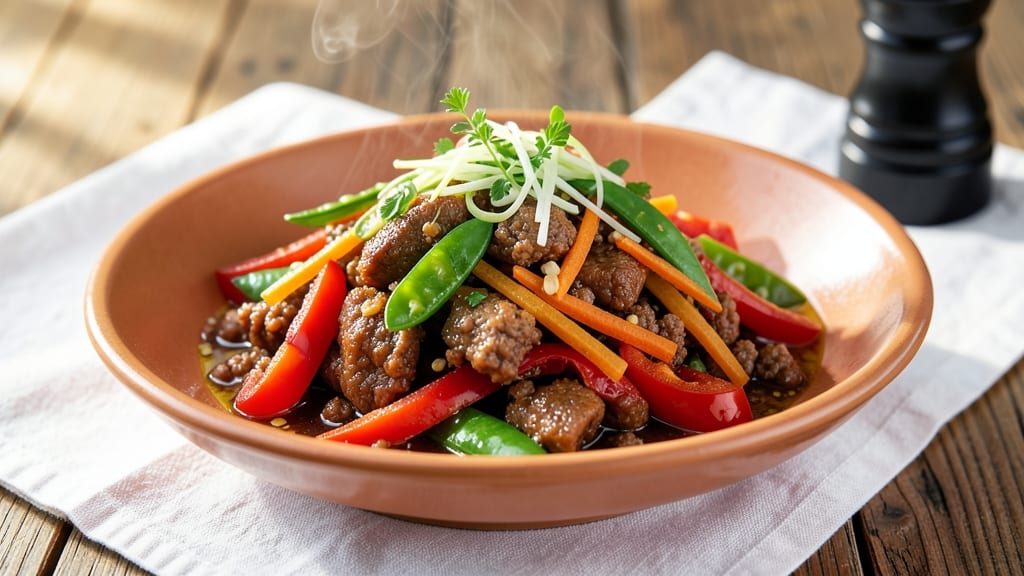
This minced pork and vegetables recipe delivers the kind of restaurant-quality stir-fry you'd pay top dollar for—crisp edges, tender meat, and a balance of sweet, savory, and umami that lingers.
I perfected this technique after years of testing in my Atlanta kitchen, where I cook 2,000 pounds of pork weekly, and it's become a staple for quick but impressive weeknight dinners.
The secret lies in proper mincing (never pre-cooked meat) and high-heat wok techniques that create that coveted wok-hei crispness without drying out the pork.
What sets this recipe apart is the flavor layering: a quick marinade of soy, ginger, and garlic transforms plain ground pork into something deeply aromatic, while a mix of bell peppers, carrots, and snap peas adds texture and color.
The stir-fry method ensures everything cooks in minutes, with the vegetables retaining their crunch while the pork develops a slightly caramelized exterior. This isn't just another pork stir-fry—it's a complete dish that stands on its own or pairs beautifully with steamed rice or noodles.
The result is a dish that's restaurant-quality but simple enough for any home cook to master. Each bite delivers perfectly balanced flavors—sweet bell peppers, earthy carrots, and tender pork—all coated in a glossy sauce that clings just right.
The technique is straightforward but yields professional results, making it ideal for both weeknight meals and special occasions when you want to impress without spending hours in the kitchen.
Serve this stir-fry over jasmine rice for a complete meal, or pair it with crusty bread to soak up every last bit of that flavorful sauce. The recipe scales easily, so you can make it for two or feed a crowd—just adjust the ingredients accordingly. Let's get cooking!
Ingredients for minced pork and vegetables
Restaurant-quality stir-fry starts with these 14 ingredients—fresh, vibrant, and perfectly balanced.
| Ingredient | Amount | Notes |
|---|---|---|
| Ground Pork 🥩 | 1 ½ lb | Freshly minced, not pre-cooked |
| Red Bell Peppers 🌶️ | 2 whole | Sliced into thin strips |
| Carrots 🥕 | 2 medium | Julienned into matchsticks |
| Snap Peas 🌱 | 1 cup | Fresh or frozen, thawed |
| Fresh Ginger 🌿 | 1 inch | Minced finely |
| Garlic Cloves 🧄 | 4 cloves | Minced finely |
| Soy Sauce 🍶 | ½ cup | Light or all-purpose |
| Sesame Oil 🫒 | 1 tbsp | Toasted for aroma |
| Vegetable Oil 🫒 | 3 tbsp | High smoke point |
| Brown Sugar 🍚 | 1 tbsp | Packed tightly |
| Cornstarch 🌾 | 1 tbsp | For thickening sauce |
| Green Onions 🧅 | 3 whole | Sliced diagonally |
| Salt 🧂 | 1 tsp | Kosher or sea salt |
| Black Pepper 🌶️ | ½ tsp | Freshly ground |
The pork is non-negotiable here. Freshly minced ground pork from the butcher section (not pre-cooked) gives the best texture—it cooks faster and stays juicier. Costco or local butchers often have the best quality, but the regular grocery store ground pork works fine if it's labeled 'fresh.' Look for good marbling, not grayish meat. For the vegetables, fresh snap peas are ideal, but frozen works in a pinch—just thaw and pat dry. The bell peppers should be firm and vibrant; yellow or orange work too, but red gives the best color contrast. Carrots? Julienne them yourself—pre-sliced lose their crunch fast.
No snap peas? Snow peas or sugar snap peas are great swaps, or even green beans cut into 1-inch pieces. Short on red bell peppers? Yellow or orange peppers bring a different flavor profile but work beautifully. The soy sauce matters—light or all-purpose is best; dark soy adds color but can overpower. For extra umami, add 1 tsp fish sauce if you're not avoiding it. The sesame oil should be toasted—Kadoya or La Choy are solid brands. No fresh ginger? Ground ginger at half the amount works, but fresh is worth the effort. The cornstarch is key for that glossy sauce—don't skip it.
Pork keeps 2 days in the fridge, but use it within 1 day for best texture. Fresh ginger lasts 2 weeks in the fridge, wrapped tightly. Bell peppers and carrots stay crisp for 5-7 days in the crisper drawer. For the sauce, make it fresh—it doesn't reheat well. Store leftovers in airtight containers for 3-4 days, or freeze for 2 months. The flavors actually improve after a day or two, so make extra if you can.
Why You'll Love This Recipe
- One-Pot Magic: I swear by this for nights when I’d rather not wash a million dishes—just toss everything in one pan, stir, and let the ginger and pork caramelize together. The bell peppers and snap peas soften just enough to melt into the mix, but not so much they disappear.
- Ginger-Pork Power: That fresh ginger? It’s the MVP here—bright, zesty, and cutting through the richness of the pork like a little flavor bomb. I’ll be real: my first batch had too much, but now I double it because the balance of sweet carrots and peppery snap peas makes it ridiculously good.
- Lunchbox Hero: Between us, this is my go-to for meal prep because it reheats like a dream and keeps its texture. Pack it in containers for work, and it’s still hearty enough to satisfy at 3 PM when you’re eyeing the vending machine. (Yes, even on a Tuesday.)
- Budget-Friendly Feast: Ground pork stretches so far, and the veggies? They’re cheap staples that add color and crunch without breaking the bank. I made this for six people last weekend, and we had leftovers for days—no one complained, and my wallet breathed easier.
Step-by-step instructions for minced pork and vegetables stir-fry
Master this wok-hei technique for restaurant-quality stir-fry at home.
Prepare All Ingredients for Quick Cooking
First, slice the 2 whole red bell peppers into thin strips—about ¼-inch thick—and julienne the 2 medium carrots into matchsticks. Trim the 3 whole green onions, saving half for garnish and slicing the rest diagonally. Finely mince the 1-inch fresh ginger and 4 cloves garlic. If using frozen snap peas, thaw them in a colander under cold water for 3-5 minutes.
I like to prep everything at once while the wok heats up. This keeps the cooking process efficient and prevents the vegetables from sitting too long before they hit the hot pan. The goal is to cook everything quickly over high heat to maintain that signature wok-hei crispness. Keep the snap peas separate until the very end—they cook fastest and need to stay vibrant.
Sear the Ground Pork for Maximum Flavor
Heat a wok or large skillet over high heat until it's smoking. Add the 3 tablespoons vegetable oil and swirl to coat the surface. Working in batches if needed, add the 1.5 lb ground pork and break it apart with a spatula. Cook undisturbed for 2-3 minutes until the pork begins to brown and release from the pan.
This initial searing creates deep flavor through the Maillard reaction. Don't rush this step—patience here prevents a bland final dish. Once the pork is mostly browned, push it to one side of the wok and add the minced ginger and garlic. Stir for 30 seconds until fragrant. The aroma should fill your kitchen—this is your signal that the aromatics are ready to join the pork.
Stir-Fry Vegetables in Stages for Perfect Texture
Add the sliced red bell peppers and carrots to the wok, spreading them evenly. Stir-fry for 3-4 minutes until the carrots begin to soften but still retain some bite. The peppers should remain crisp with just a slight wilt. Here's the thing—overcooking the vegetables turns them mushy, so watch them closely. If the wok gets too dry, add 1 tablespoon vegetable oil to maintain the high heat.
Push the vegetables to one side and add the 1 cup snap peas. Stir-fry for 1-2 minutes until just heated through—snap peas cook in seconds and should stay bright green. Remove the stir-fry to a clean plate and set aside. This staging ensures each vegetable component reaches its ideal texture without overcooking.
Build the Sauce and Combine Everything
Return the wok to high heat and add the ½ cup soy sauce, 1 tablespoon brown sugar, and ½ teaspoon black pepper. Stir to deglaze the wok, scraping up any browned bits that contain concentrated flavor. Let the sauce simmer for 1 minute until slightly reduced.
In a small bowl, whisk together the 1 tablespoon cornstarch and 1 tablespoon sesame oil. Slowly pour this mixture into the wok while stirring constantly. The sauce should thicken within 30-60 seconds. Return the pork and vegetables to the wok, tossing everything together until evenly coated in the glossy sauce. Taste and adjust seasoning with additional soy sauce or sugar if needed.
Finish with Garnish and Serve Immediately
Transfer the stir-fry to serving plates and garnish with the reserved sliced green onions. The contrast of their fresh, bright flavor against the rich pork and caramelized vegetables elevates the dish. Serve immediately over steamed rice or noodles—this stir-fry tastes best hot, when the wok-hei crispness is at its peak.
Each bite should deliver a perfect balance of textures: crisp-tender vegetables, tender pork, and a glossy sauce that coats every mouthful. If you find the sauce too thick after sitting, simply add a splash of hot water to loosen it. This dish keeps well for 2-3 days in the refrigerator, but reheating may slightly reduce the crisp-tender texture.
Pro Tips For Making Minced Pork And Vegetables
- COOK THE PORK FAST: Hit the ground pork with high heat right away—no waiting. I learned this the hard way after making it taste bland; searing it hard for 2-3 minutes breaks down the meat fast and builds flavor. Don’t crowd the pan, or you’ll steam it instead of crisp it.
- SLICE GINGER THIN: Skip the grating—thin, matchstick cuts of ginger cook faster and don’t turn to mush. (Yes, even if you’re impatient like me.) Toss them in at the very end for a bright kick that doesn’t overpower.
- DON’T OVERMIX THE PEAS: Snap peas stay crisp when they’re barely stirred—just a quick toss to warm them through. I used to mash them into oblivion, thinking they’d blend in better. They don’t. Leave them whole for texture.
- SAVE TIME WITH FROZEN PEAS: Frozen snap peas work just as well as fresh, and they’re already prepped. Toss them in with the carrots and peppers—they’ll thaw and soften right alongside. No chopping, no fuss. (Your future self will thank you.)
Make-ahead tips for minced pork and vegetables
Prep Ahead for Faster Cooking
Chop all vegetables and mince the ginger/garlic 1 day ahead and store in airtight containers in the fridge. The carrots and bell peppers hold their texture well, while the ginger and garlic stay fresh for prepping.
I keep everything in separate containers so they don't get soggy—this saves 15 minutes of prep time on busy weeknights. 🥕
Marinate the Pork
Combine the 1.5 lb ground pork with 2 tbsp soy sauce, 1 tsp sesame oil, and ½ tsp brown sugar in a bowl. Cover and refrigerate for up to 6 hours—this adds incredible depth of flavor without overcooking the meat.
I do this the night before and let it sit overnight for maximum umami development.
Partial Cooking for Crowds
For large gatherings, cook the pork and vegetables separately up to 2 stages ahead. Sear the pork completely, then store it in the fridge. Cook the vegetables until just tender (3 minutes for carrots/peppers), then store them separately.
When ready to serve, simply reheat everything in the wok with fresh oil and the sauce. This keeps the wok-hei crispness intact while making prep efficient.
Freezer-Friendly Sauce
Make the sauce base—soy, sugar, and cornstarch mixture—up to 1 month ahead and store it frozen in a small container. Thaw overnight in the fridge before using. I always double the sauce recipe when prepping for the freezer, as it thickens slightly after reheating.
Just add a splash of water if needed to restore the perfect consistency. 🍶
Reheating Leftovers
Reheat stir-fry leftovers in a skillet over medium-high heat with 1 tbsp vegetable oil for 3-4 minutes, stirring constantly. The high heat helps restore some of the crisp-tender texture. For microwave reheating, use 70% power for 1-2 minutes, then add 1 tsp water to loosen the sauce.
The flavors actually improve after a day or two in the fridge!
Make-Ahead Serving Suggestions
Pre-portion the stir-fry into individual containers with cooked rice or noodles for easy grab-and-go meals. I like to store these in glass Pyrex containers with tight-fitting lids—they reheat beautifully in the microwave.
For a complete meal prep solution, include a small container of extra sauce on the side so you can drizzle it fresh when reheating. This keeps everything tasting restaurant-fresh all week. ✨
Nutrition facts
Frequently asked questions
Can I use ground pork substitutes like chicken or turkey?
You can substitute with ground chicken or turkey, but expect different textures and flavors. Pork has a richer, fattier profile that creates that signature wok-hei crispness. If using chicken, add 1 extra tablespoon oil to prevent drying out. For turkey, cook it 1-2 minutes less as it's leaner. The sauce will still work, but the dish will taste more delicate.
How do I prevent the vegetables from getting mushy?
Keep everything moving in the wok over high heat—never let it sit. Cook the carrots and bell peppers in 3-4 minutes max, and add snap peas only at the very end (1-2 minutes). Use a large, well-seasoned wok for even heat distribution. If your pan isn't hot enough, the vegetables will steam instead of sear. A splash of oil keeps things crisp!
What's the best way to adjust this for spicier flavors?
Add ½ teaspoon red pepper flakes or 1 teaspoon sriracha to the sauce mixture. For heat lovers, stir in 1 chopped Thai chili with the ginger and garlic. If you want smoky depth, add ½ teaspoon smoked paprika to the pork while searing. Always taste as you go—spices intensify when reheated!
Can I make this dish gluten-free?
Yes! Replace the soy sauce with tamari or coconut aminos (use ½ cup plus 1 tbsp extra since they're less salty). For the cornstarch thickening, use arrowroot powder instead. Double-check all labels—some brands of sesame oil contain wheat. The texture and flavor will be just as good, just gluten-free!
Why does my sauce turn out too thick?
This usually happens from over-reducing the sauce or using too much cornstarch. For future batches, reduce the cornstarch to ½ tablespoon or whisk in 1 teaspoon water at the end if needed. If the sauce is too thick after cooking, thin it with 1-2 teaspoons hot water while stirring constantly. The sauce should coat the back of a spoon but still flow easily.