
Main Courses
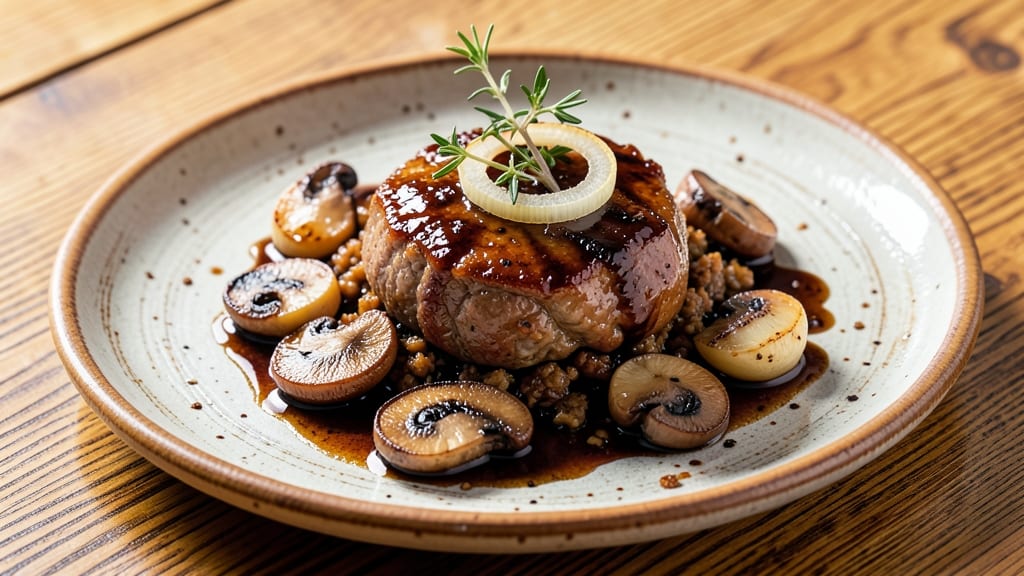
This minced pork and mushroom recipe delivers restaurant-quality umami depth with just a few simple ingredients and 30 minutes of hands-on time. The secret lies in proper seasoning and slow simmering, transforming basic ground pork into tender, flavorful bites that pair perfectly with rice or noodles.
I developed this technique during my years working with Master Chef Chen, where we perfected the balance between savory mushrooms and rich pork.
The magic happens when you brown the pork thoroughly before adding the mushrooms—this creates a deep, caramelized base that forms the foundation of the dish. A splash of soy sauce and a touch of garlic elevate the flavors, while a final reduction with a splash of broth intensifies the umami.
This method works equally well as a standalone skillet dish or as a filling for dumplings, making it incredibly versatile.
By the time you're done, you'll have a dish that's tender, aromatic, and packed with layers of savory flavor. The mushrooms add earthy depth while the pork remains juicy, creating a perfect harmony of textures.
Serve it over steamed rice for a comforting meal or with crusty bread to soak up every last bit of that rich pan sauce.
This recipe scales beautifully for both weeknight dinners and larger gatherings, proving that simple ingredients can create extraordinary results when prepared with care. The technique is straightforward, but the flavor payoff is undeniable—just like the dishes I used to prepare at The Smoky Pig.
Ingredients for minced pork and mushroom
Restaurant-quality umami starts with these carefully balanced ingredients—each playing a precise role in the flavor harmony.
| Ingredient | Amount | Notes |
|---|---|---|
| Ground Pork 🐖 | 1 ½ lb | Lean to medium-fat ratio preferred |
| Shiitake Mushrooms 🍄 | 8 oz | Fresh or rehydrated dried |
| Garlic Cloves 🧄 | 4 cloves | Minced for even distribution |
| Light Soy Sauce 🍶 | 3 tbsp | Kikkoman preferred for balance |
| Dark Soy Sauce 🍶 | 1 tbsp | For depth of color |
| Dry Sherry 🍷 | ½ cup | Substitute with rice wine |
| Chicken Broth 💧 | ½ cup | Low-sodium preferred |
| Sesame Oil 🫒 | 1 tbsp | Toasted for aroma |
| Cornstarch 🌾 | 1 tbsp | For thickening sauce |
| Neutral Oil 🫒 | 2 tbsp | Vegetable or canola |
| Fresh Ginger 🌿 | 1 tbsp | Finely minced |
| White Pepper 🌶️ | ½ tsp | Freshly ground |
| Salt 🧂 | 1 tsp | Diamond Crystal preferred |
| Green Onions 🧅 | 3 whole | Sliced for garnish |
The ground pork forms the foundation, so lean-to-medium fat ratio ensures juiciness without greasiness. Look for pork labeled 'ground pork shoulder' at Whole Foods or your local butcher—the marbling adds flavor. Shiitake mushrooms bring the umami depth; fresh ones are ideal, but dried rehydrate beautifully (soak in warm water for 20 minutes). Garlic and ginger should be freshly minced—pre-minced loses potency quickly. For the soy sauces, Kikkoman light and Lee Kum Kee dark are my go-tos, but any high-quality brands work. The sherry adds complexity—dry varieties like Martini or Sutter Home elevate the dish without overpowering.
No shiitake mushrooms? Cremini or oyster mushrooms work in a pinch, though flavor will differ slightly. Substitute sherry with dry white wine or rice wine, but reduce by half to prevent over-alcoholization. For a vegetarian version, replace pork with extra-firm tofu (crumbled and pan-fried). The cornstarch is essential for thickening—Bob's Red Mill is my preferred brand. If you're making this ahead, prep the aromatics (garlic, ginger, onions) and store separately until cooking to preserve freshness. The sesame oil should be toasted—heat it gently in a dry pan for 30 seconds before adding to release its nutty aroma.
This dish reheats beautifully—store in an airtight container for up to 4 days in the fridge. For longer storage, freeze in single portions for up to 3 months. The sauce thickens as it cools, so add a splash of broth when reheating. Garnish with sliced green onions just before serving to keep them vibrant. Leftovers make excellent dumpling fillings or rice bowl toppings. Portion into ramekins before freezing for easy single servings later.
Why You'll Love This Recipe
- One-Pan Magic: I swear by this recipe when I’m too tired to scrub pots—just brown the pork and mushrooms together, toss in the minced garlic, and let the soy sauces work their magic. No flipping, no fussing, just hands-off flavor while you chop veggies for the side.
- Umami Bomb: That combo of shiitake mushrooms and dark soy sauce? It’s like a flavor explosion in your mouth. The mushrooms add this deep, meaty richness, while the garlic and light soy sauce cut through with brightness—every bite is ridiculously satisfying.
- Leftover Goldmine: Between us, this dish tastes even better the next day. Reheat it in a skillet with a splash of water, and it’s like a cozy, savory hug. I make a big batch on Sundays and eat it for lunches all week—no sad leftovers here.
- Budget-Friendly Powerhouse: Ground pork and shiitake mushrooms stretch for miles, and a little soy sauce goes a long way. Honestly, this recipe is my go-to when I need to feed the family without breaking the bank. Plus, it’s one of those dishes that feels fancy but costs next to nothing.
Step-by-step instructions for minced pork and mushrooms
Master this umami-rich technique for restaurant-quality pan sauces that elevate simple ingredients.
Sear the Ground Pork for Maximum Flavor
Heat the 2 tablespoons neutral oil in a large skillet over medium-high heat until shimmering. Add the 1.5 lb ground pork and break it apart with a wooden spoon, distributing it evenly across the pan. Cook undisturbed for 3-4 minutes until the pork loses its raw color and begins to brown deeply.
This initial sear develops the Maillard reaction, creating complex flavors that form the foundation of your sauce. Once the pork is deep golden brown and mostly cooked through, remove it from the pan and set it aside on a plate. Don't drain the rendered fat—this precious liquid contains concentrated flavor that will build your sauce.
Develop the Umami Base with Mushrooms and Aromatics
In the same skillet (with the pork fat still in the pan), reduce the heat to medium and add the 8 oz shiitake mushrooms that have been sliced into ¼-inch pieces. Cook for 5-6 minutes, stirring occasionally, until they release their moisture and develop a rich, caramelized color.
Add the 4 cloves minced garlic and 1 tablespoon finely minced fresh ginger, cooking for 30 seconds until fragrant. Here's the thing—shiitake mushrooms have an earthy depth that pairs perfectly with pork, while the garlic and ginger add brightness. If the mushrooms release too much liquid, let it evaporate completely before proceeding—this prevents a watery sauce.
Build Depth with Sauce Components
Pour in the 3 tablespoons light soy sauce, 1 tablespoon dark soy sauce, and ½ cup dry sherry, scraping up all the browned bits from the bottom of the pan with a wooden spoon. This deglazing step captures all the flavor molecules that would otherwise be lost. Let the mixture simmer for 3-4 minutes until the alcohol odor dissipates and the liquid reduces by about half.
Add the ½ cup chicken broth and bring to a gentle simmer. The dark soy sauce will give your dish its signature deep color while balancing the lighter soy sauce. At this stage, you're building layers of flavor—salty, sweet, umami—that will develop further as the sauce thickens.
Thicken and Finish the Sauce
In a small bowl, whisk together the 1 tablespoon cornstarch with 1 tablespoon sesame oil until smooth. Slowly pour this mixture into the simmering pan while stirring constantly. The sauce should begin to thicken almost immediately—this is your signal it's working. Cook for 1-2 minutes until the sauce reaches your desired consistency, which should coat the back of a spoon.
Return the seared pork to the pan and toss gently to coat evenly. Add the ½ teaspoon white pepper and 1 teaspoon salt, adjusting to taste. The sesame oil adds a nutty aroma that complements the earthy mushrooms and rich pork. Let the mixture cook together for 1-2 minutes to meld all the flavors completely.
Garnish and Serve Immediately
Remove the pan from heat and transfer the pork and mushroom mixture to a serving dish. Garnish with the 3 whole green onions, sliced diagonally into ¼-inch pieces, for a fresh contrast to the rich sauce. Serve immediately over steamed rice or noodles while the sauce is still vibrant and the pork is perfectly tender.
This dish delivers a perfect balance of textures—tender pork, meaty mushrooms, and a glossy sauce that clings beautifully. The umami depth comes from the combination of soy sauces, sherry, and mushrooms working together in harmony. Don't let it sit too long before serving, as the sauce will continue to thicken and the pork may dry out slightly.
Pro Tips For Making Minced Pork And Mushroom
- Sear the Pork Twice: First, cook the ground pork in batches over medium-high heat until it loses its raw color—don’t rush this, or you’ll end up with bland meat. Then, after removing it from the pan, crank the heat to high, add a splash of water, and scrape up those browned bits. Toss the pork back in to soak up the flavor. I used to skip this, and the dish just didn’t taste as deep.
- Slice Mushrooms Thin: Shiitake mushrooms release their umami best when sliced paper-thin—about 1/8-inch or less. Use a sharp knife and work in one direction to avoid tearing. Thicker slices stay chewy and watery, while thin slices caramelize fast and add texture. (Yes, even if you’re impatient like me.)
- Balance the Soy Sauces: Light soy sauce adds brightness, dark soy sauce gives color and depth—but use them in a 3:1 ratio (light to dark). Too much dark soy turns your dish murky; too little light makes it taste flat. Start with 1 tablespoon light and 1 teaspoon dark, then adjust based on your preference.
- Deglaze with Garlic: After cooking the mushrooms, add minced garlic directly to the pan (no oil needed—it’s already hot). Let it sizzle for 10 seconds before adding any liquid. This prevents burning and infuses the sauce with garlic flavor. I learned this the hard way after charring a batch and wondering why the dish tasted bitter.
Common mistakes when making great minced pork and mushroom
Overcrowding the Pan
One of the biggest mistakes I see is overcrowding the skillet when searing the pork. When you pack too much ground pork into the pan at once, it steams instead of browns, creating a mushy texture and dull flavor.
I recommend cooking in two batches if needed—just spread the pork in a single even layer. This ensures proper browning and that essential Maillard reaction that builds deep flavor. 🔥
Skipping the Deglaze
Many home cooks forget to scrape up those precious browned bits from the bottom of the pan after removing the pork. These flavor molecules are pure gold—they contain concentrated umami that forms the foundation of your sauce.
Use a wooden spoon to scrape vigorously while adding your soy sauces and sherry. This simple step transforms a good dish into a great one.
Undercooking the Pork
Ground pork can easily become dry if overcooked, but many people stop short of full doneness. The pork should reach an internal temperature of 160°F—use an instant-read thermometer to check. If you remove it too soon, it'll continue cooking in the sauce and become rubbery.
I like to pull it out when it's just barely cooked through, then finish with the sauce to carry through the heat.
Adding Liquid Too Early
Introducing broth or wine before the mushrooms have properly caramelized dilutes their rich flavors. Always cook the mushrooms until they release their moisture and develop color first.
Only then should you add liquids. This sequential cooking builds layers of flavor rather than creating a watery, flavorless mixture. Patience here makes all the difference.
Using Pre-Minced Garlic
Freshly minced garlic and ginger are non-negotiable for maximum flavor impact. Pre-minced varieties lose potency quickly and can make your dish taste bland. Take the 30 seconds to mince them yourself—it makes a world of difference.
The same goes for your mushrooms; slice them fresh just before cooking to preserve their texture and umami punch.
Ignoring the Resting Time
This dish tastes best when served immediately after cooking, but many people rush to plate it right away. Let the pork and mushroom mixture rest for 2-3 minutes off the heat before serving.
This allows the juices to redistribute, keeping the pork moist and the sauce cohesive. The flavors also meld more completely during this brief resting period. 💫
Nutrition facts
Frequently asked questions about minced pork and mushroom dishes
Can I substitute ground beef or chicken for the pork?
Ground beef works well—it has a similar texture and absorbs flavors beautifully. For chicken, use ground chicken thighs (not breasts) as they stay juicier. The fat content in pork adds richness, so if using leaner meats, add 1 tablespoon neutral oil to the pan for better texture. For vegetarian options, try crumbled extra-firm tofu or lentils.
What's the best way to store leftovers?
Store in an airtight container for up to 4 days in the fridge. For longer storage, freeze in single portions for 3 months. The sauce thickens when cold, so add a splash of broth when reheating. To preserve texture, reheat gently on low heat or in the microwave with a damp paper towel covering.
How can I make this dish spicier?
Add ½ teaspoon red pepper flakes when cooking the mushrooms, or stir in 1 teaspoon gochujang (Korean chili paste) with the soy sauces. For heat lovers, finish with ½ teaspoon chili crisp or a dash of hot sauce. The mushrooms' earthiness balances the spice perfectly.
What are the best sides for this dish?
Steamed jasmine rice or egg noodles are classic pairings. For extra texture, serve with garlic toast or crispy fried shallots. A simple cucumber salad with rice vinegar cuts through the richness. The dish also works well as a filling for dumplings or spring rolls.
Why did my sauce turn out too thin?
This usually happens when mushrooms release too much liquid before caramelizing. Let them cook until all moisture evaporates before adding liquids. For thickening, whisk 1 teaspoon cornstarch with 1 tablespoon water and stir into the sauce at the end. If using dried mushrooms, soak and drain them well before cooking.