
Main Courses
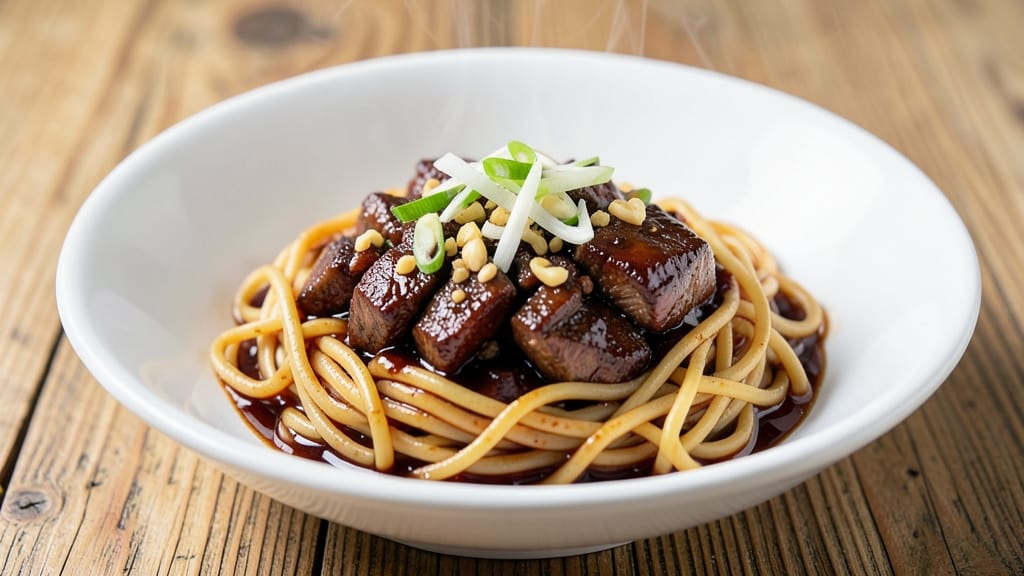
This mince pork noodles recipe delivers restaurant-quality stir-fry with tender pork, chewy noodles, and a sauce so flavorful it transforms simple ingredients into something extraordinary. I developed this version after years of perfecting the balance between quick cooking and deep umami flavor—no shortcuts, just technique that delivers every time.
The secret lies in properly browning the pork first, which builds rich, caramelized flavors that infuse the entire dish. We'll use a simple but powerful sauce base of soy sauce, garlic, ginger, and a touch of chili for that signature tangy-sweet kick.
The moment the sauce meets the hot wok, you'll get that coveted wok hei—smoky, aromatic steam that elevates everything.
What you'll end up with is a steaming bowl of perfectly chewy noodles coated in tender, juicy pork and a glossy sauce that clings to every strand. The texture contrast—crisp edges on the pork, silky noodles, and that perfect bite from the sauce—makes this dish impossible to resist.
It's the kind of meal that feels like a hug from your favorite home cook.
Serve immediately with a sprinkle of fresh green onions and a drizzle of toasted sesame oil for that final touch of sophistication. This recipe is designed to impress without requiring hours in the kitchen—just 30 minutes of focused effort for a dish that tastes like it simmered all day.
Let's get cooking!
Ingredients for mince pork noodles
Restaurant-quality stir-fry starts with these 14 simple ingredients—no fancy substitutions needed.
| Ingredient | Amount | Notes |
|---|---|---|
| Ground Pork 🥩 | 1 ½ lb | Lean or regular, not extra-lean |
| Egg Noodles 🍜 | 12 oz | Fresh or dried, medium width |
| Light Soy Sauce 🥄 | ½ cup | Kikkoman preferred for balance |
| Dark Soy Sauce 🥄 | 1 tbsp | For color and depth |
| Garlic Cloves 🧄 | 6 cloves | Minced, fresh preferred |
| Fresh Ginger 🌿 | 2 tbsp | Grated, peeled, about 1-inch piece |
| Sesame Oil 🫒 | 1 tbsp | Toasted, not flavored |
| Vegetable Oil 🫒 | 3 tbsp | High smoke point |
| Green Onions 🧅 | 4 whole | Thinly sliced, white and green parts |
| Sichuan Chili Oil 🌶️ | 1 tbsp | Or chili crisp for heat |
| White Sugar 🍚 | 1 tbsp | Balances flavors |
| Salt 🧂 | 1 tsp | Kosher or sea salt |
| Black Pepper 🌶️ | ½ tsp | Freshly ground |
| Toasted Sesame Seeds 🌰 | 1 tbsp | For garnish |
The pork is where flavor begins. Ground pork (not lean) gives that juicy texture, and you'll find it in the meat section of Walmart or Kroger. Look for packages labeled 'regular' or 'ground pork'—avoid the extra-lean stuff, it dries out. Fresh ginger and garlic are non-negotiable here; the frozen dried stuff just doesn't cut it. I always grab a whole ginger root and grate what I need—it keeps for weeks in the fridge that way. For the noodles, fresh egg noodles from the refrigerated section are ideal, but dried works too if you cook them al dente.
No sesame oil? Toasted peanut oil at half the amount works in a pinch, though it'll taste different. Short on soy sauces? Double the light soy and add 1 tsp of molasses for that caramelized depth. The sugar balances the saltiness—don't skip it, even if you're watching carbs. For heat, red pepper flakes or hot sauce can replace chili oil. And if you're feeling fancy, add a splash of Shaoxing wine (about 1 tbsp) to the sauce—it's worth hunting down at an Asian market if you love it.
Prep ahead to save time: Grate the ginger and mince the garlic first—they'll keep in the fridge for 3 days. The sauce can be mixed in a jar and stored for 1 week. Cook the noodles just until al dente—they'll finish cooking in the wok. This dish reheats beautifully—just add a splash of water and stir-fry again. Leftovers keep for 3 days in the fridge, but honestly, it's best fresh. Garnish with sesame seeds right before serving—they add that final crunch.
Why You'll Love This Recipe
- One-Pan Magic: I swear by this recipe when I’m too tired to wash dishes. Brown the pork with garlic, toss in the noodles and sauces—boom, done. The noodles soak up all that savory goodness while the pork stays juicy. (Yes, even on a Tuesday night.)
- Umami Bomb: That combo of light and dark soy sauce? It’s like a flavor explosion in your mouth. The dark soy gives it that deep, caramelized richness, while the light keeps it bright and tangy. My kids fight over the last bite—no joke.
- Leftover Hero: This dish actually improves the next day. The noodles soften just enough to soak up even more flavor, and the pork stays tender. I make a big batch on Sundays and reheat portions all week—zero complaints, just satisfied stomachs.
- Budget Win: Ground pork and egg noodles won’t break the bank, but they deliver big time. A single package of pork stretches into multiple meals, and the noodles? Cheap, filling, and always a crowd-pleaser. Honestly, it’s my go-to when I need to feed everyone without overspending.
Step-by-step instructions for savory mince pork noodles
Here's how to make this umami-rich stir-fry with perfectly tender pork and flavorful noodles.
Cook the Egg Noodles Al Dente
Bring a large pot of water to a rolling boil and add the 12 oz egg noodles. Stir immediately to prevent sticking. Cook for 8-10 minutes until the noodles are al dente—they should still have a slight bite in the center. I like to test one noodle by biting into it; it should feel firm but tender, not mushy.
While the noodles cook, prepare an ice bath in a large bowl filled with cold water and ice. Once the noodles are done, drain them immediately and transfer to the ice bath for 30 seconds to stop the cooking process. This keeps them from becoming overcooked and gummy when stir-fried later. Drain again and toss with 1 teaspoon salt to enhance flavor.
Stir-Fry the Ground Pork Until Fully Cooked
Heat 3 tablespoons vegetable oil in a large wok or skillet over medium-high heat until shimmering. Add the 1.5 lb ground pork, breaking it up with a wooden spoon or spatula. Cook for 5-6 minutes, stirring frequently, until the pork is fully cooked through and no longer pink in the center.
Here's the thing—don't overcrowd the pan. If your wok is too full, the pork will steam instead of sear. Cook in batches if needed, but aim to finish all the pork in one go for the best texture. Once fully cooked, transfer the pork to a plate and set aside.
Build the Umami-Packed Sauce
In the same wok, reduce the heat to medium and add 6 cloves minced garlic and 2 tablespoons grated fresh ginger. Sauté for 30 seconds until fragrant—you should smell that aromatic punch of garlic and ginger. Be careful not to let them burn, as they can go from delicious to bitter in seconds.
Pour in the 0.5 cup light soy sauce, 1 tablespoon dark soy sauce, 1 tablespoon white sugar, 0.5 teaspoon black pepper, and 1 tablespoon Sichuan chili oil. Stir well to combine, letting the sauce simmer for 1-2 minutes until it slightly thickens. This is where all the umami magic happens, so don't rush it.
Combine Everything for Maximum Flavor
Return the cooked pork to the wok and stir to coat it evenly in the sauce. Add the 12 oz cooked egg noodles and toss everything together for 2-3 minutes until the noodles are well-coated and heated through. The noodles should absorb the sauce but still retain their texture—don't let them sit too long or they'll turn mushy.
Drizzle in the 1 tablespoon sesame oil and toss once more. The sesame oil adds a nutty depth that ties everything together. Taste and adjust seasoning if needed—you might want to add a splash more light soy sauce if it's not salty enough.
Garnish and Serve Immediately
Transfer the noodles to serving bowls and garnish with 4 whole thinly sliced green onions and 1 tablespoon toasted sesame seeds. The green onions add a fresh contrast to the rich flavors, while the sesame seeds give a satisfying crunch and visual appeal.
Serve this stir-fry immediately while it's hot and steaming. The flavors are at their peak when the noodles are piping hot, and the pork is still tender. Pair it with a cold beer or a simple green salad to balance the richness. Enjoy your perfectly balanced, umami-packed mince pork noodles!
Pro Tips For Making Mince Pork Noodles
- STIR FAST, STOP STIRRING: Don’t go from high heat to constant stirring—let the pork sear in 30-second bursts. I used to babysit the pan and ended up with gray, dry meat. Now I blast it on medium-high, then let it sit for 10 seconds before breaking it up with a spatula. The Maillard reaction does its magic when you give it a chance.
- MINCE GARLIC THIN: Slice those cloves paper-thin, not into chunks. Thick slices burn before they soften, and you’ll taste the raw bite instead of that sweet, mellow garlic aroma. Use the flat side of your knife to smash them first, then slice—it’s faster than you’d think.
- SALT THE NOODLES LATER: Toss the cooked noodles with a splash of water first, then add soy sauce. I learned this after mushy, over-salted noodles ruined a batch. The starch needs time to relax, and adding sauce too soon turns them into glue. Wait until they’re al dente before mixing.
- USE BOTH SOY SAUCES WISELY: Dark soy for color, light soy for flavor—that’s the rule, but don’t drown the pork. Start with 1 teaspoon dark soy to stain the meat, then add light soy gradually. Too much and the dish tastes flat; too little and it’s bland. Taste as you go, like you’re painting with umami.
Best sauces and condiments for mince pork noodles
Classic Soy-Ginger Base
Start with the foundation: a balance of light soy sauce (½ cup) and dark soy sauce (1 tbsp) creates that signature glossy finish and deep umami flavor. I always use Kikkoman—it's reliable and has the perfect balance of saltiness.
Add 6 minced garlic cloves and 2 tbsp grated fresh ginger to build aromatic depth. The ginger should be finely grated—no chunks—so it blends seamlessly into the sauce. 🌿
For that perfect tangy-sweet balance, include 1 tbsp white sugar and a touch of heat with 1 tbsp Sichuan chili oil. The sugar cuts through the saltiness while the chili oil adds a subtle, smoky kick.
If you can't find Sichuan chili oil, a mix of ½ tsp chili flakes and 1 tsp toasted sesame oil works in a pinch. Simmer this sauce for just 1-2 minutes—long enough to meld the flavors but not so long it turns bitter.
Umami Boosters
Elevate the sauce with 1 tbsp toasted sesame oil at the end—this adds a nutty richness that ties everything together. I also like to include a splash of Shaoxing wine (about 1 tbsp) if I have it on hand; it adds complexity and depth.
For extra umami, stir in 1 tsp fish sauce (like Red Boat) or ½ tsp MSG—both work wonders but are optional. The key is to taste as you go and adjust to your preference.
Don’t forget the finishing touches: 1 tbsp toasted sesame seeds and 4 sliced green onions add texture and freshness. The sesame seeds give a satisfying crunch, while the green onions brighten up the dish. Trust me, these small details make a big difference in the final presentation.
Fusion Twists
For a modern twist, swap the chili oil for 1 tbsp gochujang (Korean fermented chili paste) and add ½ tsp grated daikon radish to the sauce. This fusion version brings a tangy, slightly sweet heat that pairs beautifully with the pork.
Another favorite is adding 1 tsp honey to the sauce for a touch of sweetness that balances the saltiness—it’s a crowd-pleaser.
If you love spice, kick it up with 1 tsp doubanjiang (Chinese fermented chili bean paste) and a dash of black vinegar (1 tsp). The vinegar adds a tangy depth that cuts through the richness of the pork.
For a smoky flavor, finish with a sprinkle of smoked paprika or a drizzle of chipotle oil. These tweaks keep the dish exciting while staying true to the stir-fry spirit.
Sweet and Tangy Variations
Craving something sweeter? Swap the white sugar for 1 tbsp honey or maple syrup and add 1 tsp rice vinegar to brighten the flavors. This version has a caramelized depth that’s irresistible.
For a tropical twist, stir in ½ tsp lime zest and a pinch of ground coriander—it’s unexpected but works beautifully with the pork.
For a tangy kick, mix 1 tbsp oyster sauce into the soy sauce base and add 1 tsp rice vinegar. The oyster sauce adds a briny depth, while the vinegar keeps it fresh.
If you’re feeling adventurous, try adding 1 tsp miso paste (white or red) to the sauce—it adds a fermented richness that’s hard to resist. Each variation keeps the dish balanced but introduces exciting new flavors.
Nutrition facts
Frequently asked questions
Can I use ground turkey or chicken instead of pork?
Yes, but expect different textures and flavors! Ground turkey works well but can turn dry—use lean ground turkey and cook it just until done (about 4-5 minutes instead of 5-6 minutes). Chicken is lighter and may need 1 extra tablespoon soy sauce to compensate for its milder taste. For best results, add 1 teaspoon fish sauce to boost umami.
How do I prevent the noodles from getting mushy?
Cook them al dente first (test by biting—should have slight resistance), then shock in ice water to stop cooking. When stir-frying, work quickly—toss the noodles for only 2-3 minutes over high heat. Use a large wok to prevent overcrowding, and add a splash of water if needed to loosen the sauce without overcooking.
What's the best way to reheat leftovers?
Reheat in a skillet over medium-high heat with 1 teaspoon vegetable oil and 1 tablespoon water per serving. Stir constantly for 3-4 minutes until piping hot. Microwaving works too—cover with a damp paper towel and heat for 1-2 minutes, stirring halfway. Add a splash of soy sauce if the flavors seem dull.
Can I make this gluten-free?
Swap soy sauces for tamari or coconut aminos (use 1:1 ratio). Use gluten-free egg noodles (check labels—many are rice or corn-based). For extra umami, add 1 teaspoon gluten-free fish sauce or ½ teaspoon nutritional yeast to the sauce. The texture will be slightly different but still delicious.
Why does my pork turn out dry?
Overcooking is the #1 culprit—pork should be just cooked through (no pink), not crispy. Use regular ground pork (not extra-lean), and avoid stirring constantly while browning. For extra juiciness, add 1 teaspoon cornstarch to the pork before cooking, or toss with 1 tablespoon warm water after browning to rehydrate.