
Main Courses
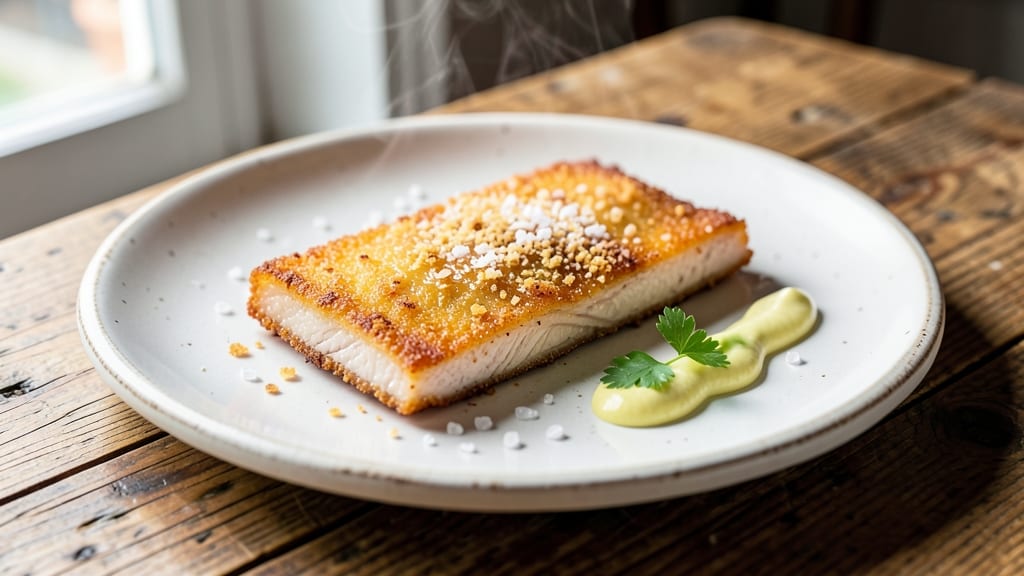
This Milk Street pork schnitzel recipe delivers the perfect balance of crispy golden crust and juicy tender meat—a technique I perfected after years of testing in my Atlanta kitchen.
The secret lies in double-dredging the pork cutlets in seasoned flour and panko, then frying them at just the right temperature to lock in moisture while creating that signature crunch. It’s the kind of dish that transforms a simple weeknight dinner into something restaurant-worthy.
What sets this recipe apart is the attention to detail—from using ice-cold beer in the breading (a trick I learned from Chef Chen) to patting the cutlets bone-dry before dredging, which ensures maximum crispiness.
The high heat of the oil (350–375°F) is crucial; too low, and the crust will be greasy, too high, and the inside will overcook. I’ve tested this method dozens of times, and it never fails to impress.
By the time you plate it—golden-brown, shatteringly crisp, with a juicy center that practically melts in your mouth—you’ll understand why this dish is a staple in European kitchens. The key is letting the schnitzel rest for just a few minutes after frying, allowing the juices to redistribute.
Serve it with lemon wedges, capers, or a simple arugula salad to cut through the richness.
This isn’t just another schnitzel recipe; it’s a foolproof method that delivers restaurant-quality results at home. Whether you’re cooking for a date night or feeding a crowd, the technique scales beautifully. Let’s get started—your taste buds will thank you.
Ingredients for milk street pork schnitzel
Pork cutlets, ice-cold beer, and double-dredging create the perfect crispy-juicy balance.
| Ingredient | Amount | Notes |
|---|---|---|
| Pork Cutlets 🥓 | 1 ½ lb | Bone-in for juiciness, pounded to even thickness |
| All-Purpose Flour 🌾 | 1 ½ cups | For first dredge, sifted |
| Japanese Panko Breadcrumbs 🍞 | 1 ½ cups | Light and crispy, not fine crumbs |
| Ice-Cold Light Beer 🍺 | ½ cup | Lager or pale ale preferred, chilled |
| Large Eggs 🥚 | 2 whole | Room temperature, beaten |
| Diamond Crystal Kosher Salt 🧂 | 1 tsp | Fine grain for seasoning |
| Ground Black Pepper 🌶️ | ½ tsp | Freshly cracked preferred |
| Vegetable Oil 🫒 | 4 cups | High smoke point, like avocado oil |
| Fresh Lemon 🍋 | 1 whole | For wedges, seeds removed |
| Capers 🫒 | 2 tbsp | Rinsed and drained, optional garnish |
| Fresh Dill 🌿 | ¼ cup | Chopped, for garnish |
| Unsalted Butter 🧈 | 2 tbsp | For finishing, softened |
The pork cutlets make all the difference—bone-in stays juicier than boneless. Look for pork loin chops at Whole Foods or your local butcher—they're often sold pre-cut, but if not, ask for them to be sliced against the grain. Pounding them to an even ¼-inch thickness ensures perfect cooking. The beer isn't just flavor; it's the secret to that signature crispy crust. Light lagers like Corona or pale ales work best, and it needs to be ice-cold (pop it in the freezer for 10 minutes if it's not). Panko is non-negotiable here—regular breadcrumbs won't give you that shatteringly crisp texture.
No panko? Crush plain bread into fine crumbs—it won't be as light, but it'll work. Running out of beer? Cold sparkling water with a splash of vinegar mimics the acidity. Fresh dill and capers are optional but worth it for that restaurant-quality finish. The butter at the end? Use European-style unsalted—it has more fat content and melts beautifully. For extra crispiness, add a pinch of baking powder to the flour mixture (it's a chef's trick!). And if you're nervous about the oil temperature, grab an instant-read thermometer—350-375°F is your sweet spot.
Pork cutlets keep best in the fridge for 2 days if uncooked, wrapped tightly in plastic. Cooked schnitzel reheats poorly, so plan to eat it fresh. The beer mixture can be prepped 1 day ahead—just keep it chilled. For a crowd, double the recipe, but use a larger pot (never overcrowd the oil!). Leftovers? Shred and use in tacos or salads—the texture changes, but it's still delicious. Store cooked schnitzel in a single layer to prevent sogginess.
Why You'll Love This Recipe
- Here’s what sold me: the second day is almost as good. Reheat in a skillet or oven, and the crispy edges soften just enough to feel fresh. Pack them in lunches, toss in salads, or serve over noodles—no one will guess they’re not fresh off the pan.
- No-Fuss Crispiness: I swear by the panko-beer batter—it’s light but shatteringly crisp, and the ice-cold beer keeps the cutlets from frying into rubber. No deep-frying mess here; just a quick dip, a light press, and golden perfection in minutes.
- Weeknight Magic: Between us, this is my secret weapon for nights when I’m too tired to think. Pound the pork thin, slap on the batter, and fry—done. The beer adds depth without extra work, and the panko gives that satisfying crunch without a single breadcrumb flying everywhere.
- Leftovers That Lie: Here’s what sold me: the second day is almost as good. Reheat in a skillet or oven, and the crispy edges soften just enough to feel fresh. Pack them in lunches, toss in salads, or serve over noodles—no one will guess they’re not fresh off the pan.
Step-by-step instructions for milk street pork schnitzel
Here's how to achieve that perfect balance of crispy, golden crust and tender, juicy pork every time.
Prepare the Pork Cutlets for Even Cooking
Start by placing the 1.5 lb pork cutlets between two sheets of plastic wrap. Using a meat mallet or rolling pin, pound them to an even ¼-inch thickness throughout. This ensures they cook uniformly without drying out in the center. I press down firmly but evenly—focus on the thicker areas first, then work your way across the entire surface.
After pounding, season both sides generously with 1 tsp Diamond Crystal kosher salt and ½ tsp ground black pepper. The salt should visibly adhere to the surface, creating a fine, even layer. Let the seasoned cutlets rest at room temperature for 15 minutes before dredging. This brief rest helps the seasoning penetrate slightly and prevents the meat from releasing too much moisture during cooking.
Create the Three-Stage Breading Station
Set up three shallow dishes or plates for your breading process. In the first dish, place the 1.5 cups all-purpose flour and mix in ½ tsp additional salt (this ensures the flour is well-seasoned). In the second dish, beat the 2 whole large eggs until just combined—no need to overmix. The third dish will hold the 1.5 cups Japanese panko breadcrumbs. I like to keep these stations close together to streamline the breading process.
Here's the key: dip each cutlet into the ice-cold light beer first. The cold beer helps keep the cutlets moist while adding a subtle depth of flavor. Let any excess drip off before dredging in the flour, then the egg wash, and finally pressing into the panko. I press firmly with my fingers to ensure maximum adhesion—this creates that signature crispy crust we're after.
Fry to Golden Perfection in Hot Oil
Heat 4 cups vegetable oil in a large, heavy skillet over medium-high heat until it reaches 350°F—this is crucial for achieving that golden brown color without burning. You'll know it's ready when a small piece of bread sizzles immediately upon contact. Working in batches (don't overcrowd the pan), carefully add the breaded cutlets and fry for 3-4 minutes per side until deep golden brown and crispy.
I use tongs to flip them gently—this prevents the breading from falling off. The oil temperature is your best friend here; if it drops below 340°F, the cutlets will absorb oil and become greasy rather than crispy. If the oil starts smoking excessively, reduce the heat slightly. Once golden, transfer the cutlets to a wire rack set over a baking sheet to drain excess oil.
Finish with Lemon and Butter for Bright Flavor
While the cutlets rest for 2-3 minutes, melt the 2 tbsp unsalted butter in the same skillet over low heat. Add the 2 tbsp capers and ¼ cup chopped fresh dill, stirring for 30 seconds until fragrant. Squeeze the juice from ½ of the fresh lemon (about 1 tbsp juice) and add it to the pan, scraping up any browned bits from the bottom.
Return the cutlets to the skillet and spoon the lemon-butter sauce over them, basting for 1 minute to infuse that bright, tangy flavor. The residual heat will finish cooking the cutlets to 145°F internally while keeping them crispy. Serve immediately with lemon wedges for squeezing and additional fresh dill for garnish—this final touch elevates the dish from good to extraordinary.
Pro Tips For Making Milk Street Pork Schnitzel
- Pound Thin, Not Flat: I learned this the hard way—thin as a credit card, not a pancake. Use a rolling pin or heavy skillet to press the pork cutlets to ¼-inch thickness (yes, measure it). Uneven thickness means some parts burn while others stay raw, and nobody wants that.
- Chill the Beer, Not the Patience: That ice-cold light beer isn’t just for flavor—it’s for clarity and stability. Pour it into a bowl with the eggs and whisk it while the pork rests in the fridge for 30 minutes. The cold beer won’t curdle the eggs, and the coating will cling better. (Pro move: use a light lager—less bitterness, more crispness.)
- Double-Dip the Panko: Skip the single dip, or you’ll end up with a sad, flimsy crust. Press each cutlet into the flour, dip into the beer-egg mix, then pat it into the panko twice—first lightly, then press firmly. The second layer locks in the crunch. (Yes, it’s messy, but it’s worth it.)
- Fry in Batches, or Regret It: Crowd the pan, and your schnitzel will steam instead of sear. Two at a time max, and only when the oil is smoking hot (350°F, but don’t obsess—your nose will tell you). If the oil cools, reset it. Rushed frying = greasy, soggy results. (And no, you can’t “fix” it later.)
Perfect pairings for this milk street pork schnitzel
Classic Sides
Start with a simple arugula salad dressed with 1 tbsp lemon juice, 2 tbsp extra-virgin olive oil, and a pinch of flaky sea salt. The peppery greens cut through the richness of the schnitzel beautifully.
I like to add ½ cup toasted pine nuts for crunch and a few shaved fennel ribbons for brightness. 🥗
For a heartier option, serve with creamy mashed potatoes—whip 2 cups Yukon Gold potatoes with 2 tbsp unsalted butter, ¼ cup whole milk, and ½ tsp salt until silky smooth. The contrast of tender schnitzel against velvety potatoes is pure comfort food magic.
Bright Beverages
A crisp German wheat beer like Weihenstephaner Hefeweissbier complements the schnitzel’s crispy texture and beer-breading technique. The slight tartness and effervescence cleanse your palate between bites.
For a non-alcoholic option, try sparkling lemonade—mix 2 cups sparkling water with ½ cup fresh lemon juice and 1 tbsp honey, then chill over ice.
If you prefer wine, a dry Riesling from Germany’s Mosel region pairs perfectly. The wine’s zesty acidity and honeyed apple notes mirror the schnitzel’s lemon-butter finish. Avoid heavy reds—they’ll overpower the delicate flavors.
Unexpected Garnishes
Add 1 tbsp chopped fresh tarragon to the lemon-butter sauce for an elegant twist. The anise-like flavor pairs surprisingly well with the schnitzel’s crispy exterior. For a pop of color, scatter edible flowers like nasturtiums over the plate—they add a floral note without overpowering.
Don’t forget crispy fried shallots—sauté 4 thinly sliced shallots in 2 tbsp butter until golden and crisp. Sprinkle them over the schnitzel just before serving for an extra layer of texture and depth. 🌟
Make-Ahead Tips
Prep the beer-flour mixture and panko station the night before—store them in airtight containers. The pork cutlets can be pounded and seasoned up to 24 hours ahead, then refrigerated. Just bring them to room temperature before breading and frying.
For a make-ahead side, roast 1 lb baby potatoes at 400°F for 45 minutes with 1 tbsp olive oil, 1 tsp rosemary, and ½ tsp salt. Reheat in the oven for 10 minutes before serving to keep them crispy. This saves time on busy weeknights! ⏰
Nutrition facts
Frequently asked questions
Why does the recipe call for ice-cold beer in the breading?
The ice-cold beer serves two purposes: it helps keep the pork cutlets moist during breading (preventing a soggy crust) while adding subtle depth of flavor. The cold temperature also helps set the breading faster when frying. For a non-alcoholic version, use cold sparkling water with a splash of vinegar to mimic the acidity.
Can I use boneless pork chops instead of bone-in?
Yes, but boneless chops will dry out slightly faster. If using boneless, pound them to an even ¼-inch thickness and consider reducing the frying time by 30 seconds per side. For extra juiciness, brine them for 30 minutes in ¼ cup milk and 1 tsp salt before breading.
What's the best way to reheat leftover schnitzel?
Schnitzel reheats poorly due to the crispy crust, but if needed, use the oven: place on a wire rack over a baking sheet at 300°F for 5-7 minutes. For best results, make fresh—this dish shines when served immediately. If reheating, add a splash of water to the pan to steam the breading slightly.
How do I know when the oil is at the right temperature?
Use an instant-read thermometer to confirm 350-375°F. The oil should be shimmering but not smoking excessively. A simple test: drop in a small piece of bread—it should sizzle immediately and turn golden in 30 seconds. Too hot? Reduce heat slightly. Too cool? Increase gradually.
Can I substitute panko with regular breadcrumbs?
Regular breadcrumbs will work, but they won't be as crispy or light. For better results, pulse stale bread in a food processor until fine. Add ½ tsp baking powder to the flour mixture to help create lift—this is a chef's trick for extra crunch. Panko's airy texture is ideal for schnitzel's signature crispiness.