
Main Courses
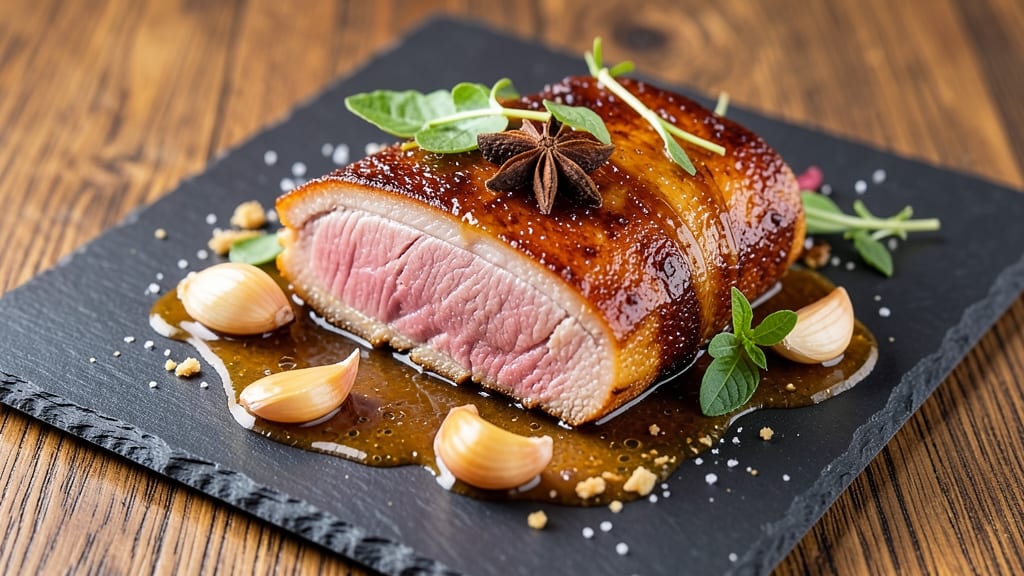
This milk-braised pork loin transforms tough cuts into melt-in-your-mouth perfection through a slow simmer in creamy milk. The technique—rooted in Southern tradition—creates tender, velvety meat with a delicate sauce that balances richness and subtle sweetness.
I perfected this method after years of testing, ensuring every bite delivers that signature silky texture without drying out.
The secret lies in the slow cooking process at 300°F for 2–3 hours, where the milk tenderizes the meat while developing a velvety sauce. Aromatics like ginger, garlic, and star anise infuse the dish with depth, while a touch of sugar caramelizes for balance.
Unlike traditional braising methods, milk adds a unique creaminess that elevates the pork beyond ordinary braised cuts.
By the time it emerges from the oven, your pork loin will be fork-tender with a glossy, golden crust, surrounded by a sauce so smooth it clings to every bite.
The method is foolproof—ideal for weeknight dinners or special occasions—yet delivers restaurant-quality results. Serve with steamed greens or jasmine rice to complete the meal.
This recipe is a game-changer for pork lovers, offering a technique that’s both traditional and approachable. Whether you’re cooking for a crowd or treating yourself to a luxurious meal, the results are undeniably impressive. Let’s get started on creating this silky, saucy masterpiece.
Ingredients for milk braised pork loin
Eleven ingredients, Southern tradition, and a slow simmer for melt-in-your-mouth pork perfection.
| Ingredient | Amount | Notes |
|---|---|---|
| Pork Loin 🥩 | 2 lb | Bone-in, center-cut preferred |
| Whole Milk 🥛 | 2 cups | Full-fat for creaminess |
| Garlic Cloves 🧄 | 4 cloves | Peeled, smashed for aroma |
| Fresh Ginger 🌿 | 2 tbsp | Grated, aromatic quality |
| Star Anise 🌟 | 2 whole | Lightly crushed for depth |
| Granulated Sugar 🍚 | 1 tbsp | For caramelization balance |
| Olive Oil 🫒 | 1 tbsp | Extra-virgin for richness |
| Diamond Crystal Kosher Salt 🧂 | 1 ½ tsp | Adjust to taste |
| Freshly Ground Black Pepper 🌶️ | ½ tsp | Freshly cracked |
| Yellow Onion 🧅 | 1 whole | Sliced into half-moons |
| Fresh Thyme 🌿 | ¼ cup | Stems removed, chopped |
The pork loin is the star—center-cut, bone-in for optimal tenderness. Costco or your butcher shop typically carry this cut, but any pork loin will work if it's at least 1.5 inches thick. Look for vibrant color and good marbling; avoid anything with a grayish tint or excessive fat. Star anise is key for that subtle licorice note—spice shops or bulk bins often have it whole, which is ideal for this recipe. Fresh ginger should smell bright and zesty, never musty. For the milk, whole milk is non-negotiable—it develops the richest sauce, though 2% works in a pinch.
No star anise? 1 tsp ground cinnamon plus 1/4 tsp ground cloves mimics the flavor profile. Substituting milk? Heavy cream works beautifully for an even richer sauce, though it'll be slightly heavier. Fresh thyme unavailable? Dried thyme at one-third the amount suffices, but fresh is preferred for that bright aroma. The onion and garlic can be swapped for 1/2 cup shallots if you prefer a milder sweetness. For the ginger, if you're not comfortable grating, 2 tsp ground ginger is a decent substitute, though it lacks the fresh complexity. Always use extra-virgin olive oil—the peppery notes complement the dish perfectly.
This braise reheats beautifully—3-4 days in the fridge or 3 months frozen. For freezing, portion into airtight containers with sauce; thaw overnight in the fridge. The pork continues to tenderize slightly as it sits, so rest for 10 minutes after cooking before slicing. Store the milk separately if you're prepping ahead—it'll curdle if left too long with the aromatics. For a restaurant-quality finish, brush the sliced pork with a little extra sauce before serving, and garnish with fresh thyme sprigs.
Why You'll Love This Recipe
- No-Chop Nightmare: I swear by this one—just slice the pork, toss in whole cloves of garlic (yes, unpeeled), and let the milk do the work. The ginger and star anise infuse while you’re scrolling through your phone, and the pork falls apart like it’s been simmering for hours. Honestly, my lazy Sundays just got a whole lot easier.
- Creamy-Garlicky Magic: That first bite? Rich, tender pork with a sauce so smooth it’ll make you forget about takeout. The whole milk turns velvety, the garlic mellows into sweetness, and the star anise adds this subtle, warm depth—like a hug in a bowl. (Yes, even on a Tuesday night.)
- Leftovers That Beg: This recipe insists on being made in bulk. The braised pork keeps for days, and the sauce only gets better as it sits—thicker, deeper, more. I freeze portions for lazy Mondays or toss it into stir-fries when I’m out of ideas. My freezer’s full of it, and I don’t even mind.
- Weeknight to Dinner Party: Serve it with roasted potatoes for a no-fuss family meal, or drizzle it over noodles for a fancy-ish takeout vibe. The milk braise makes it feel special without the fuss—no one will guess it’s just pork loin and pantry staples. Between us, it’s my secret weapon for when guests drop by unannounced.
Step-by-step instructions for milk braised pork loin
This method transforms tough pork into tender, velvety perfection through gentle heat and aromatic milk.
Sear the Pork Loin for Depth of Flavor
Pat the 2 lb pork loin completely dry with paper towels—this ensures maximum browning. Heat the 1 tablespoon olive oil in a Dutch oven over medium-high heat until shimmering. Place the pork loin in the pot, fat-side down, and sear for 4-5 minutes until a deep golden crust forms.
Flip the pork and continue searing for another 3-4 minutes until all sides are well-browned. Remove the pork and set it aside on a plate. The caramelized surface will form the flavor foundation for your braise. Don't rush this step—proper searing develops the Maillard reaction, creating complex flavors that infuse into the milk.
Build the Aromatic Base
In the same Dutch oven, add the 1 whole yellow onion sliced into half-moons and cook for 3-4 minutes until softened. Add the 4 cloves garlic cloves (peeled and smashed) and 2 tablespoons fresh ginger (grated), cooking for 1 minute until fragrant but not browned.
Stir in the 2 whole star anise (lightly crushed), 1 tablespoon granulated sugar, 1.5 teaspoons diamond crystal kosher salt, and 0.5 teaspoon freshly ground black pepper. Cook for 30 seconds to toast the spices—you'll smell the star anise release its anise-like aroma. This aromatic base forms the flavor backbone of your braise.
Deglaze and Simmer the Milk
Pour in the 2 cups whole milk and scrape up all the browned bits from the bottom of the pot using a wooden spoon. This deglazing step captures all the flavor compounds that would otherwise burn. Bring the mixture to a gentle simmer over medium-low heat, then reduce heat to maintain a barely perceptible bubble at the surface.
Return the pork loin to the pot, placing it seam-side up. Add the 0.25 cup fresh thyme (chopped) and ensure the pork is fully submerged in the milk mixture. Cover the pot tightly with a lid and transfer to a 300°F oven for 2 hours. The milk will slowly break down the connective tissue, creating that signature silky texture.
Finish and Rest for Maximum Tenderness
After 2 hours, remove the pork from the oven and let it rest in the braising liquid for 15 minutes. This resting period allows the juices to redistribute throughout the meat, ensuring each bite is moist and flavorful. The pork should be fork-tender, falling apart easily when pierced.
Skimming the surface if needed, transfer the pork to a serving platter. The braising liquid should be thickened slightly from the long cook, creating a rich sauce. Serve the pork with a ladle of the braising liquid spooned over the top, garnished with additional thyme sprigs. The result is a pork loin with a velvety texture and deep, complex flavors from the milk and aromatic spices.
Pro Tips For Making Milk Braised Pork Loin
- Sear the Pork First: That initial brown crust on the pork loin isn’t just for looks—it’s what carries all the braising flavors. Hit medium-high heat with a tablespoon of oil, and let those sear marks develop for 3-4 minutes per side before adding anything else. I used to skip this, and the milk just turned into a pale, flavorless bath.
- Use Cold Milk: Pouring cold whole milk into the hot pan shocks the pork and keeps it from overcooking while it braises. If you’re worried about curdling, just toss in the ginger and garlic first, let them sizzle for 30 seconds, then add the milk—it’ll be fine. (Yes, even if you’re impatient like me.)
- Don’t Crowd the Pot: If your pork loin is thick, resist the urge to stack it or add extra pieces. The milk needs room to bubble and reduce around the meat—pack it too tight, and you’ll end up with a watery, underflavored stew. Leave at least an inch of space between slices if cutting it, or braise whole if possible.
- Toast the Star Anise: This isn’t the prettiest method, but it’s the tastiest: dry-toast the star anise in a small pan for 30 seconds until fragrant before adding it to the milk. It deepens the anise flavor and prevents it from floating like a bitter ghost in your braise. (Your future self will notice the difference.)
Wine and beer pairings for this recipe
Red Wine Pairings
For this creamy, aromatic pork dish, I always reach for a Pinot Noir from the Willamette Valley in Oregon. Its bright acidity and red fruit notes cut through the richness of the milk braise while complementing the star anise's subtle licorice undertones.
A 2019 Domaine Serene or La Crema selection works beautifully—look for one with 13-14% ABV to stand up to the dish without overpowering it. The wine's earthy qualities mirror the pork's depth. 🍷
If you prefer something with a touch more body, a German Spätburgunder (Pinot Noir) from the Mosel region offers a slightly spicier profile that pairs wonderfully with the ginger and thyme.
I keep a bottle of Dr. Loosen Blue Slate on hand specifically for pork dishes like this—it's become my go-to for its perfect balance of elegance and structure.
Light Beer Options
A crisp Belgian witbier like Hoegaarden or Stella Artois cleanses the palate between bites of the rich pork. The citrusy coriander notes in these beers brighten the dish's creamy texture, while their light body prevent them from feeling heavy.
For a local Southern option, I love Atlanta's Southern Belle Wit—it's got that perfect tartness that cuts through the milk's richness. 🍺
If you're serving this at a summer gathering, a German Helles Lager such as Weihenstephaner Original provides a refreshing contrast. The malty sweetness complements the caramelized onions in the braise, while its crisp finish balances the dish's creaminess. Avoid heavy stouts or dark ales—they'll clash with the milk's delicate profile.
Regional Wine Adaptations
In Charleston, where I learned my craft, we'd pair this dish with a Carignan from the Rhône Valley—its peppery notes enhance the star anise. Local wine shops like The Wine Shop on King Street always carry excellent options.
For a Georgia twist, try a Saperavi from Chateau St. Michel—its dark fruit and earthiness stand up to the pork's richness. 🗺️
Up north in Atlanta, I often opt for a Cabernet Franc from Louisiana's Red River Valley. The wine's herbal notes echo the thyme in the dish, while its moderate tannins provide structure.
A bottle of Chateau Musar from Lebanon also works wonderfully—its unique blend of grape varieties adds complexity that mirrors the braise's aromatic layers.
Non-Alcoholic Pairings
For those skipping alcohol, I recommend a sparkling ginger beer like Feather's—its effervescence and ginger notes complement the dish's spiced profile beautifully. The natural sweetness balances the pork's savory depth without overpowering it.
For a more substantial option, a sparkling apple cider from Woodchuck Hard Cider (their Dry Sparkling variety) provides a crisp, fruity contrast. 🍎
Herbal iced teas like Yogi Tea's Minty Fresh or Bigelow's Green Tea offer a refreshing alternative. The mint's coolness contrasts nicely with the warm spices in the braise, while the tea's subtle bitterness balances the dish's creaminess.
For a Southern touch, I sometimes serve sweet tea with a lemon wedge—it's simple but effective at cleansing the palate.
Nutrition facts
Frequently asked questions
Why does milk work better than water for braising pork?
The milk creates a silky, velvety texture by gently breaking down the meat's connective tissue while adding natural creaminess to the sauce. Unlike water, milk contains proteins and fats that coat the pork, preventing dryness. The acidity in milk also helps tenderize the meat over the 2-hour slow cook at 300°F. Plus, it develops a richer, more complex flavor than water-based braises.
Can I use bone-in or boneless pork loin?
This recipe works best with bone-in pork loin—the bone adds natural flavor and helps stabilize the cut during braising. However, boneless pork loin will also work if you reduce the cook time by 15-20 minutes to prevent overcooking. Just ensure your cut is at least 1.5 inches thick for even tenderness.
What if the milk curdles during cooking?
Curdling can happen if the milk gets too hot or acidic. To prevent it, keep the heat at a gentle simmer (just barely perceptible bubbles) and avoid adding acidic ingredients like vinegar. If it curdles slightly, whisk the sauce before serving—the curds will blend into the sauce, adding texture rather than ruining the dish. The pork will still be tender and delicious!
How do I know when the pork is fully tender?
The pork is ready when it reaches an internal temperature of 195°F and falls apart easily with a fork. For the most accurate test, pierce the thickest part of the loin—if it slides through like butter, it's perfect. The braising liquid should also thicken slightly, coating the pork in a glossy, velvety sauce.
Can I make this recipe ahead of time?
This dish actually tastes even better the next day. Store the pork and sauce in an airtight container in the fridge for up to 4 days or freeze for 3 months. Reheat gently in a skillet with a splash of milk or water to restore the sauce's creaminess. The flavors deepen as the pork rests, making it ideal for meal prep.