
Main Courses
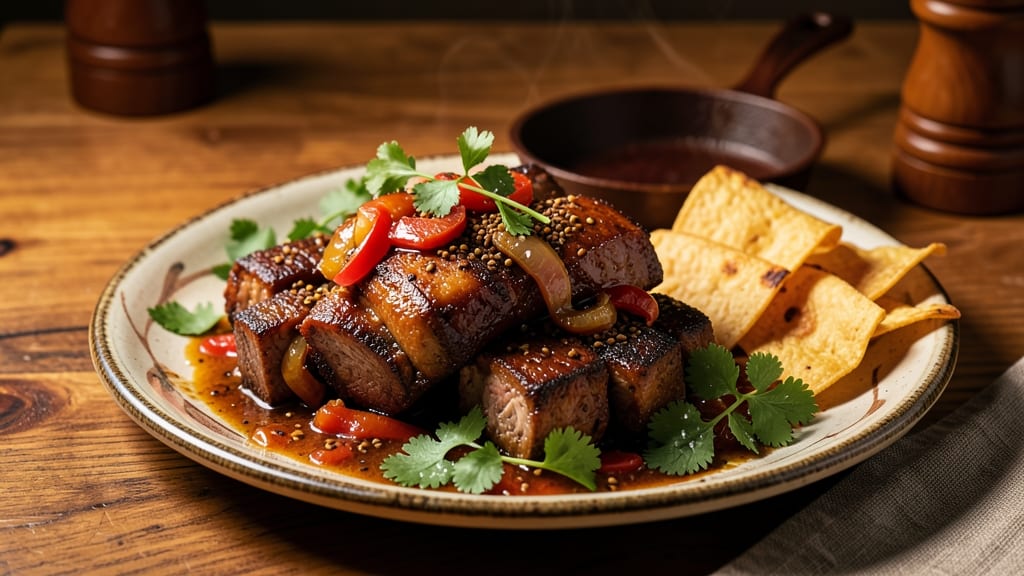
This Mexican sweet pork recipe transforms simple pork shoulder into melt-in-your-mouth carnitas with caramelized edges and aromatic spices. Growing up in Georgia, I learned how citrus and cinnamon could elevate humble cuts—this version keeps that Southern comfort while embracing Mexican flavors. The slow-roasting process creates tender, shreddable meat with a sticky-sweet glaze that'll have everyone reaching for seconds.
What sets this recipe apart is the balance of traditional techniques and approachable methods. We start with a dry rub of cinnamon, cumin, and achiote for depth, then braise the pork until fork-tender before finishing with a bright orange-cinnamon glaze.
No fancy equipment needed—just patience and a few key ingredients that work together to create restaurant-quality results at home.
By the time you're done, you'll have perfectly caramelized pork that's crispy on the edges and tender inside, with a glossy glaze that adds sweetness without overpowering the savory meat.
The aroma alone will fill your kitchen with warmth, making it ideal for family dinners, holiday feasts, or even tacos and tostadas. This is the kind of dish that tastes like a hug from your abuela.
Serve with warm tortillas, pickled onions, and fresh cilantro for a complete meal. The leftovers reheat beautifully—just crisp them up in a skillet for extra flavor. Let's get cooking with this foolproof method that delivers authentic Mexican sweetness every time.
Ingredients for mexican sweet pork
Six aromatic spices, citrus, and tender pork shoulder—this is the core of authentic Mexican sweet pork.
| Ingredient | Amount | Notes |
|---|---|---|
| Pork Shoulder (Bone-In) 🥓 | 4 lb | Cut into 2-inch chunks, skin removed |
| Ground Cumin 🌿 | 1 tbsp | Toasted for deeper aroma |
| Ground Cinnamon 🌶️ | 1 tbsp | Ceylon preferred for authentic flavor |
| Achiote Powder 🧂 | 1 tbsp | Or sub 1 tsp paprika + pinch turmeric |
| Kosher Salt 🧂 | 1 ½ tbsp | Diamond Crystal preferred |
| Black Peppercorns 🌶️ | 1 ½ tsp | Freshly cracked for best flavor |
| Orange Zest 🍊 | 1 tbsp | From 1 large orange |
| Orange Juice 🍊 | ½ cup | Freshly squeezed, no pulp |
| Brown Sugar 🍯 | ½ cup | Light or dark, packed |
| Apple Cider Vinegar 🍶 | 2 tbsp | For tangy balance |
| Garlic Cloves 🧄 | 6 cloves | Smashed but not minced |
| Bay Leaves 🌿 | 2 whole | Fresh if available |
| Beef Broth 💧 | 2 cups | Low-sodium preferred |
| Olive Oil 🫒 | 2 tbsp | For searing pork |
| Fresh Cilantro 🌿 | ¼ cup | Chopped, for garnish |
The pork shoulder is the star—look for cuts with good marbling at Whole Foods or your local butcher. A bone-in piece stays juicier, but boneless works too. Costco often has great deals on large cuts, perfect for feeding a crowd. For the spices, Penzeys or bulk bins at Latin markets have the best achiote—it's what gives that signature Mexican color. If you can't find it, mix paprika with a pinch of turmeric for a decent substitute. The cinnamon should be Ceylon if you're being traditional, but regular works in a pinch.
No achiote? Paprika plus turmeric does the trick, though the color won't be as vibrant. Substituting orange juice? Grapefruit juice works too, but it's more bitter. The brown sugar can be swapped for panela or piloncillo if you're going for authentic sweetness. For the vinegar, apple cider is ideal, but white vinegar at half the amount works if that's what you've got. Fresh cilantro is best for garnish, but dried oregano in a pinch won't ruin the dish—just don't expect that bright freshness.
This dish reheats even better than it tastes fresh—3-4 days in the fridge or 3 months frozen. For leftovers, crisp them in a skillet with a splash of broth for that restaurant-quality crunch. The glaze thickens as it cools, so thin with a splash of water if needed. Store the pork and glaze separately in airtight containers. The spices lose potency after opening, so transfer them to a glass jar for longer shelf life.
Why You'll Love This Recipe
- One-Pot Magic: I swear by this—just toss the pork shoulder in a Dutch oven with achiote and cinnamon, then let it braise while you handle the rest of dinner. The spices cling like glue, and the bone-in shoulder stays juicy without babying it.
- Sweet-Savory Crunch: That caramelized crust? Pure gold. The cinnamon and cumin team up to make the pork taste like it’s been slow-roasted for hours, but honestly, it’s the achiote that steals the show—earthy, slightly smoky, with just enough warmth to make your taste buds sing.
- Leftovers That Beg for More: Between us, this recipe makes so much pork that you’ll have lunch for days. I freeze portions for tacos or sandwiches later, and the flavor only gets better the next day—especially when reheated with a splash of broth.
- Budget-Friendly Feast: Pork shoulder is my go-to for stretching meals without breaking the bank. A single cut feeds six, costs half as much as pre-cut proteins, and the spices? You’re talking pennies here. Plus, the bone adds richness without extra effort.
Step-by-step instructions for slow-caramelized Mexican sweet pork
Transform tough pork shoulder into melt-in-your-mouth sweetness with this slow-cooked masterpiece.
Prepare and Sear the Pork Shoulder
Cut the 4 lb pork shoulder into 2-inch chunks (skin removed as noted) and pat dry thoroughly with paper towels. This step is crucial—any moisture will prevent that perfect caramelized crust we're after. In a large Dutch oven, heat 2 tablespoons olive oil over medium-high heat until shimmering. Working in batches to avoid crowding, sear the pork chunks for 3-4 minutes per side until they develop a deep golden-brown crust.
You'll know they're ready when the edges are richly browned and the pork releases easily from the pan. Transfer the seared pork to a plate and set aside. Here's where the magic begins—those browned bits (fond) will dissolve into our sauce later, adding depth of flavor. Don't skip this searing step; it builds the foundation for our sweet-spiced profile.
Build the Spiced Orange-Caramel Base
In the same Dutch oven (no need to wipe it clean—those flavorful bits matter), reduce heat to medium. Add 1 tablespoon ground cumin, 1 tablespoon ground cinnamon, 1 tablespoon achiote powder, 1.5 tablespoons kosher salt, and 1.5 teaspoons freshly cracked black peppercorns. Toast the spices for 30 seconds until fragrant—you should smell warm, earthy notes with a hint of citrus from the achiote.
Stir in 1 tablespoon orange zest, 6 smashed garlic cloves, and 2 whole bay leaves. Cook for 1 minute until the garlic becomes golden and aromatic. Add 0.5 cup brown sugar and 2 tablespoons apple cider vinegar, stirring constantly for 2 minutes until the sugar begins to caramelize slightly. This creates the perfect balance of sweet and tangy that defines our dish.
Deglaze and Simmer the Pork
Pour in 0.5 cup orange juice and scrape up all those delicious browned bits from the bottom of the pot. This deglazing step captures all the meaty flavor we built during searing. Add 2 cups beef broth and bring the mixture to a gentle simmer. Return the pork chunks to the pot, spooning the sauce over them to coat evenly.
Cover the Dutch oven and transfer to a preheated 300°F oven. Here's where patience pays off—braise the pork for 3 hours, turning the chunks occasionally. You're looking for the pork to become fork-tender while the sauce reduces to a glossy, caramelized consistency. The pork should be falling apart easily when pierced with a fork, and the sauce should coat the back of a spoon with a thick, syrupy texture.
Finish and Garnish
Once the pork is tender, remove it from the oven and increase the heat to medium-high. Simmer the sauce uncovered for 5-7 minutes until it thickens slightly and becomes deeply caramelized. Taste and adjust seasoning—you might want to add a pinch more salt or a splash of apple cider vinegar to balance the sweetness.
Transfer the pork to a serving platter and spoon the rich, caramelized sauce over the top. Garnish with 0.25 cup chopped fresh cilantro just before serving. The cilantro adds a bright, herbal contrast that cuts through the richness of the pork and sauce. Serve immediately with warm tortillas, rice, or over a bed of black beans to soak up every last drop of that sweet-spiced sauce.
Pro Tips For Making Mexican Sweet Pork
- Brown the Pork Hard: Skip the gentle sear—this isn’t a delicate steak. Get that pork shoulder screaming hot in a dry skillet for 8-10 minutes per side until it’s deep brown, almost black in spots. That crust locks in flavor and prevents the meat from drying out later. (Yes, even if you’re impatient like me—this isn’t the step to rush.)
- Toast the Spices: Bloom your cumin, cinnamon, and achiote in the same skillet you browned the pork—just 30 seconds over medium heat. That quick toast deepens their aroma and cuts through the pork’s richness. I used to skip this, and the dish always tasted flat until I tried it.
- Salt in Layers: Don’t dump all the kosher salt at once. Sprinkle half before browning, then the rest after the pork hits the braising liquid. This keeps the crust crispy while ensuring even seasoning. (And resist the urge to eyeball it—measure it. Trust me.)
- Cover Tight, Low Heat: Use a lid that seals perfectly and keep the heat at 275°F (135°C) or lower. I learned this the hard way—too much heat = tough, stringy pork. Check it at 2.5 hours; if the juices aren’t running clear, give it another hour. Patience here makes all the difference.
Pro cooking tips for this dish
Dry Rub Secrets
Toast your spices in the Dutch oven before adding liquids—this releases their essential oils and creates a fragrant base. I toast cumin, cinnamon, and achiote for 30 seconds until they smell warm and earthy.
For extra depth, use Ceylon cinnamon—it has a sweeter, more delicate flavor than cassia. If you can't find achiote, mix 1 tsp paprika with a pinch of turmeric for color and warmth.
Don't skip the orange zest! The 1 tbsp zest from one large orange adds bright citrus notes that cut through the richness. I always zest over the pot to catch every bit of that aromatic oil.
Freshly cracked black pepper adds complexity—pre-ground loses its punch quickly. Store your spices in airtight glass jars away from light to preserve their potency.
Searing Perfection
Work in batches to avoid crowding the pan—this ensures each piece gets that perfect golden-brown crust. I use a heavy Dutch oven because it distributes heat evenly and retains it well.
If your pork releases easily from the pan, it's ready. Those browned bits (fond) are flavor gold—don't wipe them out! They'll dissolve into our sauce later, adding depth.
For even better results, let the pork rest 10 minutes after searing. This allows juices to redistribute, keeping the meat moist during cooking. I swear by this step—it makes all the difference in the final texture. If you're short on time, sear at medium-high heat for maximum crust development.
Oven vs. Stovetop
I prefer the oven for this recipe because it maintains a consistent 300°F temperature, which is ideal for tenderizing the pork. However, if you don't have an oven, you can finish on the stovetop.
After braising for 2 hours, transfer the pork to a skillet and cook uncovered on medium-low heat for another 1-2 hours, stirring occasionally. The sauce will reduce more quickly this way.
For extra caramelization, finish the pork under the broiler for 2-3 minutes at the end. Keep a close eye on it—you want the edges to be deeply browned but not burnt.
This step adds a smoky depth that's hard to achieve any other way. Just be prepared to move quickly once it's under the heat!
Glaze Mastery
The glaze is what ties everything together—it should be sticky, caramelized, and balanced. I reduce the sauce on medium-high heat until it coats the back of a spoon. If it's too thin, simmer longer or add a splash of apple cider vinegar to intensify the flavor.
For extra richness, stir in 1 tbsp butter at the end—it adds a velvety texture that complements the spiced pork beautifully.
Taste and adjust seasoning before serving. Sometimes the pork needs a pinch more salt, or the sweetness could use a touch of acid. I keep lemon juice and vinegar** on hand for quick adjustments.
The glaze should be glossy and slightly syrupy—this ensures it clings to the pork and every bite is flavorful.
Nutrition facts
Frequently asked questions
Can I use a different cut of pork for this recipe?
While pork shoulder is ideal, you can substitute with pork butt or even boneless pork loin. For best results, cut the meat into 2-inch chunks to ensure even cooking. If using loin, reduce cooking time to 2-2.5 hours since it's more tender. Bone-in cuts stay juicier, but boneless works too—just monitor for doneness carefully.
How do I know when the pork is fully cooked?
The pork is done when it reaches an internal temperature of 203°F and easily shreds with a fork. For extra safety, use a meat thermometer inserted into the thickest part. The sauce should also reduce to a glossy, syrupy consistency. If the pork feels slightly firm, return it to the oven for 15-20 minutes more.
What’s the best way to reheat leftovers?
Reheat leftovers in a skillet over medium heat with a splash of beef broth or water to restore moisture. For crispy edges, add the pork to the pan and cook uncovered for 5-7 minutes, stirring occasionally. Microwaving works in a pinch, but the texture won’t be as satisfying. Leftovers keep well in the fridge for 3-4 days or frozen for 3 months.
Can I make this recipe in a slow cooker?
Sear the pork as directed, then transfer everything (including the sauce) to a 6-quart slow cooker. Cook on low for 7-8 hours or high for 4-5 hours. The pork will be fork-tender, but the sauce may be thinner—reduce it on the stovetop afterward for the perfect consistency. The slow cooker’s gentle heat keeps the pork moist and flavorful.
What sides pair best with this dish?
This sweet pork shines with classic Mexican sides like warm corn tortillas, cilantro-lime rice, or charro beans. For a lighter option, serve with a crisp mango-avocado salad or pickled red onions. The tangy acidity cuts through the richness, balancing every bite. Don’t forget fresh cilantro and lime wedges for garnish!