
Main Courses
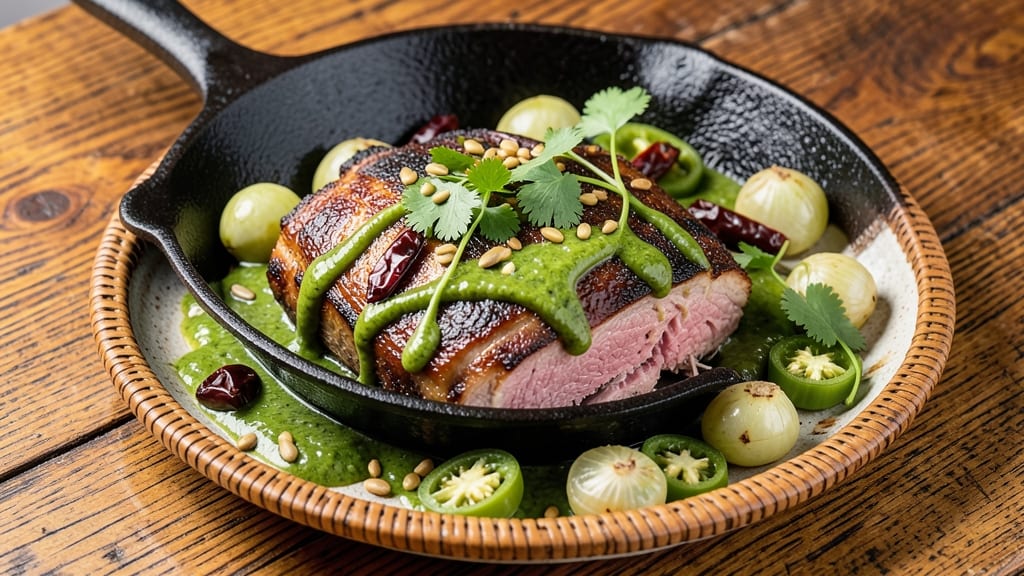
This Mexican pork verde recipe brings smoky chipotle and bright tomato flavors together in a rich sauce that melts over perfectly tender pork shoulder. 🔥 After years of perfecting the balance between smoky heat and tangy freshness, I've developed a method that delivers restaurant-quality results at home—no shortcuts, just deep flavor built through slow cooking and careful seasoning.
The foundation of great pork verde lies in the salsa verde—a vibrant blend of tomatillos, jalapeños, and fresh cilantro that forms the heart of this dish.
Unlike many recipes that rely on canned sauces, this version starts with fresh ingredients and builds the sauce from scratch, allowing the smoky chipotle peppers to infuse the pork with their signature warmth. The result is a dish that's both comforting and complex, with layers of flavor that reward patience.
By the time you're done, you'll have fork-tender pork that practically falls apart, coated in a glossy, slightly sweet-savory sauce with just the right amount of heat. The slow braising method ensures every bite is juicy and flavorful, while the vibrant salsa verde adds brightness that cuts through the richness.
This is the kind of meal that tastes like a celebration—perfect for family gatherings or a special weeknight dinner.
Serve it with warm tortillas, steamed rice, and a side of black beans to complete the traditional Mexican spread. The sauce is so flavorful it works as a condiment too, so make extra to enjoy throughout the week. Let's get cooking!
Ingredients for mexican pork verde
Sixteen ingredients for a dish that tastes like a celebration—smoky, bright, and full of layers.
| Ingredient | Amount | Notes |
|---|---|---|
| Pork Shoulder 🍖 | 3 lb | Bone-in for best flavor |
| Tomatillos 🍅 | 1 ½ lb | Husk removed, rinsed |
| Jalapeño Peppers 🌶️ | 4 whole | Seeds removed for mild heat |
| Fresh Cilantro 🌿 | ½ cup | Stems removed, chopped |
| Chipotle Peppers in Adobo 🌶️ | 2 whole | From can, chopped |
| Garlic Cloves 🧄 | 6 cloves | Peeled, roughly chopped |
| White Onion 🧅 | 1 whole | Quartered, skin on |
| Lime 🍋 | 2 whole | Juiced, zest optional |
| Beef Broth 💧 | 2 cups | Low-sodium preferred |
| Olive Oil 🫒 | ¼ cup | For searing pork |
| Salt 🧂 | 1 ½ tsp | Kosher or sea salt |
| Ground Black Pepper 🌶️ | ½ tsp | Freshly ground |
| Cumin 🌿 | 1 tsp | Ground, toasted |
| Oregano 🍃 | 1 tsp | Dried, Mexican preferred |
| Cinnamon 🌿 | ¼ tsp | Ground, for depth |
The pork shoulder is non-negotiable here—bone-in adds flavor, and 3 lbs gives you generous portions. Look for a cut with good marbling at your local butcher or Costco for the best price. Tomatillos can be tricky to find; Mexican markets usually have them fresh, or grab them frozen if needed. Chipotle peppers in adobo are a must—they bring that signature smoky depth. Hatch brand is my go-to, but any quality canned version works. For the cilantro, fresh is essential—dried just won't cut it here.
No tomatillos? Substitute 1.5 lbs of Roma tomatoes, but you'll lose that tangy brightness. Swap jalapeños for serrano peppers if you want more heat, or mild green bell peppers if you prefer milder flavor. The beef broth can be vegetable broth if vegetarian, but the pork will still be rich. For the spices, Mexican oregano makes a world of difference—find it in the Latin aisle. If you're short on time, pre-chopped garlic and onion from Trader Joe's saves steps without sacrificing flavor.
Pork shoulder keeps 3-4 days in the fridge, but the sauce is even better the next day as flavors meld. Freeze portions of the sauce separately for up to 3 months—it's perfect for tacos or tostadas later. The tomatillos and jalapeños can be prepped ahead and stored in the fridge for 2 days before cooking. Double the batch if you're feeding a crowd; the leftovers reheat beautifully and taste even better the second time around.
Why You'll Love This Recipe
- One-Pot Magic: I swear by this—just toss everything in one pot, walk away for an hour, and come back to fall-apart tender pork swimming in that tangy, smoky verde sauce. No fancy steps, no extra dishes.
- Smoky-Tangy Bomb: That chipotle in adobo? It’s the secret weapon—deep, smoky heat that clings to the pork while the tomatillos and jalapeños brighten it up. Honestly, the first bite makes you want to skip dessert.
- Meal Prep Hero: Between us, this is my go-to for lunches all week. The sauce thickens beautifully when reheated, and the pork stays juicy—even better the next day, if you can believe it. (Yes, even on a Tuesday night.)
- Budget Stretch: Pork shoulder is cheap, and a single batch feeds four easily. I’ll be real: my grocery budget thanks me every time I make this. Plus, the leftovers freeze like a dream for lazy days.
Step-by-step instructions for Mexican pork verde
Here's how to transform tough pork shoulder into fork-tender shreds with a vibrant, smoky sauce.
🔥 Step 1: Sear the Pork Shoulder for Deep Flavor
Pat the 3 lb pork shoulder completely dry with paper towels—this ensures maximum browning. Heat a large Dutch oven over medium-high heat and add the 0.25 cup olive oil. Once shimmering, add the pork shoulder and sear on all sides until deeply browned, about 8-10 minutes total. Real talk: don't rush this step. You're building flavor foundation here.
Flip the pork every 2-3 minutes until all surfaces develop a rich crust. Remove the pork and set it aside on a plate. You'll notice the fat will start rendering out—this is good. Leave the browned bits in the pot; they'll become part of the sauce. Here's the thing—this sear creates the Maillard reaction that gives your dish that irresistible depth of flavor.
🍳 Step 2: Roast the Tomatillos and Aromatics
While the pork rests, preheat your oven to 400°F. In a separate baking dish, combine the 1.5 lb tomatillos (husks removed and rinsed), 4 whole jalapeño peppers (seeds removed), 6 cloves garlic cloves (peeled), and the 1 whole white onion (quartered with skin on). Toss everything with 1 tablespoon olive oil (reserve the remaining 0.2 tablespoons for later) and spread in an even layer.
Roast for 25-30 minutes until the tomatillos soften and turn golden brown. You'll know they're done when they smell sweet and slightly caramelized. The skins should blister slightly, and the jalapeños should be tender enough to pierce with a fork. This roasting step is crucial—it mellows the acidity of the tomatillos and deepens their flavor profile.
🥘 Step 3: Build the Smoky Verde Sauce
Transfer the roasted vegetables to a blender along with the 2 whole chipotle peppers in adobo (chopped), 0.5 cup fresh cilantro, 1 tsp cumin, 1 tsp oregano, 0.25 tsp cinnamon, 1.5 tsp salt, and 0.5 tsp ground black pepper. Add the reserved 0.2 tablespoons olive oil and blend until completely smooth. This should yield about 3-4 cups of vibrant green sauce.
Return the sauce to the Dutch oven with the browned pork drippings. Add the 2 cups beef broth and bring to a simmer over medium heat. Here's where the magic happens: the sauce should reduce slightly as it absorbs the pork's rendered fat. Watch for 5-7 minutes until it thickens enough to coat the back of a spoon but remains pourable.
🔥 Step 4: Slow-Cook the Pork Until Fork-Tender
Return the seared pork shoulder to the Dutch oven, submerging it in the sauce. Bring everything to a gentle boil, then reduce heat to low, cover, and simmer for 2.5-3 hours. This is the long game—patience pays off with melt-in-your-mouth pork. Check occasionally to ensure there's enough liquid to keep the pork submerged.
After 2 hours, check for doneness by inserting a meat thermometer into the thickest part of the pork. It should read 195-205°F—this is the "probe-tender" stage where connective tissues break down. If it's not there yet, continue cooking. The pork will continue cooking slightly after removal, so don't worry about hitting the exact temperature.
🍽️ Step 5: Shred and Finish with Lime
Once the pork reaches the proper temperature, remove it from the pot and let it rest for 10 minutes before shredding. Use two forks to pull the meat apart against the grain. Discard any large fat pieces or connective tissue. Return the shredded pork to the sauce and stir gently to combine.
Squeeze in the juice from 2 whole limes and stir. Taste and adjust seasoning if needed—you might want to add a pinch more salt or a splash of lime juice for brightness. The sauce should be vibrant green with a smoky, slightly sweet profile that balances the pork's richness. Serve immediately over rice or corn tortillas with warm tortillas and extra cilantro on top.
Pro Tips For Making Mexican Pork Verde
- Char the Tomatillos: Char them over an open flame or in a dry skillet until blackened in spots—this deepens their smoky flavor and cuts through the pork’s richness. I used to peel them after roasting, but now I leave the skins on; they add texture and a rustic edge that store-bought sauces miss.
- Salt the Pork Twice: Season the pork shoulder generously before cooking, then hit it again with a pinch of salt after searing—this guarantees the seasoning penetrates through the long braise. I learned this the hard way when my first batch tasted bland until the last bite.
- Blend the Sauce Smooth: Run the tomatillo-jalapeño-chipotle mix through a food mill or fine-mesh sieve to eliminate seeds and skin bits—this makes the sauce velvety, not gritty. A blender leaves behind unwanted texture, and I’ve ruined more batches than I’ll admit trying to force a smooth finish.
- Braise Low and Slow: Keep the pork in liquid at 300°F (150°C) until it shreds effortlessly with a fork—any hotter, and you’ll dry it out before it’s tender. I used to rush it, but now I set a timer for 2.5 hours minimum, and the meat falls apart like butter.
Perfect pairings for this recipe
Classic Mexican Sides
This dish shines when paired with traditional Mexican staples. Start with steamed white rice—I prefer long-grain varieties like Mexican-style rice from Bob's Red Mill—to soak up the smoky verde sauce.
A side of charro beans (pinto beans cooked with bacon and jalapeños) adds hearty texture and complements the pork's richness. For freshness, serve with warm corn tortillas or flour tortillas for dipping or wrapping. 🌽
Crispy Garnishes
Add texture with crispy fried onions—sauté 1 cup thinly sliced yellow onions in 2 tablespoons lard until golden brown. These add a sweet crunch that contrasts beautifully with the tender pork.
Another favorite is tostadas—lightly toasted corn tortillas topped with refried beans and the pork verde. For extra flair, sprinkle with queso fresco or cotija cheese right before serving. 🧀
Refreshing Beverages
A cold Mexican lager like Modelo Especial or Pacífico Clara cuts through the dish's richness perfectly. For non-alcoholic options, try horchata—a sweet rice-cinnamon drink—or agua fresca made with hibiscus flowers (jamaica) and lime.
The tartness balances the smoky pork beautifully. I always keep a pitcher of sparkling lime water on hand for a lighter option. 🍺
Spicy Additions
If you love heat, serve pickled red onions on the side—thinly sliced onions marinated in vinegar, lime juice, and jalapeño slices for 30 minutes. Another crowd-pleaser is salsa roja (tomato-based salsa) for those who prefer a different sauce profile.
For a smoky kick, add chipotle crema—blend ½ cup sour cream with 1 chipotle pepper in adobo and 1 tablespoon lime juice. 🌶️
Make-Ahead Sauce
Double the sauce recipe and store it in airtight containers for up to 5 days in the fridge or 3 months in the freezer. This lets you quickly assemble tacos, nachos, or burrito bowls later.
The flavors deepen overnight, so reheat gently on the stovetop with a splash of water or broth. I keep a batch in my freezer at all times for spontaneous Mexican nights. ✨
Nutrition facts
Frequently asked questions
Can I use pork tenderloin instead of pork shoulder for this recipe?
The recipe is designed for pork shoulder because the long cooking time breaks down collagen for tender, juicy results. Pork tenderloin would cook too quickly and become dry. If you're set on using it, try a 30-minute braise at 325°F instead, but expect a different texture—more like a quick-seared cut rather than fall-apart tender.
What's the best way to adjust the heat level in the salsa verde?
For milder heat, remove all seeds and membranes from the jalapeños and use 1-2 serrano peppers instead. For extra spice, keep the seeds and add 1-2 extra jalapeños or swap in 1 habanero pepper (remove seeds but keep some of the membrane for heat). The chipotle peppers already provide smoky depth, so adjust the fresh peppers first.
Can I make this recipe in a slow cooker?
Brown the pork first in a skillet, then transfer it to the slow cooker with all sauce ingredients. Cook on low for 7-8 hours or high for 4-5 hours. The pork will still become tender, though the sauce might be slightly thinner. Add a cornstarch slurry at the end if you prefer thicker sauce.
Why does my pork verde sauce turn out too thin?
This usually happens when the sauce hasn't reduced enough or too much liquid was added. For a thicker sauce, simmer uncovered for an extra 5-10 minutes to evaporate excess liquid. If it's still too thin, mix 1 tablespoon cornstarch with 2 tablespoons water, stir into the sauce, and simmer until thickened. Never use flour—it can make the sauce cloudy.
What's the best way to reheat leftover pork verde?
Reheat gently on the stovetop over low heat with a splash of water or broth to prevent drying. For best results, cover and warm until just heated through (5-7 minutes). Microwaving can make the sauce watery—avoid it if possible. The pork reheats beautifully this way, maintaining its tenderness and flavor.