
Main Courses
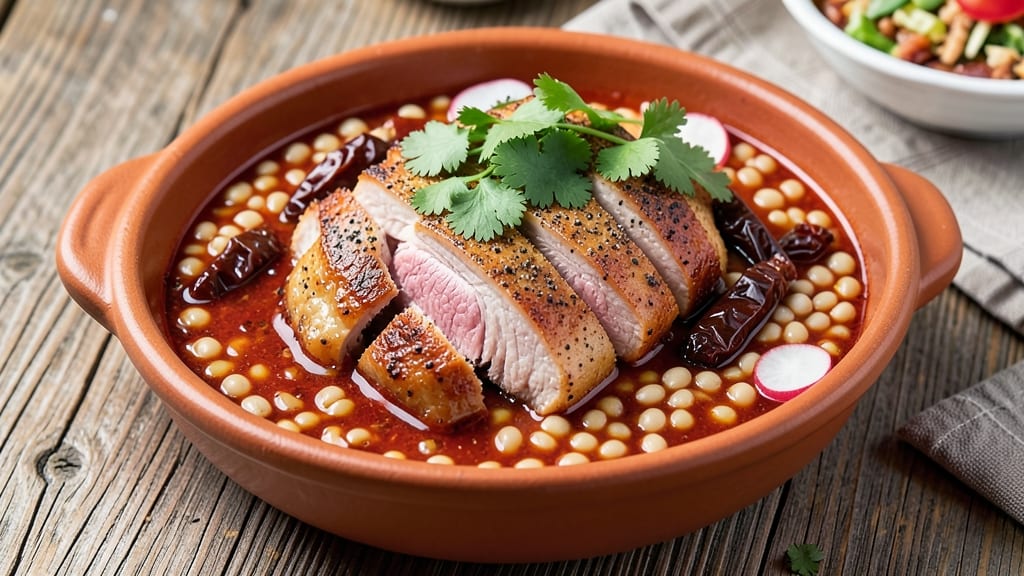
This Mexican pork posole recipe brings the heart of Mexican comfort food to your kitchen with its rich, spice-infused broth and tender pork. Growing up in Georgia, I learned how pork transforms into something extraordinary when slow-braised with hominy and aromatic spices—this is that dish, perfected over years of testing.
The secret lies in the balance of chiles, cumin, and oregano simmered until the pork practically falls apart, creating a broth so flavorful it tastes like home.
The hominy, a staple in traditional posole, adds a satisfying chew and earthy sweetness that pairs beautifully with the smoky pork.
What makes this recipe special is the layered approach: first building the spice base, then braising the pork until tender, and finally incorporating the hominy to absorb all those deep, complex flavors.
It's a method I've refined while cooking for crowds at Atlanta's Smoky Pig, ensuring every bite delivers that perfect harmony of textures and spice.
By the time you serve this dish, you'll have a steaming pot of posole with tender pork chunks swimming in a fragrant broth, topped with crisp radishes, fresh cilantro, and a squeeze of lime.
The contrast of cool toppings against the warm, spicy broth creates an experience that's both comforting and exciting—exactly what makes posole a favorite at family gatherings and celebrations. The best part? It tastes even better the next day, making it perfect for meal prep or feeding a hungry crowd.
Whether you're serving this for a special occasion or a casual weeknight dinner, the key is in the technique: low and slow simmering to develop the flavors, proper seasoning to balance heat and depth, and fresh toppings to add brightness.
This is the kind of dish that builds connections—around the table and through generations. Let's make it together.
Ingredients for mexican pork posole
Pork that falls apart, hominy with earthy chew, and chiles that sing with smoky depth—this is your posole lineup.
| Ingredient | Amount | Notes |
|---|---|---|
| Pork Shoulder 🍖 | 3 lb | Bone-in for best flavor, cut into 2-inch chunks |
| Dried White Hominy 🌽 | 2 cups | Soaked overnight in water, drained |
| Dried Ancho Chiles 🌶️ | 3 whole | Stems/seeds removed, toasted lightly |
| Dried Guajillo Chiles 🌶️ | 2 whole | Stems/seeds removed, toasted lightly |
| Ground Cumin 🌿 | 2 tbsp | Toasted for deeper aroma |
| Mexican Oregano 🍃 | 1 tbsp | Dried, not regular oregano |
| Garlic Cloves 🧄 | 6 cloves | Peeled, slightly crushed |
| Onion 🧅 | 1 whole | Yellow or white, chopped |
| Tomato Paste 🍅 | ½ cup | High-quality, not powdered |
| Chicken Broth 💧 | 4 cups | Low-sodium preferred |
| Bay Leaves 🌿 | 2 whole | Fresh, for subtle depth |
| Salt 🧂 | 1 ½ tsp | Kosher or sea salt |
| Black Peppercorns 🌶️ | ½ tsp | Freshly cracked |
| Fresh Cilantro 🌿 | ½ cup | Chopped, for garnish |
| Radishes 🥕 | 1 cup | Thinly sliced, for crunch |
| Lime 🍋 | 1 whole | Juiced, for brightness |
| Avocado Oil 🫒 | 2 tbsp | High smoke point for searing |
The pork shoulder is non-negotiable here. Look for bone-in cuts at Whole Foods or your local butcher—they add depth to the broth. If you can't find bone-in, bone-in pork butt works too. The hominy? Bob's Red Mill dried hominy is my go-to, but any dried variety will do. Just remember: soak it overnight or it'll stay rock-hard. For the chiles, La Tienda or Latin markets have the best selection—avoid the sad little packets at regular grocery stores. Toast them lightly until fragrant, then soak in hot water to soften.
No ancho or guajillo? Pasilla chiles work in a pinch, but they're more bitter. Short on cumin? Mexican oregano carries the earthy notes, so don't skip it. The tomato paste can be the squeeze-tube kind from Trader Joe's—no waste, and it's perfect for this. For the garlic, I always toast the whole cloves in the oil first—game-changer for flavor. The onion? Yellow or white, but red adds sweetness if you're feeling fancy. And if you're making a big batch, double the broth—it's the soul of this dish.
This tastes even better the next day, so make extra. Store the broth and pork separately in the fridge for up to 5 days, or freeze for 3 months. The hominy keeps for 1 week in its soaking water. For the toppings, keep cilantro and radishes in airtight containers with paper towels—they wilt fast. Lime juice? Freeze the halves whole, then juice as needed. The avocado oil? Keeps 1 year in a cool, dark place—use it for everything once you open it.
Why You'll Love This Recipe
- One-Pot Magic: I swear by this recipe because it’s basically a dump-and-simmer situation. Toss the pork shoulder, hominy, and chiles into one pot, add water, and let it work its flavor while you do anything else—no stirring, no hovering, no stress.
- Deep, Smoky Soul: The combo of ancho and guajillo chiles—soaked and blended—gives this posole that rich, smoky depth that tastes like a hug from a Mexican abuela. And the cumin? It’s the secret weapon that ties everything together like a warm, spiced blanket.
- Weeknight Crowd-Feeder: Between us, this is my go-to when friends drop by unannounced or the kids bring home their entire soccer team. The hominy soaks up all the flavor, and the pork falls apart so easily—no one leaves hungry, and I don’t spend all night cooking.
- Budget-Friendly Leftovers: Pork shoulder is cheap, and this recipe stretches for days. Honestly, the second day is even better—more tender, more flavorful—because the broth gets richer. I freeze portions too, so I’ve got a ready-to-heat meal when I’m too tired to think.
Step-by-step instructions for Mexican pork posole
Here's how to build this hearty, smoky posole with tender pork and hominy—every step packed with deep flavor.
Sear the Pork Shoulder for Rich Depth
Pat the 3 lb pork shoulder dry with paper towels—this ensures a perfect crust. Heat the 2 tbsp avocado oil in a heavy Dutch oven over medium-high heat until shimmering. Add the pork in a single layer and sear for 8-10 minutes, turning occasionally, until all sides develop a deep golden-brown crust. You're locking in those caramelized flavors that'll infuse the broth later.
Once browned, remove the pork and set it aside on a plate. Don't drain the fat—this golden pool is where all the magic happens. The rendered fat will create a rich foundation for your posole base. If the fat gets too dark, reduce heat slightly to prevent burning.
Toast the Chiles and Build the Spice Base
In the same Dutch oven, add the 3 whole dried ancho chiles and 2 whole dried guajillo chiles (stems and seeds removed). Toast them over medium heat for 30 seconds per side until fragrant—you'll smell that deep, smoky aroma. Immediately transfer them to a bowl and cover with hot water to soften while you work.
Add the chopped 1 whole onion to the pot and cook for 5 minutes until softened. Stir in the 6 cloves peeled garlic, 2 tbsp ground cumin, 1 tbsp Mexican oregano, and 0.5 cup tomato paste. Cook for 3-4 minutes until the raw garlic smell disappears and the spices are fragrant. This aromatic base is the soul of your posole.
Simmer the Pork and Hominy Together
Return the seared pork shoulder to the pot. Pour in the 4 cups chicken broth, add the 2 whole bay leaves, and bring to a boil. Once boiling, reduce heat to low, cover partially, and simmer for 1 hour. This initial simmer helps break down the pork's connective tissue.
After 1 hour, add the drained 2 cups dried white hominy and the soaked chiles (with their soaking liquid). Stir gently, then return to a simmer. Cook uncovered for 2-2.5 hours until the pork is fork-tender and falls apart easily. The hominy should be tender but still hold its shape—this is where patience pays off for that perfect posole texture.
Season and Finish the Broth
Remove the pork from the broth and shred it using two forks directly in the pot. Discard the bay leaves. Return the shredded pork to the pot and stir in the 1.5 tsp salt and 0.5 tsp freshly cracked black peppercorns. Taste the broth—it should be rich and flavorful but not overly salty. Adjust seasoning if needed, remembering that the toppings will add brightness.
Simmer uncovered for another 15-20 minutes to let the flavors meld. The broth should have reduced slightly, concentrating those deep, smoky notes. Here's the thing—don't rush this step. The longer it simmers, the more complex the flavors become. This is where home-style posole transforms into restaurant-quality.
Serve with Fresh Toppings
Ladle the posole into bowls and top immediately with the chopped 0.5 cup fresh cilantro, thinly sliced 1 cup radishes, and juice from the 1 whole lime. The radishes add a crisp contrast to the tender pork and hominy, while the lime brightens everything up. Serve with warm corn tortillas or crusty bread to soak up every last drop of that flavorful broth.
This posole tastes even better the next day as the flavors continue to develop. The secret? The combination of toasted chiles, slow-cooked pork, and hominy creates a dish that's comforting yet exciting—perfect for any gathering. Each bite delivers layers of smoky, spicy, and savory all at once.
Pro Tips For Making Mexican Pork Posole
- SEAR THE PORK HARD: Slap that pork shoulder in a screaming-hot pot for 5-7 minutes per side until it’s deep brown, not just pink. I used to rush this, and the broth stayed bland—now it’s rich and layered with flavor from the Maillard reaction. (Yes, even if you’re impatient like me.)
- STEAM THE HOMINY: Toss dried hominy in boiling water for 15 minutes before adding it to the pot—this cuts cooking time in half and keeps it from turning mushy. I learned this the hard way after serving gritty hominy to guests who looked at me like I’d committed a crime.
- REMOVE CHILE SEEDS: Stem, deseed, and tear ancho and guajillo chiles before toasting—skip this, and you’ll get a bitter, sandy broth. I was skeptical until I tried it: the sauce went from harsh to velvety smooth overnight.
- LET THE PORK REST: Pull the pork at 195°F (not 203°F) and let it rest under foil for 20 minutes before shredding. This guarantees tender, pull-apart meat, not dry shreds. (Your future self will thank you—trust me.)
Regional styles of this mexican pork posole
Northern Mexico Style
In the northern regions like Chihuahua and Durango, posole often features pork shoulder cooked with hominy and a bold blend of dried chiles like ancho and guajillo. The key difference here is the use of white hominy instead of the red variety, creating a lighter, more delicate broth.
I remember my first time making this version in a small adobe kitchen in Chihuahua—cooking it in a cast-iron caldero over an open flame for hours until the pork was so tender it melted in your mouth.
The dish is traditionally served with warm corn tortillas and a side of pickled red onions for a tangy kick. 🌶️
For an authentic northern touch, add 1 tsp of ground cloves to the spice base—it deepens the earthy notes and balances the heat.
The locals also love to finish their posole with a sprinkle of queso fresco and a drizzle of crema, which adds a creamy contrast to the smoky broth. If you're feeling adventurous, try serving it with charro beans on the side for extra heartiness.
Central Mexico Tradition
In central Mexico, particularly in states like Jalisco and Guanajuato, posole is often made with pork ribs instead of shoulder, giving it a richer, meatier texture. The broth here tends to be thicker and more robust, with a stronger emphasis on toasted spices like cumin and oregano.
I’ve made this version countless times at family gatherings in Atlanta, where we’d slow-cook the ribs for 4-5 hours to render all that fat and collagen into the broth. The result? A dish that’s practically dripping with flavor. 💛
Central Mexican posole often includes dried pasilla chiles in the spice blend, which adds a deeper, slightly bitter note. Another signature touch is the use of epazote, a herb that adds a unique, slightly bitter aroma.
If you can’t find epazote, a pinch of dried thyme works in a pinch. Serve this version with warm flour tortillas and a side of refried beans for the full experience.
Oaxacan Twist
Oaxaca takes posole to another level by incorporating mole into the broth, creating a dish that’s rich, complex, and deeply flavorful.
The Oaxacan version often uses pork ribs or shoulder and simmers the meat with hominy, chiles, and a blend of spices that includes cinnamon, cloves, and even a touch of chocolate.
I first tried this version at a market in Oaxaca City, and it completely changed how I thought about posole. The chocolate might sound unusual, but it rounds out the heat and adds a subtle sweetness that’s absolutely magical. 🌟
For an Oaxacan-inspired posole, add 1 tbsp of unsweetened chocolate (like Abuelita or Ibarra) to the spice base while toasting the chiles. You’ll also find corn tortillas and avocado slices as common toppings.
If you’re serving this for a crowd, consider making a small batch of Oaxacan mole separately and stirring a spoonful into each bowl—it’s worth the extra effort!
Modern Fusion Adaptations
While traditional posole is a staple, modern chefs—including myself—love to put a contemporary spin on it. One of my favorite adaptations is adding smoked paprika and a splash of beer to the broth for a deeper, slightly malty flavor.
I’ve also experimented with shredded chicken alongside the pork for a lighter yet still hearty option. The key is to keep the hominy and chiles as the foundation—without them, it’s not posole. 🔥
For a fusion twist, try adding pickled jalapeños or quick-pickled red onions to the toppings. You can also swap out the radishes for thinly sliced mango or avocado for a sweet and creamy contrast.
If you’re feeling bold, serve it with crispy tortilla chips on the side for scooping up every last bit of that flavorful broth. This version is perfect for modern palates while still honoring the dish’s roots.
Nutrition facts
Frequently asked questions
Can I substitute chicken or beef for the pork?
While pork is traditional, you can absolutely use chicken or beef! For chicken, use 3 lbs of bone-in thighs (they stay juicier than breasts) and reduce simmering time to 45-60 minutes. Beef works best with chuck roast—cut into chunks and simmer for 2.5-3 hours until tender. The key is choosing fatty cuts that stay moist during long cooking. Just remember, pork's natural fat renders beautifully into the broth, creating that signature richness.
How do I make this recipe vegetarian?
For a vegetarian posole, replace the pork with 3 lbs of extra-firm tofu (pressed and cubed) or chickpeas. Use 4 cups vegetable broth and add 1 tbsp soy sauce to the spice base for depth. The hominy remains essential—it's the heart of the dish. Boost umami with 1 tsp mushroom powder or 1 tbsp nutritional yeast if you're missing the meaty flavor. Garnish with avocado and extra lime to keep it vibrant.
What's the best way to reheat leftovers?
Reheat posole gently to preserve texture. In a pot, warm over low heat with 2 tbsp broth or water for 10-15 minutes, stirring occasionally. For microwave reheating, cover with a damp paper towel and heat in 1-minute intervals, stirring between each. Never reheat uncovered—it can make the hominy gummy. The broth will thicken slightly when cold, so add a splash of water or broth when reheating if needed.
Can I make this in an Instant Pot?
Yes! Sear the pork first in a skillet, then transfer to the Instant Pot. Add all ingredients except hominy, and cook on high pressure for 45 minutes. Quick-release pressure, then add hominy and cook on low heat for 15 minutes. The Instant Pot version cooks faster but may need extra seasoning since pressure cooking can mute flavors. Always taste and adjust salt/lime after cooking.
Why does my posole taste bland?
Bland posole usually means one of three things: under-seasoned broth, insufficient simmering time, or missing acidity. First, check your salt—posole should taste rich and slightly salty. Add 1 tsp salt per cup of broth if needed. Second, simmer uncovered for 10-15 extra minutes to concentrate flavors. Finally, finish with lime juice—this brightens everything. Pro tip: Toast your spices longer (up to 2 minutes) to deepen their flavor before adding to the pot.