
Main Courses
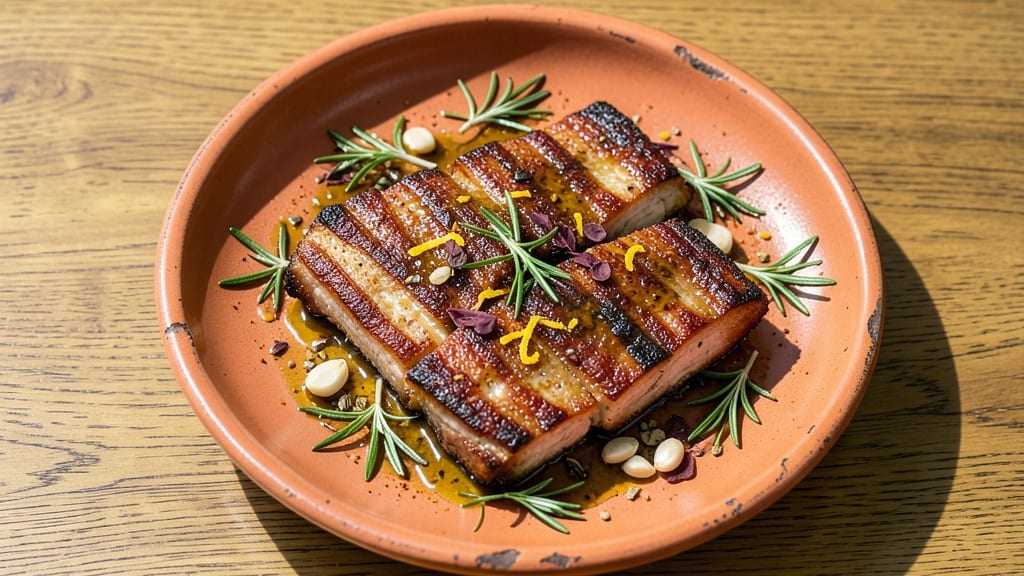
Mediterranean pork ribs transform a simple weeknight dinner into a restaurant-worthy feast with just a few key ingredients and techniques I've perfected over years of pitmaster competitions. The marriage of herby marinade and smoky citrus glaze creates a balance of flavors that's both comforting and sophisticated—something I first discovered while cooking for my team during the Southeast BBQ circuit.
What sets these ribs apart is the two-stage cooking process: an overnight herb marinade that tenderizes the meat while infusing it with Mediterranean brightness, followed by a high-heat roast that develops a crisp exterior and caramelized edges.
The secret weapon? A blend of rosemary, garlic, and lemon that cuts through the richness of the pork while building complex layers of flavor.
By the time you're done, you'll have ribs that are tender enough to pull apart with your fingers yet crisp enough to stand up to a fresh salad or roasted vegetables.
The smoky citrus glaze adds a bright, tangy finish that keeps every bite exciting. This is the kind of dish that makes people ask for seconds—and then ask for the recipe.
Serve with a simple Greek salad or warm couscous to complete the Mediterranean experience. The technique is straightforward, but the results are anything but ordinary. Let's get started on these ribs that'll have your dinner guests raving for days.
Ingredients for mediterranean pork ribs
Herb-forward marinade meets smoky citrus glaze for ribs that balance tender richness with vibrant brightness.
| Ingredient | Amount | Notes |
|---|---|---|
| Pork Ribs (Baby Back) 🍖 | 2 ½ lb | Bone-in, meaty sections preferred |
| Fresh Rosemary 🌿 | ¼ cup | Finely chopped, stems removed |
| Garlic Cloves 🧄 | 8 cloves | Minced, fresh preferred |
| Lemon Zest 🍋 | 1 tbsp | From 1 large organic lemon |
| Extra-Virgin Olive Oil 🫒 | ½ cup | High-quality, fruity variety |
| Dried Oregano 🍃 | 1 tbsp | Mediterranean blend preferred |
| Honey 🍯 | 2 tbsp | Wildflower preferred for depth |
| Red Wine Vinegar 🍷 | 2 tbsp | Dry variety for tang |
| Smoked Paprika 🌶️ | 1 tbsp | Spanish pimentón preferred |
| Kosher Salt 🧂 | 1 ½ tbsp | Diamond Crystal preferred |
| Black Peppercorns 🌶️ | 1 tsp | Freshly cracked preferred |
| Orange Juice 🍊 | ½ cup | Freshly squeezed, no pulp |
| Fresh Thyme Leaves 🌿 | ⅛ cup | Finely chopped, stems removed |
| Brown Sugar 🍬 | 1 tbsp | Light or dark preferred |
The ribs should be baby back cuts—meaty and tender, not too bony. Costco or Whole Foods carry excellent quality, but any reputable butcher will do. Look for ribs with good marbling—the fat between the muscles ensures juiciness. For the rosemary, I always grab organic from the grocery store's fresh section (the good stuff, not the pre-bundled kind). Fresh garlic and lemon are non-negotiable here—they're the backbone of that Mediterranean brightness. If you're short on time, you can use garlic powder at half the amount, but fresh minced garlic is worth the 30 seconds it takes to peel and chop.
No fresh rosemary? Dried works at one-third the amount, but it won't have the same depth. Running out of red wine vinegar? Balsamic vinegar is a fine swap, though it's slightly sweeter. For the citrus glaze, if you can't find organic lemons, conventional is fine—just scrub the peel well. The smoked paprika is where you can get fancy: Penzeys or La Boîte brands have incredible depth. For the honey, avoid the cheap grocery store variety—local wildflower honey makes all the difference. If you're making this ahead, prep the marinade the night before and let the ribs soak for at least 6 hours (overnight is ideal).
Marinated ribs keep 3-4 days in the fridge, but the flavor only gets better with time. For the glaze, make it fresh day-of—it's just 5 minutes of simmering. Store leftovers in an airtight container with a paper towel pressed on top to absorb any moisture. These ribs reheat beautifully—400°F for 15-20 minutes until crispy again. I always make extra glaze to drizzle over the top before serving—it's that final bright, tangy punch that makes people go back for seconds.
Why You'll Love This Recipe
- One-Pan Magic: I swear by this recipe when I don’t want to deal with multiple dishes. Just the ribs, a few sprigs of rosemary, and garlic—tossed in olive oil—on one sheet pan. Honestly, the cleanup is so minimal it feels like cheating.
- Bright & Herby: That lemon zest and fresh rosemary combo? It’s the secret weapon. The garlic caramelizes just enough to give these ribs a sweet, savory depth, while the lemon keeps it from getting too heavy. (Yes, even on a Tuesday night.)
- Leftovers Reinvented: I make a double batch because the ribs reheat like a dream—crispy edges stay intact, and the flavors only get better. Toss them in a salad the next day or serve with crusty bread for a no-fuss lunch. My kids ask for them more than pizza.
- Budget-Friendly Feast: Baby back ribs are pricier, but this recipe stretches them further than you’d think. The olive oil and herbs make every bite taste like a fancy dinner, not a splurge. Plus, the prep costs next to nothing—just garlic, rosemary, and a lemon from my counter.
Step-by-step instructions for Mediterranean pork ribs
Here's how to transform simple pork ribs into a restaurant-worthy dish with fragrant herbs and a tangy-sweet glaze.
Marinate the Ribs Overnight for Maximum Flavor
In a large bowl, combine the 0.5 cup extra-virgin olive oil, 0.25 cup finely chopped fresh rosemary, 8 cloves minced garlic, 1 tbsp lemon zest, 1 tbsp dried oregano, 1 tbsp smoked paprika, 1.5 tbsp kosher salt, and 1 tsp freshly cracked black peppercorns. Whisk until the salt and spices dissolve completely into the oil.
Place the 2.5 lb pork ribs (baby back) in a large resealable plastic bag and pour the marinade over them. Seal the bag tightly, massaging the marinade into every crevice of the ribs. Place the bag in the refrigerator and marinate for at least 12 hours or up to 24 hours. This long marinating time ensures the ribs absorb all the Mediterranean flavors and become tender and aromatic.
Build the Citrus Glaze with Honey and Vinegar
In a small saucepan, combine the 0.5 cup orange juice, 2 tbsp honey, 2 tbsp red wine vinegar, 1 tbsp brown sugar, and 0.125 cup finely chopped fresh thyme leaves. Bring the mixture to a gentle simmer over medium heat and cook for 8-10 minutes, stirring occasionally, until the liquid reduces by about half and becomes syrupy.
The glaze should coat the back of a spoon and have a thick, glossy consistency. Remove the pan from heat and let it cool for 10 minutes while you prepare the grill or oven. This citrus glaze will caramelize beautifully on the ribs, adding a perfect balance of sweetness and tang that complements the herby marinade.
Cook the Ribs to Crispy Perfection
Preheat your grill to medium-high heat (about 375°F) or preheat your oven to 400°F. Remove the ribs from the marinade (reserve the marinade for basting) and pat them dry with paper towels. This step is crucial for achieving crispy edges.
Place the ribs on the grill, bone-side down, and cook for 15-20 minutes without moving them. This allows a deep caramelization to form on the meaty side. Flip the ribs and brush them with the reserved marinade. Continue grilling for another 10-15 minutes, basting with marinade every 5 minutes, until the ribs reach an internal temperature of 195-203°F and develop a beautiful char.
Finish with the Citrus Glaze for a Sticky, Glossy Coat
Transfer the ribs to a serving platter. Brush them generously with the citrus glaze, allowing it to pool and caramelize on the surface. Return the ribs to the grill (or place them back in the oven) for 2-3 minutes to set the glaze and create a sticky, glossy finish.
Let the ribs rest for 5 minutes before serving. This resting period allows the juices to redistribute, ensuring each bite is succulent. Serve the ribs with the remaining glaze drizzled over the top and garnished with extra fresh thyme leaves. The combination of crispy edges, tender meat, and sweet-tangy glaze makes these ribs unforgettable.
Pro Tips For Making Mediterranean Pork Ribs
- CRACK THE RIB BONES FIRST: I learned this the hard way—skipping the bone-cracking step means the ribs won’t open up properly, leaving you with a dry, uneven cook. Use kitchen shears to snap the membrane along the bone line before seasoning; it’s tedious but guarantees even cooking and better flavor penetration.
- ROAST GARLIC UNTIL SOFT: Fresh garlic cloves straight from the bulb taste bland in this dish. Toss peeled cloves in olive oil, wrap in foil, and roast at 400°F (200°C) for 20 minutes before mincing—it sweetens them and makes the whole dish sing. (Yes, even if you’re impatient like me.)
- DON’T SKIP THE LEMON ZEST: The zest is what cuts through the richness of the pork and rosemary. Use a fine grater and scrape only the yellow part—no white pith, or it’ll turn bitter. Sprinkle it after searing but before baking so it blooms with the heat.
- SAVE TIME WITH A COLD START: Resist the urge to jump straight into high heat. Pat the ribs dry, then refrigerate them uncovered for 30 minutes before cooking. The cold surface tightens the meat, helping the crust form faster and more evenly when you finally hit the grill or oven. (Your future self will thank you.)
Storing and reheating this recipe
Fridge Storage Tips
Marinated ribs keep beautifully in the fridge for up to 4 days when stored in an airtight container—I use glass Pyrex with snap-on lids for airtight seals. The flavors actually deepen as the spices meld, so don't hesitate to prep ahead.
Always store the ribs with the marinade to maintain moisture. Place a paper towel on top to absorb any excess liquid and prevent sogginess. 🧊
Freezer Prep Guide
For longer storage, freeze marinated ribs for up to 3 months in quart-sized freezer bags—leave 1 inch of headspace for expansion. I double-bag them for extra protection against freezer burn. When ready to cook, thaw in the fridge overnight for even cooking.
Pro tip: Label bags with the date to track freshness. Never refreeze thawed ribs—cook them fresh from frozen at 325°F for 20-25 minutes longer than usual.
Reheating for Crispy Results
These ribs reheat best in the oven to restore that crispy exterior. Preheat to 400°F, place ribs on a wire rack over a baking sheet, and cook for 15-20 minutes until internal temp hits 165°F.
Brush with extra glaze during the last 2 minutes for a glossy finish. For speed, use the broiler on high for 3-4 minutes—just watch closely to avoid burning. 🔥
Glaze Refresh Trick
If the glaze looks thickened after storage, revive it by simmering for 2-3 minutes with 1 tbsp water or orange juice. Strain out thyme leaves if needed, then brush generously over reheated ribs.
I always make double the glaze when prepping ahead—it's perfect for drizzling over the final plate or as a sauce for dipping. Store extra glaze in a small airtight jar in the fridge for up to 1 week.
Make-Ahead Glaze
Make the citrus glaze 2 days ahead and store it in the fridge. The flavors intensify as it sits, and it reheats beautifully. When ready to use, warm it gently on the stovetop for 1-2 minutes until it reaches a pourable consistency.
This is my go-to strategy for busy weeknights—I prep everything the night before and just reheat when company arrives. The secret to success is keeping the glaze separate from the ribs until the final cooking stage. ✨
Nutrition facts
Frequently asked questions
Can I use spare ribs instead of baby back ribs?
While baby back ribs are more tender, spare ribs (St. Louis-style) work beautifully with this recipe. The key difference is cooking time—spare ribs need about 10-15 minutes longer to reach tenderness. Just monitor the internal temperature and aim for 195-203°F regardless of cut. The Mediterranean marinade works equally well on both.
How do I adjust this recipe for a smoker?
For a smoker, cook the ribs at 225°F with indirect heat until they reach 195°F internally (about 3-4 hours). Spritz with apple juice every 45 minutes to keep them moist. Finish with the citrus glaze at the end—just brush it on during the last 15 minutes at 275°F to caramelize properly.
What if I don't have fresh rosemary?
Use 1 tablespoon dried rosemary instead, but reduce the amount by one-third since dried herbs are more concentrated. For best results, crush the dried rosemary between your palms to release the oils. The flavor won't be identical, but it'll still deliver that Mediterranean herbal depth.
Can I make this recipe in an Instant Pot?
Not ideal for crispy results, but you can adapt it! Cook ribs on high pressure for 45 minutes with 1 cup water, then broil for 5 minutes to crisp. The glaze should be added after pressure cooking. Expect ribs to be tender but less caramelized than with grilling or oven methods.
How do I know when the ribs are done?
Use the fork test: Gently insert a fork between the bones—if it slides in with minimal resistance, they're ready. The internal temperature should read 195-203°F in the thickest part. For extra assurance, check the "wobble" test: Lift a rib—if it moves freely, it's done!