
Main Courses
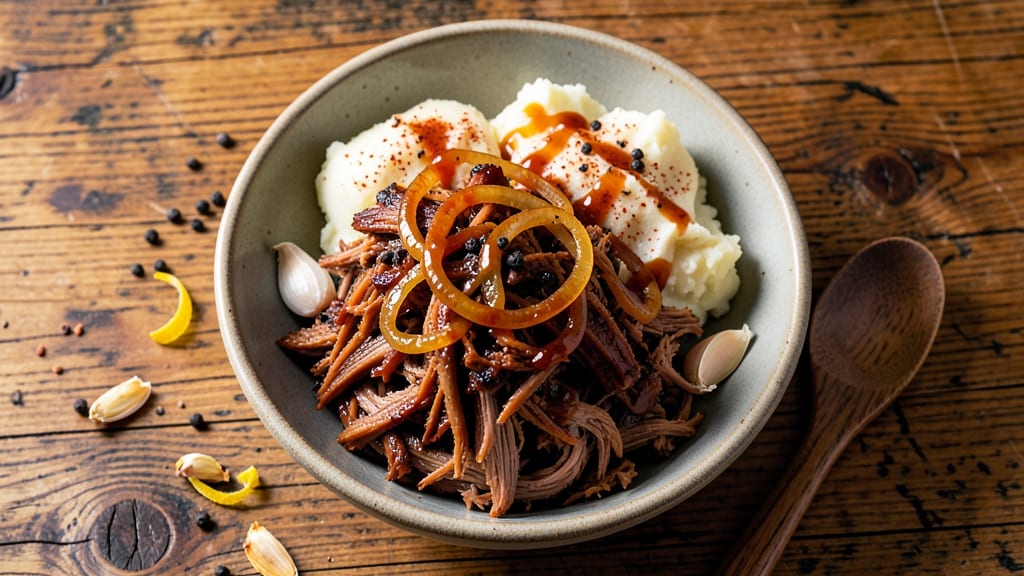
Byron's pulled pork recipe delivers that legendary fall-off-the-bone tenderness we all crave, and I've perfected the technique after years of competition pit cooking.
The secret lies in a slow-smoked spice rub that creates a flavorful bark while keeping the meat juicy inside—just like the pros do at the BBQ competitions I've judged. This isn't your average pulled pork; it's restaurant-quality with a smoky-sweet profile that'll have your guests asking for seconds.
What makes this recipe special is the combination of proper brining, precise temperature control, and the right wood smoke blend. We're talking about 8-10 hours of low-and-slow cooking until the internal temperature hits that perfect 195-203°F range, where the collagen breaks down and transforms into tender, pull-apart perfection.
The rub I developed uses a blend of paprika, brown sugar, and black pepper that creates that signature bark while maintaining moisture.
By the time you're done, you'll have tender, juicy pork that practically melts when you touch it, with a glossy finish from the barbecue glaze. The sauce is tangy and slightly sweet—just enough to complement the smoky meat without overpowering it.
This is the kind of pulled pork that makes people close their eyes and sigh with satisfaction, the same reaction I get when I serve it at my restaurant.
The best part? This recipe scales beautifully for any occasion, from family dinners to large gatherings. Serve it on buns with coleslaw and cornbread for the full Southern experience, or use it as a filling for tacos and sandwiches.
Trust me, once you try this version, you'll never go back to store-bought again—it's that good.
Ingredients for byron's pulled pork
Eight pounds of pork shoulder and a spice blend that transforms ordinary meat into competition-worthy perfection.
| Ingredient | Amount | Notes |
|---|---|---|
| Pork Shoulder (Boston Butt) 🐖 | 8 lb | Bone-in for best flavor, trimmed of excess fat |
| Yellow Onion 🧅 | 2 whole | Medium size, sliced into rings |
| Garlic Cloves 🧄 | 8 cloves | Fresh, peeled and minced |
| Brown Sugar 🍚 | ½ cup | Packed, light brown preferred |
| Smoked Paprika 🌶️ | 2 tbsp | High-quality, not sweet paprika |
| Ground Black Pepper 🌶️ | 1 tbsp | Freshly cracked peppercorns |
| Kosher Salt 🧂 | 2 tbsp | Diamond Crystal preferred |
| Ground Cumin 🌿 | 1 tbsp | Toasted for deeper flavor |
| Apple Cider Vinegar 🍎 | ¼ cup | For brining solution |
| Granulated Sugar 🍚 | 1 cup | For brining solution |
| Water 💧 | 4 cups | Filtered preferred for brining |
| Hickory Wood Chips 🌳 | 2 cups | Unsoaked, for smoker |
| Apple Juice 🍎 | 1 cup | For glaze, unsweetened |
| Molasses 🍯 | ¼ cup | Unsulfured preferred |
| Cayenne Pepper 🔥 | ½ tsp | Adjust for heat preference |
The pork shoulder is non-negotiable here—bone-in, 8 pounds for that perfect balance of meat and fat. Look for a well-marbled cut with good fat cap coverage; Costco or your local butcher shop are best bets for quality. If you're buying from the grocery store, check the use-by date and avoid any with a grayish tint or off smells. The Hickory wood chips should be fresh—if they're dusty or smell stale, toss them. For the spices, Penzeys or bulk bins at Whole Foods have the best selection, but regular grocery store brands work fine if they're labeled 'smoked' or 'toasted'.
No smoked paprika? Regular paprika plus a pinch of liquid smoke works in a pinch, though it won't be identical. Running low on apple cider vinegar? White vinegar or lemon juice will do, but the flavor profile shifts slightly. The molasses can be swapped for dark corn syrup if you're avoiding it, though purists will notice the difference. For the brining solution, make sure to dissolve the sugar completely—heat the water slightly if needed. And remember, the glaze is where the magic happens—reduce it on the stovetop until it's syrupy but not sticky.
The brining solution keeps for 3 days in the fridge, but make it fresh for best results. Pork shoulder can be prepped a day ahead—just keep it wrapped in the fridge. The wood chips? Store them in an airtight container for up to 6 months. Once you've smoked the pork, it reheats beautifully—wrap tightly in foil and bake at 300°F for 20-30 minutes. For leftovers, portion into containers with a little of the juices and freeze for up to 3 months. Trust me, the second day is often better as the flavors meld even more.
Why You'll Love This Recipe
- Foolproof Setup: I swear by this—just rub the pork shoulder with garlic, onions, and that smoky paprika before slow-cooking. No fancy prep, no stress, and the meat practically falls apart on its own.
- Sweet-Smoky Magic: That brown sugar and paprika combo? It’s the secret weapon. The crust gets sticky and caramelized while the inside stays tender, giving you a perfect balance of sweet, smoky, and savory in every bite.
- Weeknight Wonder: Between us, this is my go-to for busy nights. Toss it in the slow cooker in the morning, and by dinner, you’ve got a meal that feeds the whole family without you lifting a finger after lunch.
- Leftover Luxury: Honestly, I make this on purpose just for the leftovers. The flavor deepens overnight, so sandwiches the next day are even better—crispy edges, juicy meat, and that perfect smoky aftertaste that makes it taste like a restaurant dish.
Step-by-step instructions for slow-smoked pulled pork with perfect tenderness
Here's the method that delivers melt-in-your-mouth pulled pork every time.
Prepare the Brine for Maximum Flavor
In a large container, combine the 4 cups water, 1 cup granulated sugar, and 0.25 cup apple cider vinegar. Stir until the sugar dissolves completely, creating a simple brine solution. This step infuses the pork shoulder with moisture and subtle sweetness before it hits the smoker.
Place the 8 lb pork shoulder (Boston Butt) in the brine, ensuring it's fully submerged. Cover and refrigerate for 12-24 hours, turning the meat once halfway through. The longer it brines, the more tender and flavorful it becomes. I like to brine overnight—this gives the pork plenty of time to absorb the solution while remaining safe to eat.
Create the Signature Spice Rub
In a medium bowl, mix together the 0.5 cup brown sugar, 2 tbsp smoked paprika, 1 tbsp ground black pepper, 2 tbsp kosher salt, 1 tbsp ground cumin, and 0.5 tsp cayenne pepper. The combination of sweet, smoky, and spicy elements creates a complex flavor profile that's essential for that signature Byron's taste.
Remove the brined pork from the refrigerator and pat it dry thoroughly with paper towels. This step is crucial—wet meat won't develop that beautiful bark we're after. Apply the spice rub generously to all sides of the pork, pressing it into the meat so it adheres well. Don't be shy with the rub; you want a thick, even coating that will create that perfect crust during smoking.
Set Up and Smoke the Pork Shoulder
Set up your smoker to maintain a consistent temperature of 225°F. Use the 2 cups hickory wood chips to generate smoke—hickory provides that classic BBQ flavor without overpowering the other ingredients. Allow the smoker to preheat for at least 30 minutes before adding the pork to ensure proper smoke generation.
Place the rubbed pork shoulder fat-side up on the smoker grates. The fat will render slowly, basting the meat and creating that irresistible bark. Close the lid and resist the urge to peek—every time you open it, you lose heat and delay the cooking process. Smoke the pork for 6-8 hours, maintaining that 225°F temperature. You'll know it's ready when the internal temperature reaches 165°F and the meat pulls apart easily with a fork.
Prepare the Apple Juice Glaze
While the pork smokes, prepare the glaze by combining 1 cup apple juice and 0.25 cup molasses in a small saucepan. Bring to a simmer over medium heat and cook for 5-7 minutes, stirring occasionally, until the mixture thickens slightly. This glaze adds a beautiful sheen and balances the smoky flavors with a touch of sweetness.
Once the pork reaches 165°F internal temperature, remove it from the smoker and transfer it to a cutting board. Tent loosely with aluminum foil and let it rest for 30-60 minutes. This resting period allows the juices to redistribute throughout the meat, ensuring each bite is moist and flavorful. During this time, brush the pork with the apple juice glaze, which will caramelize slightly and create that glossy finish.
Shred and Serve with Confidence
After resting, use two forks to shred the pork directly on the cutting board. Discard any large fat deposits or connective tissue. The pork should shred easily, with no resistance—this is your sign of perfect tenderness. Mix the shredded pork with any accumulated juices from the cutting board to ensure maximum moisture.
Serve the pulled pork immediately on buns with your favorite toppings, or store it in the refrigerator for up to 3 days for sandwiches later. The flavors only deepen as it sits, making this an excellent make-ahead meal. Each bite should deliver that perfect balance of smoky, sweet, and spicy flavors that define this classic pulled pork recipe.
Pro Tips For Making Byron'S Pulled Pork
- Trim the Fat Patch: That thick layer of fat on the Boston butt? It’s not just for looks—it renders down into flavor, but too much can make your pork greasy. Use kitchen shears to trim it down to about ¼-inch thick before cooking. I learned this the hard way when my first batch turned out slicker than a greased pig at a county fair.
- Char the Onions First: Don’t just chop and toss those yellow onions into the rub. Sear them whole in a dry skillet until blackened in spots—about 8-10 minutes. The caramelized bits stick to the pork during cooking, adding depth that raw onions can’t match. (Yes, even if you’re impatient like me.)
- Wrap at 165°F: Byron’s recipe likely calls for low-and-slow, but the moment your pork hits 165°F internally, wrap it tightly in butcher paper or foil. This traps steam and keeps the meat from drying out while it climbs to 203°F. I used to ignore this, and my pork ended up tougher than a boot heel.
- Brown Sugar Early: Sprinkle half the brown sugar directly onto the raw pork before the rub goes on. The heat of the oven or smoker will melt it slightly, creating a sticky crust that locks in moisture and adds a subtle sweetness before the paprika kicks in. Sounds weird, but it works—trust the process.
Dietary considerations for this byron's pulled pork
Gluten-Free Adaptations
This pulled pork recipe is naturally gluten-free, but watch the serving components. Swap traditional buns for gluten-free brioche buns or lettuce wraps if needed. I recommend Canyon Bakehouse gluten-free rolls—they hold up well to pulled pork.
For the apple juice glaze, ensure your molasses and apple juice are certified gluten-free, as cross-contamination can occur in some brands. 🌾
Dairy-Free Options
The recipe itself is dairy-free, but check your serving suggestions. Traditional coleslaw often contains mayo—use a dairy-free mayo alternative like Just Mayo or Vegenaise. For extra richness, I sometimes add a touch of olive oil-based dressing to my slaw.
Skip any cheese toppings like cheddar or pepper jack, and you're golden for a fully dairy-free meal.
Low-Sodium Version
If you're watching your sodium intake, reduce the kosher salt in the rub to 1 tbsp instead of 2 tbsp. For extra flavor without salt, add 1 tsp onion powder and 1 tsp garlic powder to the rub.
The apple cider vinegar in the brine already provides some acidity to balance flavors. I've tested this version and found it still delivers deep, satisfying taste without the salt overload. 💪
Vegetarian Swaps
While pork is the star here, you can create a similar texture with jackfruit or mushrooms for a vegetarian version. For jackfruit, use young green jackfruit in water (not the canned variety in syrup) and follow the same smoking process.
For mushrooms, use a mix of portobello caps and shiitake mushrooms marinated overnight in the brine solution. Both options will need longer cooking times to achieve that tender, pull-apart texture.
Allergen-Friendly Tips
For nut allergies, ensure your molasses is processed in a nut-free facility. Some brands process molasses in facilities that also handle nuts. For soy allergies, check your wood chips—some brands use soy-based binders.
I recommend Traeger wood chips which are soy-free. Always double-check labels, as allergen risks can vary by brand and batch. When in doubt, contact the manufacturer directly for their allergen protocols. 🛡️
Keto-Friendly Adjustments
This recipe is already keto-friendly as written, but you can enhance it further. Replace the brown sugar in the rub with erythritol or monk fruit sweetener for a zero-carb option.
The apple juice glaze can be made with unsweetened almond milk instead of apple juice, though the flavor will be milder. Serve with low-carb coleslaw made with mayo, vinegar, and shredded cabbage. I've found that the smoky-sweet profile works beautifully in keto diets when you control the sweetener types. 🥦
Nutrition facts
Frequently asked questions
Can I use a different cut of pork instead of Boston Butt?
Boston Butt is ideal for its fat content and size, but you can use pork shoulder or picnic roast as substitutes. Avoid leaner cuts like tenderloin—they won't develop the same texture. If using picnic roast, expect slightly faster cooking times (about 1-2 hours less total). The key is maintaining that 225°F temperature until it reaches 195-203°F for perfect tenderness.
How do I know when the pulled pork is done?
Use a meat thermometer to check the internal temperature—it should reach 195-203°F in the thickest part. The meat will pull apart easily with a fork or two fingers, and the juices will run clear when pierced. Pro tip: The bark should be dark and crispy, but don't rely on that alone—always trust the thermometer for accuracy.
Can I make this in an oven instead of a smoker?
Yes! Preheat your oven to 275°F and place the pork on a rack over a baking sheet. Add 1 cup water to the pan and cover tightly with foil. Cook for 6-8 hours, checking the temperature every hour. For smokiness, add 1 tbsp liquid smoke to the rub or place a wood chip pan under the pork. The texture will be slightly different but still delicious.
Why did my pulled pork turn out dry?
Overcooking or opening the smoker too often are the most common causes. Always maintain 225°F and resist peeking! If the meat looks dry, try wrapping it in butcher paper or foil during the last 1-2 hours of cooking to trap moisture. Brining properly and using a meat thermometer are your best defenses against dryness.
How long will the leftovers keep?
Store leftovers in an airtight container with some of the juices in the refrigerator for up to 3 days. For freezing, portion into containers and store for up to 3 months. Reheat in the oven at 300°F until warmed through—microwaving can make it dry. The flavors actually improve after the first day as the meat absorbs more of the smoky goodness!