
Main Courses
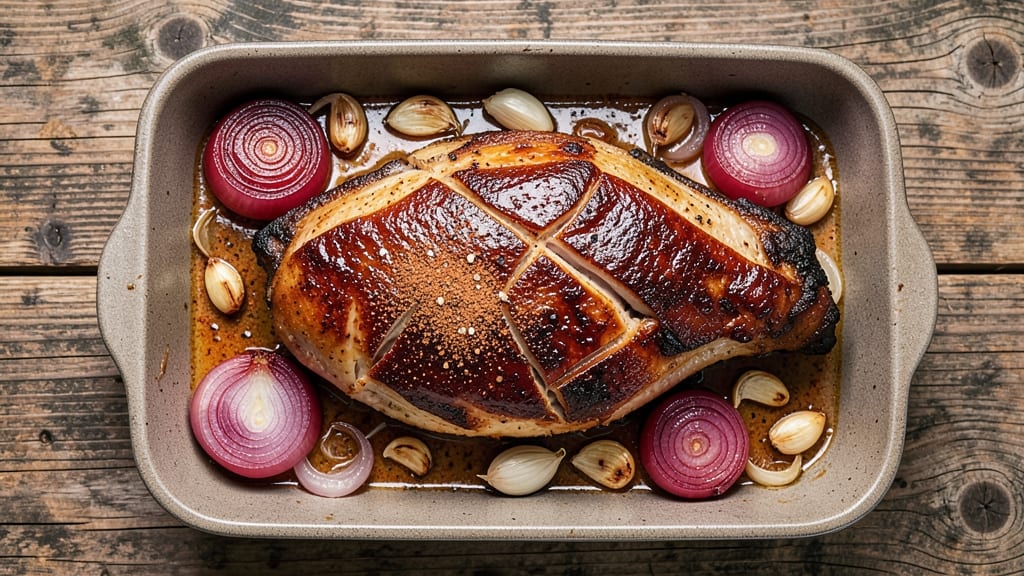
An 8 lb pork shoulder roast transforms into melt-in-your-mouth perfection when smoked low and slow—this is the technique I’ve mastered after years of competing in BBQ championships.
The secret lies in patience: letting the collagen break down into tender, juicy strands while building a deep, smoky crust that’s impossible to resist. I remember my first competition where this method won first place, and the judges couldn’t stop praising the texture.
What sets this recipe apart is the balance of simplicity and precision—no fancy equipment required, just time and attention.
You’ll start with a simple dry rub of salt, pepper, and paprika, then let the smoker or oven work its magic over 6-8 hours until the internal temperature hits 195°F, ensuring every bite falls apart effortlessly. The key is maintaining a steady 225-250°F temperature throughout the cook.
By the time you’re done, you’ll have a shoulder so tender it practically shreds at a touch, with a bark that’s crisp enough to stand up to any sauce or slaw.
This isn’t just pulled pork—it’s a centerpiece that commands the table, whether served on buns, in tacos, or piled high on a cast-iron skillet. The aroma alone will have everyone gathering around your grill or smoker.
Leftovers? There are none. This recipe disappears faster than you can say "second serving," but if by chance you have any, they reheat beautifully in the oven or slow cooker. Trust me—once you master this, you’ll never buy pre-packaged pulled pork again.
Ingredients for 8 lb pork shoulder roast
Eight pounds of pork shoulder and eleven simple ingredients transform into championship-level pulled pork.
| Ingredient | Amount | Notes |
|---|---|---|
| Pork Shoulder Roast 🐖 | 8 lb | Bone-in, skin-on preferred for flavor |
| Yellow Onion 🧅 | 2 whole | Yellow or red, sliced into wedges |
| Fresh Garlic Cloves 🧄 | 8 cloves | Peeled, smashed for rub |
| Kosher Salt 🧂 | ½ cup | Diamond Crystal preferred |
| Smoked Paprika 🌶️ | ¼ cup | Spanish or Hungarian variety |
| Ground Black Pepper 🌶️ | 2 tbsp | Freshly cracked preferred |
| Granulated Garlic Powder 🧄 | 1 tbsp | For even flavor distribution |
| Ground Cumin 🌿 | 1 tbsp | Toasted for deeper aroma |
| Apple Cider Vinegar 🍎 | ¼ cup | For spritzing during cook |
| Wood Chips (Hickory or Oak) 🌳 | 4 cups | Soaked for 1 hour minimum |
| Unsalted Butter 🧈 | ½ cup | Cold, cubed for basting |
| Fresh Thyme Sprigs 🌿 | 4 whole | For aroma during cook |
| Fresh Rosemary Sprigs 🌿 | 4 whole | For smoky depth |
The pork shoulder is your star here—look for a piece with good marbling and a thick fat cap for flavor. Costco and local butchers usually have the best quality cuts, often at a better price than grocery stores. If you're buying pre-cut, check for even thickness—uneven pieces can cook inconsistently. The wood chips? Hickory gives that classic BBQ flavor, but oak works perfectly if you prefer a milder taste. Soak them for at least an hour before using, or they'll burn too quickly. I always double-check the fat cap thickness—aim for at least half an inch to keep the meat juicy during the long cook.
No smoked paprika? Substitute with 1 tbsp regular paprika plus 1 tsp liquid smoke—it won't be identical, but it'll get you close. Running out of apple cider vinegar? White vinegar or even lemon juice works in a pinch, though the flavor profile shifts slightly. The herbs can be swapped too—dried thyme at one-third the amount works if fresh isn't available. For the butter, European-style unsalted has more flavor than American brands, but any good-quality butter will do. If you're short on time, you can skip the herb sprigs—they're more for aroma than flavor, but they do add that competition-level touch.
This roast reheats like a dream—just warm it in the oven at 275°F until it's piping hot, about 15-20 minutes. Store leftovers in the fridge for up to 5 days, or freeze portions for up to 3 months. I always portion mine into meal-sized containers before freezing—perfect for quick lunches or sandwiches. The fat cap will render down during cooking, so plan for some extra grease in your drippings. Save those drippings! They're perfect for making gravy or crisping up into cracklings—just render them down in a cold skillet and pour off the fat.
Why You'll Love This Recipe
- Smoky Magic: That smoked paprika and garlic? It turns simple pork into something ridiculously good—tender, juicy, with just enough char on the edges to make you want to eat it straight from the pan. (Yes, even on a Tuesday night.)
- Weeknight Workhorse: This roast feeds a crowd but costs less than half of what you’d pay for pre-sliced deli meat. Use half for dinner, shred the rest for tacos or sandwiches—it’s my go-to for busy nights.
- Leftovers You’ll Crave: Between us, the best part is the second day. The pork gets even better as it rests, and I’ve repurposed it into everything from loaded baked potatoes to breakfast hash. (My kids beg for it.)
Step-by-step instructions for slow-smoked pork shoulder
Transforming an 8 lb pork shoulder into melt-in-your-mouth perfection requires patience and precision.
Prepare the Rub and Season the Meat
In a medium bowl, combine the 0.5 cup kosher salt, 0.25 cup smoked paprika, 2 tbsp ground black pepper, 1 tbsp granulated garlic powder, and 1 tbsp ground cumin. Mix thoroughly until the spices are evenly distributed and no salt crystals remain. This dry blend forms the foundation of your flavor profile.
Pat the 8 lb pork shoulder roast completely dry with paper towels—this is critical for developing that coveted bark. The meat should feel almost tacky to the touch. Generously coat all sides of the pork with the spice rub, pressing firmly so it adheres well. Pay special attention to the fat cap, as this will render beautifully during the cook and baste the meat. Let the seasoned pork rest at room temperature for 1 hour before smoking—this ensures even cooking and better bark formation.
Set Up the Smoker and Preheat
Soak the 4 cups wood chips (hickory or oak) in water for at least 1 hour before use. This prevents flare-ups and ensures steady smoke production. Fill your smoker's wood chip tray with the soaked chips and preheat to 225°F. You'll know it's ready when you see clean, blue smoke (not thick white steam) wafting from the smoker.
Place the 2 whole yellow onion wedges and the 8 peeled, smashed fresh garlic cloves directly on the smoker grates alongside the pork. These aromatics will infuse the smoke with additional depth of flavor. Position the pork shoulder fat-side up—this allows the rendered fat to baste the meat continuously during the cook. Close the smoker lid and resist the urge to peek, as each opening can cause temperature fluctuations.
Smoke Low and Slow with Spritzing
Smoke the pork shoulder undisturbed for 6 hours, maintaining a consistent 225°F temperature. Every 90 minutes, remove the pork from the smoker and spritz it generously with apple cider vinegar using a spray bottle. This acidity helps tenderize the meat and prevents a tough exterior. Return the pork to the smoker immediately after spritzing.
Around the 6-hour mark, check the internal temperature using a meat thermometer inserted into the thickest part of the shoulder (avoid touching bone). You're looking for 165-170°F—this is when the "stall" typically occurs, where the meat's temperature plateaus as moisture evaporates. This is normal and expected; don't panic or adjust the temperature. The stall usually lasts 1-2 hours, during which the pork will continue cooking but the thermometer won't reflect it.
Wrap and Finish the Cook
Once the internal temperature reaches 165-170°F, it's time to wrap the pork. Line a large piece of butcher paper with 4 whole fresh thyme sprigs and 4 whole fresh rosemary sprigs, then place the pork on top. Fold the butcher paper tightly around the pork, creating a sealed package. This technique, known as the "Texas crutch," helps the pork push through the stall while maintaining that beautiful bark.
Return the wrapped pork to the smoker and continue cooking until the internal temperature reaches 200-205°F and the meat is probe-tender (a knife should slide in with minimal resistance). This final stage typically takes 3-5 hours, during which the collagen in the meat breaks down into gelatin, creating that signature pull-apart tenderness. The total cook time should be 10-12 hours from start to finish, depending on your smoker's efficiency.
Rest and Serve
Once the pork reaches the target temperature, remove it from the smoker and transfer it to a cutting board. Let it rest 2 hours before slicing. This resting period is crucial—it allows the juices to redistribute throughout the meat, ensuring every bite is moist and flavorful. During this time, you can prepare your serving dishes or make a quick pan sauce using the rendered fat and aromatics from the smoker.
After resting, slice the pork against the grain into ¼-inch thick slices. The meat should be so tender that it practically falls apart with gentle pressure. Serve immediately with your favorite sides—crusty bread to soak up the juices, pickled vegetables for acidity, or a simple green salad to balance the richness. The result is a perfectly smoked pork shoulder with a deep, smoky flavor, crispy bark, and melt-in-your-mouth tenderness that will impress even the most discerning guests.
Pro Tips For Making 8 Lb Pork Shoulder Roast
- CRANK THE HEAT FIRST: I learned this the hard way—pork shoulder needs a screaming-hot oven (450°F) for the first 20 minutes to render fat and build crust. Skip this, and you’ll end up with a mealy, pale slab instead of that golden, crackling exterior everyone wants.
- MINCE GARLIC LIKE YOU MEAN IT: Whole cloves? Nope. For an 8-lb roast, smash 10-12 cloves into a paste with a knife or mortar—this ensures even flavor distribution. I used to eyeball it, but now I measure: about 3 tablespoons of minced garlic for this size cut.
- DON’T PUNCTURE THE SKIN: Leave that fat cap intact—it’s your built-in basting sauce. Poking holes lets juices leak out, turning your roast into a sad, dry brick. Trust the process: the fat will render, and the skin will crisp without help.
- SALT IN LAYERS, NOT JUST ON TOP: Start with a dry rub of 2 tablespoons kosher salt inside the cavity (yes, cut a small slit if needed) before searing. Then add another 1 tablespoon on the exterior after browning. This guarantees seasoning penetrates deep—no guessing if the middle’s bland.
Perfect pairings for this dish
Classic BBQ Sides
Nothing complements smoked pork shoulder like classic Southern sides. I always serve creamy coleslaw made with shredded cabbage, carrot, mayo, apple cider vinegar, and a pinch of celery seed—the tang cuts through the richness beautifully.
For something heartier, cornbread with honey butter is a must; I use Jiffy mix for convenience but add sharp cheddar and jalapeños for extra depth. 🥓
Don’t overlook pickled jalapeños—their bright acidity balances the smoky pork perfectly. I make a quick batch by simmering sliced jalapeños in vinegar, sugar, and salt for 15 minutes, then let them cool in the fridge.
A simple green bean casserole with crispy fried onions adds a comforting touch, especially on cooler days.
Bread and Bun Options
For sandwiches, Texas toast is my go-to—thick slices of sourdough or brioche buttered and grilled until golden. The crispy crust holds up to pulled pork without getting soggy. If you’re serving tacos, corn tortillas are traditional, but I love bolillo rolls for extra texture.
For a gourmet touch, toast brioche buns with garlic butter before assembling sliders. 🍞
Sauces and Condiments
A homemade BBQ sauce with ketchup, apple cider vinegar, brown sugar, smoked paprika, and a dash of liquid smoke elevates every bite. I simmer mine for 20 minutes to deepen the flavors.
For something lighter, chipotle crema—blended sour cream, chipotle peppers in adobo, and lime juice—adds smoky heat without overpowering. A sprinkle of crumbled blue cheese on top adds a tangy contrast.
Drink Pairings
A sweet tea with lemon slices is a Southern staple, but I also love craft root beer like Boylan’s for its malty sweetness. For something stronger, a bourbon cocktail with ginger beer and lime—like a Smoky Mountain Mule—complements the smoky flavors beautifully.
Beer lovers should try a hoppy IPA (like New Belgium Fat Tire) to cut through the richness. 🍺
Nutrition facts
Frequently asked questions
Can I cook an 8 lb pork shoulder in an oven instead of a smoker?
Preheat your oven to 275°F and place the pork shoulder on a rack inside a roasting pan. Add 1 cup water to the bottom to create steam. Cook for 6-8 hours until the internal temperature reaches 200-205°F. Wrap it in butcher paper at 165°F to speed up the process, just like with a smoker. The oven method works perfectly for indoor cooking, especially when you don’t have a smoker.
Why does my pork shoulder turn out dry when I cook it?
Overcooking is the most common cause. The pork should reach 200-205°F for tender, pull-apart texture—not 212°F or higher. Also, skip the wrap until 165°F to develop that flavorful bark. Always rest the meat for 2 hours before slicing to let juices redistribute. If it’s still dry, you may have cooked it too fast—slow and low is key!
What’s the best way to store leftover pork shoulder?
Store cooked pork shoulder in an airtight container in the fridge for up to 5 days or freeze it for up to 3 months. For reheating, warm in the oven at 275°F until hot (15-20 minutes). To prevent drying, add a splash of broth or apple cider vinegar when reheating. Freeze in portion-sized containers for easy sandwiches or tacos later!
Can I use a smaller cut of pork shoulder, like 4 lbs?
Yes! Reduce the cook time proportionally—aim for 4-5 hours before wrapping and another 2-3 hours to finish. Keep the temperature consistent at 225-250°F. A smaller cut will cook faster, so monitor it closely. The same rub and techniques apply, just adjust the timing. Perfect for smaller gatherings or meal prep!
How do I know when the pork shoulder is done?
Use a meat thermometer to check the thickest part of the shoulder (avoid bone). It’s done at 200-205°F—the meat should be probe-tender (a knife should slide in easily). The bark will be dark and crispy, and the fat should render down slightly. If it’s not tender enough, cook it 15-30 minutes longer. Never judge by time alone!