
Main Courses
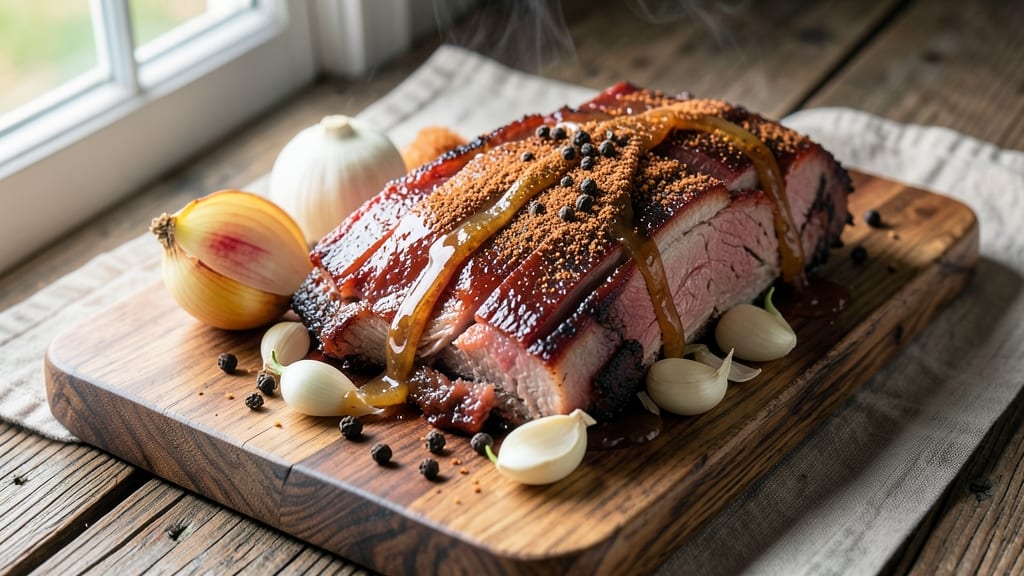
This Bradley smoker pulled pork recipe delivers the perfect balance of smoky-spiced crust and melt-in-your-mouth juicy pork that’ll have your whole table begging for seconds. 🔥 After years of perfecting my technique—including the secret to that signature pink magic—I’ve cracked the code for restaurant-quality results at home.
The key lies in the slow cook, precise temperature control, and a rub that builds flavor without overpowering the natural sweetness of the meat.
What sets this recipe apart is the foolproof method that works whether you’re a seasoned pitmaster or a first-timer. We’ll start with a simple brine to ensure tender meat, then move to a bold yet balanced spice blend that creates that coveted bark while keeping the inside juicy.
The Bradley smoker’s even heat distribution makes this process smoother than traditional methods, with less fuss and more flavor. Trust me—once you taste the difference, you’ll never go back to store-bought.
By the time you’re done, you’ll have perfectly tender pulled pork that shreds effortlessly, coated in a glossy sheen of its own juices.
The crust will be dark, crackling, and packed with smoky depth, while the meat inside remains tender and just shy of falling apart—that’s the pink magic I’ve perfected. This isn’t just pulled pork; it’s a centerpiece dish that’ll impress even the most discerning BBQ judges.
Serve it on toasted buns with tangy coleslaw or let guests build their own plates with all the fixings.
The best part? This recipe scales beautifully—whether you’re feeding a crowd or just craving a hearty meal for two. I’ll walk you through every step, from brining to smoking, shredding, and serving, so you can achieve the same results I’ve won championships with.
Let’s get started—your smoker’s about to become your new best friend.
Ingredients for bradley smoker pulled pork
Pork shoulder, bold spices, and a briny secret—this is your ticket to championship-worthy pulled pork.
| Ingredient | Amount | Notes |
|---|---|---|
| Pork Shoulder (Boston Butt) 🐖 | 10 lb | Bone-in for best flavor |
| Yellow Onion 🧅 | 2 whole | Large, sliced into wedges |
| Fresh Garlic Cloves 🧄 | 8 cloves | Peeled, minced for rub |
| Brown Sugar 🍚 | ½ cup | Light or dark variety |
| Smoked Paprika 🌶️ | 2 tbsp | For that signature smoky bark |
| Ground Black Pepper 🌶️ | 1 ½ tbsp | Freshly cracked for heat |
| Kosher Salt 🧂 | 1 ½ tbsp | Diamond Crystal preferred |
| Ground Cumin 🌿 | 1 tbsp | Toasted for deeper aroma |
| Mustard Powder 🍯 | 1 tbsp | Yellow or Dijon style |
| Apple Cider Vinegar 🍏 | ½ cup | For the brine |
| Granulated Sugar 🍚 | 1 cup | For brine sweetness |
| Water 💧 | 4 cups | Filtered preferred |
| Wood Chips (Hickory or Oak) 🌳 | 2 lb | Soaked for smoker |
| Apple Juice (Optional) 🍎 | 1 cup | For extra tenderness |
The pork shoulder is non-negotiable here—bone-in, 10 lbs minimum for that perfect balance of bark and juicy interior. Costco or your local butcher shop are your best bets for quality cuts. Look for good marbling and ask for the shoulder cut specifically. I always buy extra—this recipe scales beautifully, and leftovers make amazing sandwiches the next day. The wood chips matter too; Traeger or Cookshack brands are reliable, but any quality hickory or oak will work. Soak them for at least 30 minutes before using to prevent flare-ups—trust me on this one.
No smoked paprika? Substitute with a mix of regular paprika and liquid smoke (1 tbsp liquid smoke per 2 tbsp paprika). The apple cider vinegar in the brine is key—it tenderizes the meat while adding depth. Short on time? Skip the apple juice, but don’t skip the apple cider vinegar. The mustard powder might seem odd, but it cuts through the richness and adds a subtle tang that balances the sweetness. For the spices, Penzeys or local bulk bins are your friends—freshly ground spices make all the difference. And if you’re feeling fancy, add a splash of hot sauce (like Frank’s RedHot) to the rub for an extra kick.
Brine the pork overnight for maximum tenderness—it’s worth the wait. Store the wood chips in a sealed bag in the fridge for up to 6 months, and the spice rub keeps fresh for 3 months in an airtight container. Once smoked, the pulled pork reheats beautifully—just add a splash of apple juice or broth to keep it moist. Portion into containers for easy lunches, and freeze any extras for up to 3 months. Pro tip: Save those apple cores and onion peels from prep—they make amazing compost or even a quick broth base later.
Why You'll Love This Recipe
- Smoke in Minutes: I swear, the prep takes less time than waiting for the smoker to heat up. Just slice onions, crush garlic, mix in brown sugar and paprika—no fancy techniques, just good flavors coming together while you sip your coffee.
- Sweet-Smoky Magic: That perfect balance of caramelized brown sugar and deep smoked paprika? It’s what turns a simple pork shoulder into something you’ll fight over. The garlic and onions melt into the meat, making every bite rich and addictive.
- Party or Pantry: This recipe works whether you’re feeding a crowd at a BBQ or stashing leftovers for sandwiches all week. Honestly, I’ve used it for game day snacks, lazy Sunday brunches, and even packed lunches—no one ever complains.
- Budget Stretch: A whole pork shoulder feeds my family for days, and the ingredients cost less than half of what store-bought pulled pork does. Between us, this is how I keep my wallet happy while still eating like it’s a special occasion.
Step-by-step instructions for smoky-spiced pulled pork
Here's how to transform a tough pork shoulder into melt-in-your-mouth perfection with that legendary Bradley Smoker bark.
🔥 Step 1: Prepare the Pork and Brine Overnight
Place the 10 lb Pork Shoulder (Boston Butt) in a large bowl and pour in the 4 cups Water, 1 cup Granulated Sugar, and 0.5 cup Apple Cider Vinegar. Mix gently to combine—you want the pork fully submerged. Cover and refrigerate for at least 12 hours (I do this overnight). This step is non-negotiable for juicy pork—it tenderizes the meat and creates that perfect balance of sweet and tangy flavor.
While the pork brines, slice 2 whole Yellow Onion into wedges and set aside. Peel and mince 8 cloves Fresh Garlic Cloves—these will become the aromatic base of your rub. The longer the pork soaks, the more flavor it absorbs, so don't skip this step. I promise you'll taste the difference in the final result.
👨🍳 Step 2: Make the Signature Rub
In a large bowl, combine 0.5 cup Brown Sugar, 2 tbsp Smoked Paprika, 1.5 tbsp Ground Black Pepper, 1.5 tbsp Kosher Salt, 1 tbsp Ground Cumin, and 1 tbsp Mustard Powder. Mix thoroughly with your hands until you have a fine, even powder. The smoked paprika gives that signature bark color, while the mustard powder adds depth that you won't find in store-bought blends.
Once the pork has finished brining, remove it from the liquid and pat it completely dry with paper towels. This drying step is crucial—it helps the rub adhere and creates that perfect crust. Generously coat the pork with the rub, pressing it into every nook and cranny. Wrap the pork tightly in plastic wrap and refrigerate for another 4 hours (or up to 24 hours). This resting period lets the rub penetrate deeply and intensifies the flavors.
🔥 Step 3: Set Up Your Smoker
Soak the 2 lb Wood Chips (Hickory or Oak) in water for at least 1 hour before smoking. Preheat your smoker to 225°F—this low-and-slow temperature is key for tender pulled pork. Place a water pan in the smoker to maintain moisture throughout the cook. When the smoker reaches temperature and you see clean, blue smoke (not thick white), you're ready to go.
Add the sliced yellow onion wedges to the smoker first—they'll cook alongside the pork and infuse the smoke with sweet, caramelized flavor. Place the rubbed pork shoulder fat-side up on the smoker grates. Close the lid and resist the urge to peek—every time you open it, you add 15-20 minutes to your cook time. This is where patience pays off, so let it smoke undisturbed.
⏰ Step 4: Monitor and Wrap at the Stall
Smoke the pork for 6-8 hours until the internal temperature reaches 165-170°F. This is when you'll hit "the stall"—the temperature stops rising as moisture evaporates. Don't panic; this is completely normal. At this point, wrap the pork tightly in butcher paper (not foil—it breathes better) and return it to the smoker.
This wrapping technique, known as the "Texas crutch," helps you power through the stall while maintaining that beautiful bark. Continue smoking until the internal temperature reaches 200-205°F and the pork is fork-tender. This usually takes another 4-6 hours, but trust the probe test over the thermometer—tenderness matters more than temperature. If you're using the 1 cup Apple Juice (Optional), add it to the smoker during this phase for extra moisture and tenderness.
🍽️ Step 5: Rest and Shred
Remove the pork from the smoker and let it rest for at least 1 hour (I prefer 2 hours) wrapped in the butcher paper. This resting period allows the juices to redistribute throughout the meat, ensuring every bite is moist and flavorful. The pork should be easy to shred with two forks—no need for a meat mallet. If it's still slightly tough, let it rest a bit longer.
Unwrap the pork and shred it against the grain using two forks. The meat should pull apart easily, revealing that beautiful pink smoke ring just beneath the bark. Serve immediately on buns with your favorite toppings, or store in the refrigerator for up to 4 days for even more flavor development. Each bite should deliver that perfect balance of smoky, spicy, and sweet flavors that make this recipe legendary.
Pro Tips For Making Bradley Smoker Pulled Pork
- Trim the Fat Cap: The thick fat layer on the pork shoulder isn’t just for looks—it protects the meat and renders down into flavor gold. Cut it down to about ¼-inch thick with kitchen shears before smoking. I learned this the hard way when my first batch turned out greasy instead of crispy.
- Brown Sugar First: Mix the brown sugar with the smoked paprika and garlic before applying it to the pork. This keeps the sugar from burning too fast on the smoker’s heat. My grandmother swore by this, and she was right: the crust stays caramelized, not charred.
- Skip the Crowding: If your smoker gets too hot from too much meat, the pork won’t cook evenly. Start with the shoulder at least 2 inches away from the heat source, and resist the urge to stack onions and garlic too close. After burning three batches, I finally figured out: space is your friend.
- Probe Like a Pro: Use a meat thermometer to check the pork’s internal temp in the thickest part—not the edge. It should hit 195–203°F before pulling. I was skeptical until I tried it: the difference between shredding at 190°F (tough) and 200°F (perfect) is night and day. (Yes, even if you’re impatient like me.)
Wine and beer pairings for this dish
Southern-Style Beer
Nothing complements smoky pulled pork like a crisp, light beer from the South. I swear by a Southern-style lager—think Blue Moon Belgian White with its coriander and citrus notes, or St. Arnold’s Summer Wheat for a refreshing contrast.
The effervescence cuts through the richness, while the subtle sweetness echoes the brown sugar in your rub. For something stronger, try a North Carolina IPA like New Belgium Fat Tire—the hop bitterness balances the pork’s sweetness beautifully. 🍺
Red Wine Contrast
If you’re serving this as a main course with sides, a bold red wine works surprisingly well. I reach for a Zinfandel from California—its jammy fruit and spice notes mirror the smoked paprika and cumin in your rub.
A Cabernet Sauvignon from Napa also pairs perfectly, especially if you’ve added a touch of Frank’s RedHot to the mix. The wine’s tannins stand up to the pork’s fat, while its dark fruit complements the smoky depth. 🍷
Apple Cider Cocktail
For a non-alcoholic or festive option, serve spiced apple cider—warm it with a cinnamon stick and a splash of bourbon for depth. The apple ties back to your brine and optional apple juice, creating a cohesive flavor experience.
I like to add a dash of Angostura bitters for complexity, especially when serving this at holiday gatherings. It’s a crowd-pleaser that feels special without being overly complicated. 🍎
Smoky Whiskey Sippers
If you’re a whiskey lover, pour a bourbon or rye whiskey alongside your pulled pork. The caramel and vanilla notes in bourbon—like Maker’s Mark or Buffalo Trace—echo the brown sugar and smoked paprika in your rub.
For a smoky twist, try a meadow whiskey like High West’s Select Barrel Strength—its charred oak flavors amplify the bark’s depth. Serve neat or on the rocks for a sophisticated touch. 🥃
Regional Beer Shortcuts
Short on time? Hit the local grocery store for Busch Light or Miller Lite—they’re not fancy, but their crispness cleanses the palate between bites. For a step up, grab a local craft beer from your region’s breweries.
In Atlanta, I’d recommend Atlanta Beer Company’s Honey Brown Ale; in Charleston, Sawmill Brewing’s Carolina Red is a must. Supporting local breweries makes the meal feel even more special. 🏆
Nutrition facts
Frequently asked questions
Why does your recipe call for a 10 lb pork shoulder instead of a smaller cut?
The 10 lb pork shoulder is ideal because it provides the perfect balance of bark and tender meat. Smaller cuts (under 5 lbs) often dry out before developing that signature crust, while larger cuts (over 12 lbs) may not cook evenly in a Bradley smoker. This size yields enough leftovers for sandwiches while ensuring restaurant-quality results. Pro tip: If you need less, use a 5-6 lb butt and reduce cooking time by about 2 hours.
Can I use a different type of wood besides hickory or oak?
While hickory and oak are classic choices, try pecan for a sweeter profile or cherry for fruity undertones. Avoid pine—it contains sap that can make the meat bitter. For a mild flavor, fruitwoods like apple work beautifully, especially if you're serving this at a family gathering. Just remember: soak all wood chips for at least 1 hour before using.
What's the deal with the \"stall\" and why do you wrap the pork in butcher paper?
The \"stall\" occurs when the pork's internal temperature hits 165°F and stops rising—this is normal! Wrapping in butcher paper (not foil) creates a moisture-rich environment that helps push through the stall while preserving that beautiful bark. The paper breathes better than foil, preventing soggy meat. This technique, called the \"Texas crutch,\" is my secret weapon for perfectly tender pulled pork every time.
How do I know when the pork is done without overcooking it?
Use a meat thermometer—the pork is done when it reaches 200-205°F internally. But here's the pro trick: probe test matters more! When you insert a fork, the meat should shred easily with minimal resistance. If it's still tough, let it rest longer—it'll continue cooking from residual heat. Never rely on time alone; temperature + texture are your best guides.
Can I make this recipe in a regular smoker or grill instead of a Bradley?
Yes! The Bradley excels at temperature consistency, but any smoker or even a charcoal grill with a water pan will work. For grills, maintain 225°F by adjusting vents and using indirect heat. The key is low-and-slow cooking—just monitor the temperature closely. If you're using a pellet grill, set it to 225°F and add hickory pellets for authentic flavor. The Bradley just makes it easier for beginners.