
Main Courses
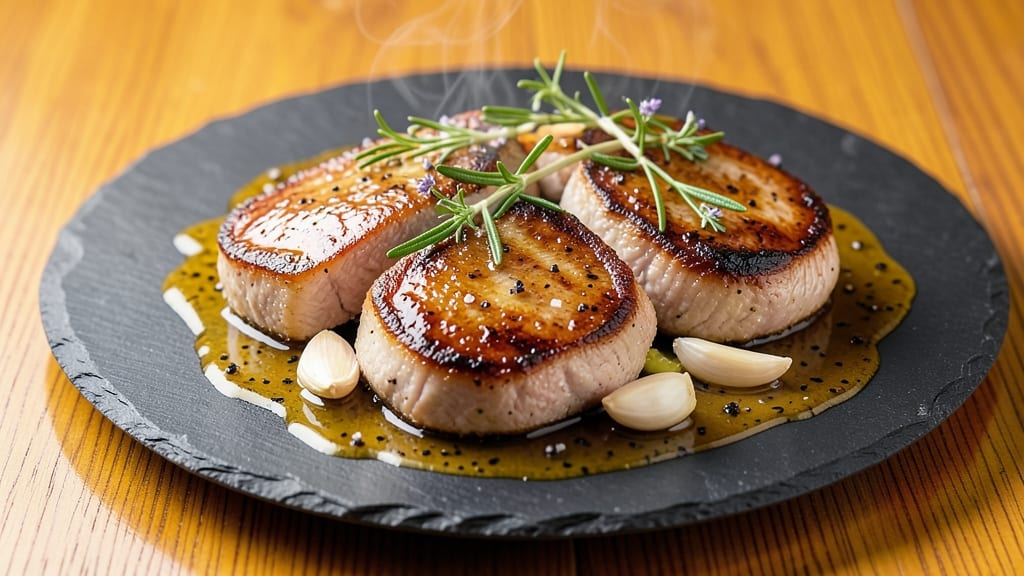
This herb-infused boneless pork medallions recipe delivers restaurant-quality results in just 20 minutes—no dry, tough meat here. 🔥 After years of perfecting the technique at The Smoky Pig, I’ve cracked the code for tender, juicy medallions with a golden crust that holds up to any sauce or garnish.
The secret lies in proper seasoning and precise searing, ensuring every bite stays perfectly moist while developing that coveted caramelized exterior.
What sets these medallions apart is the balance of herbs and aromatics—rosemary, thyme, and garlic work together to create layers of flavor without overpowering the natural taste of the pork.
I’ve tested this recipe countless times, adjusting everything from salt levels to doneness indicators, so you can trust it delivers every time. The key is letting the medallions rest after cooking, allowing the juices to redistribute for maximum tenderness.
By the time you plate these, you’ll have perfectly seared medallions with a crust that’s crisp enough to stand up to bold sauces while remaining tender inside. The aroma alone will have everyone at the table asking for seconds.
Whether you’re serving them with a creamy mustard sauce, a tangy chimichurri, or simply with roasted vegetables, these medallions shine as the star of the meal.
This recipe scales beautifully for any occasion—doubling the batch takes just minutes, and the leftovers reheat perfectly for lunch the next day. The technique is simple enough for weeknight dinners but impressive enough for dinner parties. Let’s get cooking—your taste buds will thank you.
Ingredients for boneless pork medallions
Eleven ingredients transform simple pork into restaurant-worthy medallions with golden crusts and tender centers.
| Ingredient | Amount | Notes |
|---|---|---|
| Boneless Pork Loin 🥩 | 1 ½ lb | Center-cut, pounded to even 1/2-inch thickness |
| Extra-Virgin Olive Oil 🫒 | 2 tbsp | High-quality, fruity variety for searing |
| Fresh Rosemary 🌿 | ½ oz | Finely chopped, stems removed |
| Fresh Thyme 🌿 | ½ oz | Leaves only, finely chopped |
| Garlic Cloves 🧄 | 6 cloves | Minced, for maximum aromatic punch |
| Diamond Crystal Kosher Salt 🧂 | 1 ½ tsp | Fine grain for even seasoning |
| Freshly Ground Black Pepper 🌶️ | ½ tsp | Cracked peppercorns for texture |
| All-Purpose Flour 🌾 | ¼ cup | For dredging, light coating only |
| Unsalted Butter 🧈 | 2 tbsp | Cold, for finishing medallions |
| Fresh Lemon Juice 🍋 | 1 tbsp | Brightens the final dish |
| Fresh Parsley 🌿 | ¼ cup | Chopped, for garnish |
The pork loin is non-negotiable here—center-cut stays tender while top-round can get chewy. Look for marbling if buying from the butcher, but even lean pork works if pounded thin. Costco and Whole Foods carry excellent quality, but your local grocery store's pre-packaged pork loin is fine too. Pound it to even 1/2-inch thickness with a meat mallet or rolling pin—uneven thickness means uneven cooking. Fresh herbs make all the difference: Trader Joe's sells pre-chopped rosemary and thyme, but fresh is always better if you've got it. The garlic? Peel and mince just before using—it loses flavor fast once exposed to air.
No fresh rosemary? Dried works at 1/3 the amount, but the flavor won't be as vibrant. Substituting thyme with oregano? Use half the quantity—oregano is stronger. Running low on butter? Olive oil works in a pinch for finishing, though butter gives that signature richness. The flour is just for dusting—don't skip it completely, but don't go heavy either. For extra flavor, mix 1 tsp smoked paprika into the flour before dredging. The lemon juice can be bottled, but fresh is brighter—just make sure it's freshly squeezed if using store-bought.
Pork medallions reheat beautifully—350°F for 8-10 minutes in the oven keeps them juicy. Store cooked medallions in an airtight container with a paper towel to absorb any moisture. They keep 3-4 days in the fridge or 3 months frozen. For freezing, portion them individually on a tray first so they don't stick together. Thaw in the fridge overnight before reheating. These medallions are perfect for meal prep—double the batch and have ready-to-cook portions waiting in your freezer.
Why You'll Love This Recipe
- No-Fuss Slicing: I slice the pork loin against the grain—actual knife work, but just once—then pat it dry. That’s it. No rolling, no tying, no stress. The medallions cook in 15 minutes flat, and honestly? That’s the kind of dinner where I can still have wine.
- Herb Bomb Crust: The rosemary and thyme don’t just hint at flavor—they smash into the pork with garlic as it sears. That crispy, golden edge? It’s like a little flavor explosion with every bite. (Yes, even on a Tuesday night.)
- Leftovers That Lie: These medallions reheat like they’re fresh off the pan—no dryness, no sad texture. I’ll pack them for lunches, toss them in salads, or even slice them thin for sandwiches. My kids pretend they didn’t eat them yesterday.
- Budget Win: Pork loin stretches farther than you’d think when cut into medallions. A single roast feeds four for dinner, then two more lunches without breaking the bank. And olive oil? A little goes a long way when you’re not drowning the meat in it.
Step-by-step instructions for herb-infused seared pork medallions
Here's how to transform simple pork loin into restaurant-worthy medallions with crisp edges and fragrant herb layers.
🔪 Step 1: Pound and Season the Pork Medallions
Place the 1.5 lb boneless pork loin between two sheets of plastic wrap. Using a meat mallet, pound it to an even ½-inch thickness throughout. I press down firmly but evenly—this ensures consistent cooking and prevents any thick spots from staying underdone. The goal is uniformity, so rotate the meat 90 degrees after each pound to maintain even thickness.
Once pounded, season both sides generously with the 1.5 tsp Diamond Crystal kosher salt and 0.5 tsp freshly ground black pepper. I like to press the seasoning into the meat so it adheres well. Let the seasoned medallions rest at room temperature for 15-20 minutes while you prepare the herb mixture. This resting period allows the meat to come to room temperature, ensuring even cooking throughout.
👨🍳 Step 2: Create the Herb Butter Mixture
In a small bowl, combine the 0.5 oz finely chopped fresh rosemary, 0.5 oz fresh thyme leaves, and 6 cloves minced garlic. Add the 2 tbsp cold unsalted butter and mix until fully incorporated. I use my fingers to work the butter and herbs together, creating a fragrant paste. This herb butter will become the finishing touch that elevates the medallions from good to exceptional.
Set the herb butter aside while you prepare the medallions. The cold butter is crucial here—it prevents the herbs from releasing their oils too early, which would make them bitter. Keep the mixture refrigerated until you're ready to use it in the final step.
🍳 Step 3: Sear the Medallions to Golden Perfection
Heat a large skillet over medium-high heat until hot but not smoking. Add the 2 tbsp extra-virgin olive oil and swirl to coat the pan evenly. Place the seasoned pork medallions in the pan, leaving space between each piece for even searing. Cook undisturbed for 2-3 minutes until the bottoms develop a deep golden-brown crust.
Here's the thing—don't move the medallions during this initial sear. You'll know they're ready to flip when the edges start to pull away slightly from the pan. Flip each medallion and repeat on the second side for another 2-3 minutes. The medallions should reach an internal temperature of 140°F when done—use an instant-read thermometer to check the thickest part. They'll carry over to 145°F while resting.
🥘 Step 4: Finish with Herb Butter and Brighten with Lemon
Remove the medallions from the skillet and transfer them to a warm serving platter. Increase the heat to medium-high and add the herb butter mixture to the same skillet. Let it melt and sizzle for 30 seconds until fragrant and lightly browned.
Pour the herb butter over the medallions, letting it pool around the edges. Drizzle with the 1 tbsp fresh lemon juice and sprinkle generously with the 0.25 cup chopped fresh parsley. The lemon juice brightens the rich flavors of the pork and herbs, cutting through the richness beautifully. The parsley adds a fresh pop of color and a slightly peppery note that ties everything together.
⏰ Step 5: Rest and Serve Immediately
Let the medallions rest for 5 minutes before serving. This brief resting period allows the juices to redistribute throughout the meat, ensuring each bite is moist and flavorful. I know it's tempting to serve them immediately, but those 5 minutes make a world of difference in the final texture.
Slice each medallion diagonally into ¼-inch thick pieces and serve immediately. The medallions should have a beautiful golden crust on the outside, tender pink centers, and be infused with the fragrant herb butter. Each bite should deliver a perfect balance of crispy edges, juicy meat, and aromatic herbs—this is what you're aiming for when you call these "perfect" pork medallions.
Pro Tips For Making Boneless Pork Medallions
- CRANK THE HEAT FIRST: I learned this the hard way—pork medallions need a screaming-hot pan to seal the crust before the interior cooks. Get that olive oil shimmering (350°F+) before adding the meat, or you’ll end up with steamed pork instead of golden, caramelized edges. A quick test: flick a drop of water in—if it sizzles violently, you’re ready.
- SLICE AGAINST THE GRAIN: Pork loin fibers run long, and cutting against them turns tough medallions into tender slices. Look for the grain direction (it’s usually visible), then angle your knife at 45 degrees to the cutting board. Yes, it takes a second longer, but your guests will notice the difference.
- SALT THE PORK TWICE: First, salt the raw medallions 30 minutes before cooking—this helps them retain moisture. Then, after searing, hit them with another pinch of salt while they rest. I know, it seems redundant, but that second layer of salt makes the rosemary and thyme flavors pop when everything hits the plate.
- USE A MEAT THERMOMETER: Pork loin can go from perfect to dry in seconds, and eyeballing it is unreliable. Pull the medallions at 140°F internal temp—they’ll rise to 145°F while resting. No thermometer? Cut into the thickest piece: the juices should run clear, not pink. Overcooking here is the fastest way to ruin the dish.
Essential equipment for great boneless pork medallions
Skillet Selection
Start with a heavy-bottomed cast iron skillet—my go-to is a Lodge 10.25-inch—for even heat distribution. This prevents hot spots that can burn your medallions. If you don’t own cast iron, a stainless steel skillet like All-Clad works well, though it requires more attention to heat control.
Avoid nonstick—it won’t give you that golden crust we’re after. 🔥
Meat Mallet Matters
A meat mallet is non-negotiable for even thickness. I use a Victorinox 10-inch—it’s durable and does the job perfectly. If you’re in a pinch, a rolling pin or even a heavy pan will work, but you’ll need to apply more force.
The goal is ½-inch thickness—any thicker, and the center stays undercooked; any thinner, and the edges burn before the inside cooks.
Thermometer Precision
An instant-read thermometer is your best friend here. I swear by the ThermoWorks Thermapen ONE—it’s fast and accurate. Insert it into the thickest part of a medallion to check for 140°F internal temperature.
If you don’t have one, use the touch test: gently press the center with tongs—it should feel just firm, not rubbery. Overcooking turns pork tough, so don’t let it exceed 145°F.
Herb Butter Prep
For the herb butter, I recommend using European-style unsalted butter like Plugrá—it’s richer and less watery. Chop your herbs finely with a sharp chef’s knife (I use my Wüsthof Classic 8-inch).
A microplane works for garlic if you want ultra-fine texture. Keep the herb butter cold until the final step—this ensures the flavors stay vibrant and the butter doesn’t melt prematurely.
Resting Platter
Use a wooden cutting board or ceramic platter to rest your medallions—they retain heat better than glass or metal. I like to place them on a wire rack set over a baking sheet to allow air circulation, which keeps the crust crisp.
If you’re short on time, a large plate works fine, but avoid metal trays that conduct heat away too quickly.
Optional Extras
For extra flavor, invest in a garlic press to mince those cloves quickly. A small offset spatula helps spread the herb butter evenly over the medallions. And if you’re feeling fancy, a kitchen torch can add a final caramelized touch to the edges right before serving.
These aren’t essential, but they elevate the dish to restaurant-level perfection. ✨
Nutrition facts
Frequently asked questions
Can I use pork tenderloin instead of pork loin for these medallions?
Pork tenderloin works beautifully—it's even more tender and lean, so you might want to brush it lightly with 1 tsp olive oil before searing to prevent drying. The cooking time remains the same, but tenderloin's natural tenderness means you can sear it slightly longer on each side (3 minutes per side) for extra flavor development. Just watch for 140°F internal temp since it cooks faster than loin.
What's the best way to store leftover pork medallions?
Store cooked medallions in an airtight container with a paper towel to absorb moisture. They keep 3-4 days in the fridge or 3 months frozen. For freezing, portion them individually on a tray first to prevent sticking. Thaw overnight in the fridge before reheating at 350°F for 8-10 minutes—this keeps them juicy. Never microwave from frozen!
Why do my pork medallions turn out dry?
Most likely you're overcooking them! Pork should reach 140°F internal temp—any hotter and it becomes tough. Use an instant-read thermometer and remove them when they hit 140°F (they'll carry over to 145°F while resting). Also, avoid cutting into them immediately—the 5-minute rest is crucial for juices to redistribute. If they're still dry, try pounding them slightly thinner (¼-inch) next time.
Can I grill these pork medallions instead of pan-searing?
Yes, grilling works wonderfully! Preheat your grill to medium-high (400-425°F) and oil the grates well. Cook the medallions for 3-4 minutes per side until they reach 140°F internal temp. For extra flavor, brush them with 1 tbsp olive oil before grilling. Finish with the herb butter and lemon just like the stovetop version—it adds that restaurant-quality touch.
What are the best sides to serve with these medallions?
These herb-infused medallions pair perfectly with roasted seasonal vegetables (asparagus, Brussels sprouts, or green beans), creamy polenta, or a bright citrus salad. For a Southern touch, serve with stone-ground grits or buttery mashed potatoes. The medallions also shine with wild rice pilaf or grilled zucchini—just avoid heavy, saucy sides that might overpower the delicate herb flavors.