
Main Courses
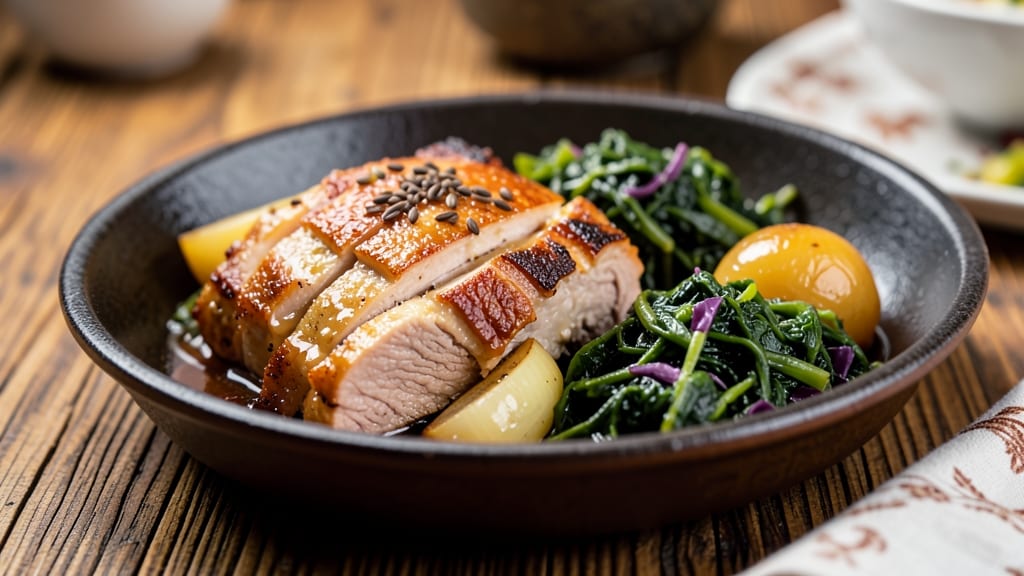
This boneless pork and sauerkraut recipe brings hearty German comfort to your table with tender meat and tangy fermented cabbage. Growing up in small-town Georgia, I learned how pork's rich flavor transforms with sauerkraut's sharp bite—now perfected with crispy onions that add texture.
The secret lies in slow simmering, where flavors meld into a savory, slightly sweet braise.
What makes this dish special is the balance of textures: crispy caramelized onions contrast the soft pork and sauerkraut, while caraway seeds add earthy depth. I developed this version after years of testing—no shortcuts, just restaurant-quality results at home.
The pork stays juicy, the sauerkraut retains its tang, and the onions develop that perfect crunch.
By the time you're done, you'll have a dish that's equally at home on a weeknight or holiday table. The aroma alone will have everyone gathering around—rich, smoky, with just enough acidity to cut through the pork's richness.
Serve with crusty bread to soak up every last bit of that tangy, savory sauce.
This recipe delivers on tradition while keeping techniques approachable—no fancy equipment, just good ingredients and patience. The key is letting everything simmer low and slow, which transforms tough cuts into melt-in-your-mouth perfection. Let's get cooking!
Ingredients for boneless pork and sauerkraut
These hearty ingredients create a German-inspired braise with crispy onions and tangy sauerkraut.
| Ingredient | Amount | Notes |
|---|---|---|
| Boneless Pork Shoulder 🥓 | 1 ½ lb | Cut into 1-inch cubes |
| Sauerkraut 🥬 | 2 cups | Drained, rinsed if too sour |
| Yellow Onions 🧅 | 2 whole | Thinly sliced for crispy texture |
| Caraway Seeds 🌿 | 1 tbsp | Toasted for earthy depth |
| Apple Cider Vinegar 🍏 | ¼ cup | For tangy balance |
| Beef Broth 💧 | 1 ½ cups | Low-sodium preferred |
| Olive Oil 🫒 | 2 tbsp | For crispy onions |
| Brown Sugar 🍯 | 2 tbsp | Enhances caramelization |
| Garlic Cloves 🧄 | 4 cloves | Minced for aromatic base |
| Bay Leaves 🌿 | 2 whole | Removed before serving |
| Salt 🧂 | 1 ½ tsp | Diamond Crystal preferred |
| Black Pepper 🌶️ | ½ tsp | Freshly ground |
| Thyme 🌿 | 1 tsp | Dried or fresh sprigs |
The pork cut matters—boneless shoulder stays juicy while developing rich flavor. Costco or local butchers often carry it pre-cut, but if buying whole, trim excess fat for cleaner cooking. For sauerkraut, Rehrl brand from the German section at Whole Foods has the perfect balance of tang—avoid the overly sour jars. Caraway seeds are non-negotiable; Penzeys sells them whole so you can toast them fresh for maximum flavor. The onions deserve special attention: yellow onions caramelize best, and slicing them thin ensures crispy edges.
No caraway seeds? Celery seeds at half the amount work in a pinch, though the flavor won't be identical. Overly sour sauerkraut? Rinse it well or add a pinch more brown sugar to balance. Swapping beef broth for vegetable broth keeps it vegetarian-friendly. For extra crispiness, fry the onions separately in olive oil before adding to the braise. The pork cubes should be uniform—1-inch size ensures even cooking without drying out. Fresh thyme sprigs can be swapped for dried thyme at one-third the amount, but the sprigs infuse more aroma.
This braise tastes even better the next day—4-5 days in the fridge, 3 months frozen. Store in an airtight container with the sauce to keep everything moist. For meal prep, portion into containers with a side of crusty bread. The onions stay crispy when stored separately, so add them fresh when reheating. Double the batch—leftovers make amazing sandwiches or tacos the following day.
Why You'll Love This Recipe
- One-Pan Magic: I swear by this recipe when I’m too tired to scrub pots—just brown the pork, toss in the onions and sauerkraut, and let it simmer. The acid from the apple cider vinegar cuts through the richness, so you don’t even need to deglaze.
- Caraway Kiss: That little sprinkle of caraway seeds? It’s the secret weapon. Earthy, slightly sweet, and just sharp enough to wake up the sauerkraut’s tang. Honestly, it’s the kind of flavor that makes you want to eat it straight from the pan.
- Lunchbox Hero: Between us, this is my go-to for meal prep—packs perfectly, stays warm for hours, and tastes even better the next day. The pork gets tender enough to shred with a fork, and the sauerkraut keeps its crunch (yes, really).
- Budget Win: Pork shoulder is cheap, sauerkraut lasts forever, and you’re using basic spices. I’ve fed four people for under $15, and the leftovers? They’re the reason I don’t order takeout. Not the prettiest, but the taste makes up for it.
Step-by-step instructions for savory tangy braise with crispy onions
This method delivers melt-in-your-mouth pork with perfectly caramelized onions and tangy sauerkraut.
🍳 Step 1: Sear the Pork Shoulder for Maximum Flavor
Heat a large Dutch oven over medium-high heat until it's smoking hot. Add 2 tablespoons olive oil and swirl to coat the bottom. Working in batches if needed, add the 1.5 lb boneless pork shoulder cut into 1-inch cubes and sear undisturbed for 3-4 minutes per side until deep golden brown. This creates the Maillard reaction that gives your braise its rich, caramelized foundation.
Real talk: Don't rush this step. You want those pork cubes to develop a good crust before they hit the braising liquid. If your pan gets too crowded, work in batches and set the first batch aside on a plate. Once all pork is browned, transfer it to a clean plate and set aside temporarily.
🍳 Step 2: Build the Aromatic Base with Caramelized Onions
In the same Dutch oven, reduce heat to medium and add 2 tablespoons olive oil if needed. Add the 2 whole yellow onions thinly sliced and cook for 10-12 minutes, stirring occasionally, until they turn a beautiful deep golden brown and begin to caramelize. This is where the magic happens—those onions develop complex sweetness that balances the tangy sauerkraut.
About halfway through cooking the onions, add the 2 tablespoons brown sugar and stir it in. This helps accelerate the caramelization process and adds a subtle depth of flavor. You'll know you're on the right track when the onions start sticking slightly to the bottom—this is what creates that irresistible texture.
🍳 Step 3: Toast Spices and Deglaze the Pan
Add the 1 tablespoon caraway seeds and 4 cloves garlic minced to the onions and cook for 30 seconds until the caraway seeds are fragrant and just beginning to pop. Immediately add the 0.25 cup apple cider vinegar and scrape up all those delicious browned bits from the bottom of the pan with a wooden spoon. This deglazing step captures all the flavor you've built so far.
Let the vinegar simmer for 1-2 minutes until it reduces by about half. You're looking for the alcohol to cook off and the liquid to concentrate. This creates a tangy, aromatic base that will carry through your entire dish. Don't walk away—vinegar burns quickly and can turn bitter if left unattended.
🥘 Step 4: Combine and Braise Until Tender
Return the seared pork to the Dutch oven. Add the 2 cups sauerkraut (drained if too watery), 1.5 cups beef broth, 1.5 teaspoons salt, 0.5 teaspoon black pepper, 1 teaspoon thyme, and 2 whole bay leaves. Stir gently to combine, making sure the pork is well-coated with the liquid.
Bring the mixture to a gentle simmer over medium heat, then reduce heat to low, cover, and transfer to a 325°F oven. Braise for 2.5-3 hours until the pork is fork-tender and falls apart easily. The liquid should reduce significantly, creating a thick, flavorful sauce that clings to every bite.
🔥 Step 5: Finish and Serve with Crispy Topping
Remove the Dutch oven from the oven and let it sit uncovered for 10 minutes to allow the sauce to thicken slightly. Discard the bay leaves before serving. For that crispy topping you promised, increase oven heat to broil and place the Dutch oven under the broiler for 2-3 minutes until the sauce bubbles and the top develops a golden crust.
Serve immediately, spooning the crispy onions and pork over buttery mashed potatoes or crusty bread. The contrast of tender pork with crispy onions and tangy sauerkraut creates a symphony of textures and flavors in every bite. This dish tastes even better the next day as the flavors continue to meld, so consider making extra for leftovers!
Pro Tips For Making Boneless Pork And Sauerkraut
- CRISP THE ONIONS FIRST: Sauté the sliced yellow onions in fat until they’re golden brown—almost caramelized—before adding anything else. I used to toss them in with the pork and wondered why the flavor felt flat. That extra 5 minutes of browning makes a real difference, especially when you’re drowning the dish in sauerkraut’s tang later.
- DRAIN AND RINSE THE SAUERKRAUT: Skip the jar’s liquid—drain the sauerkraut well, then rinse it under cold water to cut the sharpness. The brine is salty enough to overpower the pork if you leave it. My grandmother swore by this, and she was right: the texture stays crunchier, and the flavors balance better.
- LOW AND SLOW FOR PORK: After searing the pork shoulder, drop the heat to a simmer and cover the pan. The meat needs at least 45 minutes at this stage to stay tender, not tough. I learned this the hard way—rushing it turns the pork into chewy rubber. Patience here guarantees juicy, fork-tender results.
- ACID BALANCE MATTERS: Taste the finished dish and adjust with a splash of apple cider vinegar if the sauerkraut’s tang feels overwhelming. A tablespoon or two brightens the whole thing without making it taste like a science experiment. Sounds weird, but it works—especially if you’re using a particularly sour batch of kraut.
Serving suggestions for this dish
Crusty Bread Pairing
Nothing beats this braise with a warm, crusty loaf of sourdough or rye bread to soak up every last drop of that tangy, caramelized sauce. I love using artisan sourdough from my local bakery in Atlanta—its open crumb structure traps the pork and onions beautifully.
For an extra touch, brush the bread with garlic-infused olive oil before serving. 🥖
Buttery Mashed Potatoes
Creamy mashed potatoes provide the perfect neutral canvas to highlight the rich flavors of the pork and sauerkraut. Use Yukon Gold potatoes boiled until tender, then mashed with butter, salt, and a splash of whole milk for that velvety texture.
For extra indulgence, fold in crispy bacon bits or sharp cheddar cheese—both complement the dish beautifully.
Pickled Vegetable Garnish
Brighten the plate with a small side of quick-pickled red cabbage or radishes—their crisp acidity cuts through the richness. Toss thinly sliced red cabbage with apple cider vinegar, sugar, and a pinch of salt, then let it sit for 30 minutes before serving.
A few fresh dill sprigs scattered on top add a pop of color and freshness. 🌱
Dill Potato Salad
Swap traditional mayo-based potato salad for a lighter version with boiled baby potatoes, Greek yogurt, fresh dill, and a squeeze of lemon.
The tangy, herby notes mirror the sauerkraut’s flavor while keeping the dish balanced. Serve at room temperature for the best texture contrast with the warm braise.
Beer Pairing
A German Helles lager or Weissbier (wheat beer) is my go-to pairing—its crisp, clean finish cleanses the palate between bites. For something bolder, try a Rauchbier (smoked beer) from Bavaria, which echoes the smoky depth of the pork.
Avoid heavy stouts or IPAs, as they’ll overpower the dish’s delicate balance. 🍺
Garnish Like a Pro
Finish the dish with toasted caraway seeds sprinkled over the top for an aromatic punch. A drizzle of sour cream or crème fraîche adds a cooling contrast, while chopped fresh parsley brightens the plate.
For a smoky touch, a few crumbled bacon bits tie everything together—just like I do at The Smoky Pig. 💫
Nutrition facts
Frequently asked questions
Can I substitute boneless pork shoulder with another cut?
Yes, but choose wisely! Boneless pork loin works in a pinch (cook 15-20 minutes less as it's leaner), but avoid tender cuts like tenderloin—they'll turn tough. For extra flavor, try pork butt or pork neck bones (adds richness). Just increase cooking time to 3-4 hours for bone-in cuts.
How do I fix overly sour sauerkraut?
Rinse it thoroughly under cold water to remove excess acid, then pat dry. For extra balance, add 1 extra tablespoon brown sugar or 1 teaspoon honey to the braise. If it's still too sharp, stir in 1/4 cup apple sauce at the end to mellow the flavor.
Can I make this in a slow cooker?
Sear the pork first, then transfer everything to your slow cooker. Cook on low for 6-7 hours or high for 3-4 hours. For crispy onions, sauté them separately in a skillet and serve on top. The slow cooker version is perfect for hands-off cooking—just don't skip the initial searing!
What's the best way to reheat leftovers?
Gently reheat in a skillet over low heat with 1 tablespoon broth to prevent drying. For crispy onions, add them fresh after reheating. Microwave reheating works too, but the texture suffers—pork becomes rubbery. Leftovers taste even better the next day as flavors meld!
Is this dish gluten-free?
Mostly! The recipe is naturally gluten-free, but check your beef broth and sauerkraut labels for hidden gluten. Use tamari instead of soy sauce if needed. For extra heartiness, serve with gluten-free mustard on the side or cornbread made with gluten-free flour.