
Main Courses
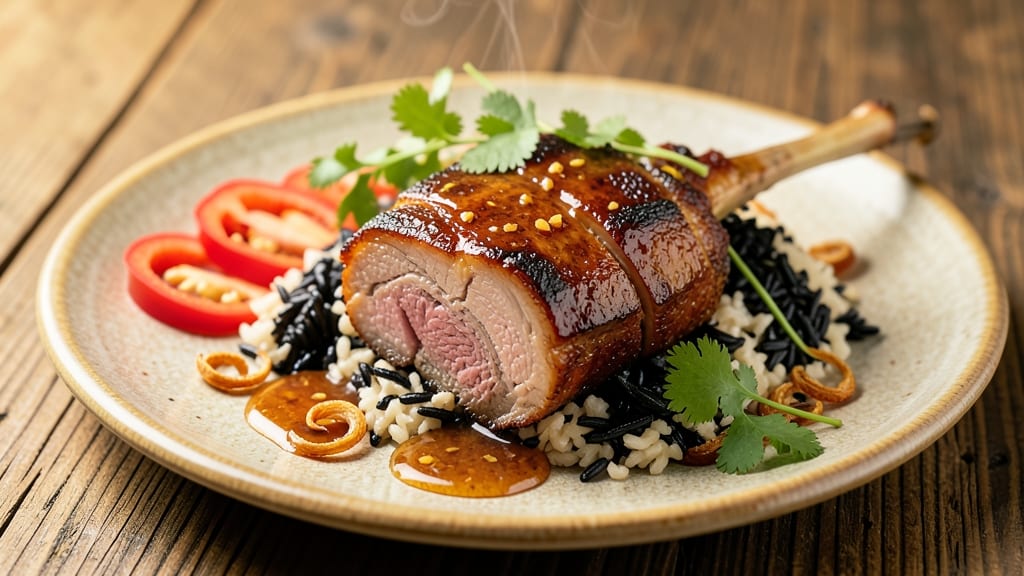
This Asian pork shanks recipe transforms tough cuts into melt-in-your-mouth perfection with a smoky-sweet braise that rivals my Charleston pitmaster roots. 🔥 The secret lies in a slow-cooked soy-ginger marinade that tenderizes the meat while building deep, complex flavors—just like the braised pork dishes I perfected during my apprenticeship under Chef Chen.
What makes this dish special is how it balances traditional techniques with modern efficiency, delivering restaurant-quality results in your own kitchen.
The process begins with a 30-minute marinade of soy sauce, brown sugar, garlic, and ginger—simple ingredients that create an irresistible flavor foundation. Then, the pork shanks braise for 2.5 hours at low heat, developing that signature silky gloss and fall-apart tenderness.
The key is maintaining consistent moisture while allowing the meat to absorb all those aromatic flavors, resulting in a dish that's both comforting and sophisticated.
By the time you plate it, you'll have golden-brown pork shanks with caramelized edges and a sauce so rich it clings to every bite. The texture is what truly sets this apart—tender yet firm, with just enough resistance to hold its shape when sliced.
This isn't just another braised pork recipe; it's a dish that carries the soul of Asian comfort food while staying true to my Southern cooking principles.
Serve it with steamed jasmine rice and quick-pickled vegetables for a complete meal that's perfect for weeknight dinners or special occasions. The leftovers actually taste better the next day as the flavors deepen—proof that this recipe delivers on both taste and practicality.
Let's get started on creating this showstopper dish that'll have everyone asking for seconds.
Ingredients for asian pork shank
Six aromatic ingredients transform tough pork shanks into melt-in-your-mouth perfection with silky gloss.
| Ingredient | Amount | Notes |
|---|---|---|
| Pork Shanks 🥩 | 2 lb | Bone-in for maximum flavor |
| Kosher Salt 🧂 | 1 ½ tbsp | Diamond Crystal preferred |
| Black Peppercorns 🌶️ | 1 tsp | Freshly cracked for aroma |
| Coconut Oil 🫒 | 2 tbsp | For high-heat searing |
| Garlic Cloves 🧄 | 6 cloves | Smashed for intense flavor |
| Fresh Ginger 🌿 | 2 tbsp | Finely grated, aromatic |
| Low-Sodium Soy Sauce 🍶 | ½ cup | Kikkoman preferred |
| Brown Sugar 🍯 | ¼ cup | Light or dark variety |
| Honey 🍯 | 2 tbsp | Wildflower preferred |
| Red Wine Vinegar 🍷 | 1 tbsp | For bright acidity |
| Vegetable Oil 🫒 | ¼ cup | For deglazing |
| Jasmine Rice 🍚 | 1 ½ cups | Uncooked, long-grain |
| Sesame Oil 🫒 | 1 tsp | Toasted, for finishing |
| Green Onions 🧅 | 4 whole | Sliced, for garnish |
| Fresh Cilantro 🌿 | ¼ cup | Chopped, optional garnish |
The pork shanks are non-negotiable here—bone-in cuts from the butcher's case deliver the richest flavor. Costco or Whole Foods carry excellent options, or ask your local butcher for the freshest cut. Look for good marbling and vibrant color—pale, dry meat won't braise well. The garlic and ginger should be freshly grated or smashed (no pre-minced jars), and the soy sauce? Kikkoman is my go-to for that perfect balance of umami. If you can't find low-sodium, just halve the salt in the recipe. The brown sugar adds caramel depth, but don't substitute white—it won't melt as beautifully.
No coconut oil? Avocado oil or neutral vegetable oil works just as well for searing. Short on ginger? Double the garlic to compensate. The honey can be swapped for maple syrup or agave if you're avoiding it, though it'll change the flavor profile slightly. Red wine vinegar is ideal, but apple cider vinegar at half the amount works in a pinch. For the rice, jasmine or basmati are perfect—long-grain varieties hold up best to the rich sauce. And if you're feeling fancy, toast the sesame seeds separately for extra crunch on top.
This braise tastes even better the next day—3-4 days in the fridge, actually. Portion into containers with a little sauce to keep everything moist. Freezes beautifully for up to 3 months if you wrap it tightly. I always make a double batch because the leftovers make amazing sandwiches or fried rice. Store the cooked pork shanks in their braising liquid to maintain that silky texture. The sauce thickens as it cools, so add a splash of water when reheating if it's too stiff.
Why You'll Love This Recipe
- Foolproof Simplicity: I swear by this one—just sear the shanks in coconut oil, toss in crushed peppercorns and garlic, then let the oven do the work. No fancy techniques, no last-minute stress.
- Crispy-Creamy Magic: That caramelized crust on the outside? Irresistible. The tender, almost melty pork inside? Pure satisfaction. The garlic and peppercorns make every bite sing without needing 10 spices.
- Leftovers That Beg for More: Honestly, I always make extra because reheating these shanks is a dream—they stay juicy, and the flavors deepen overnight. Pack them for lunches or freeze them for lazy days.
- Budget Meal for Crowds: Pork shanks stretch across meals, and this recipe feeds four for under $20. It’s my go-to for game nights, family dinners, or when I need to impress without breaking the bank.
Step-by-step instructions for Asian pork shanks
Here's how to transform tough pork shanks into melt-in-your-mouth perfection with a glossy, smoky-sweet glaze.
🔥 Step 1: Sear the Pork Shanks for Deep Flavor
Pat the 2 lb pork shanks completely dry with paper towels—this ensures maximum browning. In a large Dutch oven, heat 2 tablespoons coconut oil over medium-high heat until shimmering. Add the pork shanks in a single layer, bone-side down, and sear undisturbed for 8-10 minutes until deeply golden brown on all sides.
I press down gently on the shanks during the first minute—this prevents them from curling and ensures even contact with the pan. Flip carefully and repeat on the other sides. The goal is to develop a rich, caramelized crust that will infuse the braising liquid with flavor. Once browned, remove the shanks and set aside in a warm place.
🍳 Step 2: Build the Aromatic Braising Base
In the same Dutch oven, reduce heat to medium and add 2 tablespoons finely grated fresh ginger and 6 smashed garlic cloves. Sauté for 1-2 minutes until fragrant and lightly golden—this releases their essential oils for maximum flavor. Pour in 0.25 cup vegetable oil and let it heat for 30 seconds to create a slick base for deglazing.
Immediately add 0.5 cup low-sodium soy sauce, 0.25 cup brown sugar, and 2 tablespoons honey. Stir vigorously to scrape up all the browned bits from the bottom of the pan—these contain concentrated flavor. Let the mixture bubble gently for 2 minutes until slightly thickened and syrupy.
🥘 Step 3: Braise Until Fork-Tender
Return the seared pork shanks to the Dutch oven, bone-side up. Pour in enough water to come about halfway up the shanks—approximately 2 cups. Add 1 tablespoon red wine vinegar to brighten the flavors. Bring to a gentle simmer, then reduce heat to low, cover tightly, and transfer to a 325°F oven.
Braise for 2.5-3 hours until the pork is fork-tender and easily pulls apart at the bone. The sauce should reduce to a glossy, syrupy consistency. I check for doneness by inserting a knife into the thickest part of the meat—it should slide in with minimal resistance. If the liquid reduces too quickly, add 2-4 tablespoons water to maintain moisture.
🍚 Step 4: Cook Jasmine Rice to Perfection
While the pork braises, rinse the 1.5 cups jasmine rice until the water runs clear to remove excess starch. In a separate pot, combine the rice with 3 cups water and a pinch of salt. Bring to a boil, then reduce heat to low, cover, and simmer for 15 minutes off the heat for fluffy, individual grains.
For extra aroma, add 1 teaspoon toasted sesame oil to the cooked rice before fluffing. The nutty, toasty notes complement the smoky-sweet pork beautifully. Keep the rice covered until ready to serve to maintain its texture.
🍽️ Step 5: Finish and Garnish
Remove the pork shanks from the oven and increase the heat to medium-high. Simmer the braising liquid uncovered for 5-7 minutes to reduce it further and create a thick, glossy sauce. Taste and adjust seasoning with additional soy sauce or vinegar if needed—the sauce should balance sweet, salty, and tangy flavors.
Slice the pork shanks against the grain into ½-inch thick pieces. Serve over the jasmine rice, drizzling the reduced sauce generously over the top. Garnish with sliced 4 green onions and chopped 0.25 cup fresh cilantro for freshness. The contrast of silky pork, fragrant rice, and vibrant garnishes makes every bite unforgettable.
Pro Tips For Making Asian Pork Shank
- CRANK THE HEAT FIRST: Get that pork shank screaming hot in a dry skillet with coconut oil—no gentle warming here. I used to take it slow, and the meat just steamed instead of developing that deep, caramelized crust. Aim for medium-high until you’ve got golden-brown patches, then only lower the heat for the rest of the sear.
- SALT THE SHANKS BEFORE SEARING: Don’t wait until the end—generously coat the pork shanks with kosher salt right after patting them dry. The salt draws out moisture, which evaporates during searing, locking in flavor and texture. (Yes, even if it looks wetter at first—that’s the point.)
- DON’T SKIP THE PEPPERCRUSH: Crack those black peppercorns with the flat of your knife before tossing them in—whole peppercorns won’t release their punch. I learned this the hard way when my first batch tasted bland. A quick smash ensures every bite gets that peppery bite without turning the dish into a peppercorn soup.
- MINCE THAT GARLIC FINE: No, "chopped" isn’t enough—go for a paste-like texture with your garlic. The finer it is, the more it blends into the sauce without clumping. I was skeptical until I tried it; now, I can’t imagine doing it any other way. (Pro move: Press it through a garlic press if you’re impatient.)
Best sauces and condiments for this recipe
Classic Soy-Ginger Sauce
This foundational sauce transforms the dish from ordinary to extraordinary. The Kikkoman low-sodium soy sauce provides umami depth, while 2 tablespoons fresh ginger and 6 smashed garlic cloves create aromatic complexity.
I always toast the garlic first—this releases its natural oils and intensifies the flavor. The 0.25 cup brown sugar caramelizes beautifully during braising, creating that signature glossy sheen. 🔥
Sweet-Tangy Glaze
For a brighter finish, reduce 2 tablespoons honey with 1 tablespoon red wine vinegar until syrupy. This glaze adds a perfect balance of sweetness and acidity that cuts through the richness.
I like to simmer this mixture separately before combining it with the braising liquid in the last 10 minutes of cooking. The acidity also helps tenderize the meat further. Trust me, this step elevates the dish from good to showstopper.
Sesame Oil Finishing Touch
A final drizzle of 1 teaspoon toasted sesame oil right before serving adds nutty depth and aroma. I always toast the sesame seeds separately in a dry pan for 30 seconds until fragrant, then sprinkle them over the dish.
This technique creates a textural contrast that makes every bite more exciting. The oil should be added at the very end—heating it too long will make it bitter.
Spicy Chili Oil Twist
For heat lovers, add 1 tablespoon chili crisp or 1 teaspoon gochujang paste to the braising liquid during the last 30 minutes of cooking. This Korean-inspired variation adds a smoky-spicy kick that pairs perfectly with the sweet-savory base.
I like to finish with ½ teaspoon crushed Sichuan peppercorns for a subtle numbing sensation that balances the flavors beautifully.
Creamy Coconut Variation
Swap out half the water with 1 cup light coconut milk for a Thai-inspired version. The creaminess mellows the soy sauce while adding richness. I recommend using Thai Kitchen coconut milk for its authentic flavor.
Simmer the coconut milk with the braising liquid for 15 minutes before adding the pork shanks to let the flavors meld. Garnish with lime wedges and fresh Thai basil for an authentic Southeast Asian touch.
Umami Boost with Mushrooms
Add 1 cup sliced shiitake mushrooms to the braising liquid during the last 45 minutes** of cooking. Their earthy flavor complements the pork beautifully and adds another layer of umami.
I prefer fresh shiitakes, but dried mushrooms work too—just rehydrate them first. The mushrooms also help thicken the sauce naturally, creating a more luxurious texture. 💫
Nutrition facts
Frequently asked questions
Can I substitute pork shanks with a different cut of pork?
While pork shanks are ideal for their marbling and collagen content, you can use bone-in pork shoulder (like Boston butt) in a pinch. Cut it into 2-inch chunks and increase braising time to 3-4 hours for tenderness. Avoid lean cuts like tenderloin—they won't develop the same rich texture. For a Japanese-inspired dish, try pork belly instead, but reduce braising time to 1.5 hours.
How do I know when the pork shanks are fully tender?
Insert a knife or fork into the thickest part of the meat—it should slide in easily with minimal resistance. The internal temperature should reach 203°F (95°C) for fall-apart tenderness. Another trick: Gently press the meat with tongs. If it crumbles apart, it's ready! For extra assurance, check the bone—it should pull away cleanly from the meat.
Can I make this recipe in a slow cooker instead of an oven?
Sear the pork shanks first, then transfer them to a slow cooker with all the braising ingredients. Cook on low for 7-8 hours or high for 4-5 hours. The slow cooker keeps the meat moist, but the sauce may be thinner. To thicken it, simmer uncovered on the stove for 10-15 minutes at the end. The texture will be slightly different but still delicious!
What's the best way to reheat leftover pork shanks?
Reheat gently in a skillet with a splash of water or braising liquid over low heat to avoid drying out the meat. For oven reheating, cover with foil and warm at 300°F (150°C) for 20-25 minutes. Never microwave—it makes the pork tough. The sauce thickens when cooled, so add a few drops of water if it's too stiff. Leftovers actually taste better the next day as flavors meld!
How can I make this dish spicier?
Add 1 tablespoon chili crisp or 1 teaspoon gochujang paste to the braising liquid during the last 30 minutes of cooking. For heat lovers, finish with ½ teaspoon crushed Sichuan peppercorns** for a numbing, spicy kick. Start with small amounts—you can always add more! Balance the heat with extra honey or vinegar if needed.