
Main Courses
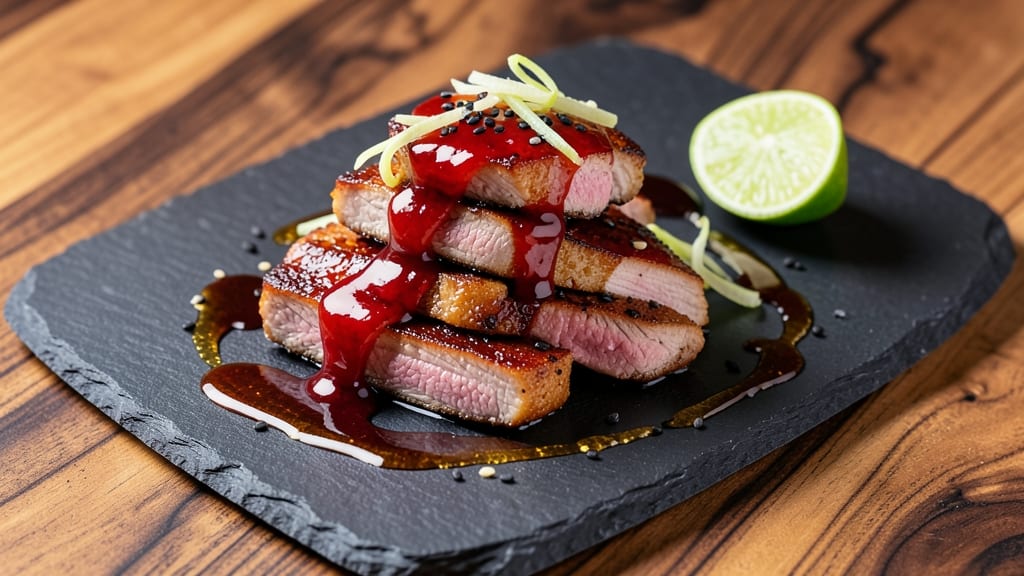
This Asian pork medallions recipe transforms simple pork chops into a restaurant-quality weeknight meal in just 30 minutes. 🔥 The secret lies in a bright ginger-lime glaze that balances sweet, tangy, and umami flavors—perfect for when you crave takeout but want something healthier.
I developed this while testing quick marinades for my pit crew, and it became an instant favorite during busy shifts at The Smoky Pig.
The magic happens in the marinade, where fresh ginger, lime juice, and a touch of honey create a flavor profile that's both familiar and exciting. Thinly sliced pork medallions cook quickly on the stovetop, absorbing the marinade while developing a beautiful caramelized crust.
This technique ensures tender meat every time, even for beginners.
What you'll end up with is a plate of golden-brown pork medallions glistening with that vibrant glaze, served with steamed jasmine rice or fresh spring rolls.
The aroma alone will have everyone gathered at your table, and the flavors are balanced just right—sweet from the honey, tangy from the lime, and savory from the soy and sesame.
Pair with quick stir-fried vegetables or a simple cucumber salad to round out the meal. The best part? This recipe scales perfectly—double the batch for leftovers that reheat beautifully. Let's get cooking!
Ingredients for asian pork medallions
Restaurant-quality flavors start with these 13 ingredients—quick, vibrant, and packed with umami.
| Ingredient | Amount | Notes |
|---|---|---|
| Boneless Pork Loin Chops 🥩 | 1 ½ lb | Thinly sliced into 1/4-inch medallions |
| Fresh Ginger Root 🌿 | 2 tbsp | Finely grated, aromatic |
| Fresh Lime Juice 🍋 | ⅓ cup | About 2 medium limes, freshly squeezed |
| Honey 🍯 | 2 tbsp | Wildflower preferred for depth |
| Low-Sodium Soy Sauce 🍶 | 2 tbsp | Kikkoman preferred for balance |
| Sesame Oil 🫒 | 1 tbsp | Toasted sesame oil for aroma |
| Garlic Cloves 🧄 | 4 cloves | Minced, fresh for potency |
| Vegetable Oil 🫒 | 2 tbsp | High smoke point for searing |
| Cornstarch 🌾 | 1 tbsp | For tenderizing medallions |
| Salt 🧂 | 1 tsp | Diamond Crystal preferred |
| Black Pepper 🌶️ | ½ tsp | Freshly cracked for heat |
| Sesame Seeds 🌾 | 1 tbsp | Toasted for garnish |
| Fresh Cilantro 🌿 | ¼ cup | Chopped, for garnish |
The pork loin is your canvas here. Ask the butcher for center-cut loin—it's more tender and slices beautifully. I always grab mine from Whole Foods or my local Dartmouth Farms butcher, where they'll slice it thin for you. Fresh ginger matters too—look for firm, knobby roots with no soft spots. Limes should be bright yellow, not green, and the juice should be tart enough to make your mouth pucker. For the honey, wildflower blends add subtle floral notes that elevate the glaze. If you're short on time, pre-minced garlic works, but fresh minced gives that restaurant-quality depth.
No fresh ginger? Powdered ginger at half the amount gets you close, but it's not the same. Subbing lime juice? Orange juice plus a splash of vinegar mimics the acidity. Out of sesame oil? Avocado oil works, but you'll miss that nutty aroma. For the pork, boneless pork tenderloin is a great swap—just slice it against the grain. The cornstarch is non-negotiable though; it keeps those medallions tender even when seared. And if you're feeling fancy, toasted sesame seeds on the glaze add crunch—trust me on this.
Marinate the pork for at least 30 minutes—overnight is even better if you're prepping ahead. The glaze keeps for 5 days in the fridge, so make extra for stir-fries or rice bowls. Store the pork separately in an airtight container with a paper towel to absorb moisture. Reheat medallions gently in a skillet with a splash of water—they crisp up beautifully without drying out. Garnishes like cilantro and sesame seeds can be added fresh when serving, so don't worry about prepping them until the last minute.
Why You'll Love This Recipe
- Here’s what sold me: that honey-soy glaze cuts through the pork’s richness while the ginger and lime keep it bright. It’s not too sweet, not too salty—just dangerously addictive with every bite.
- I’ll be real: the first time I made this, I panicked about leftovers. But those medallions reheat like a dream—crispy edges stay intact, and the sauce clings perfectly. Pack them for lunch or freeze them for a lazy night.
Step-by-step instructions for Asian pork medallions
Here's the quick, foolproof method for restaurant-quality medallions in under 30 minutes.
👨🍳 Step 1: Prep the Pork Medallions
Pat the 1.5 lb boneless pork loin chops completely dry with paper towels—this ensures maximum browning. Using a sharp knife, slice the chops into ¼-inch thick medallions against the grain for tender bites. Transfer them to a bowl and toss with 1 tablespoon cornstarch, 1 teaspoon salt, and ½ teaspoon black pepper. Let them sit for 10 minutes while you prep the glaze.
This cornstarch coating creates a crispy crust while keeping the interior juicy. Don't skip the resting time—it helps the medallions sear perfectly without sticking. I like to work in batches if needed, keeping the prepped medallions on a plate in the fridge until ready to cook.
🍳 Step 2: Sear the Medallions
Heat 2 tablespoons vegetable oil in a large skillet over medium-high heat until shimmering. Working in batches (don't overcrowd!), add the medallions and cook for 2-3 minutes per side until golden brown and cooked through to 145°F internally. Transfer to a plate and tent loosely with foil to keep warm.
The key here is high heat and not moving the medallions too soon. You'll know they're ready when they release easily from the pan and develop a beautiful crust. If your pan isn't hot enough, the medallions will steam instead of sear—this is what makes them look and taste restaurant-quality.
👨🍳 Step 3: Make the Ginger-Lime Glaze
In the same skillet (no need to clean it—those browned bits add flavor), reduce heat to medium and add 2 tablespoons vegetable oil if needed. Add 4 minced garlic cloves and cook for 30 seconds until fragrant. Stir in 2 tablespoons finely grated fresh ginger root and cook for another 30 seconds until aromatic.
Pour in 0.33 cup fresh lime juice, 2 tablespoons honey, 2 tablespoons low-sodium soy sauce, and 1 tablespoon sesame oil. Bring to a simmer and cook for 2-3 minutes until slightly thickened. The glaze should coat the back of a spoon—if it's too thin, simmer another minute.
🥘 Step 4: Finish and Serve
Return the medallions to the skillet and spoon the glaze over them. Toss gently to coat, then cook for 1-2 minutes until everything is heated through. The medallions should be glazed but still tender—overcooking will make them tough.
Transfer to a serving platter and sprinkle with 1 tablespoon toasted sesame seeds and ¼ cup chopped fresh cilantro. Serve immediately with steamed rice or noodles. The medallions should have a perfect balance of sweet, tangy, and umami flavors with that crispy exterior you crave.
Pro Tips For Making Asian Pork Medallions
- SEAR THEN REST: Hit the pork medallions with a screaming-hot pan—just 2 minutes per side until golden—but don’t rush to baste. After searing, tent them with foil and let them sit for 5 minutes. I used to flip them constantly in the sauce, and they’d turn rubbery. This resting step keeps them juicy while the sauce thickens.
- GRATE, DON’T MINCE GINGER: Fresh ginger loses its punch when finely minced. Instead, use a box grater or microplane to get long, thin strands—about 1 tablespoon of zest-like pieces. This releases more flavor without turning the sauce into a mushy paste. (Yes, it looks weird, but it works.)
- SALT THE PORK FIRST: Season the pork medallions with salt and pepper before searing—let them sit for 10 minutes. This ensures the salt penetrates instead of just sitting on the surface. I learned this the hard way after serving bland medallions that needed more seasoning mid-cook.
- THICKEN THE SAUCE LAST: Simmer the honey, soy, lime, and ginger together until it coats the back of a spoon, then add the pork. If the sauce is too thin, mix 1 teaspoon of cornstarch with cold water and stir it in at the end. Adding it early makes the sauce gluey. (Your future self will hate you if you skip this.)
Troubleshooting great asian pork medallions
Uneven Cooking Fix
If your medallions cook unevenly—some crispy, others undercooked—it’s usually a heat issue. I’ve found that medium-high heat is key, but your pan must be hot enough before adding the pork. Test with a drop of water: if it sizzles immediately, you’re ready.
For thicker medallions (over ¼ inch), reduce heat slightly to medium to prevent over-browning before the center cooks. 🌡️
Soggy Glaze Problem
A watery glaze happens when the sauce isn’t reduced enough. Always simmer until it coats the back of a spoon—this should take 2-3 minutes on medium heat. If it’s still thin, add ½ teaspoon cornstarch mixed with 1 teaspoon water as a slurry and stir until thickened.
Pro tip: Use a nonstick skillet with a lid to trap steam and speed up reduction.
Pork Sticking to Pan
Cornstarch is your best friend here, but if medallions still stick, your pan isn’t hot enough. Let the oil heat until it shimmers before adding pork. I swear by a well-seasoned cast iron skillet—mine’s been in my family for decades.
If using nonstick, ensure it’s 100% dry before heating. A quick spray of vegetable oil on the cornstarch-coated medallions right before searing also helps.
Overpowering Ginger Flavor
Fresh ginger can be intense, especially if you love strong flavors. For milder medallions, reduce the ginger to 1 tablespoon and add ½ teaspoon ground ginger instead. Alternatively, simmer the glaze longer (up to 5 minutes) to mellow the raw ginger’s heat.
I’ve also had success adding 1 teaspoon honey upfront to the marinade to balance the spiciness.
Dry or Tough Medallions
Overcooking is the usual culprit. Once your medallions hit 145°F internal temperature, remove them immediately—they’ll carryover cook to 150°F. For extra insurance, slice the pork against the grain and marinate for at least 30 minutes (overnight is ideal).
If they’re still dry, the issue might be your cut—stick to pork loin or tenderloin for best results.
Glaze Too Sweet
If the honey dominates, balance it with more acid. Add 1 extra tablespoon lime juice to the glaze or a splash of rice vinegar (just ½ teaspoon). For a savory twist, increase the soy sauce to 3 tablespoons and reduce the honey to 1 tablespoon.
I’ve also had great luck with a pinch of red pepper flakes in the glaze to cut through sweetness.
Nutrition facts
Frequently asked questions
Can I use pork tenderloin instead of pork loin for this recipe?
Pork tenderloin works beautifully—it's even more tender and lean. Just slice it ¼-inch thick against the grain for perfect texture. The cooking time remains the same, but tenderloin tends to brown faster, so keep a close eye on it after 2 minutes per side.
How do I adjust this recipe for a slow cooker or Instant Pot?
For the Instant Pot, cook the medallions on high pressure for 4 minutes with 1 cup water, then finish with the glaze on sauté mode for 2 minutes. For a slow cooker, use low heat for 2 hours with the glaze added during the last 30 minutes. The key is to avoid overcooking—pork should reach 145°F internally.
What's the best way to store leftovers?
Store cooked medallions in an airtight container with a paper towel to absorb moisture. They'll keep for 3 days in the fridge or 3 months in the freezer. To reheat, warm in a skillet over medium heat with a splash of water for 1-2 minutes—this restores the crispy crust. Never microwave, as it makes the pork rubbery.
Can I make this gluten-free?
Yes! Simply swap the soy sauce for 2 tablespoons gluten-free tamari or coconut aminos. Check that your cornstarch is certified gluten-free too. The flavor profile will be slightly different but still delicious. For extra umami, add ½ teaspoon fish sauce to the glaze.
What's the secret to getting that perfect caramelized crust?
Three things: high heat, dry pork, and patience. Pat the medallions completely dry, use a well-seasoned pan, and let them sear undisturbed for 2-3 minutes per side. The cornstarch coating helps create that golden crust while keeping the inside juicy. A drop of water should sizzle violently when tested on the pan—if not, wait longer.