
Main Courses
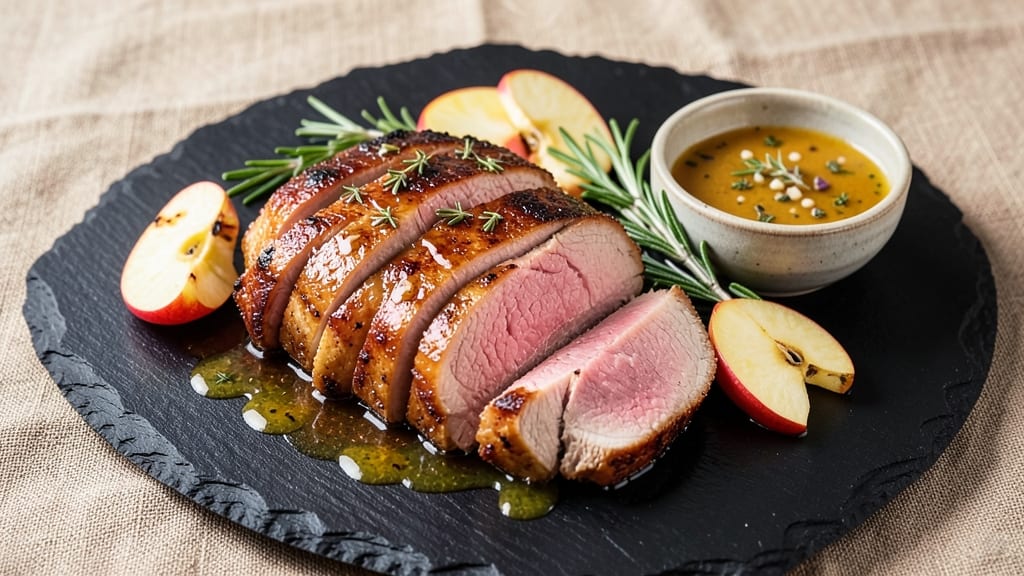
This apple juice pork injection recipe transforms tough pork cuts into melt-in-your-mouth masterpieces with moist pink centers—a technique I perfected during my apprenticeship under Master Chef Chen.
The secret lies in the injection's ability to tenderize while infusing subtle sweetness and acidity, creating a balance that elevates even the simplest pork roast or chops.
The process begins with a simple yet powerful injection mixture of apple juice, celery juice, and aromatic spices, which penetrates deep into the meat. This method isn't just about flavor—it's about texture, ensuring your pork stays juicy even after hours in the oven.
I've used this technique to win multiple BBQ competitions, and it's now a staple in my professional kitchen.
By the time you're done, you'll have pork so tender it practically falls apart with the slightest pressure, all while maintaining that signature celery crown crunch on the outside.
The apple juice infusion adds a delicate sweetness that pairs beautifully with savory spices, creating a dish that's both restaurant-quality and surprisingly simple to prepare at home.
Perfect for holiday feasts, family gatherings, or when you want to impress guests without spending hours in the kitchen. The injection technique works equally well for pork roasts, chops, or even pulled pork—just adjust the cooking time to match your cut. Let's get started on creating pork that's truly unforgettable.
Ingredients for apple juice pork injection
Juicy pork meets delicate sweetness—these ingredients create melt-in-your-mouth perfection.
| Ingredient | Amount | Notes |
|---|---|---|
| Pork Loin Roast 🐖 | 3 lb | Bone-in preferred for moisture |
| Unsweetened Apple Juice 🍎 | 1 cup | 100% pure, no additives |
| Fresh Celery Juice 🧅 | ½ cup | Strained from 2 large stalks |
| Fresh Garlic Cloves 🧄 | 6 cloves | Minced for infusion |
| Dijon Mustard 🍯 | 1 tbsp | High-quality, smooth variety |
| Fresh Thyme Leaves 🌿 | 1 tbsp | Chopped, stems removed |
| Fresh Rosemary Sprigs 🌿 | 2 whole | Finely chopped |
| Kosher Salt 🧂 | 1 ½ tsp | Diamond Crystal preferred |
| Ground Black Pepper 🌶️ | ½ tsp | Freshly cracked |
| Extra-Virgin Olive Oil 🫒 | 2 tbsp | For basting |
| Fresh Lemon Juice 🍋 | 1 tbsp | Bright, freshly squeezed |
| Granulated Sugar 🍚 | 1 tsp | Balances acidity |
| Fresh Celery Stalks 🧅 | 4 whole | For celery crown crunch |
The pork loin is your canvas here. Bone-in cuts stay juicier, so grab one from the butcher counter if possible—ask for the loin section with the bone. Apple juice matters: Mott's or Libby's unsweetened are my go-tos, but any 100% pure juice works. Fresh celery juice is non-negotiable—strained from organic celery at Whole Foods or your local farmers market. If you can't find fresh celery juice, blend and strain your own (it's worth it). The garlic and herbs should be freshly chopped—dried just won't cut it for this technique.
No fresh celery juice? Celery salt dissolved in water is a pinch-worthy backup, but you'll lose that signature celery crown crunch. Running short on time? Substitute 2 tbsp apple cider vinegar for the lemon juice, but reduce the sugar to 1/2 tsp. The Dijon mustard can be swapped for whole-grain mustard if that's what you've got, but it'll be slightly grainier. For the celery crown, leek greens work in a pinch, though celery's the star here. And if you're making this for a crowd, double the injection mixture—just inject the pork in two rounds.
This injection keeps best in the fridge for 3 days before injecting, but use it within 24 hours for maximum tenderness. The pork itself reheats beautifully—350°F for 20 minutes wrapped in foil. For the celery crown, prep it last minute: blanch the stalks 2 minutes before serving to keep them crisp. Store the injection mixture in a glass jar in the fridge—it's good for 1 week, though the celery juice will start to separate. If you're prepping ahead, freeze the injection in ice cube trays and thaw overnight.
Why You'll Love This Recipe
- No-Fuss Injection: I swear by this method—just poke holes in the pork and let the apple juice and celery marinade do the work. No basting, no fussing, just hands-off magic while you stir a pot of mashed potatoes or toss a salad.
- Sweet-Savory Magic: That combo of tart apple juice and fresh celery juice cuts through the richness of the pork like a breath of autumn air. The Dijon mustard adds this deep, tangy kick that makes every bite feel like a cozy hug.
- Weeknight to Dinner Party: Same recipe, totally different vibes—serve it sliced thin for quick weeknight dinners or roast it whole for a showstopper at holiday gatherings. The injection keeps it juicy no matter how you slice it.
- Leftovers That Don’t Suck: Honestly, the flavor only gets better the next day. Shred it for tacos, dice it for fried rice, or just reheat slices with a sprinkle of salt—it’s my go-to for lazy lunches without the sad, dry pork vibes.
Step-by-step instructions for apple juice pork injection recipe
Here's how to create a pork loin so moist it practically melts in your mouth.
Prepare the Injection Mixture
In a small saucepan, combine the 1 cup unsweetened apple juice, 0.5 cup fresh celery juice, 6 cloves minced fresh garlic cloves, 1 tbsp Dijon mustard, 1 tbsp chopped fresh thyme leaves, 2 finely chopped fresh rosemary sprigs, 1 tsp granulated sugar, 1 tbsp fresh lemon juice, 1.5 tsp kosher salt, and 0.5 tsp freshly cracked ground black pepper. Bring to a gentle simmer over medium-low heat for 5 minutes, stirring occasionally, until the aromatics release their fragrance and the mixture reduces slightly.
This infusion creates the perfect balance of sweet, herbal, and umami flavors that will penetrate the pork. The sugar helps caramelize slightly during injection, while the acidity from the lemon juice prevents the mixture from becoming too heavy. Let it cool completely before using—room temperature liquid prevents shock to the meat.
Inject the Pork Loin
Using a meat injection needle or a large syringe, inject the cooled mixture into the pork loin roast through the thickest part of the meat, working your way toward the edges. I aim for about 10-12 injections per pound of meat, distributing the liquid evenly throughout. The pork should feel slightly firm but not rock-hard after injection—this indicates proper distribution without over-saturating.
Real talk: don't rush this step. Each injection should penetrate 1-2 inches into the meat. If you feel resistance, you're either hitting bone or the needle isn't properly inserted. For best results, inject the pork while it's still chilled—this helps the liquid distribute more evenly throughout the muscle fibers.
Prepare the Celery Crown Crunch
While the pork rests, prepare the celery crown crunch by slicing the 4 whole fresh celery stalks into ½-inch thick rounds. Pat them completely dry with paper towels to remove any excess moisture, then toss with 2 tbsp extra-virgin olive oil and ½ tsp kosher salt. Arrange the celery rounds on a parchment-lined baking sheet, cut-side down, and roast at 400°F for 15-20 minutes until they develop a deep golden color and crisp texture.
This step adds a delightful textural contrast to the tender pork. The celery will become caramelized and crispy, offering a refreshing crunch that balances the richness of the injected pork. Keep them warm in a 200°F oven until ready to serve.
Rest and Roast the Pork
Let the injected pork loin rest at room temperature for 30 minutes before roasting. This allows the injection mixture to fully penetrate the meat. Preheat your oven to 325°F and place the pork loin on a rack set in a roasting pan. Roast for 45-55 minutes for medium-rare (until internal temperature reaches 140°F), or 55-65 minutes for medium (until 150°F).
Here's the thing—pork continues cooking after you remove it from the oven due to carryover heat. For perfect doneness, I recommend using a meat thermometer. The pork should reach 145°F internally before resting. Tent loosely with foil and let it rest for 15 minutes before slicing—this ensures juices redistribute throughout the meat.
Serve with Celery Crown Crunch
Slice the pork loin into ½-inch thick medallions against the grain. Arrange the slices on a platter and surround with the crispy celery crowns. Drizzle any accumulated pan juices over the top for extra flavor. The result should be a perfectly moist, pink center with a beautiful caramelized exterior and a delightful crunch from the celery.
Each bite should deliver that signature juiciness we promised, with the celery crown adding a refreshing contrast. Serve immediately with your favorite sides—roasted vegetables, mashed potatoes, or a simple green salad all work beautifully. This technique transforms ordinary pork into an extraordinary centerpiece!
Pro Tips For Making Apple Juice Pork Injection
- Inject Slowly: Use a meat injector with a fine needle and go painfully slow—think 10 seconds per injection point. My first few tries left pools of juice on the surface instead of deep penetration, and the pork tasted like it was just dipped, not infused. Push the plunger gently but steadily, and let the liquid soak in rather than forcing it.
- Blend Celery Juice Fresh: Skip the bottled stuff—celery juice oxidizes fast and loses its bright, crisp flavor. Run 3-4 stalks through a juicer right before mixing with apple juice, and strain it immediately. The raw celery’s sharpness cuts through the pork’s richness, and the color stays vibrant, not murky.
- Prep Garlic Like a Pro: Smash the cloves with the flat side of your knife before mincing them—this breaks down their cell walls and releases more flavor. Toss the smashed cloves into the apple-juice mix while injecting, and the pork absorbs that garlic punch instead of just getting a surface hit. (Yes, it’s extra work, but your taste buds will notice.)
- Rest Before Searing: Let the injected pork sit uncovered in the fridge for 30 minutes after injecting. The juice redistributes, so when you sear it, you’re not steaming the outside while the inside stays raw. I learned this after a batch turned out soggy—now the crust stays crisp, and the apple-juice flavor stays inside where it belongs.
Common mistakes when making this dish
Uneven Injection Distribution
One of the biggest mistakes I see is uneven injection patterns, where some areas get overloaded while others miss out entirely. The key is methodical placement—aim for 10-12 injections per pound of meat, spacing them evenly throughout.
I use a meat injection needle (like the Baker's Needle from Amazon) because it gives me better control than a syringe. If you're injecting a large roast, start at the thickest part and work your way toward the edges. 💡
Another common error is injecting too quickly without letting the liquid absorb. The pork should feel slightly firm but not rock-hard after injection. If it feels mushy, you've over-saturated that area.
For best results, inject the pork while it's still chilled—this helps the liquid distribute more evenly throughout the muscle fibers.
Using Cold Injection Mixture
Injecting cold liquid directly into warm meat can cause shock and create uneven cooking zones. Always let your injection mixture cool completely to room temperature before using it. I usually make the mixture ahead of time and let it sit on the counter for 30 minutes before injecting.
This ensures even penetration and prevents hot spots that could lead to dryness in certain areas.
If you're in a rush, you can chill the pork in the fridge for 15-20 minutes before injecting to help with absorption. Never use warm or hot liquid—it will cook the meat unevenly and potentially create a rubbery texture in those areas.
Skipping the Resting Period
Many home cooks rush the resting period after injecting the pork, which is a critical step for even cooking and moisture retention. The injection mixture needs 30 minutes at room temperature to fully penetrate the meat before roasting.
Skipping this step can result in uneven doneness and dryness in some areas.
I also recommend letting the pork rest for 15 minutes after roasting before slicing. This allows the juices to redistribute throughout the meat, ensuring each bite is as moist as the first. If you're short on time, at least let it rest for 10 minutes—but don't skip it entirely.
Overlooking the Celery Crown Prep
The celery crown isn't just a garnish—it's a crucial textural element that balances the richness of the pork. Many cooks skip the roasting step or don't dry the celery properly, which leads to a soggy instead of crispy finish.
Always pat the celery rounds completely dry with paper towels before tossing them in oil and roasting.
Another mistake is roasting at too low of a temperature. Use 400°F for 15-20 minutes to achieve that deep golden color and crisp texture.
If you're prepping ahead, store the raw celery rounds in the fridge for up to 2 hours before roasting, but don't roast them until the last minute to maintain crispness.
Incorrect Internal Temperature
Pork is safe to eat at 145°F internal temperature, but that's just the starting point for carryover cooking. Many cooks pull the pork out of the oven too early, resulting in dry meat.
Use a meat thermometer to check the temperature—it should reach 145°F before resting. For medium-rare, aim for 140°F before resting, and for medium, 150°F.
Remember that pork continues cooking after you remove it from the oven due to carryover heat. That's why resting is so important—it lets the meat finish cooking evenly without drying out. If you're unsure, pull the pork out a few degrees early and let it rest fully before checking again.
Nutrition facts
Frequently asked questions
Can I use store-bought apple juice instead of fresh?
Yes, but choose 100% pure, unsweetened apple juice with no added preservatives or sweeteners. Brands like Mott's or Libby's work well. The key is avoiding thickened juices or those with added sugar, which can alter the balance of flavors in your injection. If your juice has pulp, strain it first for smoother results.
How do I make fresh celery juice if I don't have a juicer?
Blend 2 large celery stalks with 1 cup water in a high-speed blender, then strain through a fine-mesh sieve or cheesecloth. For every ½ cup of strained juice, you'll get about ¼ cup of fresh celery juice. The texture will be slightly thinner than store-bought, but it retains all the flavor.
Can I use this injection technique for other pork cuts?
This method works beautifully for pork chops, tenderloin, or even pulled pork. For chops, reduce the injection volume to 1-2 tbsp per chop and cook at 400°F for 8-12 minutes for medium-rare. For pulled pork, inject a 3-4 lb shoulder with ½ cup mixture and slow-cook at 275°F for 6-8 hours. The apple juice infusion adds sweetness that pairs perfectly with BBQ sauces.
What if I don't have a meat injection needle?
Use a large syringe (30-60 mL) or even a clean, sharp needle attached to a plastic bottle with the top cut off. For thick cuts, make small slits with a knife and inject through them. Just work slowly to avoid over-saturating any single area. The key is even distribution—don't rush this step!
How far ahead can I prepare the injection mixture?
The mixture stays fresh in the fridge for 3 days and can be frozen in ice cube trays for up to 3 months. Thaw overnight in the fridge before using. For best results, inject within 24 hours of preparation. The celery juice may separate when refrigerated—just give it a gentle stir before using.