
Main Courses
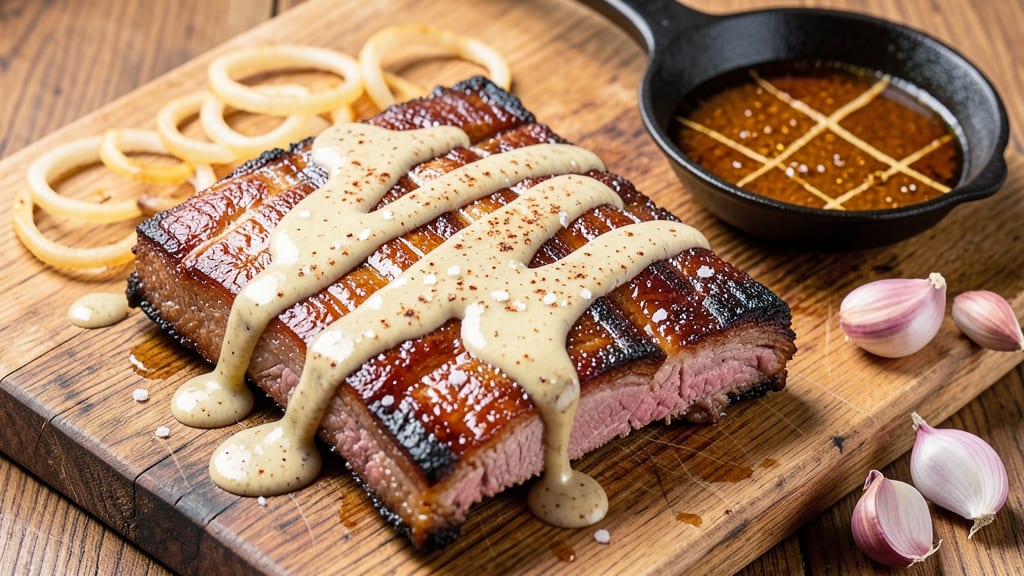
This American pork ribs recipe delivers the smoky, tender masterpiece you've been craving—fall-off-the-bone meat with a perfect bark that's crispy yet sticky. After years of perfecting techniques from my time at Charleston's pitmasters, I've simplified the process without sacrificing that restaurant-quality depth.
The secret lies in the 3-2-1 method, a foolproof approach that transforms tough ribs into melt-in-your-mouth perfection.
We'll start with a dry rub that balances sweet, smoky, and spicy flavors, then move to either a traditional smoker, grill, or even your oven—because great ribs shouldn't require specialized equipment. The key is patience: letting the ribs rest before serving ensures every bite stays juicy.
This method works whether you're feeding a crowd or treating yourself to a Sunday dinner that feels like a celebration.
What you'll end up with is ribs that are tender enough to shred with a fork while maintaining that coveted caramelized crust. The aroma alone will have everyone gathering around your table, and the flavor—smoky, slightly sweet, with just the right amount of heat—will make this your new go-to recipe.
Pair with classic sides like collard greens or cornbread for the full Southern experience.
Whether you're using a smoker, grill, or oven, this recipe adapts to your setup while delivering restaurant-quality results every time. The beauty of this method is its flexibility—perfect for beginners but refined enough for pitmasters. Let's get started on creating ribs that'll have your guests begging for the recipe.
Ingredients for american pork ribs
Six ingredients make the rub, plus a few extras for that restaurant-quality bark and melt-in-your-mouth tenderness.
| Ingredient | Amount | Notes |
|---|---|---|
| Baby Back Pork Ribs 🍖 | 4 lb | Bone-in, meaty ends included |
| Yellow Mustard 🍯 | ¼ cup | For sticky bark application |
| Brown Sugar 🍚 | ½ cup | Packed, light or dark |
| Smoked Paprika 🌶️ | 2 tbsp | For deep smoky flavor |
| Garlic Powder 🧄 | 1 tbsp | Fresh ground preferred |
| Onion Powder 🧅 | 1 tbsp | For sweet depth |
| Ground Black Pepper 🌶️ | 1 tbsp | Freshly cracked |
| Kosher Salt 🧂 | 1 tbsp | Diamond Crystal preferred |
| Cayenne Pepper 🔥 | ½ tsp | Adjust for heat |
| Apple Cider Vinegar 🍎 | 2 tbsp | For tenderizing |
| Wood Chips (Hickory or Cherry) 🌳 | 1 bag | Soaked for 30 minutes |
| Apple Juice 🍏 | 1 cup | For spritzing during cook |
| Unsalted Butter 🧈 | ½ cup | Melted for basting |
| Fresh Rosemary 🌿 | ¼ cup | Chopped, for aroma |
The ribs are the star, so baby back pork is your best bet—more meat, less bone. Costco or Whole Foods often have the best quality, but any well-marbled cut works. Look for ribs with good fat coverage; that's where the flavor hides. If you're buying frozen, thaw in the fridge overnight—never at room temperature. For the wood chips, hickory gives classic smoky depth while cherry adds subtle sweetness. Most grocery stores carry these, but specialty markets like Williams Sonoma have more variety.
No smoked paprika? Regular paprika plus a pinch of liquid smoke gets you close. Want more heat? Add another 0.5 tsp cayenne. The apple cider vinegar tenderizes beautifully, but lemon juice works in a pinch. For the rub, I always toast the spices in a dry pan for 30 seconds—wakes up the flavors. If you're short on time, skip it, but trust me, it's worth the extra minute. The mustard is non-negotiable for that sticky bark—Dijon mustard if you're feeling fancy, but regular yellow works too.
Store your dry rub in an airtight container for up to 3 months. The ribs themselves? Wrap tightly in foil and refrigerate for 2 days max—they're best eaten fresh off the smoker. For leftovers, reheat at 300°F for 15 minutes with a splash of apple juice. I always make extra ribs—freeze portions for 3 months—because nothing beats ribs straight from the smoker, but reheated ribs are still a crowd-pleaser.
Why You'll Love This Recipe
- No-Fuss Prep: I’ll be real—this recipe takes less time than waiting for takeout. Just slather those ribs with that sweet-tangy mustard mix (brown sugar + smoked paprika + garlic powder), slap them on the grill or oven rack, and let them do their thing. No brining, no wrapping, no stress.
- Sweet-Smoky Magic: That brown sugar caramelizes into a sticky glaze while the smoked paprika adds this deep, smoky warmth—like a hug for your taste buds. The yellow mustard ties it all together with that sharp, creamy kick that makes every bite ridiculously good.
- Leftovers? More Like Leftovers Party: Between us, these ribs taste even better the next day. I’ll make a double batch on Sunday, wrap the extras in foil, and reheat them for sandwiches all week. (Yes, even on a Tuesday night when I’m too tired to cook.)
- Budget-Friendly Crowd-Pleaser: A full pack of baby backs feeds six for under $20, and the dry rub costs pennies. It’s my go-to for game days, potlucks, or when I need to feed my college kid’s friends without breaking the bank. Plus, the leftovers stretch into tacos or salads—zero waste.
Step-by-step instructions for smoky American pork ribs
Here's the method that delivers restaurant-quality ribs at home—crispy bark and melt-in-your-mouth tenderness.
Prepare the Ribs for Maximum Flavor
Pat the 4 lb baby back pork ribs completely dry with paper towels—this is crucial for that perfect bark. I like to work in batches if they don't fit easily on my cutting board. Once dry, place them meat-side down and use a sharp boning knife to score the fat cap in a crosshatch pattern, being careful not to cut into the meat. This creates more surface area for the rub to cling to and helps render the fat during cooking.
In a small bowl, combine the 0.5 cup packed brown sugar, 2 tbsp smoked paprika, 1 tbsp garlic powder, 1 tbsp onion powder, 1 tbsp ground black pepper, 1 tbsp kosher salt, and 0.5 tsp cayenne pepper. Mix well until fully incorporated. This dry rub is the flavor foundation—don't skimp on the mixing. Once combined, generously coat both sides of the ribs with the mixture, pressing it into every crevice. The ribs should look uniformly dusted with the rub when you're done.
Create the Sticky Glaze for Irresistible Bark
In a separate small bowl, whisk together the 0.25 cup yellow mustard and 2 tbsp apple cider vinegar until smooth. This mixture serves two purposes: it tenderizes the meat slightly and creates that signature sticky bark. Using a pastry brush, carefully apply this mustard mixture all over the rubbed ribs, including the scored fat cap. The mustard will help the rub stick to the meat during the cooking process and create that coveted caramelized crust.
Let the prepared ribs sit at room temperature for 30 minutes while you set up your smoker. This resting period allows the rub to penetrate the meat and ensures even cooking. I know it's tempting to skip this step, but trust me—it makes a noticeable difference in both flavor and texture.
Set Up Your Smoker for Perfect Results
Soak the 1 bag of wood chips (either hickory or cherry) in water for 30 minutes before using. This prevents them from burning and creates more smoke. Fill your smoker with the soaked wood chips and preheat to 225°F. I've found this lower temperature is key for achieving tender meat without drying it out. Once the smoker reaches temperature and you see clean, blue smoke (not thick white steam), you're ready to cook.
Place the ribs bone-side down on the smoker grates. This position helps render the fat and creates that beautiful bark on the meaty side. Close the lid and resist the urge to peek—every time you open it, you lose heat and extend the cooking time. The ribs will need about 3 hours to reach the stall phase, where the internal temperature stops rising around 165°F. This is normal and something you can't avoid, but we'll handle it properly in the next step.
Handle the Stall and Finish with Butter Baste
When the ribs hit the stall (around 165°F internal temperature), it's time for the "Texas crutch" technique. Wrap the ribs tightly in heavy-duty aluminum foil with all the accumulated juices. This helps push through the stall while maintaining moisture. Return them to the smoker and continue cooking until the internal temperature reaches 203°F, which should take another 1.5 to 2 hours.
About 30 minutes before the ribs are done, remove them from the smoker and brush all sides with the melted 0.5 cup unsalted butter mixed with the chopped 0.25 cup fresh rosemary. This basting step adds incredible flavor and helps create a glossy finish. Return the ribs to the smoker for the final 15 minutes of cooking to let the butter crisp up and develop that beautiful bark.
Rest and Serve with Apple Juice Glaze
Once the ribs reach 203°F internal temperature, remove them from the smoker and let them rest for 10 minutes. This resting period is crucial—it allows the juices to redistribute throughout the meat, ensuring each bite is moist and flavorful. During this time, preheat your broiler to high.
After resting, transfer the ribs to a baking sheet and place them under the broiler for 2-3 minutes. This final step creates a beautiful caramelized finish. While they're broiling, heat the 1 cup apple juice in a small saucepan over medium heat until it reduces by half, about 5-7 minutes. This creates a glossy glaze that perfectly complements the smoky ribs.
Serve the ribs hot, drizzled with the apple juice glaze. The meat should be so tender it falls off the bone with just a gentle pull, and the bark should be dark and crispy with beautiful cracks. Each bite delivers perfect balance of smoky, sweet, and tangy flavors that will have everyone coming back for seconds.
Pro Tips For Making American Pork Ribs
- TRIM THE FAT CAP: I used to leave the fat untouched, thinking it added flavor—but it just makes the ribs greasy and slows down the cooking. Grab kitchen shears and trim the thick fat cap down to a thin layer (about 1/4-inch). This lets the dry rub stick better and speeds up the caramelization of the brown sugar.
- SALT THE RIBS FIRST: Skip the rush to slap on the dry rub immediately. Instead, coat the ribs in kosher salt (about 1 teaspoon per pound) and let them sit uncovered in the fridge for at least 4 hours—or overnight if you’re patient. This breaks down the proteins, making them tender, and gives the mustard-based glaze something to really cling to.
- DON’T SKIP THE SPRITZ: After the first hour of cooking (whether on a grill or in the oven), pull the ribs and hit them with a spray bottle of apple cider vinegar or water. This keeps the surface moist, prevents a dry crust, and helps the brown sugar melt into a glossy, sticky glaze instead of burning into a bitter crust.
- USE A THICK MUSTARD LAYER: Thin mustard spreads like water—it won’t stick. Mix your yellow mustard with a splash of water (about 1 tablespoon per ¼ cup mustard) to thin it slightly, then brush it on generously after the ribs have a good sear. The thicker the layer, the more it’ll caramelize into a sweet-tangy crust when the brown sugar hits. (Yes, it’ll look messy—trust me.)
Wine and beer pairings for this american pork ribs
Southern Smoky Reds
For ribs cooked low and slow, nothing beats a bold Zinfandel from California's Central Coast. I love Seghesio Sonoma Coast Zinfandel—its dark fruit flavors and subtle oak notes complement the smoky, caramelized bark beautifully.
The acidity cuts through the richness while the tannins stand up to the meat's intensity. Serve slightly chilled to let the wine's structure shine against the ribs' smokiness. 🍷
Craft Beer Pairings
A crisp, smoky American IPA like Dogfish Head 60 Minute IPA brings citrusy brightness that contrasts the ribs' sweet-savory profile. The hop bitterness cleanses your palate between bites, while the malt backbone holds up to the smoky depth.
For a lighter option, try a wheat beer like Allagash White—its coriander and orange peel notes mirror the ribs' caramelized crust. 🍺
Sweet & Tangy Wines
If you prefer white wines, a Viognier from California's Central Coast delivers floral notes that harmonize with the ribs' rosemary finish. I particularly enjoy Ramey Viognier—its peach and apricot flavors echo the caramelized sweetness of the bark.
For a sparkling option, Champagne or a crisp Prosecco adds effervescence that refreshes the palate between rich bites. The acidity in these wines helps balance the meal's richness. ✨
Regional Beer Specialties
In the Southeast, where I grew up, Southern-style bourbon barrel-aged stouts like Goose Island Bourbon County Stout are perfect. The vanilla and caramel notes from the bourbarrel aging complement the ribs' smoky-sweet profile beautifully.
For a lighter regional option, try a North Carolina craft lager like New Belgium Fat Tire Amber Ale—its malty sweetness and subtle hop bitterness create a balanced pairing. 🔥
Non-Alcoholic Options
For those skipping alcohol, a smoky blackberry iced tea made with hibiscus tea and blackberry syrup creates a refreshing contrast. The tartness of the tea cuts through the ribs' richness while the smoky notes from the tea enhance the meal's overall flavor profile.
Another great option is ginger beer—its spicy kick complements the ribs' heat and sweetness without overpowering the smoky flavors. 💫
Nutrition facts
Frequently asked questions
Can I use this recipe with spare ribs instead of baby back ribs?
Yes, but you'll need to adjust the cooking time! Spare ribs are thicker and tougher, so plan for 4-5 hours total cook time instead of 3. The 3-2-1 method still works—just extend the unwrapped time to 3.5 hours, wrapped time to 2.5 hours, and final bark time to 30 minutes. The bark will be thicker, so expect a deeper flavor profile.
What if I don't have a smoker? Can I make these ribs in the oven?
Preheat your oven to 275°F and place a water pan on the bottom rack to create moisture. Cook the ribs on a wire rack over a baking sheet for 2.5 hours (unwrapped), then wrap tightly in foil with apple juice and cook another 2 hours until they reach 203°F. For bark, broil for 3-5 minutes at the end. The texture will be slightly different but still delicious!
Why do my ribs always turn out dry?
Most likely, you're cooking them too hot or not wrapping during the stall. Ribs need to cook low and slow—225°F is ideal. The stall (around 165°F) is critical: wrap them tightly in foil with juices to push through. Also, never skip the 10-minute rest—this lets juices redistribute. Pro tip: Spritz with apple juice every 30 minutes during unwrapped time to keep them moist.
How do I make this recipe spicier?
Boost the cayenne to 1-1.5 teaspoons in the rub, or add 1 teaspoon of chipotle powder for smoky heat. For extra kick, sprinkle ribs with ½ teaspoon cayenne before the final broil. Pair with cooling sides like creamy coleslaw or pickled jalapeños to balance the heat. Remember: start with less if you're new to spicy ribs!
Can I make these ribs ahead of time?
Yes! Cook the ribs completely, then cool and refrigerate in an airtight container for up to 3 days. To reheat, wrap in foil and bake at 300°F for 20-30 minutes with a splash of apple juice. For leftovers, store in the fridge for 4 days or freeze for 3 months. The bark will soften slightly but the meat stays tender. Re-crisp under the broiler for 2-3 minutes before serving.