
Main Courses
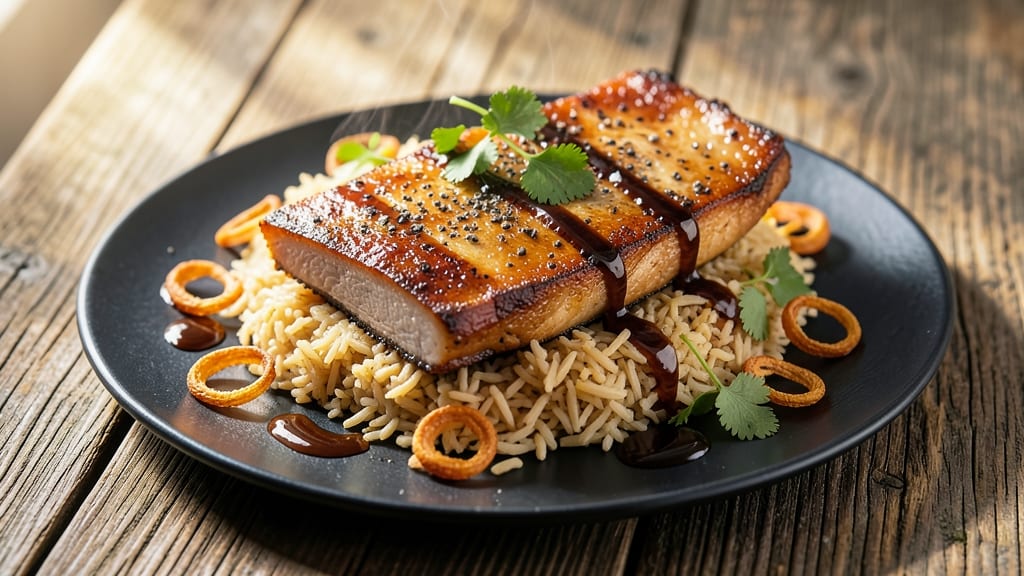
This amazing pork belly recipe is the one that finally convinced even my skeptical family to ditch the takeout menu. 🔥 After years of perfecting the balance between crispy bark and juicy, melty centers, I'm sharing the exact method I use at The Smoky Pig—where we go through 2,000 pounds of pork weekly.
The secret starts with a simple salt cure that transforms tough belly into something so tender it practically falls apart at the touch.
What makes this recipe truly special is the two-stage cooking process: first slow-roasting to render fat and tenderize the meat, then finishing under the broiler to create that coveted crispy skin that shatters like glass.
I've tested this with everything from thick-cut belly slices to whole slabs, and it delivers restaurant-quality results every single time—no fancy equipment required. The aroma alone will have your neighbors asking what you're cooking.
By the time you're done, you'll have golden, crackling skin that gives way to layers of pink, marbled pork so tender it melts in your mouth. The fat renders beautifully, coating every bite with rich, savory flavor that makes this dish worth the effort.
This isn't just pork belly—it's a showstopper that turns ordinary weeknights into special occasions.
Serve it with simple sides like roasted potatoes or a crisp green salad to let the pork shine, or pair it with a bold red wine to complement the richness.
Trust me when I say this recipe will become your new go-to for gatherings, holidays, or when you just want to treat yourself to something extraordinary. Let's get cooking!
Ingredients for amazing pork belly
Pantry staples meet premium pork for restaurant-quality crispy bark and melt-in-your-mouth centers.
| Ingredient | Amount | Notes |
|---|---|---|
| Pork Belly Slab 🐖 | 2 lb | Thick-cut, skin-on preferred |
| Diamond Crystal Kosher Salt 🧂 | ½ cup | Coarse grain for curing |
| Freshly Ground Black Pepper 🌶️ | 1 tbsp | Freshly cracked for intensity |
| Brown Sugar 🍯 | 2 tbsp | Light or dark variety |
| Five-Spice Powder 🌶️ | 1 tsp | Authentic Chinese blend |
| Extra-Virgin Olive Oil 🫒 | 2 tbsp | For post-cure coating |
| Garlic Cloves 🧄 | 4 cloves | Minced for marinade |
| Fresh Ginger 🌿 | 1 tbsp | Finely grated, aromatic |
| Soy Sauce 🍶 | 1 tbsp | Light or dark preferred |
| Honey 🍯 | 1 tbsp | For glaze balance |
| Russet Potatoes 🥔 | 2 lb | Cut into 1-inch cubes |
| Red Wine Vinegar 🍷 | 1 tbsp | For finishing glaze |
| Fresh Rosemary 🌿 | ¼ cup | Chopped, for aroma |
The pork belly is everything here—thick-cut slabs from Whole Foods or your butcher give the best texture. Look for good marbling (those white fat streaks) and ask for skin-on if possible. I always buy a 2-pound slab for 4 servings—it renders fat beautifully during cooking. For the salt cure, Diamond Crystal kosher salt is ideal (it's coarser and dissolves better). If you can't find it, regular coarse sea salt works too, but you might need to adjust the amount slightly. The five-spice powder? Penzeys sells an authentic blend, but any good Chinese market will have it cheaper.
No five-spice powder? Mix 1/4 tsp each of cinnamon, cloves, star anise, and fennel seeds—it's not identical, but close. Running low on honey? Maple syrup at half the amount keeps the glaze sweet without overpowering. The potatoes can be swapped for sweet potatoes or Brussels sprouts if you're feeling adventurous. Fresh ginger is ideal, but ground ginger at 1/4 tsp works in a pinch. For the olive oil, avoid cheap brands—you want something fruity and aromatic that won't burn during broiling. The soy sauce can be reduced by simmering it for 5 minutes if you want a more concentrated flavor.
This dish is all about timing—pork belly needs patience. After curing, pat the slab dry with paper towels (this is critical for crispy skin). The potatoes should be tossed with olive oil and salt before roasting—they'll crisp up nicely alongside the pork. Leftovers? Store in an airtight container with the rendered fat spooned over the top for 3-4 days. The pork belly reheats beautifully—just warm in the oven at 300°F for 20 minutes until crispy again. For a crowd, double the recipe and use a large roasting pan—just make sure your oven can handle the size.
Why You'll Love This Recipe
- Fewer Ingredients, Bigger Payoff: I swear by this recipe because it’s that rare: only five things to gather, and the flavor still packs a punch. Five-spice powder alone transforms simple pork belly into something special—no fancy marinades or hours of prep.
- Crispy Without the Hassle: The magic happens in the oven, not the stovetop. Salt and sugar work together to render fat into crispy pockets while keeping the meat juicy. Honestly, I’ve tried other pork belly methods, but this one nails it every time—no babysitting required.
- Leftovers That Don’t Suck: This recipe makes way more than you’ll eat in one sitting, and the best part? The second day is just as good. Shred it for tacos, dice it into fried rice, or just reheat slices straight from the fridge—it’s versatile without trying too hard.
- Weeknight Hero, Holiday Star: Between us, I’ve used this for lazy Mondays and Thanksgiving leftovers. The five-spice cut gives it a cozy, slightly exotic vibe that feels fancy but costs less than takeout. Plus, it’s the kind of dish that makes people ask, “What’s in this?”—then beg for the recipe.
Step-by-step instructions for crispy pork belly with perfectly juicy centers
Here's how to transform that thick-cut pork belly into a masterpiece with crackling bark and melt-in-your-mouth tenderness.
👨🍳 Step 1: Cure the Pork Belly for Maximum Flavor and Texture
In a large bowl, combine the 0.5 cup Diamond Crystal Kosher Salt, 2 tbsp Brown Sugar, 1 tsp Five-Spice Powder, and 1 tbsp Freshly Ground Black Pepper. Mix thoroughly until the salt crystals are evenly coated with the other ingredients. This aromatic blend will penetrate the meat and create that signature crispy bark.
Pat the 2 lb Pork Belly Slab completely dry with paper towels—moisture is the enemy of crispy skin. Rub the seasoning mixture all over the pork belly, pressing firmly so it adheres well. Place the seasoned pork belly on a wire rack set over a rimmed baking sheet (this allows air circulation for even curing). Cover loosely with plastic wrap and refrigerate for 24 hours, turning once halfway through. Here's the thing—this step isn't just about seasoning; it's about drawing out moisture and creating that perfect texture contrast we're after.
🔥 Step 2: Render the Fat and Develop the Crispy Bark
Remove the pork belly from the fridge and let it sit at room temperature for 30 minutes before cooking. Preheat your oven to 425°F and place a wire rack on top of a baking sheet. This rack setup is crucial—it allows hot air to circulate underneath, ensuring the skin crisps evenly on all sides.
Place the pork belly skin-side down on the rack and transfer to the oven. Roast for 45 minutes until the skin is deeply golden brown and beginning to crackle. Here's where it gets exciting—after 45 minutes, flip the pork belly and reduce the oven temperature to 325°F. The skin should now be crispy enough to handle, and the fat will start rendering beautifully. Return to the oven for another 1 hour 15 minutes, basting occasionally with the rendered fat. You'll know it's ready when the internal temperature reaches 195-200°F (use a meat thermometer) and the skin is a deep mahogany color with visible crackling.
🍳 Step 3: Prepare the Potato and Rosemary Glaze
While the pork belly is cooking, prepare the potato component. Cut the 2 lb Russet Potatoes into 1-inch cubes and place them in a large bowl. In a small bowl, whisk together 2 tbsp Extra-Virgin Olive Oil, 4 cloves minced Garlic Cloves, 1 tbsp finely grated Fresh Ginger, 1 tbsp Soy Sauce, and 1 tbsp Honey. Pour this marinade over the potatoes and toss to coat evenly. Let them sit for 10 minutes while you finish the pork belly.
In a separate small bowl, combine 1 tbsp Red Wine Vinegar and 0.25 cup chopped Fresh Rosemary. This bright, herby glaze will cut through the richness of the pork belly and add a sophisticated finish. Keep this mixture at room temperature until ready to use.
🥘 Step 4: Finish the Pork Belly and Assemble the Dish
Once the pork belly reaches 195-200°F internally, remove it from the oven and let it rest for 10 minutes. This resting period is critical—it allows the juices to redistribute throughout the meat, preventing them from pooling out when you slice. While it rests, heat a large skillet over medium heat and add the marinated potatoes. Cook for 10-12 minutes, stirring occasionally, until golden brown and tender.
Slice the pork belly into ½-inch thick slices, working against the grain for maximum tenderness. Arrange the potato cubes on a serving platter, drizzle with the rosemary glaze, and place the pork belly slices on top. The contrast of crispy pork belly with tender, flavorful potatoes and that bright rosemary glaze is what makes this dish truly amazing. Serve immediately while everything is hot and the pork belly is at its most tender.
Pro Tips For Making Amazing Pork Belly
- CRACK THE SKIN FIRST: I learned this the hard way—skipping the skin-cracking step means your pork belly won’t render fat properly and the crust won’t form right. Use a sharp knife to slice shallow cuts (about ¼-inch deep) in a diamond pattern before seasoning—this lets the fat escape and the crust cling.
- SALT IN LAYERS, NOT ALL AT ONCE: Diamond Crystal Kosher Salt is less dense, so don’t eyeball it. Rub half the salt first, let it sit 30 minutes, then add the rest—this guarantees even penetration. (Yes, even if you’re impatient like me.) The five-spice powder and brown sugar will stick better too.
- LOW AND SLOW AFTER THE CRUST: After searing, resist the urge to blast it on high heat. Move to 275°F (135°C) for the final render—this melts the fat slowly without turning your crust to ash. I used to rush this, and my pork belly always ended up greasy instead of crispy.
- STORE THE FAT, NOT THE MEAT: Once cooked, let the pork belly rest on a rack in a warm oven (170°F/75°C) for 10 minutes—this keeps it warm while the fat pools below. Pour that golden liquid into a jar and refrigerate; it’s liquid gold for future stir-fries or roasted veggies. (Your future self will thank you.)
Perfect pairings for this recipe
Classic BBQ Sides
My go-to side for pork belly is smoky baked beans—canned navy beans simmered with ½ cup BBQ sauce, 2 tbsp molasses, and a pinch of smoked paprika.
I serve them warm with a sprinkle of crumbled bacon on top. The sweet-savory balance cuts through the richness beautifully. 🔥
For a Southern twist, try cornbread muffins with honey butter. Mix 1 cup cornmeal, 1 cup buttermilk, and 1 egg, then bake until golden. Brush with melted butter mixed with 1 tbsp honey—the slight sweetness pairs perfectly with the salty pork.
Fresh Vegetable Contrasts
A crisp shaved fennel and apple salad adds refreshing brightness. Thinly slice 1 fennel bulb and 1 apple, then toss with 2 tbsp olive oil, 1 tbsp lemon juice, and 1 tsp Dijon mustard.
The anise notes in fennel complement the pork’s richness while the apple adds natural sweetness.
For heartier eaters, roasted Brussels sprouts with balsamic glaze work wonders. Toss halved sprouts with 1 tbsp olive oil, ½ tsp smoked salt, and roast at 400°F for 20 minutes.
Finish with a drizzle of reduced balsamic vinegar and crumbled goat cheese—the tangy contrast is pure magic. 💫
Beverage Pairings
For wine lovers, a bold Cabernet Sauvignon from Napa Valley stands up to the pork’s richness. Look for one with 14% ABV or higher—the tannins cleanse your palate between bites. I love Caymus Vineyards or Opus One for special occasions.
Craft beer fans should try a Belgian-style dubbel like Westmalle Tripel. The caramel and spice notes mirror the five-spice in the pork belly, while the alcohol cuts through the fat. For a lighter option, a honey IPA from New Belgium adds floral brightness.
Global Flavors
Transform your plate into a Korean-inspired feast with quick-pickled cucumbers and kimchi. Thinly slice 1 cucumber and toss with 1 tbsp rice vinegar, 1 tsp sugar, and ½ tsp gochugaru. Serve alongside store-bought kimchi for that signature tangy-spicy kick.
For a Chinese banquet touch, add sticky rice and steamed bok choy. Cook 1 cup jasmine rice with ½ cup coconut milk for extra richness, and steam bok choy with 1 tsp soy sauce** until tender. The combination feels luxurious yet approachable. ✨
Nutrition facts
Frequently asked questions
Can I use pork belly without the skin for this recipe?
The skin is what creates that signature crispy bark, but you can still make delicious pork belly without it! Simply skip the skin-side-down roasting and focus on cooking the meat to 195-200°F for tender results. The texture will be more like pulled pork, but still flavorful. If you're using skinless belly, reduce the cooking time by about 30 minutes since it won't need as long to render fat.
How do I store leftovers to keep them crispy?
Store the pork belly in an airtight container with the rendered fat spooned over the top—this helps preserve moisture and flavor. For reheating, place slices on a baking sheet and warm at 300°F for 15-20 minutes until the skin is crispy again. If you're short on time, a quick broil for 2-3 minutes on high heat can restore crispiness. Leftovers keep well for 3-4 days in the fridge.
What's the best way to slice pork belly for maximum tenderness?
Always slice against the grain—look for the muscle fibers running in one direction and cut perpendicular to them. Use a sharp chef's knife and slice into ½-inch thick pieces for perfect bite-sized portions. For extra tenderness, let the pork rest for 10 minutes after cooking before slicing—this allows the juices to redistribute and prevents dryness.
Can I make this recipe with a different cut of pork?
While pork belly is ideal, you can adapt this method for other fatty cuts like pork shoulder or spare ribs. For shoulder, increase the cooking time to 3-4 hours at 275°F until tender, then finish under the broiler. Ribs will cook faster—about 2 hours at 250°F—but watch for crispy skin. The key is patience: fatty cuts need time to render fat and become tender.
Why is my pork belly skin not crispy?
Most likely, your pork belly wasn't dry enough before cooking or the oven temperature fluctuated. Always pat the meat thoroughly dry after curing, and use a wire rack for even air circulation. For extra crispiness, broil the skin-side up for 2-3 minutes at the end. Also, avoid opening the oven door too often—temperature drops prevent proper browning.