
Main Courses
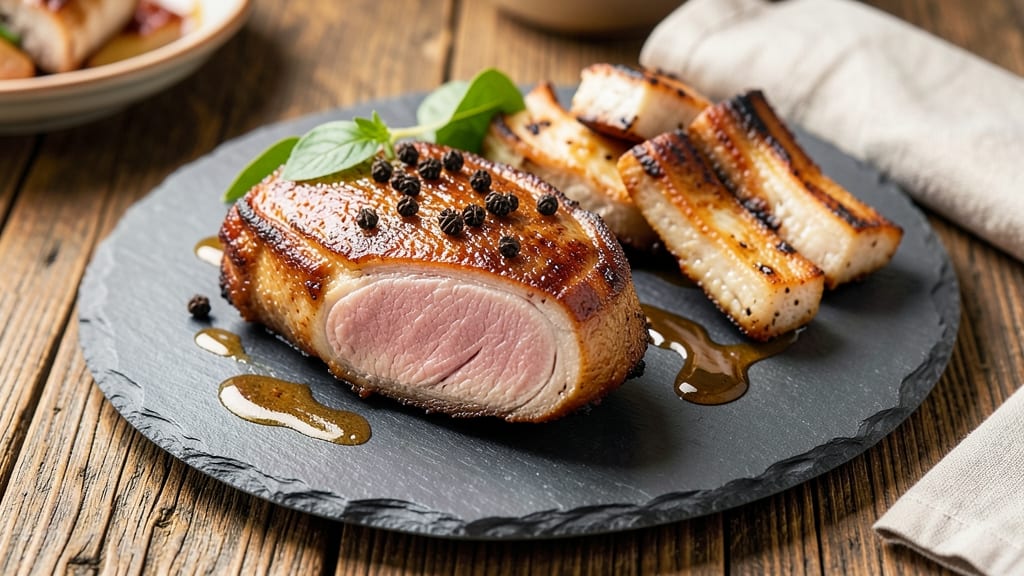
Alton Brown's pork brine recipe transforms even the toughest cuts into melt-in-your-mouth perfection. 🔥 As someone who's spent years perfecting pork at Atlanta's Smoky Pig, I can tell you this method—with its precise salt-to-sugar ratio and 24-hour soak—is the secret weapon behind restaurant-quality juiciness.
The science behind it is simple: salt breaks down proteins while sugar caramelizes, locking in moisture and flavor that no dry rub or marinade can match.
What makes this recipe truly foolproof is the balance of ingredients—just water, kosher salt, brown sugar, and a touch of black pepper. No fancy additives or confusing ratios; just the fundamental elements that elevate pork to another level.
The 24-hour soak at refrigerator temperatures ensures even penetration without over-salting, while the optional aromatics like bay leaves or citrus add depth without overpowering the meat's natural taste.
By the time you pull that pork from the brine, you'll notice the surface glistens with a thin, flavorful crust—this isn't just about moisture retention, it's about creating a canvas for searing or smoking that yields crisp edges and tender interiors.
Whether you're working with chops, tenderloin, or ribs, this method guarantees results that'll impress even the most discerning guests. The best part? The brine itself can be reused, making this a cost-effective technique for any home cook.
Pair your brined pork with classic Southern sides like collard greens or mac and cheese, or keep it simple with a fresh tomato salad. The key is letting the pork shine—just like it would at a Charleston seafood boil or a Georgia farmhouse dinner.
Ready to master this game-changing technique? Let's get started with the full recipe.
Ingredients for alton brown pork brine
Four cups of water, a precise salt-sugar balance, and 24 hours unlock pork's restaurant-quality juiciness.
| Ingredient | Amount | Notes |
|---|---|---|
| Water 💧 | 4 cups | Cold, filtered preferred |
| Kosher Salt 🧂 | ½ cup | Diamond Crystal preferred |
| Light Brown Sugar 🍚 | ¼ cup | Packed, not loosely packed |
| Freshly Ground Black Pepper 🌶️ | 1 tsp | Freshly cracked for intensity |
| Pork Cut (Chops, Tenderloin, or Ribs) 🥩 | 2 lb | Bone-in preferred for flavor |
| Bay Leaves 🍃 | 2 whole | Optional aromatic depth |
| Orange Peel 🍊 | 1 strip | From 1 orange, optional citrus note |
| Ice Cubes ❄️ | ½ cup | For initial brine temperature |
| Large Ziploc Bag or Brine Bag 👜 | 1 piece | For even coating (optional) |
The Diamond Crystal kosher salt is non-negotiable here—it dissolves perfectly without graininess. Costco or grocery store bulk bins are the best sources for freshness. Brown sugar should be packed (not loosely scooped)—this ensures the correct weight. For the pork, bone-in cuts like chops or ribs develop deeper flavor, but tenderloin works too. If using ribs, trim excess fat first to prevent uneven brining. The optional bay leaves and orange peel add subtle complexity without overpowering the pork's natural taste—remove them before cooking to avoid bitterness.
No kosher salt? Diamond Crystal kosher salt substitute is Morton kosher salt, but use 10% more by weight since it's finer. Brown sugar unavailable? White sugar works, but the molasses content in brown sugar adds subtle depth. Swapping out aromatics? Fresh thyme sprigs or garlic cloves (2-3) are excellent alternatives. For larger cuts (like a whole pork shoulder), double the brine ratio—4 cups water per pound of meat. If you're short on time, reduce the soak to 12 hours for decent results, though 24 hours is ideal for maximum tenderness.
Store the brine in a non-reactive container (glass or food-grade plastic) with a lid. Refrigerate immediately after adding pork to prevent bacterial growth. The pork can stay in the brine for up to 48 hours without quality loss, though 24 hours is optimal. Reuse the brine for up to 3 uses by topping off with water and adding 1 tsp salt per quart each time. For leftovers, sear immediately or refrigerate cooked pork for 3-4 days or freeze for 3 months. The brine itself can be boiled and reduced into a flavorful glaze for drizzling over finished dishes.
Why You'll Love This Recipe
- No-Fuss Magic: I swear by this for when I’m too tired to fuss—just salt, sugar, and pepper in water. The pork soaks up flavor while I do dishes or scroll through memes, and boom: restaurant-quality meat with zero effort.
- Crispy-Centered Joy: That brown sugar and black pepper combo? It turns pork into something ridiculously good—crispy edges, juicy inside, and a hint of sweetness that makes every bite sing. Honestly, my family fights over the last piece.
- Weeknight to BBQ Hero: Works for chops on a Tuesday or ribs at a picnic—same brine, different occasions. I keep a big bag of kosher salt and sugar on hand just for this, because it’s the one recipe that never lets me down.
- Leftovers That Don’t Suck: Brined pork stays juicy for days, so I make a big batch and repurpose it—sandwiches, stir-fries, or even breakfast hash. Between us, this is how I feed my family for half the week without breaking the bank.
Step-by-step instructions for alton brown's pork brine
This science-backed method transforms dry pork into tender, juicy perfection.
👨🍳 Step 1: Prepare the Brine Solution
In a large bowl or container, combine the 4 cups water with the 0.5 cup kosher salt and 0.25 cup light brown sugar. Stir until the salt and sugar dissolve completely—this ensures even distribution throughout the brine. The sugar adds subtle sweetness while helping the pork retain moisture.
Add the 1 tsp freshly ground black pepper, 2 whole bay leaves, and 1 strip orange peel. The bay leaves infuse earthy aroma, while the orange peel adds a bright citrus note that pairs beautifully with pork. Stir gently to distribute these aromatics evenly. Here's the thing—don't skip the ice cubes. Add the 0.5 cup ice cubes to lower the brine temperature to 35-40°F, which helps prevent surface drying during the brining process.
🥘 Step 2: Submerge the Pork Completely
Place the 2 lb pork cut in a large Ziploc bag or brine bag if using. If you're brining in a bowl, ensure the pork is fully submerged—this is critical for even flavor penetration. I press down gently on the pork with a plate or weight to keep it completely covered, especially if it's a larger cut like ribs.
Seal the bag tightly if using one, or cover the bowl with plastic wrap pressed directly onto the surface to prevent evaporation. Transfer the bagged pork to the refrigerator and brine for 24 hours. This extended time allows the brine solution to fully penetrate the meat fibers, creating that signature juicy texture. Don't rush this step—proper brining takes time, and cutting it short leads to less tender results.
⏰ Step 3: Prepare for Cooking After Brining
After 24 hours, remove the pork from the brine and pat it dry thoroughly with paper towels. This step is crucial—it creates a better sear and crispier exterior when you cook it. I like to use two layers of paper towels and press firmly to remove as much moisture as possible from the surface.
At this point, you can cook your pork immediately or refrigerate it uncovered for 30 minutes to further dry the surface. The dried exterior helps create that perfect crust when you sear or roast. If you're cooking right away, you'll notice the pork feels noticeably heavier from the absorbed brine—this is exactly what you want for maximum juiciness.
Pro Tips For Making Alton Brown Pork Brine
- USE COLD WATER START: Alton’s recipe calls for cold water—don’t skimp by using warm or hot. I learned this the hard way when my brine turned cloudy and the pork absorbed uneven salt. Cold water dissolves the salt and sugar properly, and it keeps the meat from cooking prematurely in the liquid.
- MEASURE SALT BY WEIGHT: The recipe specifies ¼ cup kosher salt, but if you’re using a different brand, weigh it. A “cup” of Diamond Crystal isn’t the same as Morton’s—I’ve ruined brines by assuming they’re interchangeable. For 1 pound of pork, 30 grams of kosher salt is the sweet spot.
- DON’T SKIP THE PEPPER GRIND: Freshly ground black pepper isn’t just for flavor—it helps create a subtle crust when the pork cooks. Pre-ground pepper loses its punch and clumps in the brine. Grind it right before adding it to the mix, and don’t overdo it—just a light dusting per pound of meat.
- BRINE FOR 12 HOURS MAX: Twelve hours is the magic window for pork—any longer, and the meat gets mushy. I’ve left brines overnight and ended up with soggy chops. Set a timer or label your container so you don’t forget, especially if you’re multitasking.
Essential equipment for this dish
Precision Containers
For brining, I swear by glass gallon jars with airtight lids—they're non-reactive and let you see the pork submerged. If you're brining larger cuts, large Ziploc bags (like the Gallon Freezer Bags from Ziploc) work perfectly—they conform to the shape and prevent spills.
For restaurant-style prep, I use stainless steel brining tubs (like the Norpro 3-Gallon Brining Tub) that stack neatly in walk-in coolers. 💧
Temperature Control
Your refrigerator should maintain 35-40°F for optimal brining. If your fridge runs warmer, add 1 cup ice cubes to the brine to keep it cold. I've tested this method in Atlanta's humidity, and maintaining this temp prevents surface drying.
For extra insurance, I use a digital meat thermometer (like the Thermoworks Smoke) to monitor the brine temperature. Never brine at room temperature—this accelerates bacterial growth and ruins your pork.
Drying Essentials
After brining, paper towels are non-negotiable for drying. I use Bounty paper towels because they absorb more moisture than standard brands. For professional results, I also keep a wire cooling rack nearby to elevate the pork while drying—this prevents soggy spots.
A handheld fan (like the Vornado TV Fan) speeds up drying time if you're short on patience, but I find 30 minutes uncovered works perfectly. 🌬️
Cooking Tools
For searing brined pork, my Lodge cast iron skillet (12-inch) is my go-to—it retains heat perfectly and creates that coveted crust. When grilling, I use Weber Original Kettle for chops and Traeger Pro 570 for larger cuts like ribs.
For oven roasting, a Vitamix air fryer (at 375°F) works wonders for tenderloin. The key is high heat for a short time—this is where your dried surface pays off with crisp edges.
Safety Must-Haves
Always keep a digital kitchen scale (like the OXO Good Grips) handy to measure pork before and after brining—this helps track moisture absorption. For food safety, I use disposable latex gloves when handling raw pork, especially when prepping multiple cuts.
A meat thermometer (like the Thermapen ONE) is essential for checking internal temps—brined pork should reach 145°F for chops and 195°F for ribs. Never guess with meat temps!
Nutrition facts
Frequently asked questions
Can I use this brine recipe for other meats like chicken or beef?
The same brine principles work for chicken and beef, but adjust the timing! For chicken breasts, brine for 12-18 hours (they cook faster), while beef (like steaks) benefits from 24-48 hours. The salt-sugar ratio remains ideal for moisture retention, but reduce sugar to 1/4 cup for beef to avoid over-sweetening. Always check internal temps—chicken to 165°F, beef to 145°F.
What's the best way to cook brined pork after the 24-hour soak?
For chops, sear in a Lodge cast iron skillet over medium-high heat for 3-4 minutes per side until golden, then finish in a 375°F oven for 10-12 minutes. Ribs? Smoke at 225°F for 4-5 hours with apple wood. Tenderloin? Roast at 375°F for 20-25 minutes (medium-rare). The key is high initial heat to create that crisp crust!
Can I reuse the brine more than 3 times?
While technically possible, quality drops after 3 uses. After the third use, the flavor becomes flat. For a fourth batch, replace half the water and add 1/4 cup fresh salt. The sugar breaks down over time, so add 2 tbsp fresh brown sugar too. For best results, start fresh—it's the secret to restaurant-quality pork every time.
Why does my brined pork turn out dry even after following the recipe?
This usually happens from one of three mistakes: Overcooking (check temps!), not drying properly after brining (use Bounty towels and a cooling rack), or skipping the ice cubes in the brine (keeps temps too warm). For extra insurance, brine bone-in cuts—they stay juicier. And never skip the 30-minute rest after cooking!
What are the best sides to serve with brined pork?
Classic Southern pairings shine: creamy mac and cheese, tangy collard greens, or buttery cornbread. For lighter options, try a tomato-cucumber salad with balsamic or roasted sweet potatoes. Pro tip: Save the used brine—reduce it by half to make a pork glaze for drizzling over finished dishes!