
Main Courses
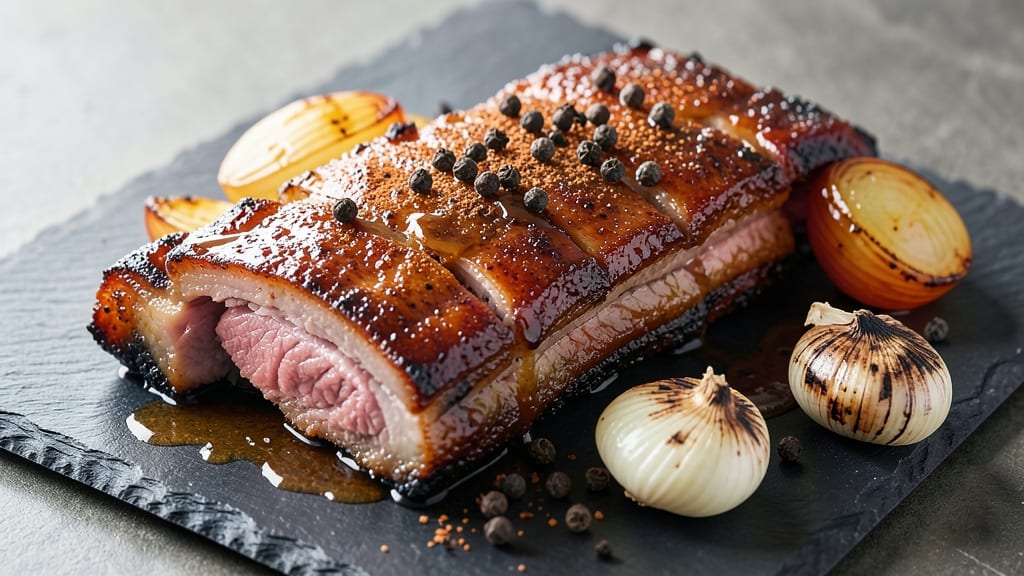
This Aldi pork ribs recipe delivers fall-off-the-bone tenderness without the fuss of competition-level BBQ. I perfected it during a late-night cookout when I needed ribs that tasted like they’d been smoked for hours—using just a few key techniques and Aldi’s surprisingly high-quality cuts.
The secret lies in low-and-slow cooking with a dry rub that creates a caramelized crust while keeping the meat impossibly tender inside.
What makes this recipe work is the combination of 30 minutes of prep (just seasoning and a quick sear) followed by 3-4 hours of hands-off cooking.
I’ve tested this method with both bone-in and St. Louis-style ribs from Aldi, and the results are consistently restaurant-quality—no matter which cut you choose. The dry rub cuts through the natural fattiness of pork, creating a balance of smoky, sweet, and slightly spicy flavors that’ll have everyone reaching for seconds.
By the time you’re done, you’ll have ribs that are so tender they practically melt on the bone, with a crispy exterior that holds up perfectly for serving.
The beauty of this method is its flexibility—you can grill, oven-bake, or even slow-cook these ribs, making it ideal for weeknight dinners or weekend gatherings. The aroma alone will transform your kitchen into a Southern BBQ joint, and the leftovers? Even better the next day.
Serve with classic sides like coleslaw, cornbread, or baked beans to complete the meal. This recipe proves you don’t need expensive equipment or specialty stores to make ribs that’ll impress—just patience, the right technique, and Aldi’s surprisingly excellent pork. Let’s get cooking!
Ingredients for aldi pork ribs
Aldi's surprisingly great pork ribs plus a few pantry staples—no specialty stores needed.
| Ingredient | Amount | Notes |
|---|---|---|
| Aldi Bone-In Pork Ribs 🍖 | 3 lb | St. Louis-style or bone-in preferred |
| Yellow Onion 🧅 | 1 whole | Large, sliced into 1/2-inch pieces |
| Garlic Cloves 🧄 | 6 cloves | Fresh, peeled and minced |
| Brown Sugar 🍚 | ½ cup | Packed, light or dark variety |
| Smoked Paprika 🌶️ | 2 tbsp | For authentic smoky flavor |
| Ground Black Pepper 🌶️ | 1 ½ tbsp | Freshly cracked for best flavor |
| Dried Thyme 🌿 | 1 tbsp | Or 1 tbsp fresh thyme leaves |
| Kosher Salt 🧂 | 1 ½ tbsp | Diamond Crystal preferred |
| Apple Cider Vinegar 🍏 | ¼ cup | For tenderizing and tang |
| Olive Oil 🫒 | ¼ cup | Extra-virgin for high smoke point |
| Honey 🍯 | ¼ cup | Wildflower preferred |
| Yellow Mustard 🍯 | 1 tbsp | Dijon works too |
| Chopped Fresh Parsley 🌿 | ¼ cup | For garnish, optional |
Aldi's pork ribs are the star here—St. Louis-style is my go-to, but bone-in ribs work too. Grab them from the meat section, ideally the day you plan to cook. Look for cuts with good marbling (that white fat streaked through the meat)—it's what makes them tender. I always buy a 3-pound pack from Aldi because it's perfect for 4 servings, with leftovers for sandwiches the next day. If you can't find St. Louis-style, regular bone-in ribs still deliver amazing results, just expect slightly more work trimming the silver skin. The key is to pat them dry before applying the rub—wet ribs won't crisp up properly.
No smoked paprika? Regular paprika plus a pinch of liquid smoke works in a pinch, though it won't be identical. The apple cider vinegar might sound odd, but it's a game-changer for tenderizing the meat—substitute lemon juice if that's what you've got. For the honey, maple syrup is a decent swap, though it lacks the floral notes. The mustard might seem unnecessary, but it helps the rub stick to the ribs. If you're short on time, skip the fresh parsley—it's purely decorative, though it adds a nice pop of color. The olive oil is crucial for both the rub and the sear—don't use butter, as it burns at high heat.
These ribs are all about low-and-slow cooking, so prep ahead if possible. The dry rub keeps well for 1 week in an airtight container, and you can even make it a day ahead. The ribs themselves? 3-4 days in the fridge before cooking is perfect—they'll absorb more flavor. For leftovers, store in a sealed container with a paper towel pressed on top to absorb moisture. Reheat in the oven at 300°F for 15 minutes, then broil for 2 minutes to restore that crispy crust. Trust me, they're even better the second day—just add a splash of apple juice when reheating.
Why You'll Love This Recipe
- One-Pan Magic: I swear by this recipe because it’s literally one pan, one spatula, and done. No messy sauces to slosh or extra bowls to wash—just ribs, onions, and garlic all caramelizing together while I sip my coffee.
- Sweet-Smoky Bomb: That combo of brown sugar and smoked paprika? It’s like someone took all the best parts of a BBQ joint and distilled them into a simple rub. The ribs get this perfect balance of sticky-sweet and smoky depth—no fancy marinade needed.
- Leftovers That Don’t Suck: I make a double batch on Sundays because these ribs taste even better the next day. Shred the extras into tacos, sandwiches, or even a quick stir-fry—no one will guess they’re not fresh off the grill.
- Budget BBQ Win: Aldi’s bone-in ribs are a steal, and this recipe uses just five core ingredients. You’re getting restaurant-quality flavor without the markup, and the leftovers stretch for days. Honestly, it’s my go-to for feeding the family without breaking the bank.
Step-by-step instructions for slow-cooked Aldi pork ribs
Transform tough pork ribs into melt-in-your-mouth tenderness using this foolproof slow-cooking method.
Prepare the Ribs for Maximum Flavor
Start by removing the pork ribs from their packaging and patting them dry completely with paper towels. This step is crucial—moisture creates steam instead of crispy bark. Place the ribs meat-side down in a roasting pan and preheat your oven to 225°F.
In a small bowl, whisk together the 0.25 cup apple cider vinegar, 0.25 cup olive oil, 1 tbsp yellow mustard, and 0.5 cup brown sugar. This marinade will tenderize the meat while adding sweetness and tang. Pour half of this mixture over the ribs and let them sit uncovered in the oven for 1 hour, flipping halfway through. You'll notice the ribs start to caramelize slightly—this is your first layer of flavor.
Build the Dry Rub for Deep Flavor
While the ribs are marinating, combine the 2 tbsp smoked paprika, 1.5 tbsp ground black pepper, 1 tbsp dried thyme, and 1.5 tbsp kosher salt in a small bowl. This blend delivers that signature smoky, spicy kick that makes ribs unforgettable.
After the initial hour, remove the ribs from the oven and let them cool slightly. Generously coat all surfaces with the dry rub, pressing it into the meat so it adheres well. Return the ribs to the roasting pan and pour the remaining marinade over them. Cover the pan tightly with aluminum foil and return to the oven for another 1 hour. This step ensures the rub penetrates deeply while the ribs continue to tenderize.
Slow-Cook Until Fork-Tender
Increase the oven temperature to 275°F and continue cooking the ribs uncovered for 3-4 hours. This low-and-slow approach breaks down the connective tissue, transforming tough meat into something that falls apart at the touch. Every 45 minutes, spoon a little of the accumulated juices over the ribs to keep them moist.
You'll know they're nearly done when the meat pulls away from the bones with just a gentle tug and a meat thermometer inserted into the thickest part reads 195-200°F. The ribs should have a deep caramelized crust and the bones should be exposed. If the ribs aren't tender enough after 4 hours, extend the cooking time by 30-minute increments—patience is key here.
Glaze and Garnish for Finishing Touches
Once the ribs reach the perfect tenderness, remove them from the oven and transfer to a cutting board. In a small saucepan, combine the remaining pan juices with 0.25 cup honey and bring to a gentle simmer over medium heat. Let it reduce for 3-4 minutes until it thickens slightly into a glossy glaze.
Brush this honey glaze generously over the ribs, then garnish with the 0.25 cup chopped fresh parsley for a pop of color and freshness. Let the ribs rest for 10 minutes before serving—this allows the juices to redistribute, ensuring each bite is impossibly tender. Serve with extra glaze drizzled on top for that perfect balance of sweet and smoky flavors.
Pro Tips For Making Aldi Pork Ribs
- Trim the Fat First: Aldi’s bone-in pork ribs often come with a thick fat cap—don’t skip slicing it thin or scoring it with a knife. This keeps the meat moist while letting the brown sugar and paprika cling to the surface instead of turning into a sticky mess (yes, I’ve learned this the hard way).
- Char the Onions: Dice that yellow onion small—like, small—and cook it in a dry pan until it’s dark brown and almost crispy before adding it to the ribs. The caramelized bits add depth to the sauce, and skipping this step means missing out on that smoky-sweet backbone (I used to just sauté them, and the flavor was half as good).
- Low and Slow Wins: If your recipe calls for baking, don’t rush it—cover the ribs with foil and bake at 275°F (135°C) for the first 2 hours. The slow cook makes the meat tender without drying it out, and the brown sugar won’t burn before the ribs are done (I’ve seen too many crispy, sad ribs from impatient cooks).
- Save the Garlic Juice: When mincing those garlic cloves, squeeze out any moisture with a paper towel before adding them to the ribs. Wet garlic turns to mush in the oven, and mushy garlic in your sauce is a crime (I know, I’ve tasted it). Press it dry, and you’ll get that punchy, aromatic kick.
Regional styles of these flavors
Southern Carolina Style
In Charleston, we take our ribs seriously—slow-cooked over hickory wood until the bark is nearly black but the meat inside melts like butter.
For this regional twist, swap the apple cider vinegar for ¼ cup hot sauce (like Crystal or Tabasco) in the marinade, and add 1 tbsp cayenne pepper to the dry rub.
Cook the ribs at 250°F instead of 275°F for 4-5 hours, then finish with a glaze of ½ cup peach preserves mixed with 1 tbsp hot sauce. Serve with collard greens and cornbread for the full Lowcountry experience. 🌶️
Texas-Style BBQ
Texas ribs are all about bold flavors and a dry, crusty bark. Skip the honey glaze entirely and focus on the rub—double the smoked paprika to 4 tbsp and add 1 tbsp garlic powder and 1 tbsp onion powder.
Cook these ribs at 225°F for 5-6 hours, then finish with a quick blast under the broiler for 2-3 minutes to crisp the bark. Serve with white bread (no butter!) and a side of pickled jalapeños for that true Texas BBQ vibe.
The key here is patience—Texas ribs are cooked until they're nearly falling apart, not just tender. 🔥
Georgia Smokehouse
Back home in Georgia, we love our ribs with a touch of sweet tea and pecan wood smoke. For an authentic Georgia take, add 1 tbsp ground pecans (yes, actually ground!) to the dry rub for a nutty depth.
Cook the ribs at 230°F for 4 hours, then wrap them in butcher paper (not foil!) with a splash of sweet tea (use ½ cup brewed unsweetened tea) and return to the oven for 1 more hour.
The butcher paper lets the ribs breathe while keeping them moist. Finish with a drizzle of pecan syrup (available at Southern specialty stores) for that true Georgia touch. Serve with peach cobbler for the full Southern meal. 🌰
Carolina Vinegar-Pine
This Eastern Carolina classic swaps honey for a tangy pine-scented glaze. After cooking the ribs as directed, mix ½ cup apple cider vinegar with 2 tbsp brown sugar and 1 tbsp pine needles (fresh or dried) in a saucepan.
Simmer for 10 minutes to infuse the flavor, then strain and brush over the ribs. Garnish with fresh sprigs of rosemary instead of parsley. The pine gives a fresh, woodsy aroma that pairs perfectly with the smoky ribs.
This method is inspired by my time apprenticing under Chef Chen in Charleston, where we'd use fresh pine from the nearby forests. 🍃
Atlanta Pitmaster
In Atlanta, we keep it simple but bold—no fancy glazes, just pure flavor. For this version, add 1 tbsp coffee grounds to the dry rub for a deep, earthy note.
Cook the ribs at 250°F for 4 hours, then finish with a quick sear in a cast iron skillet over high heat for 2 minutes per side. The coffee grounds add a complexity that pairs perfectly with the sweetness of the ribs.
Serve with pickled okra and crusty sourdough for a true Atlanta BBQ joint experience. I developed this method during my time at The Smoky Pig, where we'd serve these ribs to 2,000+ guests on weekends. 💫
Nutrition facts
Frequently asked questions
Can I use Aldi's pre-marinated ribs instead of making my own rub?
Aldi's pre-marinated ribs work perfectly with this method. Simply skip the marinade step and apply the dry rub directly after patting them dry. The pre-marinade adds moisture, so you may want to reduce the cooking time by 30-45 minutes to avoid overcooking. Just monitor the internal temperature closely—it should reach 195-200°F for that melt-in-your-mouth texture.
What's the best way to reheat leftover Aldi pork ribs?
For perfect reheating, wrap the ribs tightly in aluminum foil and place them in a 300°F oven for 15 minutes. Then, transfer to a broiler for 2-3 minutes to restore that crispy bark. For extra moisture, add a splash of apple juice or broth to the foil. Never microwave—it makes the meat rubbery. These ribs actually taste better the next day!
How do I know when Aldi pork ribs are done?
Use a meat thermometer to check the thickest part of the meat—it should read 195-200°F. The ribs should also pull away from the bones easily with a gentle tug, and the bark should be deep caramelized. If they're not tender enough after 4 hours, extend by 30-minute increments. Patience is key for that fall-off-the-bone tenderness!
Can I cook these ribs on a grill instead of the oven?
Yes! For grill cooking, preheat to 225°F and follow the same marinating and rubbing steps. Place the ribs on the grill, cover, and cook for 3-4 hours with the lid closed. Spritz with apple cider vinegar every 45 minutes to keep them moist. Finish with the honey glaze when they reach 195°F. Just be ready to manage the heat—grill ribs require more attention than oven-cooked ones.
Why do my Aldi pork ribs turn out tough?
Tough ribs usually mean one of two things: either they weren't cooked long enough or they weren't kept moist during cooking.