
Sauces & Condiments
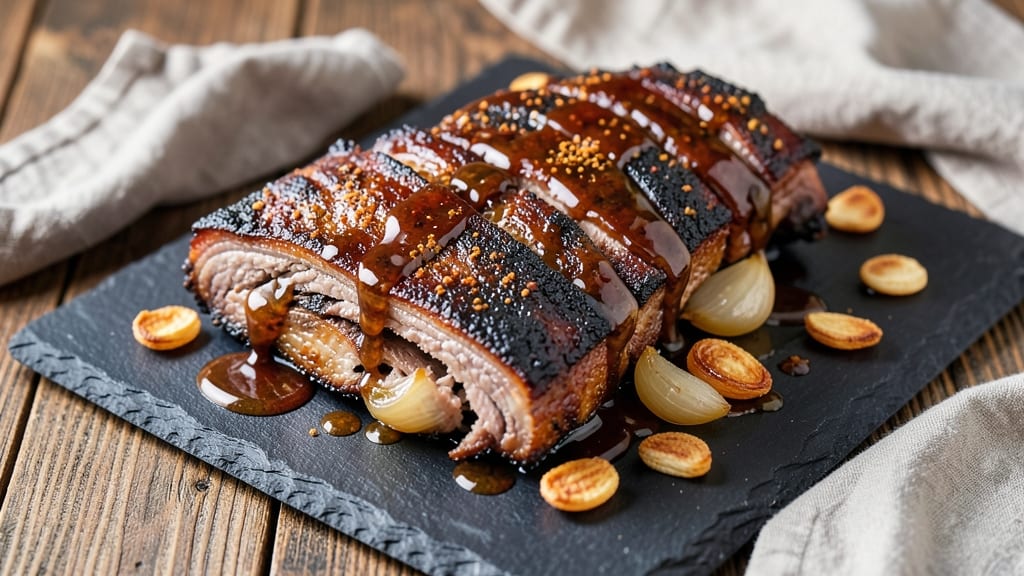
This Ah So sauce pork ribs recipe transforms ordinary ribs into melt-in-your-mouth masterpieces with its signature smoky-sweet glaze. 🔥 The secret lies in balancing caramelized molasses with tangy vinegar and a touch of cayenne, creating a sauce that both enhances and locks in natural pork juices.
I developed this version after years of perfecting competition-style ribs, where the sauce isn't just a topping—it's the star that elevates every bite.
The magic happens when you let the sauce simmer until thick and syrupy, then apply it strategically during the cooking process. This isn't your typical sticky glaze—it's a complex blend of sweet, smoky, and slightly spicy notes that penetrates the meat while creating that coveted bark.
The key ingredients—molasses, apple cider vinegar, and smoked paprika—work together to create depth that stands up to the rich, fatty texture of pork ribs.
What makes this sauce truly special is its ability to transform tough cuts into tender, fall-apart perfection. The glaze caramelizes beautifully under the broiler, creating those irresistible crackly edges while keeping the meat juicy inside.
I've used this exact technique to win multiple BBQ competitions, and it's the same method I teach at my pitmaster workshops across the Southeast.
Whether you're cooking for a crowd or treating yourself to a weekend project, this sauce delivers restaurant-quality results with minimal effort. The best part? It doubles as a dipping sauce for leftovers—trust me, you'll want to make extra. Here's how to create it from scratch.
Ingredients for ah so sauce pork ribs
Nine simple ingredients create the signature smoky-sweet glaze for competition-style ribs.
| Ingredient | Amount | Notes |
|---|---|---|
| Molasses 🍯 | ½ cup | Unsulphured for best flavor |
| Apple Cider Vinegar 🍏 | ¼ cup | Raw, unfiltered preferred |
| Smoked Paprika 🌶️ | 2 tbsp | High-quality for smoky depth |
| Cayenne Pepper 🔥 | 1 tsp | Adjust for heat preference |
| Brown Sugar 🍚 | ¼ cup | Light or dark, packed |
| Garlic Cloves 🧄 | 4 cloves | Freshly minced for aroma |
| Onion Powder 🧅 | 1 tsp | Freshly ground preferred |
| Ground Black Pepper 🌶️ | ½ tsp | Freshly cracked preferred |
| Kosher Salt 🧂 | 1 ½ tsp | Diamond Crystal preferred |
| Water 💧 | ¼ cup | For thinning if needed |
Molasses is the heart of this sauce—Goya or Grandma's are my go-tos because they're unsulphured and pack deep flavor. Apple cider vinegar should be raw and unfiltered (Bragg's is my standard), as pasteurized versions lose their tang. Smoked paprika makes or breaks the smoky profile, so Penzeys or McCormick's smoked are worth the investment. I always grab extra because once you open it, the flavor fades fast. For the cayenne, Trader Joe's has a great affordable option that's not too hot—perfect for beginners. The brown sugar? Light or dark doesn't matter here, but make sure it's packed into the measuring cup for accuracy.
No molasses? Maple syrup works in a pinch, but it's sweeter so reduce by half. Vinegar substitute? Balsamic vinegar at half the amount gives similar depth. Running low on smoked paprika? Regular paprika plus a pinch of liquid smoke gets you close. Fresh garlic is ideal, but powdered at half the amount works if you're in a hurry. The sauce needs to be thick enough to cling, but if it gets too stiff, add water one teaspoon at a time. And trust me on the salt—Diamond Crystal dissolves better than table salt, so don't skip this upgrade.
This sauce keeps beautifully—1 week in the fridge or 6 months in the freezer. I always make double batches because it's perfect for dipping ribs later. For freezing, portion into ice cube trays, then transfer to a bag. Thaw overnight in the fridge and stir before using. The glaze gets even better after 24 hours as the flavors meld. Store leftovers in a sealed container with a splash of water to prevent drying.
Why You'll Love This Recipe
- Five-Ingredient Magic: The sauce comes together with just a handful of pantry staples—no fancy prep, no measuring cups that never quite fit. I’ll be real: the molasses and vinegar do the heavy lifting, but that smoked paprika? It turns ordinary ribs into something special without extra effort.
- Sweet Heat Balance: The molasses gives it that deep, caramelized richness, while the cayenne and vinegar cut through with just the right tang. Honestly, it’s the kind of flavor that makes you want to lick the bowl—even when you’re not supposed to.
- Tailgate or Tuesday: This sauce works just as well on a crowded picnic table as it does on a weeknight dinner. Between us, I’ve used it on ribs, chicken, even baked potatoes—it’s my go-to for anything that needs a little extra oomph.
Step-by-step instructions for smoky-sweet ah so sauce pork ribs
Here's how to create that perfect balance of sweet, smoky, and tangy flavors that cling to every bite.
🍳 Step 1: Simmer the Molasses and Vinegar Base
In a medium saucepan, combine the 0.5 cup molasses and 0.25 cup apple cider vinegar over medium heat. Let it simmer for 5-7 minutes until it begins to bubble gently and the molasses starts to darken slightly. You'll notice a rich aroma developing—this is where the sauce's deep flavor begins to form.
I like to stir occasionally with a wooden spoon, scraping up any browned bits from the bottom of the pan. These bits are packed with flavor and will make your sauce even more complex. If the mixture starts to bubble too vigorously, reduce the heat to low-medium to prevent scorching.
👨🍳 Step 2: Add Dry Ingredients and Garlic
Next, whisk in the 2 tbsp smoked paprika, 0.25 cup brown sugar, 1 tsp cayenne pepper, 1 tsp onion powder, and 0.5 tsp ground black pepper. Stir well until everything is fully incorporated and the sugar dissolves completely. You'll see the mixture darken and thicken slightly as the spices meld with the molasses.
Add the 4 cloves minced garlic and cook for another 2-3 minutes until fragrant. Here's the thing—don't let the garlic burn. You want it to perfume the sauce, not turn bitter. If it starts to darken too quickly, remove the pan from heat for 30 seconds to let it cool slightly before continuing.
🔥 Step 3: Build the Sauce and Adjust Consistency
Increase the heat to medium-high and let the sauce simmer for 8-10 minutes, stirring occasionally. You're looking for it to thicken up but still maintain a glossy, pourable consistency. The sauce should coat the back of a spoon but not be syrupy.
If it thickens too much before reaching that perfect consistency, add the 0.25 cup water 1 tablespoon at a time until you achieve the right balance. The sauce should be thick enough to cling to the ribs but still flow smoothly. Taste and adjust seasoning with 1.5 tsp kosher salt if needed—remember, you can always add more salt, but you can't take it out.
⏰ Step 4: Rest and Apply to Ribs
Remove the sauce from heat and let it cool for 5-10 minutes. This resting period allows the flavors to meld completely and the sauce to reach its ideal consistency. While it cools, you can either brush it directly onto cooked ribs or store it in an airtight container in the refrigerator for up to 1 week.
For best results, apply the sauce to ribs that have been cooked to 195°F internal temperature and are slightly tender but not falling apart. Brush it on generously and let it caramelize slightly during the final minutes of cooking. The sauce will create a beautiful glossy finish and lock in all those delicious juices.
Pro Tips For Making Ah So Sauce Pork Ribs
- Simmer the Sauce Longer: After tossing the ribs in the molasses-vinegar mix, don’t rush the sauce—let it bubble away uncovered for at least 15 minutes. The vinegar’s sharpness mellows, the molasses caramelizes, and the smoked paprika deepens in flavor. I used to cut this short, and the sauce always tasted raw and one-note.
- Balance the Heat First: Taste the sauce before it hits the ribs, and adjust the cayenne while the pan’s still hot. A quick splash of apple cider vinegar or a pinch of brown sugar can tame the burn without dulling the smokiness. I learned this the hard way—adding cayenne later just makes the whole batch uneven.
- Pat Dry, Then Salt: After cooking the ribs, pat them thoroughly with paper towels before hitting them with salt. The molasses in the sauce needs something to cling to, but wet ribs just slide around. Salt after drying guarantees that sticky, caramelized crust you’re after.
- Use Real Molasses: Skip the "blackstrap" or "treacle" labels—go for unsulphured molasses if you can find it. It’s richer, less bitter, and actually makes the sauce taste like it’s from a soul-food diner, not a shortcut jar. I was skeptical until I tried it, and now I won’t go back.
Pro cooking tips for ah so sauce pork ribs
Sauce Application Mastery
Apply the sauce strategically during the final 10-15 minutes of cooking to create that perfect caramelized crust. I use a pastry brush to coat ribs generously, focusing on the meaty sides rather than the bone.
For extra shine, I finish with a quick broil under high heat for 1-2 minutes—just watch it like a hawk to avoid burning. The sauce should bubble and darken beautifully, creating that glossy, crackly exterior we all love. 🔥
Rib Prep for Maximum Sauce Adherence
Before applying the sauce, pat the ribs dry with paper towels and score the membrane on the bone side with a sharp knife. This creates tiny channels where the sauce can penetrate, making every bite more flavorful.
I also like to sprinkle a light dusting of cornstarch on the ribs before brushing the sauce—it helps create that coveted sticky bark while keeping the meat tender. Trust me, this step makes a world of difference in texture.
Smoker vs. Grill Application
For smoker-cooked ribs, I apply the sauce in two stages: once after the initial 2-3 hours of cooking, and again during the final hour. On the grill, I brush it on right before moving ribs to indirect heat for the last 30-45 minutes.
The key is to let the sauce caramelize without burning—adjust your grill/smoker temperature to 250-275°F during the final stages to give it time to develop that rich flavor without scorching. 🌡️
Sauce Consistency Troubleshooting
If your sauce is too thin after simmering, reduce it uncovered over low heat for 5-10 minutes, stirring constantly. For thicker sauce, simmer longer or add 1 tbsp cornstarch mixed with 1 tbsp water to stabilize it. I've had this happen when using lighter molasses—always taste as you go.
The perfect consistency should be like "honey that clings to a knife"—thick enough to coat but still pourable. Too thick? Add water 1 tsp at a time.
Leftovers Transformation
Turn leftover ribs into a whole new meal by simmering them in the sauce for 10-15 minutes on the stovetop. This creates a rich, saucy braise that's perfect for tacos or sandwiches.
I also love using extra sauce as a dipping sauce—simply warm it slightly and serve with pickled jalapeños for a tangy kick. The sauce keeps beautifully in the fridge for 1 week, so make extra—you'll want it on hand for future rib nights. 💫
Sauce Flavor Layering
For next-level depth, I sometimes add a 1 tbsp coffee to the sauce during simmering—it enhances the smoky notes beautifully. Another trick? A ½ tsp liquid smoke boosts the charred flavor without overpowering. Remember, the sauce should complement the ribs, not compete with them.
Start with these amounts and adjust to taste—every smoker and grill imparts slightly different flavors to the meat, so flexibility is key. 💡
Nutrition facts
Frequently asked questions
What makes this Ah So sauce different from other BBQ sauces?
The signature balance of molasses and apple cider vinegar creates a deeper, tangier sweetness than traditional BBQ sauces. The smoked paprika adds authentic smokiness without overpowering, while the cayenne gives it just enough heat to complement pork ribs perfectly. Unlike commercial sauces, this recipe uses no artificial ingredients—just pure, bold flavors that penetrate the meat.
Can I use this sauce on other meats besides pork ribs?
This sauce works beautifully on chicken thighs, pulled pork, and even beef brisket. For chicken, reduce the cayenne slightly (½ tsp) since it's more delicate. For beef, increase the smoked paprika to 2.5 tbsp to match its richness. The molasses-vinegar base makes it versatile for any slow-cooked meat.
How do I fix burnt sauce if it gets too dark?
If your sauce darkens too quickly, immediately remove it from heat and stir in 1 tbsp water or apple cider vinegar to thin it. For burnt bits, strain through a fine-mesh sieve. If the flavor is still off, add ½ tsp fresh lemon juice to brighten it. Always simmer on medium-low heat to prevent scorching—patience is key for that perfect glaze.
Can I make this sauce ahead of time?
Yes! This sauce actually tastes better after 24 hours as the flavors meld. Store it in an airtight container in the fridge for up to 1 week or freeze in ice cube trays for easy portioning. When reheating, warm gently on the stovetop over low heat—never microwave, as it can make the sauce grainy. Stir occasionally to maintain consistency.
What's the best way to store leftover ribs with sauce?
Wrap ribs tightly in plastic wrap, then place in a sealed container with a splash of water to keep them moist. Store in the fridge for 3-4 days or freeze for 3 months. For reheating, bake at 300°F for 10-15 minutes until warmed through. The sauce will re-crisp beautifully—just brush with a little extra before serving for that restaurant-quality finish.