
Main Courses
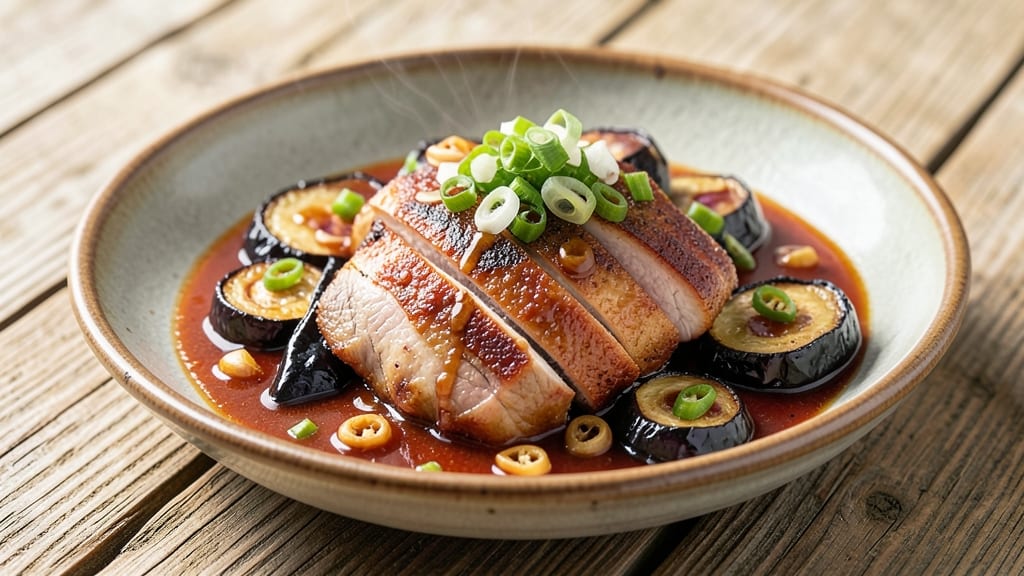
This adobong talong with pork recipe brings the soul of Filipino home cooking to your table with its signature balance of smoky, tangy, and savory flavors. 🔥 I first discovered this dish during a trip to Manila, where my grandmother would slow-cook eggplant and pork in a rich soy-vinegar sauce until the meat fell apart and the vegetables became irresistibly tender.
The secret lies in the harmony of vinegar and soy, creating a sauce that's both sweet and tangy, with just the right amount of heat from siling labuyo peppers.
What makes this dish truly special is how the pork bites become melt-in-your-mouth tender while the eggplant absorbs the aromatic sauce, developing a glossy sheen and deep flavor.
Unlike many braised dishes that require hours of stovetop attention, this recipe can be adapted for modern kitchens using a slow cooker or Instant Pot, making it accessible for weeknight dinners without sacrificing authenticity. The key is patience—the longer it cooks, the more complex and delicious the flavors become.
By the time you serve this dish over steamed rice, you'll have a meal that's rich in both taste and tradition. The pork will be falling off the bone, the eggplant perfectly tender yet holding its shape, and the sauce reduced to a perfect consistency that coats every bite.
It's the kind of dish that brings people together, whether you're cooking for family gatherings or simply treating yourself to a taste of home.
Pair it with atchara for a tangy crunch or a side of garlic fried rice to soak up every last drop of that smoky soy sauce. This is comfort food at its finest—heartwarming, flavorful, and deeply satisfying. Let's get cooking!
Ingredients for adobong talong with pork
Filipino pantry staples meet smoky, tangy flavors in this comforting dish.
| Ingredient | Amount | Notes |
|---|---|---|
| Pork Shoulder 🥩 | 1 ½ lb | Cut into 1-inch cubes |
| Eggplant 🍆 | 2 medium | Filipino or Japanese variety preferred |
| Soy Sauce 🍶 | ½ cup | Filipino or Japanese preferred |
| Cane Vinegar 🍋 | ⅓ cup | White vinegar substitute |
| Siling Labuyo Peppers 🌶️ | 2 whole | Or substitute 1 tbsp chili flakes |
| Garlic Cloves 🧄 | 6 cloves | Minced for sauce |
| Fresh Ginger 🌿 | 1 inch | Peeled and sliced thinly |
| Sugar 🍚 | 2 tbsp | White granulated |
| Bay Leaves 🌿 | 2 whole | Dried, for aroma |
| Olive Oil 🫒 | 2 tbsp | For searing pork |
| Salt 🧂 | 1 tsp | Kosher or sea salt |
| Black Peppercorns 🌶️ | ½ tsp | Freshly ground |
| Water 💧 | ½ cup | For deglazing pan |
| Green Onions 🧅 | 2 whole | Sliced for garnish |
The pork shoulder is non-negotiable here—it needs that marbled fat for rich flavor and melt-in-your-mouth texture. Filipino markets often carry pre-cut pork shoulder, but any well-marbled cut works. If you can't find siling labuyo peppers (the small, fiery Filipino chili), substitute Thai bird's eye chilis or chili flakes—just adjust for heat preference. For the eggplant, Filipino or Japanese varieties have thinner skin and fewer seeds, making them ideal. Trader Joe's usually carries them in the produce section, or check the international aisle at larger grocery stores.
No cane vinegar? White vinegar or apple cider vinegar will work, but the flavor won't be quite as authentic. The soy sauce is crucial—Filipino or Japanese brands like Silver Swan or Kikkoman add the right depth. Want extra smokiness? Add 1 tsp smoked paprika to the sauce. For the ginger, fresh is best, but if you're in a pinch, use ground ginger at half the amount. The sugar balances the acidity, so don't skip it—it's what makes the sauce sing. If you're using dried bay leaves, make sure they're whole and aromatic, not those crumbly bits that lose flavor fast.
This dish tastes even better the next day as the flavors meld, so make extra if you can. Store leftovers in an airtight container in the fridge for up to 5 days. The sauce thickens as it cools, so you might need to add a splash of water when reheating. For a quick meal, use the Instant Pot or slow cooker—just cook on high for 30 minutes after searing the pork. Freezes beautifully for 3 months, making it perfect for meal prep. Serve over steamed rice to soak up all that delicious sauce.
Why You'll Love This Recipe
- One-Pot Magic: I swear, this dish is that easy—pork shoulder simmers right in the same pot as the eggplant, no extra pans or fuss. Just brown the meat, toss everything in, and let it work its flavor while you chop veggies for rice.
- Umami Bomb: That combo of soy sauce, vinegar, and siling labuyo? It’s like a flavor explosion in your mouth—sweet, tangy, and just enough heat to make your taste buds dance. The eggplant soaks it all up, getting tender and irresistibly caramelized.
- Leftover Hero: Between us, this tastes better the next day. The pork gets even more fall-apart tender, and the sauce thickens into this rich, glossy glaze. I’ve reheated portions for lunch three times without getting sick of it—proof it’s a keeper.
- Pantry Staple Power: Honestly, you’re probably already stocked for this. Pork shoulder is budget-friendly, eggplant lasts forever, and vinegar/soy sauce are basics. No fancy ingredients, no last-minute grocery runs—just pure, reliable comfort food that won’t break the bank.
Step-by-step instructions for adobong talong with pork
Here's how to create this rich, smoky Filipino classic with tender pork and glossy eggplant.
🔥 Step 1: Sear the Pork Until Deeply Browned
Heat a large, heavy-bottomed pot over medium-high heat and add the 2 tablespoons olive oil. Once shimmering, add the 1.5 lb pork shoulder cut into 1-inch cubes in a single layer. Don't crowd the pan—this ensures proper browning.
Sear the pork for 5-6 minutes until each piece develops a deep golden-brown crust. I press down gently on the cubes during the first minute—this prevents them from curling and ensures even contact with the hot pan. Once browned, transfer the pork to a plate and set aside.
🍳 Step 2: Build the Flavorful Adobo Base
In the same pot, reduce heat to medium and add the 2 whole siling labuyo peppers (seeds removed for less heat). Sauté for 30 seconds until fragrant. Add the 6 cloves minced garlic and 1-inch sliced ginger, cooking for another 30 seconds until the garlic turns golden.
Pour in the 0.5 cup soy sauce and 0.33 cup cane vinegar, scraping up any browned bits from the bottom. Add the 2 whole bay leaves, 2 tablespoons sugar, 1 teaspoon salt, and 0.5 teaspoon black peppercorns. Bring to a gentle simmer for 5 minutes until the sauce slightly reduces and thickens.
🥘 Step 3: Prepare and Add the Eggplant
While the sauce simmers, cut the 2 medium eggplant into 1-inch chunks. I use a sharp chef's knife and cut just outside the natural seams to maintain shape. The eggplant should be roughly the same size as your pork cubes for even cooking.
Add the eggplant to the pot and gently stir to coat in the sauce. Pour in the 0.5 cup water, then return the pork to the pot. Bring to a gentle boil, then reduce heat to medium-low. The mixture should bubble gently—if it's too vigorous, the eggplant will fall apart.
⏰ Step 4: Simmer Until Tender and Glossy
Cover the pot and simmer for 45-50 minutes, stirring occasionally, until the pork is fork-tender and the eggplant is soft when pierced with a knife. I check for doneness by inserting a fork—it should slide in easily with minimal resistance.
If the sauce becomes too thick during cooking, add 2-3 tablespoons water to maintain the proper consistency. The eggplant should have a glossy sheen from the sauce and be tender but not mushy. The pork should pull apart easily with two forks.
🍽️ Step 5: Finish and Serve with Fresh Garnish
Remove the 2 whole bay leaves from the pot. Taste and adjust seasoning if needed—add a splash more vinegar for tang or a pinch of sugar to balance flavors. The dish should have a perfect balance of sweet, sour, and savory notes.
Transfer the adobong talong to a serving dish and garnish with the 2 whole green onions sliced into 1-inch pieces. Serve immediately with steamed rice to soak up that delicious sauce. The combination of tender pork and glossy eggplant makes this dish truly special!
Pro Tips For Making Adobong Talong With Pork
- Sear Pork First: Hit the pork shoulder with a hot pan—no oil needed—until it’s deeply browned in patches. I learned this the hard way: skipping this step means your adobo sauce will taste flat, no matter how much soy or vinegar you throw in. The crust locks in flavor and caramelizes the meat’s natural sugars.
- Salt Eggplant Generously: Toss sliced eggplant with 1 teaspoon of salt per pound and let it sit for 20 minutes before cooking. This draws out bitterness and prevents a slimy texture. Rinse and pat dry afterward—yes, even if you’re in a hurry—your future self will thank you.
- Simmer Slowly After Vinegar: Once you add cane vinegar, drop the heat to a bare simmer and resist the urge to stir constantly. Boiling too hard turns the sauce thin and sour; low and steady lets the pork tenderize and the flavors meld. Think "gentle bubble," not "rolling boil."
- Use Half the Peppers: My grandmother swore by this: chop only 2-3 siling labuyo peppers (seeds and all) for a pot of adobo. Too many peppers make the dish bitter and overpower the pork’s richness. Save the rest for salsa or a separate batch—trust me, the balance matters.
Troubleshooting this recipe
Sauce Too Thin?
If your sauce ends up watery, don't panic—this happens when the eggplant releases too much moisture. I've found that simmering uncovered for an extra 10-15 minutes at the end helps thicken it naturally.
For a quicker fix, mix 1 tablespoon cornstarch with 2 tablespoons cold water, stir into the sauce, and simmer for 2-3 minutes until it reaches your desired consistency. 💫
Pork Too Tough?
Overcooking is the usual culprit, but even if you've gone too far, there's hope. Remove the pork, shred it slightly with two forks, then return it to the pot. The extra time in the flavorful sauce will help tenderize it.
For future attempts, use a meat thermometer—pork should reach 195°F internal temperature for perfect tenderness. If you're short on time, try the Instant Pot method: cook on high pressure for 30 minutes after searing.
Eggplant Too Mushy?
This usually happens when the eggplant is cut too small or cooked too vigorously. To prevent this, cut eggplant into 1-inch chunks and maintain a gentle simmer—not a rolling boil.
If yours turns out mushy, try this trick: drain the eggplant in a colander for 5 minutes before adding it back to the pot. The excess moisture will evaporate, and the texture will improve. For next time, use Japanese eggplant—its thicker skin holds up better.
Flavor Too Mild?
If your dish lacks depth, it's likely missing the balance between sweet, sour, and umami. Boost the sauce by adding 1 extra tablespoon soy sauce and 1 extra tablespoon vinegar—this intensifies the flavors.
For a smoky kick, add ½ teaspoon smoked paprika or a pinch of ground annatto (achuete) for that classic Filipino red hue. Let the dish rest for 10 minutes before serving—flavors meld even more during this time. 🌶️
Burnt-on Sauce?
This happens when the sauce reduces too quickly, leaving behind sticky bits. Always keep the heat at medium-low once the sauce starts simmering. If you notice browning, immediately add 2-3 tablespoons water to deglaze the pan.
For next time, use a heavy-bottomed Dutch oven—it distributes heat more evenly and prevents hot spots. A wooden spoon helps scrape up those flavorful browned bits without scratching your pot.
Vinegar Overpowering?
Too much acidity can make the dish taste harsh. Balance it by adding 1 extra tablespoon sugar or a pinch of baking soda (just a tiny amount—about ¼ teaspoon—neutralizes acid). Simmer for another 5 minutes to let the flavors rebalance.
For future attempts, start with 0.25 cup vinegar instead of the full 0.33 cup and adjust to taste at the end. The key is patience—let the dish sit for 10 minutes** before tasting to see how the flavors develop. 💡
Nutrition facts
Frequently asked questions
Can I substitute chicken or beef for the pork?
Yes, but cooking times will vary! Chicken breasts should be cooked for 20-25 minutes after adding to the sauce, while beef chuck needs 1.5-2 hours for tenderness. For chicken thighs, follow the original pork timing. The key is ensuring the meat reaches 165°F for poultry or 195°F for beef.
How do I make this in an Instant Pot?
Sear the pork first, then add all ingredients except water. Set to High Pressure for 20 minutes, then quick-release. If the sauce is too thin, remove the lid and cook on Sauté mode for 5-10 minutes to reduce. The pressure cooker cuts time by 70% while keeping flavors deep.
What's the best way to store leftovers?
Store in an airtight container for up to 5 days in the fridge. The flavors actually improve overnight! For freezing, portion into single-serving containers and freeze for 3 months. Thaw in the fridge overnight—never microwave directly from frozen. Reheat gently on the stove with 2 tbsp water to restore sauce consistency.
Can I make this vegetarian?
Replace pork with extra-firm tofu (pressed and cubed) or mushrooms. Use the same cooking time as pork. For protein, add 1 cup cooked lentils or 1 block firm tofu (cut into cubes). The eggplant will still absorb all the delicious sauce beautifully.
Why does my eggplant turn bitter?
This happens when eggplant isn't cooked long enough or the vinegar overpowers. Always simmer for the full 45-50 minutes—the acidity mellows as it cooks. For extra sweetness, add 1 extra tablespoon sugar or a pinch of baking soda (just ¼ tsp) to neutralize bitterness. Choose younger, smaller eggplants—they're naturally sweeter.