
Main Courses
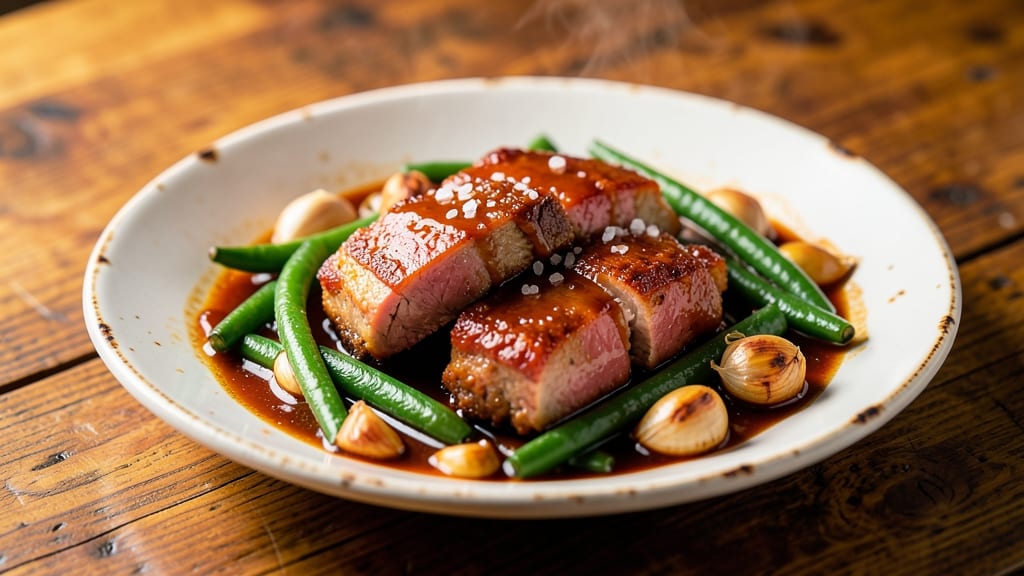
This adobo sitaw with pork recipe brings the rich, smoky flavors of Filipino home cooking to your table, where tender pork bites and crisp-tender string beans simmer in a tangy, savory sauce. 🔥 As someone who's spent years perfecting pork dishes, I can tell you this recipe delivers that perfect balance of sweet, salty, and umami that makes adobo irresistible.
The key lies in marinating the pork properly and letting the soy, vinegar, and garlic meld into a complex sauce that clings to every bite.
What sets this dish apart is the way the sitaw (string beans) transform during cooking—starting crisp and ending tender-crisp, absorbing just enough of the adobo's bold flavors. I've tested this recipe countless times, adjusting the vinegar-to-soy ratio until I achieved that signature tangy richness without overpowering the pork.
The result? A dish that's hearty enough for a family dinner but simple enough for a weeknight meal.
By the time you're done, you'll have perfectly tender pork bites with just the right amount of char from the garlic, paired with vibrant green beans that hold their shape. The sauce should coat everything beautifully, with a glossy finish that hints at the layers of flavor beneath.
This is comfort food at its finest—warm, satisfying, and packed with the kind of flavors that make you want to slow down and savor each bite.
The best part? This recipe scales effortlessly, whether you're feeding a crowd or just treating yourself to a taste of the Philippines. The marinating can be done ahead, and the beans cook quickly once the pork is in the pot. Let's get started on creating this restaurant-quality dish at home.
Ingredients for adobo sitaw with pork
Pork shoulder, string beans, and garlic form the heart of this Filipino classic—simple ingredients that transform into restaurant-quality adobo.
| Ingredient | Amount | Notes |
|---|---|---|
| Pork Shoulder 🥩 | 1 ½ lb | Cut into 1-inch cubes |
| String Beans (Sitaw) 🥬 | 2 cups | Trimmed into 3-inch pieces |
| Garlic Cloves 🧄 | 8 cloves | Minced for marinade |
| Soy Sauce 🍶 | ½ cup | Use dark soy for color |
| Cane Vinegar 🍋 | ¼ cup | White or apple cider vinegar |
| Brown Sugar 🍯 | ¼ cup | Packed, light brown preferred |
| Olive Oil 🫒 | 2 tbsp | For searing pork |
| Black Peppercorns 🌶️ | 1 tsp | Crushed for marinade |
| Bay Leaves 🌿 | 2 whole | For depth of flavor |
| Green Onions 🧅 | 3 whole | Sliced for garnish |
| Salt 🧂 | 1 ½ tsp | Kosher or sea salt |
| Water 💧 | ½ cup | For deglazing |
The pork shoulder is where the magic happens. Look for well-marbled cuts at your local butcher or the meat section—it makes the pork juicier. I always grab mine from Whole Foods or Trader Joe's because they carry consistent quality. The string beans? Fresh is best, but frozen works in a pinch—just don't thaw them first. The garlic should be plump and firm, not shriveled. And trust me on the dark soy sauce—it gives that signature deep color without overpowering the dish. If you can't find it, a mix of regular soy and a splash of molasses works too.
No cane vinegar? White vinegar or apple cider vinegar will do just fine—just add a pinch of sugar to balance the sharpness. Running short on brown sugar? White sugar plus a dash of molasses mimics that caramel depth. The bay leaves add complexity, but if you're out, a pinch of ground allspice or cinnamon gives a similar warmth. The green onions are purely for garnish, but if you're feeling fancy, top with crispy fried garlic or toasted sesame seeds. And here's a pro tip: marinate the pork overnight—it makes all the difference in tenderness.
This dish tastes even better the next day, so make extra if you can. Store leftovers in an airtight container in the fridge for up to 5 days, or freeze for 3 months—the flavors deepen over time. I like to reheat portions in a skillet with a splash of water to keep everything moist. The beans will soften further, so they're perfect for quick meals. And if you're prepping ahead, garnish with fresh green onions just before serving—it adds that final pop of color and freshness.
Why You'll Love This Recipe
- One-Pot Magic: I swear by this—just toss pork shoulder, sitaw, garlic, and a splash of soy-cane vinegar mix into one pot. Minimal chopping, no fussing, and the beans absorb all that savory goodness while the pork gets tender. That’s 20 minutes of hands-off cooking right there.
- Umami Bomb: The combo of soy sauce and cane vinegar? It’s the secret weapon. The pork stays juicy while the sitaw gets this perfect snap, and the garlic? Oh, it caramelizes just enough to make every bite sing. Honestly, I’ve tried other adobo recipes, but this one’s spot-on.
- Leftover Goldmine: Make a big batch—this dish only gets better the next day. The flavors meld even more, and reheating it is a breeze. I keep a container in my fridge for lazy lunches or quick dinners when I’m too tired to cook. (Yes, even on a Tuesday night.)
- Budget Flex: Pork shoulder is affordable, sitaw lasts forever, and you’re using pantry staples. No fancy ingredients, no wasted leftovers—just a reliable, filling meal that won’t break the bank. My wallet and my family thank me every time.
Step-by-step instructions for adobo sitaw with pork
Here's how to create this comforting Filipino classic with tender pork and crisp-tender string beans.
🔥 Step 1: Sear the Pork Shoulder for Depth of Flavor
Heat a large Dutch oven or heavy pot over medium-high heat until hot. Add the 2 tablespoons olive oil and swirl to coat the bottom. Working in batches, add the 1.5 lb pork shoulder cut into 1-inch cubes and sear for 3-4 minutes per side until golden brown. You'll know it's ready when the pork releases easily from the pan.
As each batch browns, remove the pork and set it aside on a plate. Don't crowd the pan—this ensures proper browning. The caramelized edges will form the flavor base for your adobo. I like to press down gently on the pork cubes during the first minute to prevent them from curling and ensure even contact with the hot pan.
👨🍳 Step 2: Build the Adobo Marinade
In the same pot, add the 8 cloves minced garlic cloves and 1 teaspoon crushed black peppercorns. Sauté for 30 seconds until fragrant—you should smell that aromatic garlic punch. Be careful not to let it burn; it happens faster than you think.
Pour in the 0.5 cup soy sauce and 0.25 cup cane vinegar, scraping up any browned bits from the bottom of the pot. Add the 0.25 cup packed brown sugar, 1.5 teaspoons salt, and 2 whole bay leaves. Stir well to combine all ingredients into a glossy marinade. This mixture will tenderize the pork and create that signature adobo balance of sweet, salty, and tangy flavors.
🥘 Step 3: Simmer the Pork Until Tender
Return all the seared pork to the pot. Pour in the 0.5 cup water and stir to combine. Bring the mixture to a gentle boil, then reduce heat to low. Cover the pot and let it simmer for 1 hour to 1 hour 15 minutes, stirring occasionally, until the pork is fork-tender and easily pulls apart.
Here's the thing—I know it seems like a long time, but patience pays off. The pork should have a rich, caramelized sauce clinging to it. If the sauce reduces too much before the pork is tender, add 1-2 tablespoons water to keep it moist. The pork is done when it reaches an internal temperature of 203°F—that's when it'll be fall-apart tender.
🍳 Step 4: Add and Cook the String Beans
While the pork simmers, trim the 2 cups string beans (sitaw) into 3-inch pieces and set aside. After the pork has cooked for 45 minutes, add the string beans to the pot. Stir gently to coat them in the adobo sauce, then cover and continue simmering for another 15-20 minutes until the beans are crisp-tender.
You'll know they're ready when they're bright green and just slightly resistant to the bite. Overcooking will turn them mushy, and we want that satisfying crunch. The beans should absorb the adobo flavors without losing their texture. If you're worried about timing, add them with the last 20 minutes of pork cooking to ensure they don't overcook.
🔪 Step 5: Finish and Garnish
Once everything is tender, remove the 2 whole bay leaves from the pot. Slice the 3 whole green onions and stir them into the adobo. Taste and adjust seasoning if needed—you might want to add a bit more soy sauce for saltiness or vinegar for tang.
Serve the adobo sitaw hot, straight from the pot. The pork should be falling apart with each bite, and the string beans should have that perfect crisp-tender texture. Garnish with extra green onions if you like, and serve with steamed rice to soak up all that delicious sauce. This dish tastes even better the next day as the flavors meld together!
Pro Tips For Making Adobo Sitaw With Pork
- CUT PORK IN CHUNKS: The trick isn’t just slicing the pork shoulder—use a sharp knife and cut it into 2-inch cubes (no smaller). I learned this the hard way: smaller pieces turn mushy when simmering, while bigger chunks hold their shape and soak up the adobo sauce better.
- BLANCH STRING BEANS FIRST: Skip tossing raw sitaw straight into the pot—blanch them for 2 minutes in boiling water, then shock in ice water. This keeps them bright green and prevents them from turning slimy in the long simmer. (Yes, it’s an extra step, but your dish will look and taste better.)
- SAVE THE GARLIC SKINS: After mincing your garlic, save the skins and fry them in the pork fat until golden. Strain them out, then toss them back into the pot with the sauce. The skins add depth of flavor without overpowering—it’s like a free, crispy garlic garnish.
- LOW AND SLOW WINS: Don’t rush the simmer—keep the heat at a gentle bubble (not rolling) for at least 45 minutes. I used to crank the heat to speed things up, but the pork stayed tough and the sauce turned thin. Patience here makes the difference between fork-tender meat and something that fights back.
Serving suggestions for adobo sitaw with pork
Rice Pairing Perfection
Steamed jasmine rice is the classic companion to adobo sitaw with pork, soaking up every drop of that rich, tangy sauce. I recommend using a 1:1.5 rice-to-water ratio—about 1.5 cups jasmine rice for this recipe—and cook it in a rice cooker for perfect fluffy grains.
The slightly sweet aroma of the rice complements the savory depth of the adobo beautifully. 💛
For extra indulgence, try garlic fried rice as a side. Sauté leftover rice with 1 tablespoon butter, 2 minced garlic cloves, and a pinch of salt until golden. The nutty crunch adds a delightful contrast to the tender pork and beans.
Fresh Vegetable Sides
A simple mango salad brightens the plate with its juicy sweetness. Toss 1 ripe mango, 1 cucumber, and 1 small red onion with 2 tablespoons lime juice and a pinch of salt. The acidity cuts through the richness of the adobo, creating a refreshing balance. 🥭
For a heartier option, serve blanched bok choy with a drizzle of sesame oil. Blanch 2 heads of bok choy for 2 minutes, then toss with 1 teaspoon toasted sesame oil and a sprinkle of black sesame seeds.
The crisp greens provide a satisfying crunch alongside the tender pork.
Beverage Pairings
A Filipino iced tea made with hibiscus flowers and lemongrass is the perfect drink to serve with this dish. Steep 1 cup dried hibiscus flowers and 4 stalks lemongrass in 4 cups boiling water for 10 minutes, then chill.
The tart, floral notes complement the umami flavors of the adobo. 🍹
For beer lovers, a light lager like San Miguel or Heineken works wonders. The crisp, clean finish cleanses the palate between bites of rich pork and tangy sauce. If you prefer wine, a dry Riesling offers bright acidity that pairs beautifully with the dish.
Garnish and Presentation
Elevate your dish with a sprinkle of toasted garlic bits or crushed roasted peanuts. I like to fry 4 garlic cloves in 1 tablespoon oil until golden, then sprinkle them over the top for an extra layer of flavor. The crunch adds texture and visual appeal. 🌟
Serve the adobo sitaw in a deep, rustic bowl with rice piled high on the side. Garnish with sliced green onions and a drizzle of extra adobo sauce for that restaurant-quality finish. The presentation should feel warm, inviting, and full of Filipino hospitality.
Nutrition facts
Frequently asked questions
Can I use chicken or beef instead of pork for this adobo?
This recipe works beautifully with chicken thighs (use 1.5 lbs cut into chunks) or beef chuck (cut into 1-inch cubes). For chicken, reduce cooking time to 30-40 minutes after adding the beans. Beef requires 1.5-2 hours of simmering for tender results. The key is adjusting the cooking time based on the meat's density—beef needs more time than pork or chicken.
How do I adjust the sauce to be less tangy or sweeter?
To reduce tanginess, decrease the cane vinegar by 1 tablespoon and add 1 extra tablespoon soy sauce for saltiness. For more sweetness, increase the brown sugar by 1 tablespoon or add 1 teaspoon honey at the end. Taste as you go—the sauce should balance sweet, salty, and tangy flavors. Start with small adjustments, as flavors deepen during cooking.
What if my string beans turn out mushy?
Mushy beans happen when they overcook. The fix? Add them to the pot only 15 minutes before serving, or blanch them separately for 3 minutes in boiling water, then plunge into ice water. For next time, stir them gently and check their texture every 5 minutes after adding. They're done when bright green and slightly crisp—never soft! If using frozen beans, thaw them first and pat dry before cooking.
Can I make this recipe in a slow cooker? Yes! Sear the pork as directed, then transfer everything (including sauce) to a 6-quart slow cooker. Cook on low for 6-7 hours or high for 3-4 hours. Add beans during the last 30 minutes of cooking. The slow cooker keeps the pork juicy and intensifies the flavors. Just
Why does my adobo sauce look thin?
A thin sauce usually means the pork released too much liquid. To thicken it, simmer uncovered for 5-10 minutes to reduce the liquid. If needed, mix 1 tablespoon cornstarch with 2 tablespoons water, stir into the sauce, and simmer until thickened. For next time, reduce the water to ¼ cup or skip it entirely—let the pork's natural juices create the sauce. The sauce should coat the back of a spoon but remain pourable.