
Main Courses
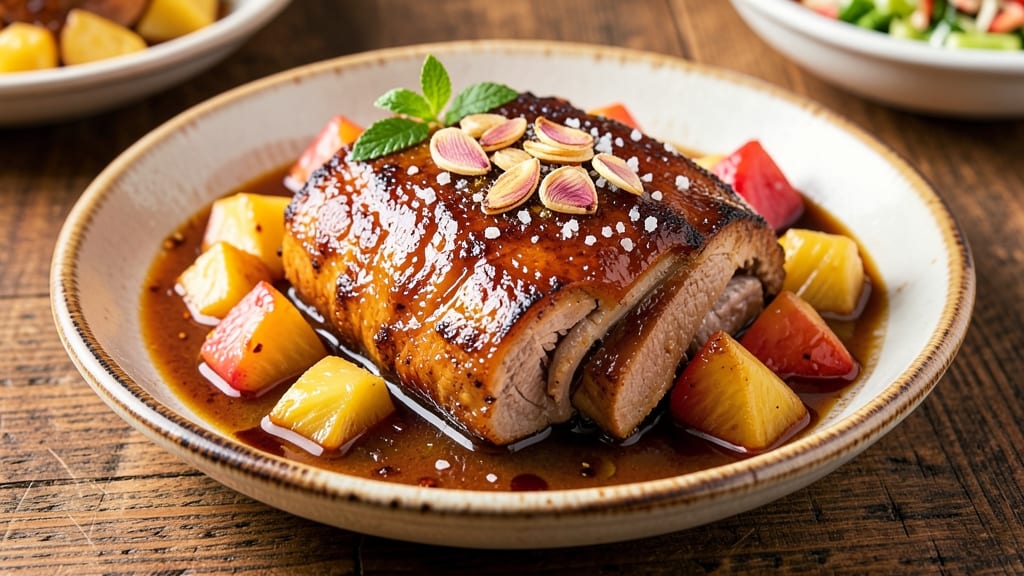
This Filipino adobo pork with pineapple transforms tough pork into irresistibly tender, smoky-sweet shreds that practically melt in your mouth. 🌟 The secret lies in the marriage of vinegar and soy sauce—traditional adobo's signature duo—balanced with pineapple's bright acidity to cut through the richness.
I first made this during a Boston winter when I craved something warm, complex, and just a little bit sweet.
The magic happens in two stages: first, the pork marinates overnight in a tangy-savory blend that tenderizes it perfectly, then simmers slowly until fork-tender. The pineapple isn't just decoration—it breaks down into the sauce, adding natural sweetness that rounds out the vinegar's sharpness.
This is comfort food at its finest, with layers of umami, fruitiness, and depth that'll have you reaching for seconds.
By the time you serve it, you'll have restaurant-quality shredded pork with caramelized edges and a sauce that clings to every bite. The aroma alone—smoky, citrusy, and slightly sweet—will fill your kitchen and have everyone gathering at the table.
It's the kind of dish that tastes even better the next day, making it perfect for meal prep or feeding a crowd.
Pair it with steamed jasmine rice to soak up every last bit of that sticky, flavorful sauce, or serve with garlic fried rice for extra texture. The leftovers? Even more delicious reheated, if you can resist eating them all at once. Let's get cooking!
Ingredients for adobo recipe pork with pineapple
Six ingredients transform tough pork into fall-apart, smoky-sweet shreds with pineapple's tangy brightness.
| Ingredient | Amount | Notes |
|---|---|---|
| Pork Shoulder 🥩 | 3 lb | Bone-in for flavor, cut into 2-inch chunks |
| Canned Pineapple Chunks 🍍 | 20 oz | In juice, not syrup (preferably fresh-cut) |
| Cane Vinegar 💧 | 1 cup | White vinegar substitute if unavailable |
| Soy Sauce 🍶 | ½ cup | Dark soy preferred for color |
| Brown Sugar 🍚 | ½ cup | Light or dark, packed |
| Garlic Cloves 🧄 | 8 cloves | Minced, not powdered |
| Fresh Ginger 🌿 | 2 tbsp | Grated, peel included |
| Black Peppercorns 🌶️ | 1 tsp | Crushed, not ground |
| Bay Leaves 🍃 | 2 whole | Dried, removed before serving |
| Olive Oil 🫒 | 2 tbsp | For searing, high smoke point |
| Jasmine Rice 🍚 | 2 cups | Uncooked, long-grain |
| Diamond Crystal Kosher Salt 🧂 | 1 ½ tsp | For seasoning, not table salt |
The pork shoulder is non-negotiable—bone-in for maximum flavor, and 2-inch chunks ensure even cooking. Grab it from the butcher counter if possible, or the pre-cut pork shoulder at Whole Foods or Trader Joe's. Look for good marbling; the fat renders down into the sauce, creating that signature richness. If you can't find cane vinegar, white vinegar works in a pinch, though it lacks the subtle depth. For the pineapple, fresh-cut chunks in juice (like Dole) are ideal—syrup adds unwanted sweetness that throws off the balance. The soy sauce? Dark soy from an Asian market gives that caramelized color, but regular soy works too.
No cane vinegar? Apple cider vinegar at the same amount keeps the tang. Short on brown sugar? White sugar plus 1 tsp molasses mimics the caramel notes. Fresh ginger is a must—dried ginger at half the amount lacks the zing, but it's better than nothing. The garlic and peppercorns should be freshly crushed (a mortar and pestle works best) for that aromatic punch. Bay leaves add depth but disappear into the sauce, so don't stress if you're out—just skip them. For the rice, jasmine rice is traditional, but basmati or even day-old rice from the fridge (reheated) works if you're short on time. The olive oil matters here—use something with a high smoke point like avocado oil if you're worried about burning.
This dish tastes even better the next day as the flavors meld, so double the batch if you're feeding a crowd. Store the pork mixture in an airtight container in the fridge for up to 4 days, or freeze for 3 months. The rice reheats beautifully—just add a splash of water and microwave. For meal prep, portion the pork into containers with a little sauce, then reheat with the rice. The sauce thickens as it cools, so add a splash of water or pineapple juice when reheating if it's too stiff. Leftovers make the best sandwiches—crusty bread, mayo, and extra pineapple on the side.
Why You'll Love This Recipe
- Pantry-Friendly Magic: I swear by this one—no fresh herbs, no fancy prep. Just pork shoulder, a can of pineapple, and a few pantry staples. The vinegar and soy sauce do all the work while I sip coffee and scroll.
- Sweet-Savory Balance: That caramelized brown sugar meets the tangy vinegar? Chef’s kiss. The pineapple adds just enough brightness to cut through the richness—like a tropical hug in every bite.
- Weeknight Wonder: Between us, this is my lazy night secret. Toss it in a slow cooker for hands-off dinner, or simmer it on the stove while you prep sides. Even my picky teen clears his plate.
- Leftovers That Win: The flavors only get better the next day. I double the batch because reheating this is like a free meal—still tender, still packed with that addictive glaze. Budget win, time win.
Step-by-step instructions for adobo pork with pineapple
Here's how to create tender, smoky-sweet pork with caramelized pineapple in one flavorful pan.
🍳 Step 1: Sear the Pork Shoulder for Deep Flavor
Heat the 2 tablespoons olive oil in a large Dutch oven over medium-high heat until shimmering. Add the 3 lb pork shoulder in 2-inch chunks, working in batches if needed, and sear for 3-4 minutes per side until deep golden brown and caramelized. This step builds the rich, meaty foundation of your adobo.
Don't rush this—you want that beautiful crust that'll carry through the entire dish. If the pan gets too crowded, reduce to medium heat to prevent steaming. Remove the pork and set aside, leaving all the browned bits in the pan for maximum flavor extraction.
👨🍳 Step 2: Build the Adobo Sauce Base
In the same Dutch oven, add the 8 minced garlic cloves and 2 tablespoons grated fresh ginger, cooking for 30 seconds until fragrant. Immediately pour in the 1 cup cane vinegar and 0.5 cup soy sauce, scraping up all those delicious browned bits from the bottom with a wooden spoon.
Add the 0.5 cup brown sugar, 1 teaspoon crushed black peppercorns, and 2 whole bay leaves, stirring to combine. Bring to a simmer over medium heat and let cook for 5 minutes to meld the flavors. The vinegar will smell strong at first, but it'll mellow as it cooks.
🥘 Step 3: Braise the Pork Until Fork-Tender
Return the pork to the Dutch oven, spooning the sauce over the top to coat completely. Add just enough water to come about halfway up the pork pieces—about 1.5 cups. Bring to a gentle boil, then reduce heat to low, cover, and let it braise for 1.5 hours, turning the pork occasionally.
Here's where the magic happens: the pork will become fork-tender and infused with the smoky-sweet sauce. If the liquid reduces too much before the pork is tender, add 2-3 tablespoons water at a time. The pork is done when it easily shreds with two forks.
🍍 Step 4: Add Pineapple for Sweet-Tart Balance
Drain the 20 oz canned pineapple chunks (reserving 2 tablespoons juice if needed), and add them to the Dutch oven. Stir gently to distribute them throughout the sauce. Increase heat to medium and simmer uncovered for 10-15 minutes until the pineapple is heated through and the sauce has thickened slightly.
Taste and adjust seasoning—you might want to add a bit more soy sauce for saltiness or a touch of brown sugar if the pineapple's acidity needs balancing. The sauce should coat the back of a spoon with a glossy, slightly sticky texture.
⏰ Step 5: Prepare Jasmine Rice and Serve
While the pork finishes, cook the 2 cups jasmine rice according to package instructions, using 1.5 teaspoons diamond crystal kosher salt in the cooking water. Fluff with a fork when done—it should be light and separate.
Remove the bay leaves from the adobo before serving. Spoon the pork and pineapple mixture over the rice, drizzling any remaining sauce on top. The combination of tender pork, sweet pineapple, and smoky-sweet adobo sauce creates a perfect balance of flavors that'll have everyone reaching for seconds.
Pro Tips For Making Adobo Recipe Pork With Pineapple
- SEAR THE PORK FIRST: High heat. Seriously, crank it up to medium-high and let that pork shoulder get a deep golden crust before adding anything else. I used to skip this and wondered why my adobo sauce never had that rich, caramelized depth—now I know it’s the foundation. Just 3-4 minutes per side, no crowding the pan.
- DRAIN AND PAT DRY: That canned pineapple? Drain it thoroughly—no syrupy pool at the bottom—and pat the chunks dry with a paper towel. Wet pineapple steams instead of caramelizing, and you’ll end up with a soggy sauce instead of a glossy, sticky glaze. (Yes, even if you’re impatient like me.)
- LOW AND SLOW FOR TENDERNESS: After the initial sear and sauce-building, drop the heat to a simmer and cover the pot. This isn’t a race—let it cook for at least 1.5 hours, stirring occasionally, until the pork falls apart with a fork. I learned this the hard way when I rushed it and ended up with chewy, sad meat.
- TOSS IN THE PINEAPPLE LATE: Add the pineapple chunks only in the last 20-30 minutes of cooking. Too early, and they’ll turn mushy from sitting in the acidic vinegar-soy mix. Save them for the end so they stay juicy and bright, like a little sweet surprise in every bite. (Your future self will notice the difference.)
Wine and beer pairings for this dish
Filipino-Inspired Reds
Start with a medium-bodied red that complements the dish's sweet-savory balance. I love Cabernet Sauvignon from the Philippines' Bohol region—its dark fruit notes and subtle oak bridge beautifully with the pineapple's sweetness.
For a more accessible option, try a California Cabernet like Louis M. Martini Cabernet Sauvignon—its blackcurrant and vanilla flavors mirror the adobo's depth. Serve slightly chilled (55-60°F) to refresh your palate between bites. 🍷
Crisp Whites for Contrast
If you prefer white wine, go for something bright with citrus notes. Pinot Grigio from Italy's Alto Adige region cuts through the richness with its crisp acidity and pear flavors.
For a local option, New England Riesling like Wolfe's Cove offers a honeyed sweetness that pairs surprisingly well with the pineapple's tang. Keep it 45-50°F to maintain its refreshing quality. ✨
Local Craft Beer Pairings
For beer lovers, a hazy IPA with tropical notes works wonders. Try The Bruery's Hazy Little Thing—its mango and pineapple flavors echo the dish's sweetness while the bitterness balances the soy sauce.
If you prefer something lighter, a Mexican Lager like Modelo Especial cleanses the palate without overpowering. Serve at 40-45°F to enhance its crispness. 🍺
Unexpected Non-Alcoholic Options
Don't drink alcohol? No problem! Sparkling ginger beer like Feather's adds zesty contrast to the smoky pork. For something more substantial, yuzu soda from San Pellegrino brings citrus brightness that complements the pineapple.
Even a cucumber-mint infused water with a squeeze of lime keeps things refreshing while letting the adobo shine. 💧
Pro Serving Tips
Let your wine or beer breathe for 10-15 minutes before serving to open up its flavors. For the best experience, serve the adobo at room temperature—the pork's tenderness and sauce's glossiness shine when not competing with cold dishes.
If using beer, pour it into a tulip glass to concentrate the aromas. And remember: the leftovers taste even better the next day, so save some wine for round two! 🍽️
Nutrition facts
Frequently asked questions
Can I use chicken instead of pork in this recipe?
Yes, but adjust the cooking time! Chicken breasts or thighs cook faster than pork shoulder—aim for 30-40 minutes instead of 1.5 hours. Use 1.5 lb chicken per 3 lb pork ratio, and check for 165°F internal temp. The pineapple will still shine, but the texture will be more delicate than fork-tender pork.
How do I balance the flavors if my vinegar tastes too strong?
Add a pinch more brown sugar or a splash of pineapple juice to mellow the acidity. For extra depth, stir in 1 teaspoon fish sauce (traditional in Filipino cooking) or a dash of soy sauce. Let it simmer 5 minutes to meld flavors. The key is patience—the vinegar mellows as it cooks!
Can I make this in a slow cooker or Instant Pot?
For a slow cooker, sear the pork first, then combine all ingredients (except rice) and cook on low for 6-7 hours or high for 3-4 hours. For an Instant Pot, use the high pressure setting for 30 minutes after searing, then natural release. Add pineapple last and finish on sauté mode for 5 minutes. Both methods work beautifully!
What if my sauce is too thin or too thick?
For a thinner sauce, add 2-3 tablespoons water or pineapple juice and simmer 5 minutes. For thicker sauce, remove the lid and simmer uncovered for 10 minutes to reduce. If it's still too thick, stir in 1 teaspoon cornstarch mixed with 1 tbsp water and cook 2 minutes. The sauce should coat the back of a spoon with a glossy finish.
How do I store and reheat leftovers?
Store in an airtight container in the fridge for up to 4 days or freeze for 3 months. To reheat, add 2 tablespoons water or pineapple juice per cup of leftovers and warm on low heat until bubbly. For crispy edges, broil for 2-3 minutes after reheating. Leftovers taste even better the next day!