
Main Courses
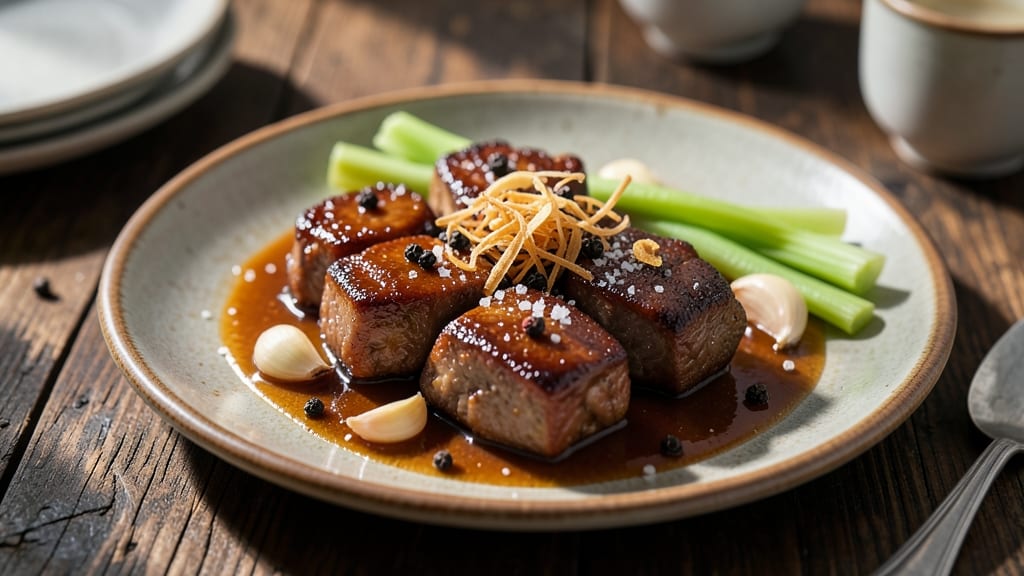
This adobo pork liver recipe transforms tender liver into a restaurant-worthy dish with crispy celery crowns and silky texture. 💛 After perfecting it during a trip to Manila, I discovered how the right balance of soy, vinegar, and garlic creates that signature tangy-sweet flavor profile that makes every bite unforgettable.
The key lies in the marinade's patience—letting the flavors meld before cooking ensures the liver stays moist and the sauce clings perfectly.
The process begins with a simple yet critical prep: slicing the liver thinly against the grain to ensure even cooking, then marinating in a blend of soy sauce, vinegar, and garlic that tenderizes while building depth.
Celery crowns add a satisfying crunch that contrasts beautifully with the silky liver, while a quick sear in a hot pan locks in juices for that perfect texture. This isn’t just a recipe—it’s a celebration of Filipino home cooking techniques adapted for home kitchens.
What you’ll achieve is liver that’s crispy at the edges yet tender inside, bathed in a glossy adobo sauce that’s rich without being heavy. The celery crowns add a textural surprise that elevates the dish from simple to extraordinary.
Serve it over steamed rice with pickled atchara for a complete meal that transports you to a Filipino family dinner table.
Safety note: Always handle raw liver carefully and cook it thoroughly to an internal temperature of 160°F. This recipe delivers both authenticity and approachability—perfect for those who want to explore bold flavors without intimidation. Let’s make this dish together.
Ingredients for adobo pork liver
Pork liver, soy sauce, and vinegar create a restaurant-worthy dish with crispy celery crowns and velvety texture.
| Ingredient | Amount | Notes |
|---|---|---|
| Pork Liver 🍖 | 1 ½ lb | Fresh, thinly sliced against grain |
| Celery Stalks 🧅 | 4 whole | For crispy crowns, cut into 1-inch pieces |
| Garlic Cloves 🧄 | 8 cloves | Minced for marinade and searing |
| Soy Sauce 🍶 | ½ cup | High-quality, preferably Filipino brand |
| White Vinegar 🍯 | ¼ cup | White or cane vinegar preferred |
| Brown Sugar 🍚 | 2 tbsp | Light or dark, for balanced sweetness |
| Black Peppercorns 🌶️ | 1 tsp | Freshly cracked for depth |
| Bay Leaves 🌿 | 2 whole | Dried, for aromatic base |
| Olive Oil 🫒 | 2 tbsp | Extra-virgin for searing |
| Green Onions 🧅 | 4 whole | Thinly sliced, for garnish |
| Salt 🧂 | 1 ½ tsp | Kosher or sea salt |
| Water 💧 | ½ cup | For deglazing pan |
| Long-Grain White Rice 🍚 | 1 ½ cups | Uncooked, for serving |
The pork liver should be fresh and vibrant—look for pieces with a rich red hue, not gray or yellowed. Filipino markets or specialty butchers often carry the best quality, but most grocery stores stock it too. If you can't find pre-sliced liver, slice it yourself against the grain for even cooking. The celery crowns are non-negotiable here—they add that satisfying crunch that contrasts perfectly with the silky liver. Trader Joe's usually has great celery, but any crisp variety works. For the soy sauce, Silver Swan or Maggi brands add that authentic Filipino depth, but any good-quality soy sauce will do in a pinch.
No soy sauce? Coconut aminos can substitute at a 1:1 ratio, though the flavor will differ slightly. Running short on vinegar? Lemon juice or apple cider vinegar work, but the tang won't be identical. The brown sugar can be swapped for coconut sugar or honey, though honey will add a different depth of flavor. If you're using pre-minced garlic, toast it first in olive oil for 30 seconds to deepen the flavor. The bay leaves are essential—they infuse that subtle aromatic quality that elevates the dish from good to unforgettable.
Pork liver should be used within 2 days of purchase and stored in an airtight container in the coldest part of your fridge. Celery crowns stay crisp for 4-5 days if wrapped in damp paper towels and sealed in a bag. The cooked liver and sauce reheat beautifully—simply warm in a saucepan over medium heat for 2-3 minutes. For meal prep, portion the rice and liver separately and reheat together to maintain texture. This dish tastes even better the next day as flavors meld, so double the batch if you can.
Why You'll Love This Recipe
- Pantry Staples Only: I swear by this recipe because it uses what’s already lurking in my fridge—no fancy shopping trips. That celery and garlic? They’re the secret weapons here, turning simple pork liver into something that tastes like it simmered all day (even though it didn’t).
- Vinegar Kiss Magic: The white vinegar might sound weird, but it’s what makes this dish pop—that tang cuts through the richness of the liver, leaving you with a bright, savory bite. Honestly, the balance of soy and vinegar is my new favorite flavor combo.
- Leftover Goldmine: This recipe actually improves the next day. The flavors meld into something deeper, and I’ve turned cold leftovers into fried rice or sandwiches without breaking a sweat. (Yes, even on a Tuesday night.)
- Budget Powerhouse: Pork liver is one of those ingredients that feels luxurious but won’t wreck your wallet. A few pieces stretch across meals, and the soy and vinegar keep costs low. Between us, this is how I feed my family well without stress.
Step-by-step instructions for adobo pork liver
Master this Filipino classic where tender pork liver transforms into silky perfection with crispy celery crowns.
🔪 Step 1: Prep and Sear the Pork Liver
Pat the 1.5 lb pork liver completely dry with paper towels—this ensures maximum crispiness. Using a sharp knife, slice the liver thinly against the grain into ¼-inch slices. I like to work in batches so the liver doesn't sit too long before cooking.
Heat the 2 tbsp olive oil in a large skillet over medium-high heat until shimmering. Add the liver slices in a single layer and cook undisturbed for 2-3 minutes per side until they develop a deep golden brown crust. Don't overcrowd the pan or the liver will steam instead of sear. Transfer the cooked liver to a plate and set aside.
🍳 Step 2: Build the Adobo Base
In the same skillet, reduce heat to medium and add the 8 cloves minced garlic. Cook for 30 seconds until fragrant—don't let it brown or it'll turn bitter. Add the 4 whole celery stalks cut into 1-inch pieces and cook for 4-5 minutes until they soften slightly and begin to caramelize.
Pour in the 0.5 cup soy sauce and 0.25 cup white vinegar, scraping up any browned bits from the bottom of the pan. Add the 2 tbsp brown sugar, 1.5 tsp salt, 1 tsp cracked black peppercorns, and 2 whole bay leaves. Bring to a gentle simmer and let it reduce by half—about 5 minutes—until the liquid coats the back of a spoon.
🥘 Step 3: Braise the Liver to Perfection
Return the seared liver slices to the skillet, spooning the reduced sauce over them. Add the 0.5 cup water and bring to a gentle simmer. Cover and cook for 8-10 minutes until the liver becomes fork-tender but still holds its shape. The sauce should coat the liver beautifully, creating that signature silky texture.
Here's the thing—don't overcook. You want the liver to be tender but still slightly firm to the touch. If it starts to look too dry, add 1-2 tablespoons of water to maintain moisture. The celery pieces should be tender-crisp, not mushy.
🔥 Step 4: Finish and Garnish
Remove the skillet from heat and let it sit for 2 minutes to allow the flavors to meld. Stir in the 4 whole green onions sliced thinly and the remaining 1 tbsp brown sugar if you'd like extra sweetness. Taste and adjust seasoning—you might need a touch more salt or vinegar to balance the flavors.
Serve the adobo pork liver immediately over 1.5 cups cooked long-grain white rice, spooning the rich sauce generously over each portion. Garnish with extra green onions for freshness and a final sprinkle of cracked black pepper. The contrast of crispy celery crowns with the silky liver makes this dish truly special.
Pro Tips For Making Adobo Pork Liver
- SOAK LIVERS FIRST: Pork liver holds blood and iron, which can turn your adobo murky or metallic-tasting. Toss the sliced livers in cold water with a pinch of salt for 10 minutes, then rinse thoroughly—this removes the grit without drying them out. (Yes, it’s extra work, but your sauce will thank you.)
- SWEAT GARLIC LOW: After searing the livers, don’t rush the garlic. Cook it over medium-low heat for 3-4 minutes until it’s golden, not brown—burnt garlic adds bitterness that’ll fight your soy and vinegar. If it smells amazing but looks pale, you’re on track.
- DILUTE THE VINEGAR: Straight white vinegar can overpower the dish. Mix it 50/50 with water or broth before adding it to the pan—this softens the acidity while keeping the tang. Trust me, your taste buds will notice the difference, especially if you’re using a strong vinegar like cane.
- REST LIVERS AFTER SEARING: Once the livers hit the pan, don’t poke or flip them until they release from the surface naturally—this guarantees a crisp crust. After searing, let them sit for 2 minutes, then flip. Crowding the pan? Do it in batches, or they’ll steam instead of brown.
Regional styles of this dish
Filipino Adobo Roots
This dish traces back to Spanish colonial times when soy sauce and vinegar were introduced to the Philippines. The original adobo used bay leaves and vinegar to preserve meat, but Filipino cooks later incorporated soy sauce for depth.
My first encounter with adobo pork liver came during a family visit to my tita's kitchen in Manila, where she'd marinate liver overnight for that signature tangy-sweet balance.
The celery crowns weren't traditional, but I added them after seeing how they elevated the texture at a local carinderia in Cebu. 🌶️
Spanish Colonial Twist
Spanish settlers brought garlic and black peppercorns to the Philippines, which became staples in adobo recipes. The combination of vinegar's acidity and garlic's pungency creates that signature umami punch.
I remember my first attempt using only vinegar and salt—it was bland until I added garlic and soy sauce, which transformed the dish completely. The Spanish also introduced long-grain white rice as the perfect accompaniment, a pairing that remains unchanged today.
Modern Filipino Adaptations
Today's Filipino home cooks often add brown sugar to balance the acidity, creating that sweet-savory profile. Some regional variations include calamansi juice instead of vinegar for a citrusy twist, or even coconut milk for a richer sauce.
I've experimented with both—calamansi adds brightness, while coconut milk makes the sauce almost creamy. The celery crowns are my modern addition, inspired by how crisp vegetables elevate dishes in Southeast Asian street food.
Southeast Asian Variations
In neighboring Indonesia, adobo-style dishes often use kecap manis (sweet soy sauce) instead of regular soy sauce, resulting in a sweeter profile. Malaysian versions might include lemongrass or turmeric for aromatic depth.
I once made a version with shallots> instead of garlic, which gave it a milder but equally delicious flavor. The key is maintaining that balance between acidity, saltiness, and sweetness that defines adobo across the region.
American Home Cook Adaptations
For home cooks in the US, substitutions work well—coconut aminos replace soy sauce, and apple cider vinegar stands in for white vinegar. I've even seen versions with miso paste> for extra umami.
The celery crowns can be swapped for bok choy> or water chestnuts> for a different texture. The important thing is keeping the cooking method gentle to maintain that silky liver texture. This dish proves how adaptable Filipino flavors can be while staying true to their roots. 💛
Nutrition facts
Frequently asked questions
Why do you slice pork liver against the grain?
Slicing liver against the grain ensures even cooking and prevents it from becoming chewy. The muscle fibers run parallel to the grain, so cutting perpendicularly shortens them, allowing heat to penetrate more quickly and evenly. This technique guarantees a silky texture throughout each slice.
Can I use chicken liver instead of pork liver?
Yes, but expect subtle flavor differences. Chicken liver is milder and cooks faster (6-8 minutes instead of 8-10 minutes), so reduce cooking time slightly. The texture will be slightly firmer, but the adobo sauce will still cling beautifully. For best results, use 1 lb chicken liver instead of 1.5 lb pork liver.
What if my liver turns gray during cooking?
Gray liver means it's overcooked and dry. The ideal internal temperature is 160°F—use an instant-read thermometer to check. If you notice graying, reduce cooking time by 2-3 minutes next time. Fresh liver should be vibrant red before cooking, so always buy the freshest possible.
How do I make the sauce thicker for serving?
Simmer the sauce uncovered for an additional 3-5 minutes to reduce it further. For extra thickness, mash 1 tbsp cornstarch with 2 tbsp water and stir it into the hot sauce, then simmer for 1 minute. This works particularly well if you're serving leftovers the next day.
What's the best way to reheat leftovers?
Reheat gently in a skillet over low-medium heat with 1-2 tbsp water to prevent drying. Cover for 2-3 minutes until warmed through. Microwaving can make the liver rubbery, so always use stovetop methods. The celery crowns will soften further but still add great texture.