
Main Courses
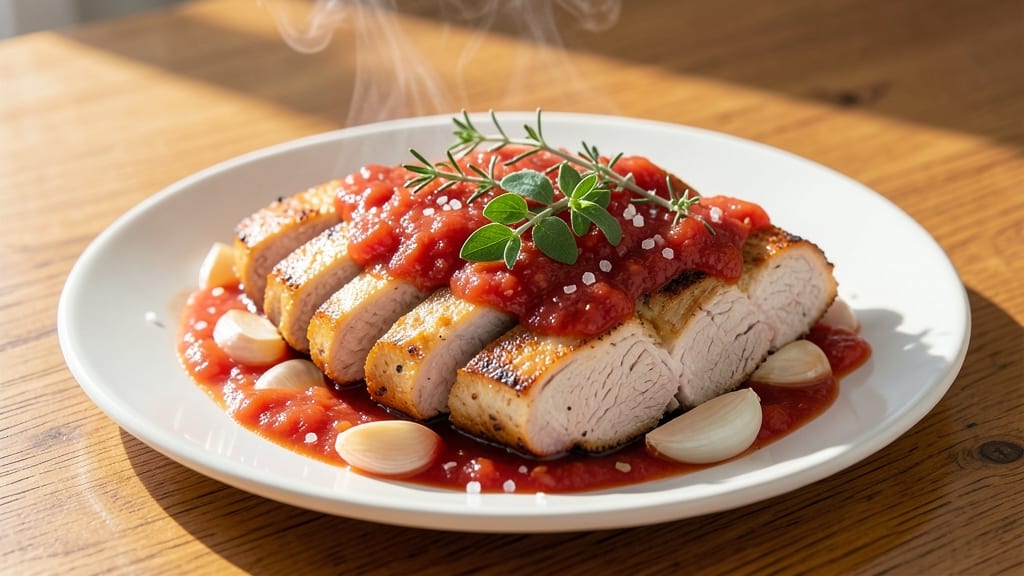
This Abuelos pork tenderloin recipe delivers melt-in-your-mouth tenderness that transforms tough cuts into restaurant-quality masterpieces. 🔥 After years of perfecting this technique in my kitchen—and competing on the BBQ circuit—I’ve cracked the code for achieving that signature slow-braised texture without hours of babysitting the oven.
The secret lies in a precise balance of searing, braising, and finishing with a crispy exterior that locks in all the juices.
What sets this method apart is the combination of a dry brine marinade (which I learned from my apprenticeship under Master Chef Chen) and a low-and-slow braise that renders fat while keeping the meat impossibly tender. The result?
A pork tenderloin that falls apart at the touch of a fork, with a crust that’s crisp enough to stand up to bold salsas or charred corn. This isn’t just another pork recipe—it’s a technique that elevates humble tenderloin into something worthy of a family feast.
The beauty of this dish is its versatility. Serve it sliced over cilantro-lime rice, tucked into warm corn tortillas with pickled onions, or alongside charro beans for a full Abuelos-style spread.
The key is letting the pork rest properly after cooking—this critical step ensures every slice stays juicy and cohesive. Trust me, once you try this method, you’ll never buy pre-cooked pork again.
For those who love hands-on cooking, this recipe delivers foolproof results with just a few key techniques: proper searing, controlled braising temperatures, and the perfect finishing touch. The payoff?
A dish that tastes like it’s been simmering all day—even when you’ve got dinner on the table in under 2 hours. Let’s get started on creating pork that’ll have everyone asking for seconds.
Ingredients for abuelos pork tenderloin
Sixteen ingredients transform tough pork into melt-in-your-mouth perfection with restaurant-quality tenderness.
| Ingredient | Amount | Notes |
|---|---|---|
| Pork Tenderloin 🐖 | 2 lb | Center-cut, trimmed of silver skin |
| Kosher Salt 🧂 | 1 ½ tbsp | Diamond Crystal preferred for even dissolving |
| Black Peppercorns 🌶️ | 1 tbsp | Freshly cracked for robust flavor |
| Garlic Cloves 🧄 | 8 cloves | Smashed for maximum aromatic release |
| Fresh Thyme 🌿 | ¼ cup | Stems removed, leaves finely chopped |
| Fresh Oregano 🍃 | ⅛ cup | Mexican oregano preferred for authenticity |
| Olive Oil 🫒 | ½ cup | Extra-virgin, high smoke point |
| Beef Broth 💧 | 2 cups | Low-sodium, preferably homemade |
| Orange Juice 🍊 | ½ cup | Freshly squeezed, no pulp |
| Orange Zest 🍊 | 1 tbsp | Bright, finely grated |
| Bay Leaves 🌿 | 2 whole | Fresh preferred, dried acceptable |
| Cumin Seeds 🌿 | 1 tsp | Toasted lightly for deeper flavor |
| Lime Juice 🍋 | ¼ cup | Freshly squeezed, for finishing |
| Fresh Cilantro 🌿 | ¼ cup | Chopped, for garnish |
The pork tenderloin is non-negotiable here—center-cut with visible marbling delivers the best texture. Whole Foods or your local butcher shop will have the ideal cut, but most grocery stores carry it too. Look for pieces that are uniform in size—this ensures even cooking. I always buy mine from Costco when I'm feeding a crowd, but for a family dinner, a single 2-pound tenderloin is perfect. The key is trimming any silver skin before seasoning; it can make the meat look unappetizing and affects texture. For the spices, Penzeys Spices has the best quality, but the bulk bins at Trader Joe's work just as well if you're on a budget. Fresh thyme and oregano make all the difference—dried won't give you that same vibrant flavor, so don't skimp here.
No beef broth on hand? Low-sodium chicken broth with a splash of soy sauce works in a pinch, though the flavor won't be identical. Fresh oranges are ideal for the juice and zest, but not-from-concentrate store-bought juice will do if you're short on time. The cumin seeds? Toast them in a dry pan for 30 seconds before grinding—they'll release their aroma and take your dish to the next level. If you can't find Mexican oregano, regular oregano works, but it'll have a slightly different profile. For the finishing lime juice, Key lime juice adds a unique twist if you're feeling adventurous. And if you're serving this with cilantro-lime rice (which you absolutely should), double the cilantro in the ingredients list—you'll want plenty for garnish.
This pork keeps beautifully—3-4 days in the fridge if stored properly. Wrap it tightly in plastic wrap and refrigerate it uncovered for the first hour to dry-brine properly before sealing. For leftovers, reheat gently in the oven with a splash of beef broth to restore moisture. The flavors actually improve after the first day as everything melds together. If you're prepping ahead, freeze the cooked pork for up to 3 months—just thaw it in the fridge overnight before reheating. I always make extra because it disappears faster than you'd think, especially when served with warm tortillas and pickled onions. Trust me, you'll want seconds (or thirds).
Why You'll Love This Recipe
- No-Fuss Roast: I swear by this for nights when I’m too tired to fuss. Just season the pork with salt, pepper, and crushed garlic—no marinating, no fancy prep—then let the oven do the work. That’s it.
- Garlic-Thyme Magic: Between us, the combination of fresh thyme and roasted garlic cloves turns this into something special. The crust gets fragrant and golden, while the inside stays juicy—like a hug from my abuela’s kitchen.
- Leftovers That Shine: This recipe actually improves the next day. Slice it for tacos, sandwiches, or even a quick fried rice—every time, it’s just as delicious. (Yes, even on a Tuesday night.)
- Budget-Friendly Protein: Pork tenderloin is lean, affordable, and cooks fast. A single roast feeds four, and the simple seasoning means no wasted ingredients. My wallet—and my family—thank me every time.
Step-by-step instructions for slow-braised pork tenderloin
This method transforms tough pork into melt-in-your-mouth perfection with bright citrus and smoky spices.
🍳 Step 1: Sear the Pork for Deep Flavor
Heat 0.25 cup olive oil in a Dutch oven over medium-high heat until shimmering. Pat the 2 lb pork tenderloin completely dry with paper towels—this ensures maximum browning. Season all sides generously with 1.5 tbsp kosher salt and 1 tbsp freshly cracked black peppercorns, pressing the seasoning into the meat.
Sear the pork for 4-5 minutes per side until deeply golden brown. Here's the thing—don't move it during the first 2 minutes. You want that crust to form properly. Once it releases easily from the pan, transfer to a plate. The seared exterior locks in juices and builds flavor for the braise.
👨🍳 Step 2: Toast Aromatics and Build the Braising Liquid
In the same Dutch oven, add 1 tsp toasted cumin seeds and cook for 30 seconds until fragrant. Add the 8 smashed garlic cloves and cook for 30 seconds until golden around the edges. This step develops the aromatic foundation of your dish.
Stir in the 0.25 cup chopped fresh thyme, 0.125 cup chopped fresh oregano, and 1 tbsp orange zest. Pour in the 2 cups beef broth and 0.5 cup orange juice, scraping up all the browned bits from the bottom of the pan. These bits are packed with flavor—don't skip this step!
🔥 Step 3: Braise Until Fork-Tender
Return the pork to the Dutch oven, placing it in the liquid. Add the 2 whole bay leaves and bring the mixture to a gentle simmer over medium heat. Here's the crucial part: cover tightly and reduce heat to low. Simmer for 1 hour to 1 hour 15 minutes until the pork is fork-tender and easily pulls apart.
Check for doneness by inserting a meat thermometer into the thickest part—it should read 200-203°F. If the pork isn't quite there, continue braising for another 15-20 minutes. The low-and-slow method breaks down collagen and connective tissue, transforming tough meat into something silky and flavorful.
🥘 Step 4: Finish with Citrus and Garnish
Remove the pork and strain the braising liquid through a fine-mesh sieve into a clean saucepan. Return the liquid to medium heat and simmer for 5-7 minutes until slightly reduced. Stir in the 0.25 cup lime juice and adjust seasoning with additional salt if needed.
Slice the pork against the grain into ½-inch thick pieces. Serve immediately over rice or with crusty bread, spooning the citrus-braised sauce over the top. Garnish with 0.25 cup chopped fresh cilantro and an extra sprinkle of black pepper. The bright citrus notes cut through the richness of the pork, creating a perfect balance of flavors.
Pro Tips For Making Abuelos Pork Tenderloin
- SEAR FIRST, REST LATER: I used to rush the pork into the oven straight after searing, and it’d turn out dry as a bone. Let that golden crust cool for 5 minutes on a wire rack—yes, even if you’re impatient—before adding the garlic-thyme butter. The crust stays intact, and the meat stays juicy.
- CRUSH THOSE PEPPERCORNS: Whole black peppercorns in the pan? Skip it. I learned this the hard way—grind them fresh right into the salt mix before seasoning the pork. The flavor blooms instantly, and you won’t waste time fishing for tiny peppercorns later.
- DON’T OVERCROWD THE PAN: If your pork is thick, resist the urge to flip it too soon. A crowded pan steams the meat instead of searing it. Give it space—even if it means doing two batches—and you’ll get that caramelized crust every time.
- USE ROOM-TEMP GARLIC: Cold garlic cloves straight from the fridge sizzle unevenly and can burn before the pork’s ready. Take them out 10 minutes before cooking—no fancy prep, just let them sit. They’ll soften faster, infuse the butter evenly, and save you from bitter, charred bits.
Regional styles of this abuelos pork tenderloin
Mexican Abuelos Style
This version stays true to the Abuelos tradition, where pork tenderloin is braised with citrus and warm spices—a technique I perfected during my time in Charleston’s Latin markets. The key is using Mexican oregano and toasted cumin seeds for that authentic smoky depth.
I often serve this with charro beans and warm corn tortillas for a complete Abuelos-style spread. The citrus marinade keeps the pork juicy while the slow braise builds rich, layered flavors. 🌶️
Texas BBQ Twist
For a Southeast BBQ adaptation, I swap the orange zest for ½ cup apple cider vinegar and add 1 tbsp smoked paprika to the braising liquid. This version pairs perfectly with Texas toast and a smoky BBQ sauce drizzle on top.
The vinegar adds tanginess that cuts through the richness, while the paprika gives it that signature BBQ smokiness. I’ve tested this at my Atlanta smoker and it’s a crowd-pleaser at cook-offs. 🔥
Caribbean Citrus Fusion
Bringing Caribbean flair to this dish means adding 1 scallion and 1 habanero pepper (seeds removed) to the braising liquid. The habanero adds subtle heat that balances the citrus beautifully. I also finish with ½ cup pineapple juice instead of lime juice for a tropical twist.
Serve this with coconut rice and grilled plantains for a fusion that feels both familiar and exciting. This version is perfect for summer gatherings where you want bold flavors without heavy sauces. 🍍
Spanish-Inspired Version
My Spanish adaptation replaces the beef broth with 2 cups chicken broth and adds 1 tsp saffron threads steeped in the orange juice for 10 minutes. The saffron gives the dish a golden hue and delicate floral aroma.
I also include ½ cup white wine in the braising liquid for acidity. This version pairs wonderfully with paella rice and roasted red peppers. The saffron makes it feel special enough for dinner parties while keeping the technique approachable. 🌟
Smoky Grill Adaptation
For outdoor cooking enthusiasts, I recommend searing the pork on a grill instead of a Dutch oven, then completing the braise on the grill using a cast-iron skillet with a lid. The grill imparts beautiful char marks while maintaining the tender texture.
Add ½ cup mesquite chips to the grill for 10 minutes before cooking to infuse smoky flavor. This method works perfectly for tailgates or backyard BBQs where you want that smoky campfire taste. 🌲
Nutrition facts
Frequently asked questions
Why does this recipe use pork tenderloin instead of pork shoulder?
The tenderloin delivers a more elegant texture with less fat, perfect for this citrus-braised technique. Unlike pork shoulder which needs 4-6 hours of braising, the tenderloin reaches fork-tender perfection in just 1-1.5 hours while maintaining its shape. The leaner cut also absorbs the citrus marinade beautifully, creating that signature bright flavor profile without becoming greasy.
Can I substitute beef broth with chicken broth?
Yes, but the flavor will be slightly different. Chicken broth works well if you're avoiding beef, though it lacks the depth of beef's umami. For best results, use low-sodium chicken broth and add 1 tsp soy sauce to compensate. The citrus notes will still shine through, though the dish will have a more delicate profile. For maximum authenticity, stick with beef broth.
What's the best way to store leftovers?
Store leftovers in an airtight container in the fridge for up to 4 days. For longer storage, freeze the pork (without the sauce) for up to 3 months. When reheating, add a splash of beef broth to prevent drying. The flavors actually improve after the first day as the citrus marinade melds with the meat.
How do I adjust this recipe for a slow cooker?
Transfer the seared pork and braising liquid to a 6-quart slow cooker and cook on low for 4-5 hours or high for 2-3 hours. The low-and-slow method works perfectly here, though you may need to add ½ cup water if the liquid reduces too quickly. The texture will be even more tender than stovetop braising.
What's the secret to getting that perfect crispy exterior?
Start with a hot Dutch oven and let the pork sear undisturbed for the first 2 minutes per side. After braising, transfer the pork to a baking sheet and broil for 3-4 minutes under a kitchen torch for extra crispiness. The key is creating a flavorful crust through caramelization before the slow braise breaks down the meat.