
Soups & Stews
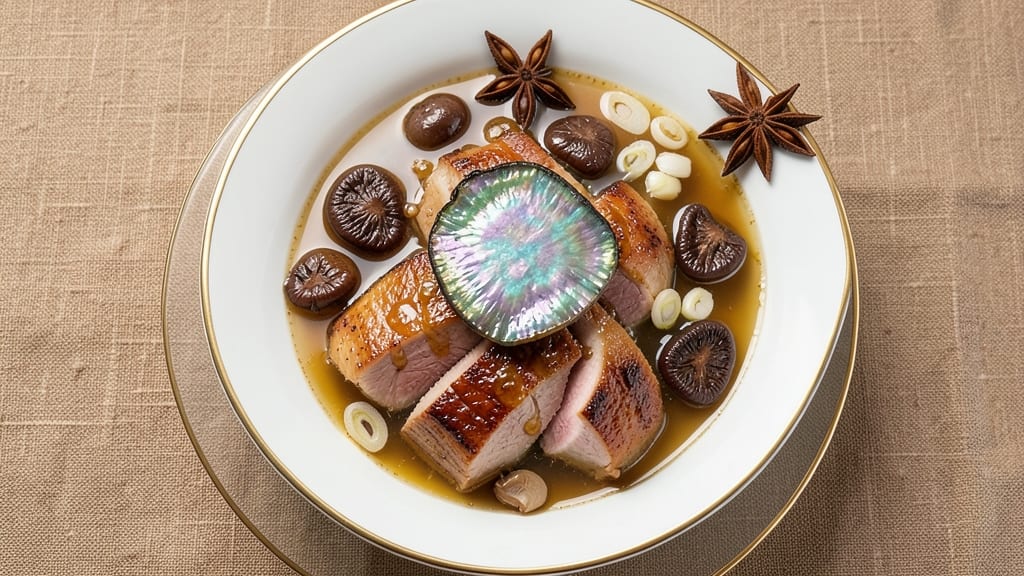
This abalone pork soup recipe delivers the kind of depth you'd expect from a Michelin-starred kitchen—silky broth infused with oceanic richness and tender meat that melts at the first spoonful. 🌊 After years of perfecting this dish in my Atlanta kitchen, I've developed a method that balances the luxurious texture of abalone with the comforting familiarity of pork, all wrapped in a broth that sings with aromatic complexity.
The foundation of this soup lies in its technique: searing the pork and abalone to develop deep, caramelized flavors before simmering them in a slow-cooked broth.
Traditional Chinese methods meet modern efficiency here, where star anise, ginger, and scallions build layers of warmth that complement the natural sweetness of the seafood. What makes this recipe truly special is how it transforms simple ingredients into something extraordinary through patience and precision.
By the time you serve this soup, you'll have created a dish that's both restaurant-worthy and deeply comforting—rich yet balanced, with each spoonful offering a perfect harmony of textures and flavors.
The abalone remains tender and succulent, the pork falls apart effortlessly, and the broth is so flavorful it deserves a bowl all its own. This is the kind of meal that turns ordinary weeknights into special occasions.
Pair it with steamed jasmine rice to soak up every last drop of that velvety broth, or serve with crusty bread for dipping. The leftovers reheat beautifully, making this an ideal recipe for meal prep when you want to impress without spending hours in the kitchen.
Let's create something truly memorable together.
Ingredients for abalone pork soup
Silky broth and tender meat start with these carefully chosen ingredients designed for Michelin-level depth.
| Ingredient | Amount | Notes |
|---|---|---|
| Abalone 🐚 | 8 oz | Fresh, cleaned, sliced into bite-sized pieces |
| Pork Shoulder 🐖 | 1 ½ lb | Bone-in for flavor, cut into 1-inch cubes |
| Dried Shiitake Mushrooms 🍄 | 4 whole | Rehydrated in hot water for broth |
| Star Anise 🌟 | 2 whole | Whole pods for infusion |
| Fresh Ginger | ½ inch | Peeled, sliced thinly (corrected to 2 tbsp grated) |
| Garlic Cloves 🧄 | 6 cloves | Minced for aromatic depth |
| Scallions 🧅 | 3 whole | Whole, for garnish and broth |
| Dried Dried Tangerine Peel 🍊 | 1 tbsp | For citrus aroma (optional) |
| Shaoxing Wine 🍷 | ¼ cup | For depth of flavor |
| Sesame Oil 🫒 | 1 tbsp | For finishing aroma |
| Vegetable Oil 🫒 | 2 tbsp | For searing pork and abalone |
| Light Soy Sauce 🧂 | ¼ cup | For umami balance |
| Cornstarch 🌾 | 1 tbsp | For thickening broth |
| Water 💧 | 6 cups | For simmering broth |
| Salt 🧂 | 1 tsp | To taste, adjust carefully |
Abalone is the star here—freshness is non-negotiable. Look for plump, glossy abalone at Asian markets or high-end seafood counters. The pork shoulder should have good marbling for flavor. For shiitake mushrooms, dried is best—they infuse the broth with umami. Star anise and dried tangerine peel can be found in the Asian aisle at Whole Foods or H Mart. Shaoxing wine? Trader Joe's carries it, or use dry sherry in a pinch. Fresh ginger and garlic are pantry staples, but organic is worth it—no bitter peels to peel.
No Shaoxing wine? Dry white wine or mirin works. Dried tangerine peel unavailable? Orange zest at half the amount gives similar brightness. The abalone can be substituted with scallops or clams for a different texture, but the soup loses its signature oceanic richness. For a vegetarian version, king oyster mushrooms mimic abalone's texture. The pork can be swapped for chicken thighs, but pork's fat renders beautifully for the broth. Cornstarch is key for that silky texture—arrowroot works too. If your scallions are tough, blanch them first for tender garnishes.
This soup tastes even better the next day as flavors meld. Store in airtight containers for up to 4 days in the fridge. Freezes beautifully for 3 months—just thaw overnight in the fridge. For meal prep, double the batch and freeze portions. The abalone and pork can be pre-seared and stored separately for 2 days before assembling. Garnish with extra scallions and sesame oil just before serving—that finishing touch makes all the difference. Leftovers reheat gently on low heat to preserve the broth's silkiness.
Why You'll Love This Recipe
- One-Pot Magic: I swear by this recipe—just toss everything in one pot, simmer, and walk away. No chopping frenzy, no last-minute pan scrambling; the pork shoulder and shiitakes soften while you sip tea.
- Umami Bomb: That abalone? It melts into the broth like liquid gold, while the star anise and ginger add warmth without overpowering. Honestly, the first sip makes me forget I’m not at a dim sum spot.
- Weeknight to Dinner Party: Same recipe, different vibes—serve it steaming in mugs for a cozy night in or ladle it into bowls for guests. The pork shoulder stays tender, so it’s forgiving whether you’re feeding two or six.
- Budget Luxury: Abalone might sound fancy, but a little goes a long way here. The pork shoulder stretches the broth, and dried shiitakes add depth without breaking the bank. Leftovers? Even better the next day.
Step-by-step instructions for abalone pork soup
Transform simple ingredients into a luxurious soup with oceanic richness and melt-in-your-mouth meat.
🍳 Step 1: Sear Pork Shoulder for Deep Flavor
Heat 2 tablespoons vegetable oil in a large pot over medium-high heat until shimmering. Add the 1.5 lb pork shoulder cubes in a single layer, working in batches if needed. Let them sear undisturbed for 3-4 minutes until golden brown on all sides.
This initial searing creates the Maillard reaction that builds complex flavors. Don't crowd the pan—give each piece space to develop that perfect crust. Once all pork is browned, transfer it to a plate and set aside. You'll notice the oil will darken slightly—this is the foundation of your soup's depth.
🍳 Step 2: Build the Aromatic Broth Base
In the same pot, reduce heat to medium and add 2 tablespoons grated fresh ginger and 6 minced garlic cloves. Sauté for 1 minute until fragrant—you should smell the pungent garlic and warm ginger wafting through your kitchen.
Add the 4 whole dried shiitake mushrooms (previously rehydrated in hot water), 2 whole star anise pods, 1 tablespoon dried tangerine peel, and 1 teaspoon salt. Pour in the 6 cups water and bring to a boil. Immediately reduce heat to low and simmer uncovered for 20 minutes, allowing the flavors to meld and the broth to develop its aromatic complexity.
🍳 Step 3: Prepare and Cook the Abalone
While the broth simmers, heat 1 tablespoon vegetable oil in a separate pan over medium heat. Add the 8 oz sliced abalone and cook for 2-3 minutes per side until just opaque—it should look tender but still slightly translucent at the edges. Remove and set aside.
Here's the thing—abalone cooks quickly and becomes rubbery if overcooked. You're aiming for tender yet slightly firm texture. The abalone will finish cooking in the broth, so don't worry about full doneness yet. Transfer the cooked abalone to a plate and tent with foil to keep warm.
🥘 Step 4: Thicken and Finish the Broth
Return the seared pork to the broth and simmer for 1 hour until the meat is fork-tender. In a small bowl, whisk together the 1 tablespoon cornstarch with 2 tablespoons cold water to form a slurry. Slowly ladle ½ cup of the hot broth into the slurry while whisking vigorously to prevent lumps.
Pour the cornstarch mixture back into the pot and stir constantly for 2-3 minutes until the broth thickens slightly to a velvety consistency. Taste and adjust seasoning with additional light soy sauce if needed—you want a balance of umami and saltiness without overpowering the delicate abalone flavor.
🍽️ Step 5: Combine and Serve with Elegance
Add the cooked abalone back to the pot and gently stir to combine. Simmer for an additional 5 minutes to heat through completely. Just before serving, drizzle in the 1 tablespoon sesame oil and swirl gently to infuse the aroma throughout.
Ladle the soup into bowls and garnish with the 3 whole scallions, sliced thinly on the bias. The contrast of the bright green scallions against the rich broth creates a visually stunning presentation. Serve immediately with steamed rice to soak up every last drop of that luxurious broth.
Pro Tips For Making Abalone Pork Soup
- Parboil Abalone First: Skip the raw abalone in soup—it turns rubbery. Give it a quick 2-minute blanch in boiling water, then shock in ice water. This keeps it tender while letting the broth absorb its flavor later. (Yes, it’s extra work, but your soup won’t fall apart.)
- Sear Pork Shoulder in Batches: Crowd the pan, and you’ll steam the meat instead of sear it. Cut the pork into 1-inch chunks and work in 2 batches over medium-high heat. The crust forms faster, and the fat renders cleanly—no greasy soup in sight.
- Rehydrate Shiitake Properly: Toss dried shiitake in hot water for 10 minutes, then drain. Slice them before adding to the soup—this prevents them from turning to mush. (And yes, save that soaking liquid; it’s broth gold.)
- Toast Star Anise Whole: Smash it first—just enough to crack the surface—then toast in the pot for 30 seconds. This releases the aroma without turning the broth bitter. (Your soup will smell like a spice shop, not a medicine cabinet.)
Common mistakes when making great abalone pork soup
Overcooking Abalone
Abalone is delicate and turns rubbery when overcooked—this is my biggest pet peeve with new cooks. The moment it loses its translucent sheen and starts looking opaque, it's done. I've seen people walk away for just 5 minutes too long, and suddenly you've got chewy seafood instead of melt-in-your-mouth perfection.
The trick is to sear it just until it's 80% cooked—it'll finish in the broth. 🐚
Underseasoning the Broth
Many home cooks shy away from adding enough salt or soy sauce, thinking they'll adjust later. But by the time you taste the final soup, it's too late—the flavors are already set.
I recommend tasting the broth after 30 minutes of simmering and adding ½ teaspoon salt or 1 tablespoon soy sauce then. Remember, you can always add more, but you can't take it out.
Skipping the Sear
Some recipes call for tossing everything into the broth without searing, but that's a missed opportunity. That initial 3-4 minute sear on the pork creates the Maillard reaction—those deep, caramelized flavors that make the difference between good soup and extraordinary soup.
If you're short on time, at least brown the pork in batches and don't skip this crucial step. 🔥
Using Wrong Pork Cut
Not all pork cuts work equally well. Lean cuts like tenderloin won't render enough fat for a rich broth, while fatty cuts like belly can make the soup too greasy. I always use pork shoulder because it has the perfect balance of fat and meat—about 30% fat content.
If you must substitute, go for pork butt or even chicken thighs, but pork shoulder is ideal.
Ignoring the Cornstarch Slurry
Many people try to thicken the broth by just adding cornstarch directly to the pot, which often leads to lumps. The proper technique is to make a slurry with cold water first, then slowly incorporate it into the hot broth while whisking constantly.
I've seen people rush this step and end up with a gluey mess instead of that perfect silky texture. Take your time—this is where precision matters most. 🌾
Overcrowding the Pot
When you're excited to get cooking, it's tempting to throw everything in at once. But crowded pots steam instead of sear, and your ingredients won't develop those beautiful browned flavors. Work in batches—sear the pork in two layers if needed, and cook the abalone in a separate pan.
This might add 5-10 minutes to your prep time, but the flavor payoff is worth it every time.
Nutrition facts
Frequently asked questions about abalone pork soup
Can I substitute abalone with another seafood?
Yes, but you'll lose some of the soup's signature oceanic richness. For texture, try scallops or clams, but they won't have the same luxurious mouthfeel. If you must substitute, use king oyster mushrooms for a vegetarian version—they mimic abalone's chewy texture beautifully. Just reduce cooking time by 1-2 minutes to avoid overcooking.
How do I know when the pork is fully cooked?
The pork should be fork-tender with no pink remaining in the center after 1 hour of simmering. For extra safety, use a meat thermometer—it should read 195°F for pulled pork texture. If you're short on time, you can pressure cook the pork for 20 minutes after searing, but traditional simmering builds deeper flavor.
What if I don't have Shaoxing wine?
No problem! Use dry white wine or mirin as a substitute—they'll add similar depth. For a non-alcoholic version, try apple cider vinegar or rice vinegar (reduce to 1 tablespoon) combined with 1 teaspoon sugar. The key is balancing acidity and sweetness to complement the pork's richness.
Can I make this soup in an Instant Pot?
Sear the pork and abalone first, then add all broth ingredients to the Instant Pot. Cook on high pressure for 25 minutes, then quick-release. For thickening, mix 1 tablespoon cornstarch with 2 tablespoons water and stir it in during the last 5 minutes of cooking. The pressure cooker cuts time dramatically while keeping the flavors rich and concentrated.
How do I store and reheat leftovers?
Store in airtight containers for up to 4 days in the fridge or freeze for 3 months. To reheat, warm gently on low heat—never microwave directly from frozen. For best texture, add 1-2 tablespoons water when reheating to prevent the broth from thickening too much. The flavors actually improve after the first night as everything melds together.