
Main Courses
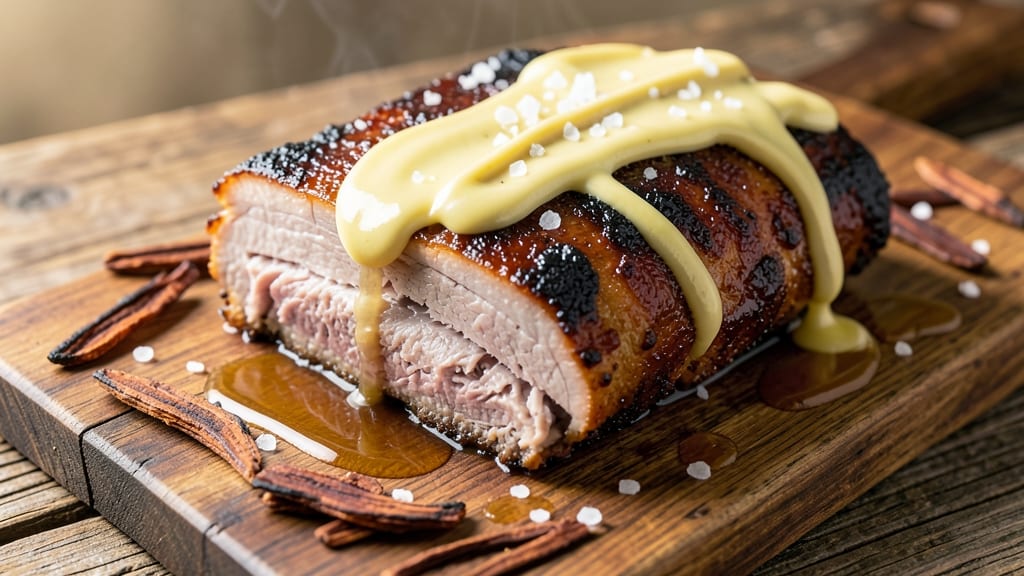
Aaron Franklin's pulled pork recipe is the gold standard for Texas-style smokehouse perfection, and I've spent years perfecting my version of his signature method. The secret lies in low-and-slow smoking with post-oak wood, creating that unmistakable sweet, smoky flavor that defines Franklin Barbecue.
I remember the first time I tasted his pork at Lockhart—it changed how I approached barbecue forever.
What sets this recipe apart is the attention to detail from start to finish. We begin with a well-trimmed pork shoulder, seasoned with a dry rub that skips vinegar (Franklin's signature move) and focuses on brown sugar, salt, and black pepper.
The magic happens at 225°F for 12-16 hours, where the collagen breaks down into tender, juicy perfection while developing that coveted bark. The key is patience—rushing this process ruins everything.
By the time you reach the 203°F internal temperature, you'll have meat that practically falls apart at a touch. The resting period is crucial—letting it sit for 30 minutes before pulling ensures those juices redistribute.
This isn't just pulled pork; it's a masterclass in Texas barbecue that delivers restaurant-quality results at home. The aroma alone will have your neighbors showing up uninvited.
Serve it on toasted white bread with classic Texas sides like tangy pickles and creamy coleslaw. The pork's natural sweetness shines without needing heavy sauces—just a sprinkle of flaky salt and maybe a dollop of mustard if you're feeling fancy.
This is the kind of recipe that turns weeknight dinners into legendary gatherings. Let's get smoking!
Ingredients for aaron franklin pulled pork
Pork shoulder, oak wood, and Texas-style patience create legendary pulled pork.
| Ingredient | Amount | Notes |
|---|---|---|
| Pork Shoulder (Bone-In) 🍖 | 8 lb | Well-trimmed, 3-4 inches thick |
| Light Brown Sugar 🍚 | ½ cup | Packed, for sweetness and bark |
| Kosher Salt 🧂 | ¼ cup | Diamond Crystal preferred |
| Freshly Ground Black Pepper 🌶️ | 1 tbsp | Coarse grind for texture |
| Post Oak Wood Chips 🌳 | 2 lb | For authentic Texas smoke |
| Yellow Mustard 🍯 | 1 tbsp | Dijon works too (optional) |
| Apple Cider Vinegar 🍎 | 1 tbsp | For moisture balance |
| White Sandwich Bread 🍞 | 2 loaves | Texas toasted, for serving |
| Yellow Pickles 🥒 | 2 cups | Sliced, for tangy contrast |
| Creamy Coleslaw Mix 🥬 | 4 cups | Store-bought or homemade |
| Flaky Sea Salt 🧂 | 2 tbsp | For final garnish |
| Yellow Mustard (for serving) 🍯 | ¼ cup | Optional finishing touch |
The pork shoulder is non-negotiable—bone-in for flavor, 8 lbs for a crowd. Look for a well-marbled cut with good fat cap at Costco or your butcher shop. Trim excess fat but leave some for moisture. The post oak wood chips are key—Traeger or Cookshack have reliable options. I always buy extra wood because running out mid-smoke is a disaster. For the rub, Diamond Crystal kosher salt dissolves better than table salt, giving you that clean, crisp flavor without graininess.
No post oak? Hickory or pecan chips work in a pinch, but the flavor won't be quite the same. Running short on brown sugar? White sugar plus 1 tsp molasses mimics the depth. The mustard and vinegar are optional but help tenderize—French's yellow mustard is my go-to. For serving, Texas toast (thick-cut white bread) is essential. If you can't find it, sourdough or ciabatta work well. The pickles should be vibrant yellow, not cloudy—Heinz or Vlasic brands are reliable. Coleslaw mix can be store-bought or homemade with mayo, vinegar, and shredded cabbage.
Pork keeps 3-4 days in the fridge once cooked—freeze portions for up to 3 months. I portion the pulled pork into quart-sized containers with a layer of pickle juice to keep it moist. The bread toasts best when wrapped in foil and warmed in a 350°F oven for 5 minutes. Leftovers reheat beautifully—microwave with a splash of apple juice to restore moisture. Always make extra; this disappears faster than you can say 'Franklin Barbecue.'
Why You'll Love This Recipe
- Sweet-Smoky Magic: That brown sugar crust caramelizes into crispy edges while the smoke from post oak wood seeps into every fiber, giving you tender meat with a perfect balance of sweetness and deep, smoky char. It’s the kind of flavor that makes people pause mid-bite.
- Budget Smoker Win: A pork shoulder is cheap, and one cut feeds a crowd without breaking the bank. Plus, the post oak wood chips add that Texas BBQ soul for pennies. It’s my go-to for game days, potlucks, or when I just want to impress without stressing.
Step-by-step instructions for Aaron Franklin's pulled pork
Here's how to replicate Aaron Franklin's legendary Texas-style pulled pork with perfect bark and tender meat.
Prepare and Season the Pork Shoulder
Start by trimming any excess fat from the 8 lb pork shoulder (bone-in) down to about ¼-inch thickness. This ensures proper smoke penetration while maintaining moisture. Pat the meat completely dry with paper towels—this is crucial for developing that coveted bark.
In a small bowl, combine the 0.5 cup light brown sugar, 0.25 cup kosher salt, and 1 tbsp freshly ground black pepper. Rub this mixture generously over all sides of the pork shoulder, pressing firmly so the seasoning adheres. Let it sit at room temperature for 1 hour before smoking—this allows the seasoning to penetrate and the meat to cook more evenly.
Set Up the Smoker with Post Oak Wood
Soak the 2 lb post oak wood chips in water for 30 minutes before use. This prevents them from burning too quickly and ensures a steady smoke output. Set your smoker to 225°F and allow it to preheat for at least 30 minutes before adding the pork. The goal is to maintain a consistent temperature with clean, blue smoke—avoid thick white smoke, which indicates moisture rather than proper combustion.
Place the seasoned pork shoulder fat-side up on the smoker grates. The fat will render and baste the meat as it cooks, creating that signature crispy exterior. Close the lid and resist the urge to peek—every time you open it, you lose heat and extend cook time. This low-and-slow method is key to tender, fall-apart texture.
Smoke Until Probe-Tender
Smoke the pork shoulder undisturbed for 6-8 hours, or until the internal temperature reaches 165°F. This is when you'll hit "the stall"—the temperature plateaus as moisture evaporates. Don't panic; this is normal and part of the process. The pork will eventually push through this phase and continue cooking.
Once the internal temperature hits 200-205°F and a meat probe slides in like butter, it's time to wrap. Remove the pork from the smoker and wrap it tightly in butcher paper (not foil). Return it to the smoker and continue cooking for another 1-2 hours until the internal temperature reaches 208-210°F. This step, known as the "Texas crutch," powers you through the stall while preserving that beautiful bark.
Rest and Shred the Pork
Remove the pork from the smoker and let it rest for 1-2 hours before shredding. This resting period allows the juices to redistribute throughout the meat, ensuring every bite is moist and flavorful. During this time, prepare your serving components: toast the 2 loaves white sandwich bread until golden and crispy, and mix the 4 cups creamy coleslaw mix with 1 tbsp yellow mustard and 1 tbsp apple cider vinegar. Toss gently to combine.
Using two forks or your hands, shred the pork against the grain into ¼-inch thick strands. The meat should pull apart easily with minimal resistance. If it's not tender enough, return it to the smoker for an additional 30 minutes and check again. Once shredded, transfer the pork to a large serving bowl and mix in the 2 cups yellow pickles and any accumulated juices from the pork.
Assemble and Serve
Spoon the shredded pork onto toasted bread, top with a generous helping of coleslaw mix, and finish with a sprinkle of 2 tbsp flaky sea salt. For an optional finishing touch, drizzle with the 0.25 cup yellow mustard (for serving). Serve immediately while the pork is still warm and juicy, and the bread is crispy. The combination of smoky pork, tangy pickles, creamy coleslaw, and buttery bread creates a symphony of flavors that's pure Texas comfort food.
Pro Tips For Making Aaron Franklin Pulled Pork
- Sear the Shoulder First: Hit that pork shoulder with a screaming-hot cast-iron or heavy skillet before it goes in the smoker—just 3-4 minutes per side. I used to skip this, and the bark was always patchy. A good sear locks in flavor and gives you that deep, caramelized crust Aaron Franklin’s version is famous for.
- Soak Wood Chips: Toss those Post Oak chips in cold water for at least 30 minutes before lighting the smoker. Dry chips burn too fast and leave you with weak smoke. I learned this the hard way when my first batch of pulled pork tasted like a campfire instead of a Texas BBQ joint.
- Spritz Every 90 Minutes: After the initial rub, keep that pork moist by spritzing it with apple juice or water every 90 minutes once it hits 165°F. The sugar in the rub will caramelize faster, and the meat stays tender—not dry and tough. (Yes, even if you’re impatient like me.)
- Poke Holes in the Fat: Use a sharp knife to pierce the thick fat cap in a few spots before smoking. This renders the fat faster and keeps it from creating a greasy barrier that slows down the cooking. I was skeptical until I tried it—now it’s non-negotiable for me.
Troubleshooting perfect results
Temperature Fluctuations
If your smoker temperature jumps above 250°F or drops below 225°F, your bark and cook time will suffer. I recommend using a dual-probe thermometer like the Meater or ThermoWorks Smoke to monitor both the smoker air temp and pork internal temp.
Keep a spray bottle of water nearby to dampen hot spots on the firebox—just a quick spritz keeps temperatures stable. 🌡️
Dry or Tough Meat
Overcooking is the #1 cause of dry pulled pork. Once the internal temp hits 203°F, wrap the pork in butcher paper (not foil) and return it to the smoker. This "Texas crutch" method maintains moisture while finishing the cook.
If your pork still feels tough after shredding, try adding 2 tbsp apple cider vinegar to the serving bowl—it tenderizes the fibers beautifully.
Uneven Bark Development
For that perfect dark mahogany bark you see at Franklin Barbecue, keep the pork fat-side up and avoid moving it during the first 4 hours of smoking. If one side develops bark faster, rotate the pork 90 degrees (not 180) to even out the exposure.
Pro tip: Use post oak wood chips—they burn slower than hickory and produce that signature sweet smoke without overpowering the meat.
Stall Phase Struggles
The stall (when temp plateaus around 165°F) is normal but frustrating. To push through it faster, wrap the pork in butcher paper and add a handful of wood chips to the smoker.
The extra moisture from the paper and fresh smoke helps break through the stall. I've seen this cut cook time by 2-3 hours when done right.
Meat Not Pulling Apart
If your pork shreds with resistance, it likely didn't reach the proper internal temperature. The magic number is 203°F—use a meat thermometer with an instant-read probe to verify.
For extra insurance, add 1 tbsp yellow mustard to the rub before smoking—it contains enzymes that help tenderize the meat during the cook.
Smoke Flavor Too Strong
If your pork tastes smoky rather than sweet, you may have over-smoked it. The ideal smoke level should be light and sweet, not harsh. For milder flavor, reduce the wood chips to 1 lb and increase the cook time slightly.
I also recommend using post oak over hickory—it produces a cleaner, more balanced smoke that complements the pork's natural sweetness.
Nutrition facts
Frequently asked questions
Why does Aaron Franklin skip vinegar in his rub?
Franklin's rub avoids vinegar because it can make the bark too acidic and interfere with the natural sweetness of the pork. The brown sugar and salt focus creates a perfect balance of sweet, smoky, and salty flavors without overpowering the meat's inherent taste. This approach lets the post oak smoke shine through beautifully.
Can I use a regular oven instead of a smoker?
You can make it work, but results won't be the same. For oven-baked pulled pork, set it to 275°F and cook for 8-10 hours with a bowl of water on the lower rack to add moisture. Use a meat thermometer to monitor the internal temp, aiming for 203°F. The bark won't be as crispy, but the meat will still be tender. For best results, invest in a smoker or grill with a smoke box.
How do I know when the pork is fully cooked?
Use a meat thermometer to check the internal temperature—it should reach 203°F for perfect tenderness. The probe should slide in like butter, and the meat should pull apart easily with a fork. If it's not quite there, return it to the smoker for another 30-60 minutes. Never rely on time alone; temperature is the only reliable indicator.
What's the best way to store leftovers?
Store pulled pork in an airtight container with a layer of pickle juice or apple cider vinegar to keep it moist. It stays fresh in the fridge for 3-4 days or freezes well for up to 3 months. When reheating, add a splash of liquid (like broth or pickle juice) to prevent drying out. Leftovers actually taste better the next day as flavors meld!
Can I make this recipe with a smaller cut of pork?
Yes, but expect different results. For a 4-5 lb pork shoulder, reduce cook time to 6-8 hours total (including the Texas crutch wrap). The bark will be thinner, and the meat may not be as tender. For best results, stick to the 8 lb cut—it's the ideal size for that perfect balance of bark and tender meat. Smaller cuts work well for sandwiches, though.