
Main Courses
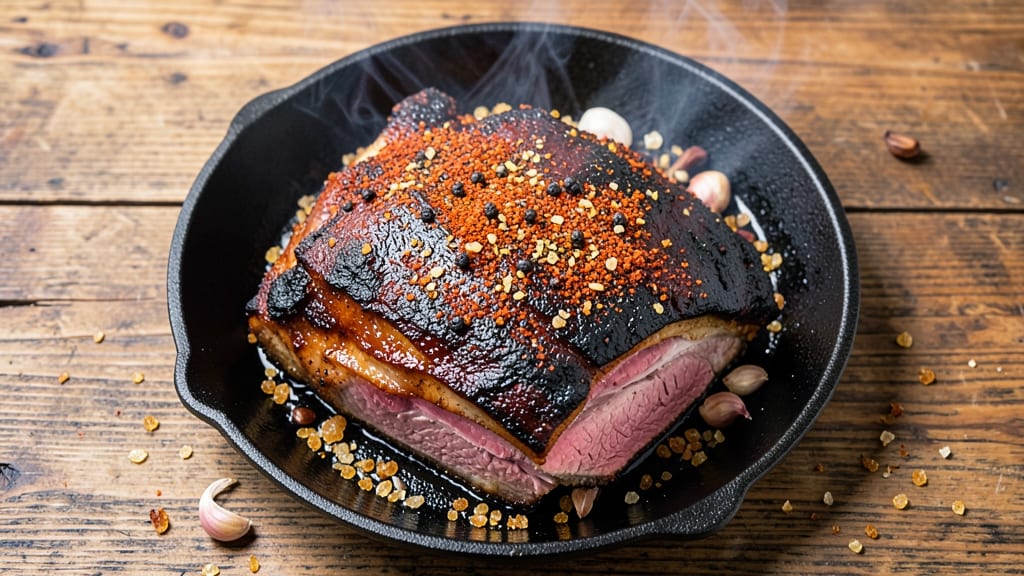
Aaron Franklin's pork butt recipe delivers the kind of Texas BBQ that turns casual gatherings into legendary meals. After years of perfecting my own approach to Franklin's techniques, I've developed a method that guarantees crispy bark and juicy, tender meat every time. The key lies in that perfect balance of low-and-slow smoking paired with a carefully crafted dry rub.
What sets this recipe apart is the attention to detail—starting with a 24-hour dry brine that transforms the meat before it even hits the smoker.
We'll use a classic Texas-style rub with just eight ingredients, then smoke at 225°F until the internal temperature reaches 195°F. This method ensures the collagen breaks down properly while developing that coveted bark.
By the time you pull it from the smoker, you'll have a shoulder of pork that's fall-apart tender with a dark, crackling crust that's impossible to resist.
The beauty of this recipe is its versatility—serve it sliced thin for tacos, chopped for sandwiches, or as whole slices for a crowd-pleasing centerpiece.
For those who want to take it further, I'll share my go-to Texas-style BBQ sauce and pickled onions>—both essential for completing the Franklin-style experience. This isn't just pork; it's a celebration of Texas BBQ tradition perfected for your home kitchen.
Ingredients for aaron franklin pork butt
Eight ingredients for the rub plus a few extras to make Texas-style pork butt legendary.
| Ingredient | Amount | Notes |
|---|---|---|
| Pork Butt (Boston Butt) 🐖 | 10 lb | Bone-in, skin-on preferred |
| Kosher Salt 🧂 | 1 ½ cups | Diamond Crystal preferred |
| Black Peppercorns 🌶️ | ½ cup | Freshly cracked, coarse grind |
| Smoked Paprika 🌶️ | ¼ cup | High-quality, not sweet |
| Garlic Powder 🧄 | ¼ cup | Freshly ground preferred |
| Onion Powder 🧅 | ¼ cup | Non-GMO preferred |
| Mustard Powder 🌶️ | 2 tbsp | Yellow or brown preferred |
| Ground Cumin 🌿 | 2 tbsp | Toasted for deeper flavor |
| Brown Sugar 🍚 | ½ cup | Light or dark preferred |
| Yellow Mustard 🍯 | ½ cup | For dry brine coating |
| Apple Cider Vinegar 🍎 | ¼ cup | For acidity balance |
| Wood Chips (Oak or Hickory) 🌳 | 4 lb | For smoker fuel |
| Texas-Style BBQ Sauce 🍯 | 2 cups | Homemade or high-quality store-bought |
| Pickled Red Onions 🧅 | 2 cups | Thinly sliced, tangy |
The pork butt is the star, so look for bone-in, skin-on cuts—they render more fat and flavor. Costco or local butchers usually carry the best quality. If your cut has a thick fat cap, trim it down to about 1/4-inch for even bark development. The salt is non-negotiable—Diamond Crystal dissolves better than table salt. For the spices, Penzeys or bulk bins are your best bet for freshness. Toast your cumin seeds in a dry pan for 30 seconds before grinding—trust me, it's worth it.
No smoked paprika? Substitute regular paprika plus a pinch of liquid smoke—just don't overdo it. Running low on brown sugar? White sugar works fine, but it won't caramelize as nicely. The mustard powder adds depth—skip it if you're sensitive to strong flavors. For the dry brine, mix the yellow mustard and vinegar first, then add the pork butt. This combo helps tenderize the meat while adding a subtle tang. If you're short on time, 6 hours minimum in the brine still works wonders.
This pork keeps beautifully—3-4 days in the fridge or 3 months frozen. For best results, slice against the grain and serve at room temperature. The bark gets even better the next day. I always make extra sauce and onions—Trader Joe's has great pre-pickled onions that save time. Store leftovers in airtight containers with a paper towel on top to absorb moisture. The wood chips? Soak them for 30 minutes before using for cleaner smoke.
Why You'll Love This Recipe
- I’ll be real: this works for everything. Toss it on a bun for tacos on a Tuesday, slice it over mashed potatoes for a Sunday supper, or serve it cold in sandwiches the next day. The pork butt’s rich flavor plays nice with anything.
- Five-Ingredient Magic: Between us, this recipe is that simple. You’re basically seasoning a hunk of pork butt with salt, pepper, smoked paprika, and garlic powder—then letting the smoker (or oven) do all the heavy lifting. No fancy marinades, no last-minute prep—just trust the process.
- Smoky-Garlic Obsession: Honestly, the way that smoked paprika and garlic powder cling to the meat? It’s like a flavor hug you didn’t know you needed. The crust gets this deep, almost charred edge, while the inside stays juicy—every bite is a little taste of Texas BBQ perfection.
- Weeknight or Weekend Star: I’ll be real: this works for everything. Toss it on a bun for tacos on a Tuesday, slice it over mashed potatoes for a Sunday supper, or serve it cold in sandwiches the next day. The pork butt’s rich flavor plays nice with anything.
Step-by-step instructions for Aaron Franklin's Texas BBQ smoked pork butt
Here's how Aaron Franklin smokes pork butt to legendary perfection—crispy bark, tender meat, and that signature Texas flavor.
Create the Dry Rub and Apply to Pork Butt
In a large bowl, combine the 1.5 cups kosher salt, 0.5 cup freshly cracked black peppercorns, 0.25 cup smoked paprika, 0.25 cup garlic powder, 0.25 cup onion powder, 2 tbsp mustard powder, 2 tbsp ground cumin, and 0.5 cup brown sugar. Mix thoroughly until the spices are evenly distributed throughout the salt.
Generously coat the 10 lb pork butt with this dry rub, pressing it into the meat so it adheres well. This step is crucial—it's what creates that iconic Texas bark. Place the rubbed pork butt on a wire rack set over a tray, fat side up, and refrigerate uncovered for 12-24 hours. This dry brine process ensures maximum flavor penetration and that perfect crust.
Prepare the Smoker and Wood Chips
Fill your smoker with 4 lb oak or hickory wood chips and soak them in water for 30 minutes before adding to the smoker. Set the smoker temperature to 225°F and allow it to stabilize. The reason for this low-and-slow approach? It breaks down the tough connective tissue in the pork butt while allowing the smoke to penetrate deeply without drying out the meat.
Once the smoker reaches 225°F and you see clean, blue smoke (not thick white smoke), it's ready. Place the pork butt fat side down on the smoker grates. This position allows the fat to render slowly, basting the meat as it cooks. Close the lid and resist the urge to open it—every time you peek, you lose heat and moisture, extending cook time.
Smoke Until Probe-Tender
Smoke the pork butt undisturbed for 8-12 hours, maintaining a consistent 225°F temperature. You'll hit "the stall" around 165-170°F internal temperature—this is when the meat's moisture evaporates and the temperature plateaus. Don't panic; this is normal and expected.
When the internal temperature reaches 195-203°F and a probe slides in like butter with no resistance, it's time to wrap. This technique, known as the "Texas crutch," ensures you get that perfect balance of tender meat and crispy bark. Wrap the pork butt tightly in butcher paper (not foil), return it to the smoker, and continue cooking until it reaches 203°F internal temperature. Total cook time should be 14-16 hours depending on your smoker's efficiency.
Rest and Slice for Maximum Juiciness
Once the pork butt reaches 203°F, remove it from the smoker and let it rest in the butcher paper for 1 hour before slicing. This resting period allows the juices to redistribute throughout the meat, ensuring every slice is moist and flavorful. The pork butt should pull apart easily with just a fork or your fingers—this is the sign of true tenderness.
Slice the pork butt against the grain into ¼-inch thick slices. Serve immediately with 2 cups Texas-style BBQ sauce and 2 cups pickled red onions on the side. The bark should be dark mahogany with a crispy texture, while the meat inside should be so tender it nearly falls apart. Each bite should deliver a perfect balance of smoky, spicy, and sweet flavors that define Texas BBQ.
Pro Tips For Making Aaron Franklin Pork Butt
- CRANK THE HEAT FIRST: Aaron Franklin’s recipe starts with a screaming-hot pan—don’t skimp. Get that pork butt searing hard for 3-4 minutes per side before you even think about adding the garlic and butter. I used to take it easy, and the meat just steamed instead of developing that deep, caramelized crust. High heat. Seriously, crank it up.
- SALT THE PORK WEEKLY: This isn’t just seasoning—it’s a game-changer. Salt the pork butt at least 24 hours before cooking (I do it 3-4 days ahead), and flip it daily. The salt penetrates deeper, and the surface gets that perfect dry, crusty texture. Skip this, and you’ll end up with a soggy, flavorless mess. Trust me, your future self will notice the difference.
- DON’T PACK THE PAN: When you add the garlic, butter, and spices, resist the urge to stir like you’re making a sauce. Let that butter pool and sizzle—it’s how you get those crispy, garlic-infused bits on the bottom. Crowd the pan, and you’ll steam the pork instead of searing it. Give it space, and let those flavors develop.
- REST IT UNDER FOIL: Once the pork is done (145°F internal temp), don’t cut into it right away. Tent it loosely with foil and let it sit for 10-15 minutes. I learned this the hard way—cutting too soon turns tender meat into a dry, sad pile. The rest keeps the juices locked in, and the crust stays intact. Yes, even if you’re impatient like me.
Pro cooking tips for great aaron franklin pork butt
Smoker Temperature Control
Maintaining a steady 225°F is non-negotiable for that perfect Texas BBQ texture. I use a Meater thermometer with dual probes—one for the smoker and one for the meat—to avoid guesswork. If your smoker fluctuates, adjust the vents incrementally.
Too hot? Open the bottom vent slightly. Too cold? Close it just enough to stabilize. Remember, every degree above 225°F risks drying out the meat, while below 220°F extends cook time unnecessarily. 🌡️
The Texas Crutch
When your pork butt hits 195°F internal temperature, wrap it tightly in butcher paper (never foil—it steams the meat). This "crutch" technique powers through the stall phase, saving 2-3 hours of cook time.
I like to add a ½ cup apple cider vinegar soaked in a paper towel inside the wrap for extra moisture and tang. Return it to the smoker until it reaches 203°F—this is where the magic happens.
Fat Side Down First
Place the pork butt fat side down on the smoker grates. This allows the fat to render slowly, basting the meat as it cooks and creating that coveted mahogany bark. After 4-5 hours, flip it fat side up to render the remaining fat and crisp the skin.
Pro tip: Use a Lodge cast iron skillet to press the fat cap down occasionally if it's thick—this ensures even bark development.
Wood Chip Mastery
Oak and hickory are the classic choices, but don't overdo it—4 lbs is plenty for a 10 lb pork butt. Soak the chips for 30 minutes before using to prevent flare-ups.
I like to split my wood chips: 75% oak for that classic Texas flavor and 25% hickory for a touch of sweetness. Avoid mesquite unless you're going for a bold, almost campfire-like taste—it can overpower the pork.
Probe Test Perfection
Use a meat thermometer probe to check doneness—insert it into the thickest part of the meat, avoiding the bone. When it reads 203°F and the probe slides in like butter with no resistance, it's ready. If you're unsure, pull it at 200°F and let it rest—it'll continue cooking slightly.
The meat should pull apart easily with just a fork or your fingers. This is the sign of true tenderness that Aaron Franklin's method delivers. 💪
Resting Like a Pro
Never skip the 1-hour rest in the butcher paper. This allows the juices to redistribute, ensuring every slice is moist and flavorful. I like to place the wrapped pork butt in a Styrofoam cooler lined with towels to keep it warm.
During this time, the bark firms up slightly, becoming even more crispy. If you're short on time, 30 minutes minimum still makes a difference—just don't expect the same level of juiciness.
Nutrition facts
Frequently asked questions about Aaron Franklin's pork butt
Why does Aaron Franklin's recipe call for a 24-hour dry brine?
The 24-hour dry brine transforms the pork butt by allowing the salt and spices to deeply penetrate the meat, creating a perfect balance of flavor and texture. This method also helps form that iconic crispy bark while keeping the interior juicy. Think of it as a flavor infusion that works overnight—like a marinade, but without the moisture loss!
Can I use a regular oven instead of a smoker for this recipe?
While possible, you won't get the same smoky depth or bark texture. For authentic results, use a smoker, pellet grill, or even a grill with a smoke box. If you must use an oven, try the Texas crutch method: smoke the pork butt in a smoker until 165°F, then transfer to a 275°F oven wrapped in butcher paper until it reaches 203°F. The bark won't be as crispy, but the meat will still be tender.
What's the deal with the 'Texas crutch' wrapping technique?
The Texas crutch is a game-changer! When the pork butt hits 195°F, wrap it tightly in butcher paper (not foil) to speed up cooking through the stall phase. This technique saves 2-3 hours while keeping the bark intact. The paper allows moisture to escape slightly, creating that perfect crust. Pro tip: Add a damp paper towel soaked in apple cider vinegar inside the wrap for extra moisture and tang.
How do I know when the pork butt is fully cooked?
Use a meat thermometer to check the thickest part of the meat—it should read 203°F and the probe should slide in like butter with no resistance. The meat should also pull apart easily with just a fork or your fingers. If you're unsure, pull it at 200°F and let it rest—it'll continue cooking slightly. This is the sign of true tenderness that defines Franklin-style pork butt.
Can I make this recipe with a smaller cut of pork?
Yes, but adjust the cooking time and temperature. For a 5 lb pork butt, aim for 225°F until it reaches 203°F internal temperature, which should take about 10-12 hours total (including the stall phase). The key is maintaining the same low-and-slow approach. Just be sure to use the Texas crutch method when it hits 195°F to ensure tenderness. Smaller cuts cook faster, so monitor closely!