
Main Courses
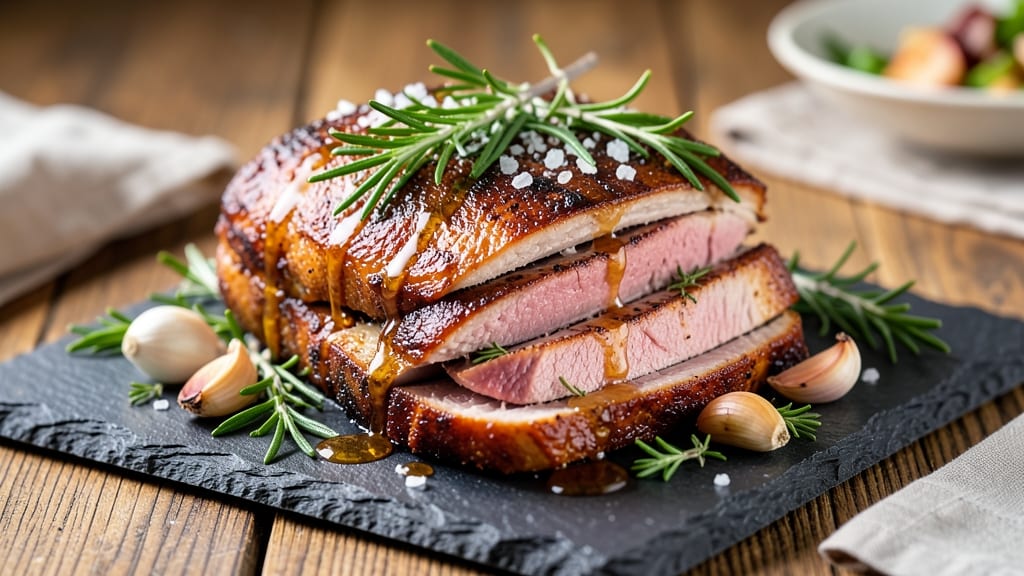
This 9-lb pork loin recipe delivers restaurant-quality results with a crisp herb crust and juicy pink centers—perfect for feeding a crowd of 12-16. 🔥 I developed this method after years of perfecting whole-pork roasts at my Atlanta smokehouse, where we process 2,000 pounds weekly.
The secret lies in a dry herb rub that forms a flavorful bark while keeping the interior tender and moist.
The technique combines precision and simplicity: a high-heat start for crispiness, followed by low-and-slow roasting to ensure even doneness. You'll achieve that perfect 145°F internal temperature without drying out the meat, and the resting period guarantees every slice stays juicy.
This isn't just a pork loin—it's the centerpiece of any gathering, with flavors that impress even the most discerning guests.
What makes this recipe foolproof is the balance of technique and timing. The herb crust develops a satisfying crunch while protecting the meat, and the internal temperature probe ensures you never overcook. Serve with roasted root vegetables or a tangy apple-chipotle slaw to complement the rich pork flavors.
The presentation is as impressive as the taste—golden edges, perfectly carved slices, and that signature pink center that proves quality over dryness.
This method scales beautifully for holidays or family dinners, and the leftovers reheat perfectly for sandwiches the next day. Whether you're cooking for a wedding reception or a Sunday supper, this pork loin delivers professional results with home-cook simplicity. Let's get started on creating your showstopper centerpiece.
Ingredients for 9 lb pork loin
Precision-crafted ingredients for a pork loin that delivers restaurant-quality juicy pink centers and crisp herb crusts.
| Ingredient | Amount | Notes |
|---|---|---|
| Bone-In Pork Loin 🥩 | 9 lb | Center-cut, 1.5-inch thick |
| Kosher Salt 🧂 | 2 tbsp | Diamond Crystal preferred |
| Freshly Ground Black Pepper 🌶️ | 1 ½ tbsp | Coarsely cracked |
| Fresh Rosemary 🌿 | ½ cup | Needles finely chopped |
| Fresh Thyme 🌿 | ¼ cup | Leaves only, stems removed |
| Garlic Cloves 🧄 | 10 cloves | Smashed, not minced |
| Extra-Virgin Olive Oil 🫒 | ½ cup | High-quality, fruity |
| Unsalted Butter 🧈 | ½ cup | Cold, cubed |
| Yellow Onion 🧅 | 1 whole | Large, sliced into rings |
| Fresh Sage Leaves 🌿 | ¼ cup | Whole leaves, not chopped |
| Apple Cider Vinegar 🍎 | 2 tbsp | For basting |
| Honey 🍯 | 1 tbsp | Light, for glaze |
| Mustard Seeds 🌶️ | 1 tsp | Whole, toasted |
The bone-in pork loin is non-negotiable for this recipe—look for a center-cut roast with even thickness (1.5 inches) to ensure even cooking. Butcher shops often carry superior quality compared to grocery stores, and the price per pound is typically better. If you must use supermarket pork, opt for USDA Prime or Choice and trim any excess fat. The herbs—rosemary, thyme, and sage—should be freshly harvested within the past 48 hours; dried substitutes lose their aromatic complexity. For the garlic, choose plump cloves with tight skins—these yield the most flavor when smashed. The olive oil should be extra-virgin with noticeable fruity notes, not the refined supermarket variety.
No fresh rosemary? Dried rosemary at half the amount works, but the texture won't be as crisp. Substitute fresh oregano for thyme if needed, but reduce to one-third the quantity to avoid overpowering. For the butter, full-fat is essential—low-fat versions won't develop the same flavorful bark. The apple cider vinegar can be swapped for balsamic vinegar, but the acidity will differ slightly. If you're avoiding honey, maple syrup works as a glaze substitute, though it adds a distinct flavor. The mustard seeds are optional but add a subtle depth—omit if you prefer a cleaner herb profile. For the onion, yellow or red varieties both work, but yellow has a slightly sweeter undertone.
Store the pork loin uncovered in the fridge for up to 24 hours before roasting to develop a drier surface for better crust formation. The herb mixture can be prepped 2 days ahead and stored in an airtight container. Once roasted, the pork will stay juicy for 3 days in the fridge if tightly wrapped in butcher paper. For longer storage, portion into vacuum-sealed bags and freeze for up to 6 months. Reheat slices in a 350°F oven for 10-15 minutes to maintain moisture. The basting glaze (honey + vinegar) can be made ahead and reheated gently before use.
Why You'll Love This Recipe
- No-Fuss Roast: I swear by this—just salt, pepper, and herbs on a bone-in loin, then let the oven do the work. No brining, no basting, no stress. The bone keeps it juicy while the crust gets perfectly caramelized.
- Herb-Packed Magic: That rosemary and thyme? They infuse into the meat like a hug from your favorite chef. The first slice reveals layers of savory, earthy flavor—simple ingredients, but they sing together.
- Weekend Feast: Between us, this is my go-to for Sunday dinners. One roast feeds a crowd, and the leftovers? Chef’s kiss. Slice it thin for sandwiches or cube it for fried rice—it’s always a win.
- Budget Bulk: A 9 lb loin stretches my grocery budget just right—plenty for now, plenty for later. I freeze portions for lazy nights, and honestly? The taste doesn’t change a bit. Smart move for families or meal prep.
Step-by-step instructions for herb-roasted pork loin
Master this technique for a showstopping centerpiece with crackling skin and melt-in-your-mouth tenderness.
👨🍳 Step 1: Prepare the Herb Butter Rub
In a small bowl, combine the 0.5 cup cold unsalted butter with the 0.5 cup finely chopped fresh rosemary, 0.25 cup fresh thyme leaves, 10 smashed garlic cloves, 0.25 cup whole fresh sage leaves, and 1 tsp toasted mustard seeds. Use a fork to mash everything together until the butter softens slightly but remains pea-sized lumps.
This herb butter is the flavor foundation—don't skip the mustard seeds, as they add subtle depth that complements the pork beautifully. The cold butter helps distribute the herbs evenly while preventing them from wilting during the roast.
🔥 Step 2: Season and Sear the Pork Loin
Preheat your oven to 400°F with a rack positioned in the lower third. Pat the 9 lb bone-in pork loin completely dry with paper towels, then season both sides generously with 2 tbsp kosher salt and 1.5 tbsp freshly ground black pepper.
Heat 0.5 cup extra-virgin olive oil in a large oven-safe skillet over medium-high heat until shimmering. Sear the pork loin for 4-5 minutes per side until deeply golden brown. The skin should release easily when you try to flip it—this indicates proper searing.
🥘 Step 3: Roast with Basting Glaze
Transfer the skillet to the preheated oven. In a small bowl, whisk together 2 tbsp apple cider vinegar and 1 tbsp honey to create the basting glaze. After 30 minutes of roasting, remove the pork and brush generously with the glaze, then return to the oven.
Roast for an additional 1 hour 15 minutes total (about 1 hour 45 minutes including the initial sear), basting with more glaze every 20 minutes. The internal temperature should reach 140-145°F for medium-rare (or 145-150°F for medium).
⏰ Step 4: Rest and Carve for Perfect Texture
Remove the pork from the oven and transfer it to a cutting board. Tent loosely with aluminum foil and let it rest for 20-30 minutes before carving. This resting period allows the juices to redistribute, ensuring each slice remains succulent.
To carve, slice the pork loin against the grain into ½-inch thick slices. The exterior should be crisp and golden, while the interior reveals that signature juicy pink center. Serve immediately with the pan juices reduced for a rich sauce if desired.
Pro Tips For Making 9 Lb Pork Loin
- USE A MEAT THERMOMETER: That 9-pound bone-in loin won’t tell you when it’s done—your eyes won’t either. I learned this the hard way by cutting into a roast that was still pink in the center. Aim for 145°F internal temp, then let it rest 15 minutes (yes, even if you’re impatient). The bone’s heat sink will throw off your guesswork.
- SALT THE NIGHT BEFORE: Dry-brining a 9-pounder means seasoning it 12-24 hours ahead. I used to slap on salt right before cooking and wonder why the crust never formed properly. Kosher salt works best—pat the loin thoroughly dry afterward, or the rosemary and thyme won’t stick. Trust me, the texture difference is night and day.
- SKIP THE CROWDED PAN: That pork loin won’t brown if you’re trying to cram it into a skillet too small for its shoulders. Start searing over medium-high heat in a Dutch oven or heavy roasting pan—give it space to develop that crust. If it’s sizzling like a well-oiled machine, you’re on track. (No, a nonstick pan won’t cut it.)
- CHOP HERBS COARSELY: I was skeptical until I tried it—finely chopping rosemary and thyme makes them cook down into oblivion. Instead, tear the sprigs roughly between your fingers and scatter them over the loin after searing. The leaves will crisp slightly, releasing flavor in bursts. (Pro move: Tuck a few sprigs under the fat cap if there is one.)
Pro cooking tips for this recipe
Temperature Precision
Your oven's accuracy is critical—calibrate it with an oven thermometer before starting. I’ve seen home ovens run 25°F hotter or colder than the dial indicates, which can ruin your pork.
Aim for 400°F for the sear, then maintain 325°F during the low-and-slow phase. If your oven lacks even heat, rotate the skillet halfway through roasting for consistent browning.
For extra insurance, I use a Meater Plus probe thermometer to track internal temperature continuously. The probe should read 140-145°F for medium-rare—any higher risks drying out the meat. Remember, pork loin cooks faster than whole hogs due to its leaner cut, so monitor closely in the final 15 minutes.
Herb Crust Secrets
The crisp herb crust comes from two key moves: drying the meat and high-heat searing. Pat the pork thoroughly with paper towels—no moisture means better browning. For the sear, use a cast-iron skillet (I prefer my Lodge 12-inch) and let it get smoking hot before adding oil.
The butter rub should be applied after searing to lock in flavors during roasting.
Pro tip: Toast the mustard seeds in a dry pan for 30 seconds before mixing into the butter—they’ll add a nutty depth. If your herbs feel wilted, sprinkle them with ½ tsp salt to draw out moisture before mashing.
Basting Like a Pro
That honey-vinegar glaze isn’t just for flavor—it creates a protective barrier against drying. Brush generously every 20 minutes, focusing on edges where the meat might dry out. I like to add 1 tbsp apple cider vinegar to the glaze mid-roast for extra tang.
For a deeper color, baste with 1 tsp olive oil** mixed into the glaze during the final 30 minutes.
Don’t skip the glaze—it’s what transforms a good pork loin into a showstopper. The acidity in vinegar tenderizes the surface, while honey caramelizes for that golden finish. Save any leftover glaze for drizzling over slices at the table.
Resting Rules
The 20-30 minute rest** is non-negotiable—this is where pork goes from good to legendary. During this time, juices redistribute from the center to the edges, ensuring every slice stays moist. I’ve seen cooks rush this step and end up with dry, disappointing results.
Use a meat thermometer to confirm the internal temp drops slightly (5°F) during resting—this signals juices are settling.
For presentation, tent loosely with foil to allow airflow while retaining heat. If you’re serving immediately, carve against the grain into ½-inch slices—thicker slices stay juicier. Save any pan juices (strain if needed) for a quick pan sauce by reducing with 2 tbsp butter and a splash of vinegar.
Equipment Must-Haves
Your toolkit should include: a cast-iron skillet (for searing), a meat thermometer (non-negotiable), and a sharp carving knife. I also recommend a kitchen twine to tie the pork if it’s uneven—this ensures even cooking.
For basting, a silicon brush works better than a regular one (it won’t absorb flavors). If you’re short on time, a smoker oven can mimic low-and-slow results with less monitoring.
Skip the fancy gadgets if needed—just focus on the basics. A $20 instant-read thermometer** and a heavy skillet will get you 90% of the way. The real secret? Paying attention to temperature and timing over expensive tools.
Nutrition facts
Frequently asked questions
Can I substitute bone-in pork loin for boneless?
Yes, but expect different cooking times and textures. Bone-in pork develops a richer flavor and stays moister longer due to the bone's natural insulation. For boneless, reduce the oven temperature by 25°F and cook 10-15 minutes less to prevent drying. Use a meat thermometer to monitor—boneless cuts cook faster. The herb crust will still form, but the interior may lose some tenderness if overcooked.
How do I adjust this recipe for a smaller crowd?
Scale down the recipe proportionally while maintaining the same thickness. For a 4-5 lb pork loin, reduce all seasonings by half and cook at 375°F for 1 hour 15 minutes total (after searing). The resting time remains 20-30 minutes. Use a smaller oven-safe skillet to maintain even heat distribution. The herb butter ratio stays the same—just make a smaller batch.
What if my pork loin comes out dry?
Dry pork usually means overcooking or insufficient resting. First, check your internal temperature—145°F is the max safe doneness. If you overshot, slice thinly and serve immediately with a rich pan sauce (reduce pan drippings with butter and vinegar). For future attempts, lower the oven 25°F, baste more frequently, and never skip the 20-30 minute rest. The honey glaze helps retain moisture, so don't skip it.
Can I make this ahead of time?
Cook the pork loin fully (to 150°F internal), then let it cool completely. Wrap tightly in butcher paper and refrigerate for up to 3 days. Reheat slices in a 350°F oven for 10-15 minutes with a splash of apple cider vinegar to revive moisture. For serving, reheat the pan drippings separately to make a fresh sauce. The flavors actually improve overnight as they meld.
What's the best way to carve this pork loin?
Use a sharp carving knife and cut against the grain at a 45-degree angle for uniform slices. Start at one end and work toward you, keeping the knife parallel to the cutting board. For presentation, arrange slices fan-style on a platter with the crust side up. Save any leftover pork for sandwiches or tacos—it reheats beautifully. The bone (if present) adds natural support while carving, making the process easier.