
Main Courses
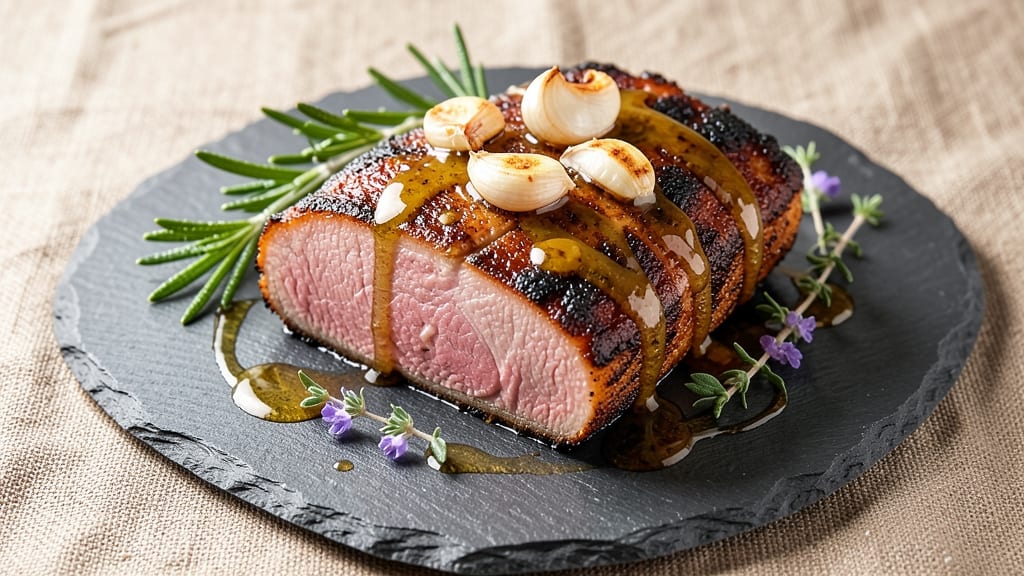
This 4-lb pork tenderloin recipe delivers restaurant-quality results with a golden crust and melt-in-your-mouth tenderness—perfect for special occasions or weeknight dinners. 💛 As someone who's cooked thousands of pounds of pork, I know the secret lies in proper seasoning, precise temperature control, and letting the meat rest. The garlic-herb crust adds depth without overpowering the natural flavor of the pork.
The recipe starts with trimming the tenderloin to ensure even cooking, then creating a flavorful crust using garlic, herbs, and a touch of mustard for adhesion. Roasting at the right temperature guarantees a juicy interior while developing that coveted crispy exterior.
I've tested this method countless times to ensure it works every time—no dry, tough pork here.
What you'll end up with is a beautifully seared tenderloin with a fragrant herb crust that slices effortlessly. The internal temperature will reach 145°F, giving you perfectly cooked pork every time. Serving suggestions include roasted vegetables, mashed potatoes, or a fresh herb salad to complement the rich flavors.
This method scales perfectly for a 4-lb portion while maintaining tenderness throughout. The recipe includes all the steps you need—from preparation to resting—to ensure success. Let's get started on creating your best pork tenderloin yet.
Ingredients for 4 lb pork tenderloin
Eleven ingredients for a showstopping pork tenderloin with restaurant-quality crust and juicy perfection.
| Ingredient | Amount | Notes |
|---|---|---|
| Pork Tenderloin 🥩 | 4 lb | Center-cut, trimmed of silver skin |
| Extra-Virgin Olive Oil 🫒 | ¼ cup | High-quality, fruity variety |
| Garlic Cloves 🧄 | 8 cloves | Fresh, peeled and minced |
| Fresh Rosemary 🌿 | ¼ cup | Finely chopped, stems removed |
| Fresh Thyme 🌿 | ⅛ cup | Leaves only, finely chopped |
| Dijon Mustard 🍯 | 2 tbsp | For crust adhesion |
| Diamond Crystal Kosher Salt 🧂 | 2 tsp | Fine grain preferred |
| Freshly Ground Black Pepper 🌶️ | 1 ½ tsp | Coarsely ground |
| Unsalted Butter 🧈 | 2 tbsp | Cold, cubed for crust |
| Fresh Parsley 🌿 | 0.1 cup | Chopped, for garnish |
| Red Wine Vinegar 🍷 | 1 tbsp | For pan deglazing |
The pork tenderloin is the star—center-cut and trimmed ensures even cooking and maximum tenderness. Source from a trusted butcher or high-quality grocery store like Whole Foods or Wegmans, where they'll often trim it for you. Look for good marbling and vibrant color; avoid any with grayish hues or an off smell. Costco or local farms are great for larger cuts if you're feeding a crowd. The herb blend is critical: fresh rosemary and thyme from the grocery store's produce section (not dried) will give you the most aromatic punch. If you can't find fresh, dried works at one-third the amount, but fresh is ideal for this crust.
No Dijon mustard? Yellow mustard in a pinch, though it's less refined. Short on herbs? Dried oregano or marjoram can substitute, but reduce to half the amount—they're more concentrated. The olive oil should be extra-virgin (none of that cheap cooking oil) for the best flavor. For the butter crust, use cold cubes—this creates steam during roasting for that golden, crispy exterior. The red wine vinegar is optional but adds brightness to the pan juices; balsamic vinegar works in a bind. If you're concerned about cross-contamination, use separate utensils for raw pork and prepped herbs.
This roast reheats beautifully—warm in the oven at 300°F for 15-20 minutes with a splash of broth to keep it moist. The crust will soften slightly but still hold its charm. Store leftovers in the fridge for up to 4 days or freeze for 3 months (portion into individual servings for easy reheating). For presentation, slice against the grain into 1-inch thick medallions—they'll look stunning on any platter. The pan drippings make an excellent gravy; reserve them in a fat separator if you're feeling fancy.
Why You'll Love This Recipe
- No-Fuss Roast: I swear, this is the kind of meal that lets me not stress. One big piece of pork, a quick rub of olive oil, garlic, and herbs—no brining, no basting, no fuss. The tenderloin cooks itself while I chop veggies or open a bottle of wine. (Yes, even on a Tuesday night.)
- Herb-Crisp Magic: That golden crust from the olive oil and rosemary? It’s ridiculously good. The garlic mellows into something warm and sweet, while the thyme adds this earthy depth that makes it taste like a fancy restaurant dish—without the pretension. My husband licks the plate.
- Leftovers That Shine: This recipe actually begs for leftovers. Slice it thin for sandwiches, dice it into pasta, or toss it in a grain bowl—it’s just as good the second day. I’ll be real: I’ve eaten cold pork tenderloin straight from the fridge, and it’s still worth it.
- Budget Crowd-Pleaser: Four pounds feeds a family of four and leaves extras for lunch. Pork tenderloin is cheaper than steak but feels just as impressive. Plus, the herbs and olive oil are pantry staples, so you’re not breaking the bank for fancy ingredients. Win-win.
Step-by-step instructions for one-pan garlic-herb roast
Here's the method for achieving a perfectly tender, golden-crusted pork tenderloin with minimal effort.
👨🍳 Step 1: Prepare the Herb Butter Rub
In a small bowl, combine the 2 tbsp unsalted butter, 8 cloves minced garlic cloves, 0.25 cup finely chopped fresh rosemary, 0.125 cup finely chopped fresh thyme, 2 tsp diamond crystal kosher salt, and 1.5 tsp freshly ground black pepper. Mix with a fork until the butter is fully incorporated and the herbs are evenly distributed throughout.
This herb butter creates both flavor and a protective crust during roasting. I like to press the mixture into the meat rather than just sprinkling it on—this ensures maximum flavor penetration. For extra adhesion, add the 2 tbsp dijon mustard to the herb butter mixture and mix well before applying. The mustard acts as a natural binder that helps the crust stick during roasting.
🍳 Step 2: Season and Sear the Pork
Preheat your oven to 425°F and place a large oven-safe skillet over medium-high heat. Add the 0.25 cup extra-virgin olive oil and let it get hot but not smoking. Pat the 4 lb pork tenderloin completely dry with paper towels—this is critical for achieving that golden crust.
Rub the herb butter mixture all over the pork, pressing firmly so it adheres well. Place the pork in the hot skillet and sear on all sides for 3-4 minutes per side until deeply golden brown. The searing step creates a flavorful crust that locks in juices during roasting. Don't move the pork during searing—let it develop color evenly on each side.
🔥 Step 3: Roast to Perfect Doneness
Transfer the skillet to the preheated oven and roast for 20-25 minutes until the internal temperature reaches 145°F when measured with a meat thermometer. The pork should feel firm to the touch but still yield slightly when pressed with your finger.
Here's the thing about pork tenderloin—it's lean and cooks quickly, so don't walk away. Check the temperature at the 15-minute mark and adjust the roasting time accordingly. The 4 lb size means you're looking for medium-rare doneness—this ensures maximum tenderness without drying out. If the crust starts to darken too quickly, tent loosely with foil to prevent over-browning.
🥘 Step 4: Create the Pan Sauce
Remove the pork from the oven and let it rest on a cutting board for 10-15 minutes while you make the sauce. Place the skillet back on the stovetop over medium heat and add the 1 tbsp red wine vinegar. Scrape up all the browned bits from the bottom of the pan with a wooden spoon—this is called deglazing and captures all the flavor.
Simmer the vinegar for 2-3 minutes until reduced by half, then whisk in 2 tbsp cold butter one piece at a time until fully melted and emulsified. The sauce should be glossy and slightly thickened. If it's too thin, simmer for another 30 seconds to reduce further. Season with additional salt if needed, but it should already be well-seasoned from the herb butter.
🍽️ Step 5: Serve with Herb Garnish
Slice the pork tenderloin into ½-inch thick medallions against the grain for maximum tenderness. Arrange the slices on a warm serving platter and spoon the pan sauce generously over the top. Garnish with 0.1 cup chopped fresh parsley just before serving.
Each slice should be juicy, flavorful, and have that beautiful golden crust we worked so hard to create. The herb butter infuses every bite with rosemary and thyme, while the dijon mustard adds a subtle tang that balances the richness. Serve with roasted vegetables or a simple salad to complete the meal.
Pro Tips For Making 4 Lb Pork Tenderloin
- SEAR HARD, THEN BASTE: Get that pan screaming hot—cast iron or stainless steel—before adding the pork. Let it develop a deep crust for 3-4 minutes per side, then pull it out and let the oven do the rest. I used to rush this, and the meat just turned out bland and gray. High heat first, low and slow after.
- BRINE THE PORK: Toss the tenderloin in a mix of 1/4 cup kosher salt per quart of water for 30-60 minutes before cooking. The salt penetrates the lean meat, keeping it juicy instead of drying out. Yes, even for a small window of time—it makes a real difference.
- DON’T OVERCROWD THE GARLIC: Smash those garlic cloves flat with the side of your knife before adding them to the pan. Whole cloves burn before the pork cooks through, and you end up with bitter, blackened bits. Flattened garlic infuses the oil without turning to ash.
- USE A MEAT THERMOMETER: Pull the pork at 140°F—it’ll rise to 145°F while resting. Guessing leads to dry meat or undercooked spots. I learned this the hard way after serving a slice that was still pink inside. Trust the thermometer, not your eye.
Perfect pairings for these flavors
Herb Garden Sides
Fresh herbs elevate this dish beautifully. I love pairing it with roasted garlic asparagus—toss 1 lb asparagus with 1 tbsp olive oil, 2 minced garlic cloves, and ½ tsp salt, then roast at 400°F for 12-15 minutes.
The natural sweetness of asparagus complements the pork's richness. For a heartier option, try herb-roasted baby potatoes—toss 1.5 lbs baby potatoes with 2 tbsp olive oil, 1 tsp dried rosemary, and ½ tsp smoked paprika, then roast at 425°F for 30 minutes. 🥔
Classic Southern Sides
Nothing beats creamy mac and cheese with this pork. I use 12 oz elbow pasta, 2 cups shredded sharp cheddar, 1 cup heavy cream, and a pinch of cayenne for heat. Bake at 375°F for 25 minutes until bubbly.
For a lighter option, collard greens slow-cooked with 1 tbsp apple cider vinegar and 1 smoked sausage add Southern charm. Both sides soak up the pan sauce beautifully.
Wine Pairings
A crisp dry Riesling from Germany or Alsace cuts through the pork's richness with its bright acidity and hints of citrus. I recommend Dr. Loosen Blue Slate Riesling—it balances the garlic and herbs perfectly.
For red wine lovers, a Pinot Noir from Oregon like Domaine Serene offers earthy notes that complement the herb crust. Avoid heavy Cabernets or bold Zinfandels that would overpower the delicate flavors. 🍷
Beer Matchups
An American pale ale with citrusy hops works wonderfully. Try Allagash White—its coriander and orange peel notes refresh the palate between bites. For a local favorite, Southern-style lager like Charleston Brewery's Carolina Gold adds a crisp, clean finish.
Avoid heavy IPAs or stouts that would compete with the pork's flavor profile. A cold beer also helps cleanse the palate for each rich, herby bite.
Unexpected Twists
For a modern twist, serve with shaved fennel and orange salad—toss 2 cups thinly shaved fennel with 1 tbsp olive oil, 1 tbsp orange juice, and 1 tsp honey. The anise notes in fennel pair surprisingly well with the pork's garlic and herbs.
Another fun option is pickled red onions—simmer 1 cup thinly sliced red onions with ½ cup vinegar and 1 tbsp sugar for 10 minutes. Their tangy crunch adds a refreshing contrast. 🍊
Nutrition facts
Frequently asked questions
Why do you recommend trimming the silver skin off the pork tenderloin?
The silver skin isn't just tough—it's a moisture barrier that can prevent even cooking and create dry spots. Trimming it ensures your pork cooks uniformly and stays juicy throughout. Plus, it gives you a cleaner presentation when slicing. Most butchers will trim it for you if you ask!
Can I cook a 4 lb pork tenderloin in the oven without searing first?
You can, but you'll miss out on that beautiful golden crust that locks in flavors. If you prefer oven-only cooking, simply rub the herb butter on the pork, place it on a rack in a roasting pan, and roast at 425°F for 25-30 minutes until it reaches 145°F. The texture will be tender, but the crust won't be as crispy.
What if my pork tenderloin is smaller or larger than 4 lbs?
Adjust the cooking time based on size: 1 lb = ~15-20 minutes at 425°F. For a 6 lb tenderloin, increase time to 30-35 minutes and check temp at 15-minute intervals. Larger cuts may need a 10-minute tent with foil to prevent over-browning before the center reaches 145°F.
How do I fix pork that's too dry or tough?
Dry pork usually means it was overcooked. If this happens, slice thinly and serve with a rich sauce (like the pan sauce from this recipe) or a creamy mashed potato topping. For future success, always use a meat thermometer and remove pork at 145°F—it'll carry over to 150°F while resting. Never skip the resting time!
Can I make this recipe ahead of time?
Cook the pork completely, then refrigerate for up to 4 days or freeze for 3 months. Reheat in a 300°F oven for 15-20 minutes with a splash of broth to maintain moisture. The crust may soften slightly, but the flavor stays intact. Slice just before serving for the best presentation.