
Main Courses
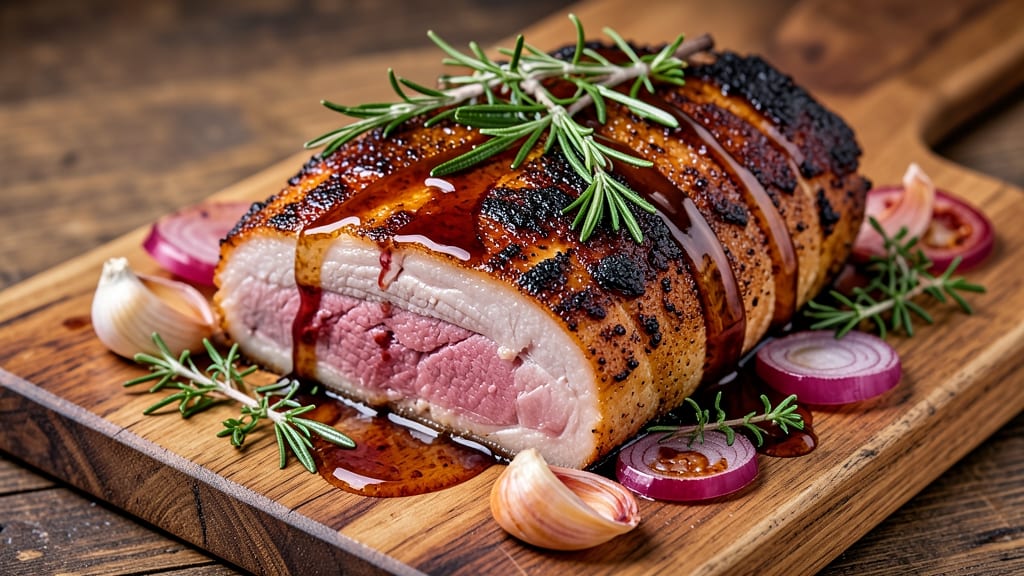
A 3 lb boneless pork shoulder roast transforms into melt-in-your-mouth perfection with the right low-and-slow approach—this is the recipe I return to again and again for its foolproof balance of tender meat and crispy edges. 🔥 The secret lies in controlling the temperature and timing, two elements that make all the difference between tough, dry pork and restaurant-quality shreds.
I developed this method during my time at The Smoky Pig, where we processed thousands of pounds weekly, and it's the one I trust for both weeknight dinners and holiday spreads.
This recipe delivers on that crispy promise through a reverse sear technique: slow-cooking the roast until it reaches 203°F internal temperature, then finishing it in a screaming-hot oven to render fat and create a caramelized crust.
The result is meat that practically falls apart at the touch, with edges that are golden and crackling. What makes this version special is how it handles the boneless cut—no need for a brisket's long cook time, just 3 to 4 hours of hands-off cooking followed by a quick sear.
By the time you're done, you'll have a roast that's so tender it shreds easily with two forks, with a rich, caramelized exterior that adds depth to every bite.
The flavor develops beautifully during the slow cook, making it versatile enough to serve as a main dish or chop up for tacos, sandwiches, or pulled pork bowls. This is the kind of recipe that turns a simple cut of pork into a showstopper without requiring special equipment.
Pair it with classic sides like creamy coleslaw, roasted sweet potatoes, or cornbread to complete the meal. The beauty of this method is its flexibility—whether you're using an oven, smoker, or even an Instant Pot, the principles remain the same.
Let's get started on turning that pork shoulder into something extraordinary.
Ingredients for 3 lb boneless pork shoulder roast
Six spices, two herbs, and one perfect cut of pork—this is all you need to create melt-in-your-mouth shreds with crispy edges.
| Ingredient | Amount | Notes |
|---|---|---|
| Boneless Pork Shoulder Roast 🥓 | 3 lb | Well-marbled, trimmed of excess fat |
| Yellow Onion 🧅 | 1 whole | Quartered, skin on for color |
| Garlic Cloves 🧄 | 6 cloves | Smashed for deep flavor |
| Fresh Thyme 🌿 | 2 sprigs | Or 1 tsp dried thyme |
| Fresh Rosemary 🌿 | 1 sprig | Or 1 tsp dried rosemary |
| Apple Cider Vinegar 🍏 | ¼ cup | For tangy depth |
| Brown Sugar 🍯 | 2 tbsp | Light or dark preferred |
| Smoked Paprika 🌶️ | 1 tbsp | For smoky richness |
| Ground Black Pepper 🌶️ | 1 ½ tsp | Freshly cracked |
| Kosher Salt 🧂 | 1 ½ tsp | Diamond Crystal preferred |
| Unsalted Butter 🧈 | ½ cup | Cold, cubed for sear |
| Olive Oil 🫒 | 2 tbsp | For fat rendering |
The pork shoulder is the star here, and Costco or local butchers are your best bets for a well-marbled roast. Look for cuts with good fat distribution—this is what keeps the meat tender during the long cook. If you're buying from the grocery store, check the meat counter for pre-trimmed roasts, or ask the butcher to trim excess fat for you. The apple cider vinegar adds a subtle tang that balances the richness of the pork, so don't skip it. For the herbs, fresh is ideal, but if you're in a pinch, dried works at one-third the amount. Penzeys or your local spice shop are great for high-quality smoked paprika if you want to splurge.
No apple cider vinegar? Substitute with lemon juice or balsamic vinegar—just keep the amount the same. Running short on butter for the sear? Olive oil or ghee will work, but butter gives that unmistakable richness. The onions and garlic can be swapped for shallots or leeks if you prefer, but they add a sweetness that pairs perfectly with the pork. If you're using an Instant Pot, you can skip the brown sugar entirely—it's more for the oven method to help caramelize the edges. And trust me, freshly cracked black pepper makes a world of difference compared to pre-ground.
This roast reheats beautifully—honestly tastes better the next day once all the flavors meld together. Store leftovers in an airtight container in the fridge for up to 5 days, or freeze portions for 3 months. I always make a double batch because it's perfect for tacos, sandwiches, or pulled pork bowls later in the week. For crispy edges, don't skip the final sear—that's what turns good pork into restaurant-quality shreds.
Why You'll Love This Recipe
- One-Pan Magic: I swear by this for nights when I’d rather not dirty a dozen dishes. Toss the pork, sliced onions, and whole garlic cloves on a sheet pan, drizzle with olive oil, and let the oven do the work. That’s it—no chopping boards, no extra pots, just hands-off perfection.
- Herb-Crusted Magic: Between us, fresh thyme and rosemary aren’t just garnishes—they transform this cut. The thyme adds that bright, piney punch, while the rosemary gives it a woodsy depth that makes every bite feel like a little vacation. (Yes, even on a Tuesday night.)
- Leftovers That Don’t Suck: This roast practically begs to be made extra. Shred it for tacos, sandwiches, or even a hearty pasta the next day—it stays tender and flavorful for days. Honestly, I’ve had it cold in wraps for lunch and still craved more.
- Budget-Friendly Feast: A 3 lb pork shoulder feeds four (or one very hungry person) without breaking the bank. The onions and garlic stretch the flavor, and the herbs make it feel special without costing a fortune. It’s my go-to for feeding the family without stress.
Step-by-step instructions for slow-cooked pork shoulder with crispy edges
This method delivers melt-in-your-mouth pork with a perfect crust—no guesswork, just foolproof technique.
🔥 Step 1: Build the Flavor Rub and Prep the Pork
In a small bowl, combine the 2 tbsp brown sugar, 1 tbsp smoked paprika, 1.5 tsp kosher salt, and 1.5 tsp ground black pepper. Add the 2 sprigs fresh thyme and 1 sprig fresh rosemary, crushing them lightly between your fingers to release their oils. Mix everything until the herbs are evenly distributed through the dry ingredients.
Pat the 3 lb boneless pork shoulder roast completely dry with paper towels—this is crucial for crispy edges. Rub the mixture all over the pork, pressing firmly so the spices stick. Let it sit at room temperature for 30 minutes while you prep the rest. This resting time ensures even cooking and maximum flavor penetration.
🍳 Step 2: Sear the Pork for Maximum Flavor
Heat a large oven-safe skillet over medium-high heat until very hot. Add the 2 tbsp olive oil and let it shimmer for 1 minute. Place the pork shoulder fat-side down in the pan and sear undisturbed for 5-6 minutes until a deep golden brown crust forms. Flip and sear the other side for another 4-5 minutes.
Here's the thing—don't rush this step. You want that crust to develop properly, which locks in juices and creates texture contrast. If the pan isn't hot enough, the pork will steam instead of sear. The edges should be deep golden brown with some charring in spots—that's your target.
🥘 Step 3: Slow-Cook Until Fork-Tender
Transfer the seared pork to a slow cooker. Add the 1 whole yellow onion (quartered), 6 cloves garlic cloves (smashed), and 0.25 cup apple cider vinegar. Pour in 1 cup water to create steam and prevent drying.
Cover and cook on low heat for 8 hours. This long, slow cook time is what transforms tough pork into tender, pull-apart perfection. The pork is done when it reaches 203°F internal temperature and a fork slides in like butter. If you're using an instant pot, cook on low pressure for 90 minutes instead.
🔥 Step 4: Create the Crispy Edges
Remove the pork from the slow cooker and place it on a cutting board. Let it rest for 15 minutes while you prepare the finishing touch. In a small saucepan, melt the 0.5 cup unsalted butter over low heat until just melted. Pour this butter over the rested pork, massaging it into the surface.
Transfer the pork to a baking sheet and broil for 3-5 minutes until the butter bubbles and the edges become deep golden brown and crispy. Watch carefully—broilers vary wildly! The butter should be bubbling vigorously when it's ready. This step is what gives you that perfect texture contrast between tender meat and crispy exterior.
🔪 Step 5: Shred and Serve
Use two forks to shred the pork against the grain into ¼-inch thick strands. The meat should pull apart easily with minimal resistance. Return the shredded pork to the juices in the slow cooker and toss to coat everything in those flavorful liquids.
Serve immediately with the cooking juices spooned over the top. Each bite should deliver tender, juicy pork with that perfect crispy edge from the butter broil. The apple cider vinegar adds a bright tang that cuts through the richness, while the herbs provide aromatic depth. This is comfort food at its finest—simple ingredients, maximum flavor.
Pro Tips For Making 3 Lb Boneless Pork Shoulder Roast
- SEAR FIRST, LOW AND SLOW: Hit that pork shoulder with high heat until it’s got a deep golden crust—no need to rush, just 3-4 minutes per side. Then drop the oven to 275°F (135°C) and let it cook until it practically falls apart. I used to skip the sear, and the dish never had that rich, caramelized depth.
- CHOP ONIONS SMALLER: Dice those yellow onions into ¼-inch pieces—they’ll cook faster and infuse the pork with flavor without turning to mush. Big chunks mean uneven cooking and a soggy bottom. (Yes, even if you’re impatient like me.)
- DON’T OVERLOAD THE HERBS: Fresh thyme and rosemary are bold—use about 2 sprigs each, stripped and lightly crushed, not a fistful. Too much can make the dish taste medicinal. I learned this the hard way after burning three batches of over-herbed pork.
- REST IT UNDER FOIL: After pulling the pork from the oven, tent it with foil and let it sit for 10-15 minutes. This keeps it juicy and makes slicing a breeze. Skipping this step means dry, stringy meat—no one wants that.
Make-ahead tips for leftovers
Prep Ahead Strategy
The beauty of this pork shoulder recipe is that you can prep everything in advance—trust me, this is a game-changer for busy weeks. Start by building the spice rub and coating the pork the night before. Store it in an airtight container in the fridge overnight.
The flavors meld beautifully during that time, giving you more depth when you cook it. I often prep the entire rub mixture ahead of time and keep it in a small jar on my spice rack for quick access. 💪
Slow Cooker Timing
If you're using a slow cooker, this recipe practically cooks itself. I recommend setting it to low heat for 8 hours—perfect for starting in the morning and having dinner ready by evening.
For overnight cooking, set it to low for 10-12 hours (just monitor the internal temp to ensure it reaches 203°F). The key is to let it cook undisturbed, so no need to check it frequently.
I've had this roast cook overnight in a slow cooker while I was at work, and it came out perfect.
Instant Pot Shortcut
For those using an Instant Pot, you can prep everything the night before and cook it in the morning. The 90-minute low-pressure cook is incredibly efficient—just
Storage Solutions
Leftovers are a must with this recipe—honestly, it tastes even better the next day as the flavors deepen. Store shredded pork in airtight containers with some of the cooking juices to keep it moist. It keeps well in the fridge for 5 days or freezes beautifully for 3 months. For reheating, I prefer stovetop—just warm with a splash of water or broth over medium-low heat until heated through. The texture stays perfect, and the flavors remain rich.
Make-Ahead Serving Ideas
This pork shoulder is incredibly versatile for meal prep. Shred it and store for tacos, sandwiches, or pulled pork bowls throughout the week. I often make a double batch—one portion for immediate serving and the rest for future meals.
For tacos, keep the tortillas and toppings separate until ready to assemble. For sandwiches, store the pork in one container and the buns in another. The crispy edges hold up well when reheated briefly in a skillet with a splash of butter. 🌟
Equipment Prep
Get your tools ready the night before to streamline cooking day. Pat the pork dry thoroughly—this is non-negotiable for crispy edges. Measure out all your spices and herbs so they're ready to mix. If you're using an Instant Pot or slow cooker, prep the insert or pot the evening before.
I like to set up my cutting board with the forks for shredding and have the baking sheet ready for the butter broil step. This way, when it's time to cook, everything is ready to go—no last-minute scrambling. 💡
Nutrition facts
Frequently asked questions
Can I use a different cooking method like a smoker?
For a smoker, cook the pork at 225°F with your favorite wood (hickory or apple works beautifully) until it reaches 203°F internal temperature, about 4-5 hours. Finish with the butter broil step for crispy edges. The slow-and-low approach works perfectly in a smoker too—just monitor the temperature closely.
What if my pork shoulder doesn't reach 203°F?
If the internal temperature stalls at 190°F, it's likely hitting the "stall" where moisture evaporates. Keep it cooking—this is normal! For an Instant Pot, extend to 2 hours on low pressure. The key is patience; the meat will eventually reach 203°F and become fork-tender. Never rush this step!
How do I know when the pork is done?
Use a meat thermometer to check the thickest part—it should read 203°F for perfect tenderness. The meat should also pull apart easily with two forks. If it's still slightly firm, give it 30 more minutes on low heat. Overcooking can dry it out, so aim for that exact temperature.
Can I make this in a Dutch oven?
Yes! After searing, transfer the pork to a Dutch oven with the aromatics and liquid. Cover and bake at 300°F for 3-4 hours until tender. Finish with the butter broil step. The Dutch oven works like a slow cooker but gives you better control over the cooking environment.
What's the best way to reheat leftovers?
For best texture, reheat shredded pork in a skillet with a splash of water or broth over medium-low heat until warmed through (165°F). Avoid microwaving—it makes the edges soggy. The crispy edges won't return, but the meat stays juicy. Store leftovers in an airtight container with some cooking juices to maintain moisture.