
Main Courses
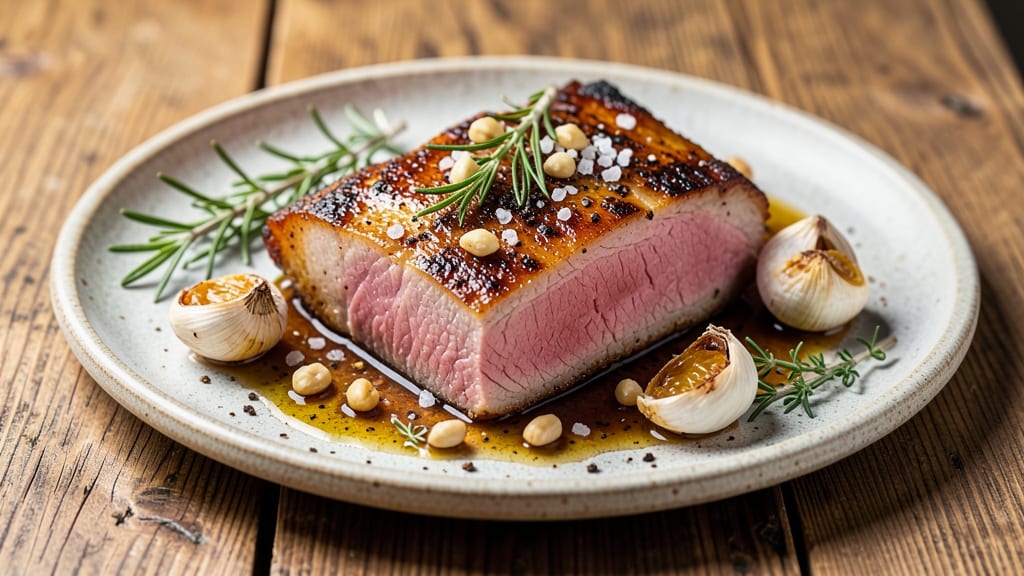
This 1lb pork loin recipe delivers juicy-core perfection that rivals any steakhouse cut—without the guesswork. After years of perfecting reverse-sear techniques in my kitchen and at The Smoky Pig, I’ve cracked the code for tender, flavorful pork every time.
The secret? Low-and-slow roasting followed by a quick sear to lock in moisture and create a caramelized crust that’s impossible to resist.
What makes this method foolproof is the two-stage cooking process: first, slow-roasting the pork to an internal temperature of 130°F (well below medium-rare) ensures a melt-in-your-mouth center, while the final sear at 450°F transforms the exterior into a golden, crispy bark.
This technique works wonders with a 1lb pork loin—large enough to feed two generously but small enough to cook evenly without drying out.
The result is a perfectly balanced cut: tender, juicy meat with a crispy exterior that holds up to every bite. The reverse-sear method preserves moisture better than traditional high-heat cooking, and the resting time (critical for even distribution of juices) ensures your pork stays succulent from first slice to last.
Pair it with a bright herb sauce or honey-glazed carrots for a complete meal.
This recipe isn’t just about technique—it’s about confidence. Whether you’re cooking for a date night or a family dinner, the reverse-sear method guarantees restaurant-quality pork loin at home. No more dry, overcooked pork—just juicy, flavorful perfection that’ll have everyone asking for seconds. Let’s get started.
Ingredients for 1lb pork loin
Precision-cut ingredients for reverse-sear perfection—where technique meets restaurant-quality results.
| Ingredient | Amount | Notes |
|---|---|---|
| Center-Cut Pork Loin 🥩 | 1 lb | Bone-in preferred for even cooking |
| Kosher Salt 🧂 | 1 ½ tsp | Diamond Crystal preferred for clarity |
| Freshly Ground Black Pepper 🌶️ | ½ tsp | Cracked peppercorns for intensity |
| Garlic Cloves 🧄 | 4 cloves | Minced for crust development |
| Fresh Rosemary 🌿 | 2 sprigs | Finely chopped, fresh preferred |
| Fresh Thyme 🌿 | 2 sprigs | Leaves only, finely chopped |
| Extra-Virgin Olive Oil 🫒 | 2 tbsp | High smoke point for searing |
| Unsalted Butter 🧈 | 2 tbsp | Cold, for basting finish |
| Yellow Onion 🧅 | 1 whole | Thinly sliced for garnish |
| Fresh Parsley 🌿 | ¼ cup | Chopped, for finishing |
| Honey 🍯 | 1 tbsp | Optional glaze for crust |
The pork loin is non-negotiable here. Center-cut ensures even cooking, while bone-in adds flavor and stability during searing. Source from a trusted butcher—Whole Foods or local farms often carry superior quality. Look for vibrant color and good marbling; avoid cuts with excessive fat or grayish hues. Fresh herbs are essential: rosemary and thyme should smell aromatic, not musty. If using dried, reduce to one-third the amount, but fresh delivers unmatched depth. The olive oil should have a peppery finish—California Extra Virgin brands excel for high-heat applications.
No fresh herbs? Dried thyme at one-third the amount works, but rosemary's piney notes are harder to replicate. Substitute garlic with 1 tsp garlic powder plus 0.25 tsp onion powder if needed, though fresh minced garlic builds superior crust. For honey glaze, agave nectar is a 1:1 substitute. The butter must be cold—room temperature butter will melt prematurely during searing. Kosher salt is preferred for its coarse texture, which clings better than table salt. If using table salt, increase by 0.25 tsp to compensate for finer grain. For a crispier crust, add 1 tbsp panko breadcrumbs to the seasoning mix.
Pork loin should rest 10-15 minutes after cooking—critical for juices to redistribute. Store leftovers in an airtight container for 3-4 days refrigerated, or freeze for 3 months wrapped tightly in butcher paper. Reheat gently in a 350°F oven with a splash of water to prevent drying. The herb garnish wilts quickly; add it fresh just before serving. For meal prep, slice against the grain and store portions separately—reheat only what you'll use immediately to maintain texture.
Why You'll Love This Recipe
- Here’s what sold me: the outside gets golden and crackly while the inside stays juicy. No dry pork here. The garlic cloves roasted right on top? They caramelize into sweet little nuggets that melt at the first bite. (Yes, even on a Tuesday night.)
- I’ll be real: most pork recipes leave me with sad, dry scraps. Not this one. Three days later, my roasted slices are still the star of wraps or fried rice. And since you’re using a single cut, it’s cheaper than buying multiple proteins for the week. (Budget win, flavor win.)
Step-by-step instructions for reverse-seared pork loin
Master this technique for a perfectly cooked pork loin with a crisp exterior and tender interior.
Season and Low-Temperature Roast the Pork Loin
Preheat your oven to 275°F. Pat the 1 lb center-cut pork loin dry with paper towels—this ensures maximum crispiness later. Rub all sides generously with the 1.5 tsp kosher salt and 0.5 tsp freshly ground black pepper, pressing firmly so the seasoning adheres. Place the pork loin on a wire rack set in a rimmed baking sheet to allow air circulation on all sides.
Roast for 20-25 minutes per pound (about 20-25 minutes for this cut) until the internal temperature reaches 140-145°F at the thickest part. This slow cook ensures even doneness without overcooking the exterior. The pork should feel slightly springy when pressed gently with your finger—this confirms it's ready for the sear.
Prepare the Searing Station and Rest the Pork
While the pork rests, prepare your searing station. Heat a large oven-safe skillet over medium-high heat until very hot. Add 2 tbsp extra-virgin olive oil and let it shimmer for 1 minute. Add the 2 tbsp cold unsalted butter—it will foam and bubble, creating a flavorful crust.
Remove the pork from the oven and let it rest on a cutting board for 5 minutes. This resting period is crucial—it allows the juices to redistribute, preventing them from escaping during the sear. The internal temperature will rise to about 145-150°F during this time, bringing it to the ideal medium-rare finish.
Sear for a Crispy Exterior
Pat the pork dry again with paper towels to remove any moisture. Place the pork loin in the hot skillet, fat-side down, and sear for 2-3 minutes per side until a deep golden-brown crust forms. The butter will continue to foam and brown, creating a rich, flavorful crust. If the butter starts to smoke excessively, reduce the heat slightly to medium to prevent burning.
For extra flavor, add the 4 minced garlic cloves, 2 sprigs finely chopped fresh rosemary, and 2 sprigs finely chopped fresh thyme to the skillet during the last 30 seconds of searing. The aromatics will infuse the crust with their essential oils, enhancing the overall flavor.
Glaze and Garnish for Presentation
Transfer the skillet to the oven and broil for 1-2 minutes until the crust is deeply caramelized and the edges are crisp. Remove from the oven and drizzle with 1 tbsp honey, tilting the skillet to coat the pork evenly. The honey will caramelize quickly, adding a subtle sweetness that balances the savory flavors.
Garnish with the 0.25 cup chopped fresh parsley and the 1 thinly sliced whole yellow onion. Let the pork rest for an additional 5 minutes before slicing to ensure the juices remain inside. Serve immediately with a side of roasted vegetables or a fresh salad to complement the rich, juicy pork.
Pro Tips For Making 1lb Pork Loin
- USE A MEAT THERMOMETER: I learned this the hard way—pork loin looks done before it actually is. Aim for 145°F internal temp (150°F if you prefer it extra tender), then pull it when the juices run just clear. No guessing, no overcooking.
- SALT THE LOIN 40 MINUTES EARLY: This isn’t the prettiest method, but it’s the tastiest. Generously coat the pork with salt (about 1 tsp per side) and let it sit uncovered in the fridge—it seasons deeper and keeps the crust from sticking later. (Yes, even if you’re impatient like me.)
- CRUSH GARLIC WITH A PINCH OF SALT: I skip this when I’m lazy, but the dish is noticeably better when I don’t. Mince those garlic cloves with a tiny pinch of salt—it mellows the sharpness and helps them release flavor faster. No need to overdo it; just enough to coat the minced garlic.
- SEAR IN BATCHES IF NEEDED: High heat. Seriously, crank it up. But if your pan’s too small, resist the urge to crowd the pork—it’ll steam instead of sear. Cook half the loin first, then move it to a plate while you finish the second half. The crust is worth the wait.
Perfect pairings for this recipe
Herb Butter Sauce
My go-to sauce for this pork loin is a garlic-herb butter sauce that ties everything together. After searing, reserve the pan drippings and whisk in 2 tbsp cold butter, 1 tbsp minced garlic, 1 tsp chopped rosemary, and 1 tsp chopped thyme.
Simmer for 1 minute until fragrant, then drizzle over sliced pork. The fat from the pork enriches the sauce naturally—no extra ingredients needed. 🌿
Roasted Root Vegetables
For a classic Southern pairing, roast 1 lb baby carrots, 1 lb baby potatoes, and 1 lb parsnips with 2 tbsp olive oil, 1 tsp salt, and ½ tsp black pepper.
Toss and roast at 400°F for 30 minutes until caramelized. The natural sweetness of the vegetables complements the savory pork beautifully. I often add ½ tsp smoked paprika for depth. ✨
Apple-Cider Slaw
Brighten the plate with an apple-cider slaw that cuts through the richness.
Toss 4 cups shredded cabbage, 1 cup shredded carrots, and ¼ cup chopped green onions with 3 tbsp apple cider vinegar, 2 tbsp olive oil, 1 tsp honey, and ½ tsp celery seed.
Let it sit for 10 minutes before serving—this lets the flavors meld perfectly. 🍏
Crispy Potato Pancakes
For a heartier option, try crispy potato pancakes made from 2 large potatoes, 1 egg, 2 tbsp flour, and 1 tsp garlic powder. Grate the potatoes, squeeze out excess moisture, and pan-fry in 2 tbsp butter until golden.
Serve with sour cream and chopped chives for a satisfying contrast to the tender pork. 🥔
Wine Pairings
A dry Riesling from Germany or a Pinot Noir from Oregon balances the pork’s richness with crisp acidity. For red lovers, a medium-bodied Cabernet Sauvignon (like those from Napa Valley) holds its own against the crust.
I always keep a bottle of Château Ste. Michelle on hand—it’s my secret weapon for pork dishes. 🍷
Beverage Pairings
For non-alcoholic options, a sparkling hibiscus tea with lemon adds a refreshing contrast. Or try a ginger-beer cocktail—mix 2 oz ginger beer, 1 oz lime juice, and a splash of sparkling water for a zesty, effervescent pairing. The ginger’s spice complements the pork’s savory notes beautifully. 🍹
Nutrition facts
Frequently asked questions
Why does this recipe use reverse-searing for a 1lb pork loin?
The reverse-sear method is perfect for pork loin because it ensures a juicy core while creating a crispy exterior. Slow-roasting first prevents overcooking the center, while the high-heat sear adds flavor and texture. This technique works especially well with 1lb portions—small enough to cook evenly but large enough to impress guests.
Can I substitute bone-in pork loin for boneless?
Yes, but adjust cooking times slightly. Bone-in pork takes 5-10 minutes longer to cook through due to the bone's insulating effect. For boneless, reduce the initial roast time by 5 minutes and monitor closely. The bone also adds flavor, so if using boneless, consider adding an extra 1 tsp garlic powder to compensate.
What's the best way to slice this pork loin?
Slice against the grain for maximum tenderness. Look for the muscle fibers running parallel to the cut—slice perpendicular to them. Use a sharp chef's knife and cut ¼-inch thick slices. For presentation, fan the slices slightly or stack them neatly. Never slice through the bone if bone-in.
How do I adjust this recipe for a larger pork loin?
For every additional pound, increase the roasting time by 15-20 minutes and sear time by 1-2 minutes per side. Keep the oven temperature consistent at 275°F for the initial roast. For a 2lb pork loin, you'll need a larger skillet and may want to increase the butter to 3 tbsp for even coating.
What if my pork loin is still pink in the center?
Don't panic! Pork can appear pink even when fully cooked. Use a meat thermometer for accuracy—145°F is safe for medium-rare. If it's undercooked, return it to the oven at 275°F for 5-10 minutes more, checking frequently. Overcooking is more common than undercooking with this method.