
Main Courses
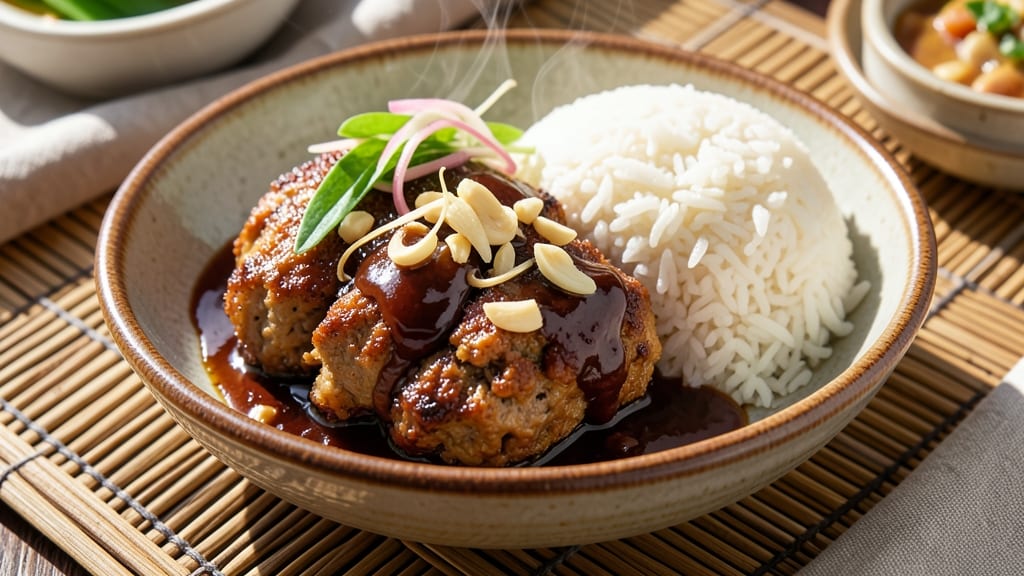
This Filipino-style minced pork recipe transforms humble ground pork into a rich, aromatic dish with tender meat and crispy fried shallots. 🌟 The secret lies in a slow braise that melds soy sauce, ginger, and garlic into a glossy, savory sauce—just like my grandmother used to make.
Every bite delivers that perfect balance of sweet, salty, and umami flavors that define Filipino comfort food.
The recipe begins with ground pork seared until just browned, then simmered with a fragrant blend of soy sauce, ginger, and garlic until the meat is fork-tender. The sauce thickens into a velvety consistency that coats each piece, while crispy fried shallots add a satisfying crunch.
This method ensures the pork stays juicy while absorbing all the bold flavors—no dry, rubbery meat here.
What makes this dish special is how it comes together in one pot, making it perfect for weeknight dinners. Serve it over steamed rice with a side of atchara (pickled papaya) for that authentic Filipino spread.
The aroma alone will have everyone gathered around your table, and the taste? Pure comfort food magic.
Whether you're recreating a classic family recipe or introducing someone to Filipino flavors, this dish delivers restaurant-quality results with minimal effort. The technique is simple, but the flavors are unforgettable—just like the meals my grandmother used to prepare. Let's get cooking!
Ingredients for minced pork recipe filipino style
Filipino comfort food essentials for a dish that tastes like home—ground pork, aromatic ginger, and crispy shallots.
| Ingredient | Amount | Notes |
|---|---|---|
| Ground Pork 🐖 | 1 ½ lb | Lean or fatty, your choice |
| Soy Sauce 🍶 | ½ cup | Filipino brand preferred |
| Fresh Ginger 🌿 | ½ cup | Finely minced, aromatic |
| Garlic Cloves 🧄 | 6 cloves | Minced for depth of flavor |
| Shallots 🧅 | 1 cup | Thinly sliced for frying |
| Olive Oil 🫒 | ¼ cup | For frying shallots |
| Tomato Paste 🍅 | 2 tbsp | For sauce richness |
| Brown Sugar 🍚 | 2 tbsp | Balances savory flavors |
| White Vinegar 🍶 | 1 tbsp | Brightens the sauce |
| Black Peppercorns 🌶️ | ½ tsp | Freshly cracked |
| Green Onions 🧅 | 3 whole | Sliced for garnish |
| Long-Grain White Rice 🍚 | 2 cups | For serving |
| Salt 🧂 | 1 tsp | Adjust to taste |
The ground pork is the star—look for good marbling at Asian markets or the meat section of Whole Foods for the best texture. Fresh ginger and garlic are non-negotiable here; pre-minced jarred ginger just won’t cut it. Filipino soy sauce (like Silver Swan) adds depth, but regular soy sauce works in a pinch. The shallots? Thinly sliced is key for those crispy bits—use a sharp knife or mandoline for even slices. If you can’t find shallots, substitute with extra green onions but fry them longer for crunch.
No Filipino soy sauce? Double the regular soy sauce and add 1 tsp fish sauce (if not vegetarian) for umami. Brown sugar can be swapped for white sugar or even coconut sugar for a caramel note. Vinegar is essential—rice vinegar works too if white isn’t available. For the shallots, fry in small batches to avoid sogginess; drain on paper towels before adding to the pork. The tomato paste? San Marzano if you’re fancy, but any quality paste will do. If you’re short on time, pre-minced garlic is fine, but fresh is always better.
This dish tastes even better the next day—reheats beautifully in a skillet with a splash of water. Store leftovers in an airtight container for up to 4 days in the fridge or 3 months frozen. The fried shallots lose crispiness over time, so fry fresh when reheating. For serving, steamed jasmine rice is traditional, but any long-grain white rice works. Garnish with extra fried shallots and green onions right before serving—that crunch is non-negotiable for authenticity.
Why You'll Love This Recipe
- No-Chop Nightmare: I swear by this recipe because the prep is ridiculously simple—just mince the pork (or grab pre-minced if you’re lazy), chop the shallots and garlic once, and let the ginger do its magic. No dicing, no peeling, no stress. My daughter even helps "supervise" the garlic chopping now.
- Umami Bomb: That combo of soy sauce, ginger, and garlic? It’s dangerously addictive. The pork soaks up the flavors until it’s tender and packed with that deep, savory punch—like a cozy hug in a pan. Honestly, I’ve made it for friends who aren’t even pork fans, and they still ask for seconds.
- Leftover Goldmine: This dish begs to be made extra because it reheats like a dream. Toss it in a bowl with rice the next day, or throw it in a wrap for lunch—still tastes fresh. Between us, I’ve even frozen portions and microwaved them straight to the table. (Yes, even on a Tuesday night.)
- Budget Hero: Ground pork stretches far here, and the other ingredients? Mostly pantry staples. A single batch feeds four for dinner and leaves enough for leftovers—no wasted money, no last-minute grocery runs. My wallet and I both approve. Plus, the ginger and garlic are cheap but make it taste like a restaurant dish.
Step-by-step instructions for Filipino-style minced pork
Here's how to create that signature Filipino soy-ginger braise with irresistible texture contrasts.
🍳 Step 1: Fry the Shallots Until Golden and Crisp
Heat 0.25 cup olive oil in a large skillet over medium-low heat. Add 1 cup shallots and fry for 8-10 minutes, stirring occasionally, until they turn a beautiful golden brown. You want them crispy but not burned—think of those little crunchy bits that make every bite exciting.
I like to use a slotted spoon to transfer the fried shallots to paper towels as they cook. This keeps your workstation clean and lets you monitor their color closely. The shallots should be dry and crisp when done—this is your secret weapon for adding texture to the dish.
👨🍳 Step 2: Sauté Aromatics for Maximum Flavor
In the same skillet (don't wipe it clean—those browned bits are pure flavor), add 0.5 cup minced fresh ginger and 6 cloves minced garlic over medium heat. Cook for 1-2 minutes until fragrant and the raw garlic smell disappears—this is crucial for building flavor depth.
Here's the thing—don't let the garlic burn. It happens fast, and burned garlic tastes bitter. Watch it carefully, and if it starts to darken too quickly, reduce the heat slightly. The aromatics should smell warm and inviting, like the start of something special.
🔥 Step 3: Brown the Ground Pork Thoroughly
Add 1.5 lb ground pork to the skillet, breaking it up with a wooden spoon as it cooks. Increase heat to medium-high and cook for 5-6 minutes, stirring frequently, until the pork loses its raw color and turns a rich, deep brown. You want to see those edges crisping up—that's when you know you're on the right track.
Don't rush this step. Properly browned pork develops deep, meaty flavors that form the base of your dish. If it sticks too much, add a splash of water and scrape up those browned bits—they're packed with flavor. Once fully browned, remove the pork from the skillet and set it aside.
🥘 Step 4: Build the Signature Soy-Ginger Sauce
Return the skillet to medium heat and add 0.5 cup soy sauce, 2 tbsp tomato paste, 2 tbsp brown sugar, 1 tbsp white vinegar, and 0.5 tsp cracked black peppercorns. Stir well to combine, then let the mixture simmer for 3-4 minutes until it thickens slightly and the sugar dissolves completely.
This is where the magic happens. The vinegar brightens the flavors while the sugar balances the soy sauce's saltiness. Taste as you go and adjust seasoning if needed—you might want to add a pinch more salt or sugar to suit your taste. The sauce should coat the back of a spoon but still be pourable.
🍽️ Step 5: Combine and Finish with Crispy Toppings
Return the browned pork to the skillet and stir to coat it thoroughly in the sauce. Reduce heat to low and let it simmer for 5-6 minutes, stirring occasionally, until the pork is fully heated through and the sauce has thickened to a glossy consistency. The pork should be tender but not falling apart.
Remove from heat and stir in the fried shallots and 3 sliced green onions. Serve immediately over 2 cups cooked long-grain white rice, spooning generous amounts of pork and sauce over each portion. The contrast of silky pork, rich sauce, and crispy shallots is what makes this dish so special.
Pro Tips For Making Minced Pork Recipe Filipino Style
- STIR CONSTANTLY ON HIGH: The first 3 minutes are make-or-break—your pork needs to brown fast before the aromatics steam instead of caramelize. I used to walk away for "just a second" and came back to gray mush. Keep the heat screaming, and use a wooden spoon to break up clumps aggressively—this builds flavor faster than simmering.
- MINCE SHALLOTS COARSELY: Filipino-style minced pork isn’t about fine texture—it’s about visible, chewy shallot bits that melt into the sauce. I learned this after making my first batch with a food processor (smooth = sad). Chop them into 1/4-inch pieces, or even larger if you’re feeling bold. They’ll soften but stay distinct, adding real depth.
- SALT THE PORK FIRST: Toss your ground pork with 1/2 teaspoon salt before cooking—this releases moisture, helping the meat brown better and preventing a greasy mess. I skipped this once and ended up with a slick, uneven sear. Trust me, the extra 30 seconds upfront saves you from scraping burnt bits off the pan later.
- USE LINGERING GINGER: Peel and slice ginger thinly but lengthwise (like matchsticks) so it infuses the pork without turning to mush. After burning through three batches of over-mashed ginger, I realized the secret’s in surface area—not just volume. Toss the slices in with the aromatics, then remove them before serving (they’ll dissolve, but the flavor stays).
Serving suggestions for this recipe
Rice Pairings
Steamed jasmine rice is the classic choice—its floral aroma complements the dish's savory depth. Cook 2 cups long-grain white rice with 2.5 cups water for perfect fluffy grains. For extra authenticity, try Filipino-style rice (like Calrose), which absorbs the pork sauce beautifully. 🍚
Pickled Sides
Add atchara (Filipino pickled papaya) for tangy contrast—its sweet-spicy flavor cuts through the richness. Look for it at Asian markets or make a quick version with thin papaya slices, vinegar, and sugar. Another great option is banana ketchup, a sweet-tangy condiment that pairs perfectly with the soy-ginger flavors.
Vegetable Accompaniments
Steamed bok choy or Chinese broccoli adds freshness to the plate. Toss them with a pinch of salt and a drizzle of sesame oil before serving. For a heartier option, include sautéed green beans with minced garlic—it balances the meal with crisp texture and mild flavor.
Crunchy Garnishes
Finish with extra fried shallots and thinly sliced green onions for that signature Filipino crunch. I like to fry an extra batch just for garnish—it elevates every bite. For a smoky touch, sprinkle with toasted sesame seeds or crushed peanuts (if you're feeling adventurous).
Drink Pairings
A cold San Miguel beer (Filipino lager) is the perfect match—its crisp, clean flavor refreshes the palate. For non-alcoholic options, try calamansi juice (Filipino limeade) or hibiscus iced tea (sarsaparilla). Both highlight the dish's bright, tangy notes. 🍺
Leftovers Magic
Transform tomorrow's lunch with pork fried rice—chop leftover pork and stir-fry with day-old rice, scrambled eggs, and extra soy sauce. Or make pork dumplings by wrapping portions in wonton wrappers and pan-frying until golden. These ideas turn leftovers into new meals with minimal effort! ✨
Nutrition facts
Frequently asked questions about Filipino-style minced pork
Can I substitute ground beef for the pork?
You can try it, but the flavor and texture will differ. Ground beef has a stronger taste and can become greasier when cooked. For best results, stick with pork—its mild flavor lets the soy-ginger sauce shine. If you must substitute, use lean ground beef (80/20) and reduce cooking time slightly to avoid dryness.
How do I adjust this recipe for a larger crowd?
Double or triple all ingredients while keeping the same proportions. Use a larger skillet or divide the cooking between two pans to maintain even browning. For 8 servings, you'll need 3 lbs ground pork, 1 cup soy sauce, and 2 cups fried shallots. Cook in batches if needed, keeping the pork warm in a 200°F oven while finishing the sauce.
Why did my pork turn out dry?
Overcooking or using lean pork are the most common causes. Always cook pork until just browned (5-6 minutes max) and remove it from heat before the sauce is fully reduced. For extra moisture, add 2 tbsp water or coconut milk to the sauce at the end. Brown sugar also helps retain juices—don't skip it!
Can I make this dish ahead of time?
The flavors actually improve overnight. Cook the pork and sauce as directed, then refrigerate in an airtight container for up to 4 days. Reheat gently in a skillet with 1 tbsp water to restore moisture. Fry fresh shallots before serving—they lose crispness when reheated. For freezing, store for 3 months and thaw overnight in the fridge.
What's the secret to crispy fried shallots?
Low and slow is key—cook on medium-low heat for 8-10 minutes until golden brown. Use a slotted spoon to drain excess oil and pat dry on paper towels. Thin, even slices crisp better than thick chunks. For extra crunch, fry in small batches and keep stirring. Store in an airtight container for up to 1 week—they'll stay crispy!