
Main Courses
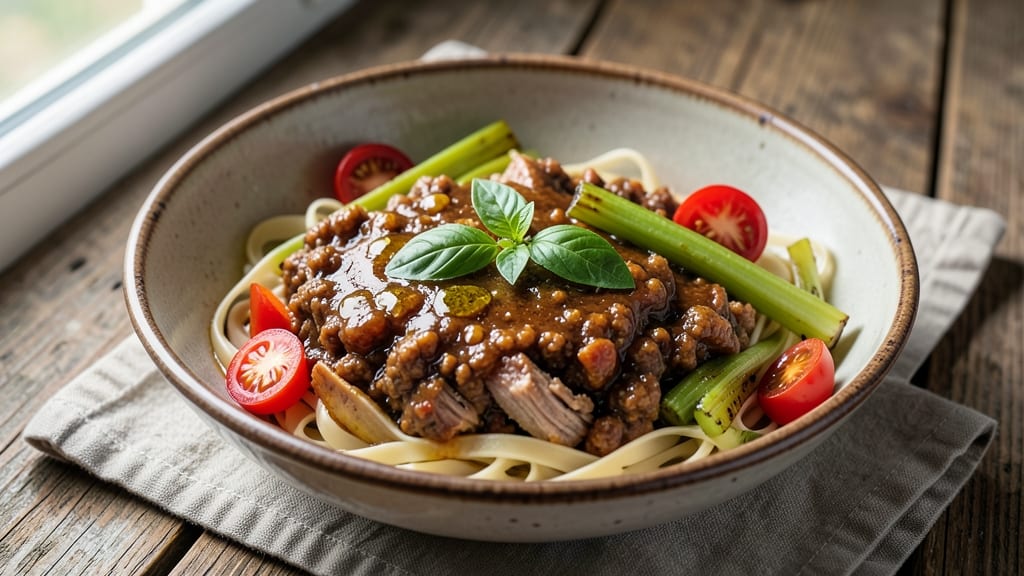
This minced pork ragu recipe transforms simple ingredients into a deeply flavorful sauce that clings to every strand of pasta. After years of perfecting slow-cooked pork dishes in my kitchen, I've developed a method that delivers restaurant-quality richness at home—no fancy techniques required.
The secret lies in patience and layering flavors through slow simmering, which develops a depth you won't find in quick recipes.
What sets this ragu apart is the balance of textures and flavors: tender, finely textured pork that dissolves on the tongue, caramelized vegetables for sweetness, and a touch of acidity from wine or tomatoes to brighten the richness.
I've tested this recipe countless times, adjusting ratios until I achieved that perfect harmony where each ingredient supports the others without overpowering. The result is a sauce that's equally at home on al dente pasta, creamy polenta, or even as a filling for stuffed shells.
By the time you're done, you'll have a sauce so velvety and aromatic that it transforms an ordinary meal into something special. The pork breaks down into an almost butter-like consistency, while the vegetables add natural sweetness and body.
This is the kind of dish that tastes even better the next day, making it perfect for meal prep or feeding a crowd. The technique is straightforward, but the results are anything but basic.
Pair it with your favorite short pasta like pappardelle or tagliatelle, or serve it over crusty bread for a hearty appetizer. The beauty of this ragu is its versatility—it's comforting enough for a weeknight dinner but impressive enough for company.
Let's get started on creating this slow-simmered masterpiece that'll become a staple in your kitchen.
Ingredients for minced pork ragu
Pantry staples plus a few fresh herbs—this ragu builds flavor through slow simmering magic.
| Ingredient | Amount | Notes |
|---|---|---|
| Minced Pork Shoulder 🥩 | 1 ½ lb | Finely ground, 80% lean preferred |
| Extra-Virgin Olive Oil 🫒 | ¼ cup | For initial searing |
| Carrots 🥕 | 1 ½ cups | Diced small, uniform pieces |
| Celery Stems 🧅 | 1 cup | Finely chopped, includes leaves |
| Yellow Onion 🧅 | 1 whole | Diced fine, yellow or red |
| Garlic Cloves 🧄 | 6 cloves | Minced fine, not pressed |
| Canned Crushed Tomatoes 🍅 | 28 oz | San Marzano preferred |
| Dry Red Wine 🍷 | ½ cup | Bold variety like Cabernet |
| Tomato Paste 🍅 | 2 tbsp | Squeeze tube preferred |
| Beef Broth 💧 | 1 ½ cups | Low-sodium preferred |
| Fresh Rosemary 🌿 | 1 tbsp | Chopped finely, stems removed |
| Fresh Thyme 🌿 | 1 tbsp | Leaves only, stems removed |
| Salt 🧂 | 1 ½ tsp | Diamond Crystal preferred |
| Black Pepper 🌶️ | ½ tsp | Freshly cracked |
| Unsalted Butter 🧈 | 2 tbsp | For finishing, cold |
The pork makes or breaks this dish. Look for 80% lean ground pork shoulder at your butcher or grocery store's meat counter—the extra fat renders down beautifully, creating that rich, velvety texture. If you can't find minced pork, regular ground pork works too, but pulse it extra times in your food processor for finer texture. For the tomatoes, San Marzano cans are worth the splurge—they're sweeter and less acidic, which balances the wine perfectly. I always grab a few extra cans since they keep for months in the pantry. The herbs? Fresh is ideal, but dried thyme at one-third the amount works in a pinch.
No red wine? Substitute beef broth with a splash of balsamic vinegar—it adds depth without the alcohol. Short on carrots? Celery root or parsnips work beautifully, though they'll change the color slightly. The tomato paste can be tricky to measure—those little squeeze tubes from Trader Joe's are perfect for this recipe. Want to skip it? Just add an extra tablespoon of crushed tomatoes. For the butter at the end, use cold butter so it melts into the sauce beautifully without breaking. And if you're worried about the pork being too fatty, pat it dry before browning—that first sear is everything.
This sauce only gets better with time. Make it the night before—the flavors meld and deepen overnight. Store in an airtight container in the fridge for up to 5 days, or freeze portions for 3 months. I always double the batch and freeze half—perfect for lazy weeknights. When reheating, add a splash of broth or water to loosen it up. And trust me, the last tablespoon of butter is non-negotiable—it ties everything together with that luxurious finish.
Why You'll Love This Recipe
- One-Pot Magic: I swear by this—just toss minced pork, diced veggies, and a splash of olive oil into one pot. No chopping boards to clean, no extra dishes. The carrots soften into sweet threads while the celery adds that earthy crunch—it’s all happening in the same pan.
- Rich Without Fuss: That pork shoulder? It melts into tender, juicy shreds as it simmers, soaking up all the caramelized onion and celery flavors. No fancy marinades or hours of braising—just slow cooking until it’s ridiculously flavorful, with that deep, savory punch that makes you forget it’s "just" ragu.
- Leftovers That Please: Between us, this dish only gets better the next day. The flavors meld into something even richer, and it reheats like a dream. Pack it for lunches, freeze portions for busy nights, or serve it over pasta when you’re too tired to cook. It’s my go-to for lazy Sundays.
- Budget-Buster Combo: Minced pork shoulder is affordable, and the veggies stretch it into a hearty meal. A single batch feeds four, and the leftovers? Even better. Honestly, it’s one of those recipes where you’re not just feeding your family—you’re filling their plates and their wallets.
Step-by-step instructions for slow-simmered minced pork ragu
Let's create a deeply flavorful ragu that clings beautifully to pasta.
Develop the Flavor Base with Aromatics
Heat the 0.25 cup extra-virgin olive oil in a heavy Dutch oven over medium heat. Add the 1 whole yellow onion and 1 cup celery stems, cooking them for 8-10 minutes until softened and the onion becomes translucent. This slow cooking draws out their sweetness and forms the foundation of your sauce.
Add the 1.5 cups carrots and continue cooking for another 5 minutes until they begin to soften. Stir occasionally to prevent sticking. The vegetables should release their moisture and create a fragrant, aromatic base before we introduce the meat.
Brown the Minced Pork Thoroughly
Push the vegetables to one side of the pot and add the 1.5 lb minced pork shoulder to the empty space. Cook over medium-high heat for 5-7 minutes, stirring frequently, until the pork develops a deep golden-brown crust. This browning step is crucial—it builds rich, caramelized flavors that will carry through the entire dish.
Once the pork is well browned, use a wooden spoon to break it up into smaller pieces, ensuring even cooking. Stir it back into the vegetables and cook for another 3 minutes to distribute the flavors evenly. Don't rush this step; proper browning creates depth that can't be replicated later.
Build the Sauce with Wine and Tomatoes
Pour in the 0.5 cup dry red wine and scrape up any browned bits from the bottom of the pot. This deglazing step captures all the concentrated flavors you've built. Let the wine simmer for 3-4 minutes until it reduces by half and the alcohol aroma dissipates completely.
Add the 2 tbsp tomato paste and stir to combine thoroughly. This creates a thicker base for your sauce. Pour in the 28 oz canned crushed tomatoes and the 1.5 cups beef broth, stirring well to incorporate. Bring the mixture to a gentle simmer, then reduce heat to low to maintain a steady, slow bubble.
Simmer and Develop Rich Flavors
Add the 1 tbsp fresh rosemary, 1 tbsp fresh thyme, 1.5 tsp salt, and 0.5 tsp black pepper. Cover the pot and let the ragu simmer gently for 1.5 hours, stirring occasionally. This slow cooking allows the flavors to meld and develop depth, creating a sauce that's rich and complex.
After 1.5 hours, check the consistency. If the ragu is too thin, uncover and simmer for another 15-20 minutes to thicken it. The sauce should coat the back of a spoon but still be fluid enough to cling to pasta. Taste and adjust seasoning if needed—this is your chance to perfect the balance of flavors.
Finish with Butter for Luxurious Texture
Remove the pot from heat and stir in the 2 tbsp unsalted butter. This final step adds a velvety richness that elevates the ragu from good to extraordinary. Let the butter melt completely, then taste one more time to ensure the seasoning is perfect.
Serve the ragu immediately over al dente pasta, reserving some pasta water to thin the sauce if needed. The butter creates a beautiful sheen on the surface, and each forkful should deliver layers of deep, savory flavors that dance together in perfect harmony.
Pro Tips For Making Minced Pork Ragu
- Brown the Pork Properly: I learned this the hard way—skipping the sear means your ragu will taste raw. Use a heavy pan (cast iron if you have it) and cook the minced pork shoulder over medium-high heat until it’s deeply browned, not just pink. This step builds flavor that no amount of simmering later can replace.
- Mince Your Own Aromatics: Pre-chopped celery and onion lose their edge fast, and that’s a shame because they’re the backbone of your ragu. Take 10 extra minutes to finely dice the celery stems and yellow onion yourself—smaller pieces cook faster and release more flavor into the olive oil. (Yes, even if you’re impatient like me.)
- Don’t Boil the Sauce: After the pork and veggies are cooked, the real test begins. If your ragu starts bubbling hard and the liquid reduces too quickly, you’ve crossed into boiling territory. Instead, keep the heat low enough that the sauce simmers gently—just enough to see tiny, lazy bubbles. This keeps the texture rich, not stringy.
- Use the Carrot’s Skin: Peeling carrots for ragu is overrated. The skin adds color, fiber, and a subtle earthiness that blends perfectly with the pork. Scrub them well, leave them whole (or cut into thick chunks), and let them soften in the pot—they’ll break down naturally without needing to be peeled. (Your future self will thank you.)
Flavor customization for this minced pork ragu
Classic Italian Twist
For an authentic Italian experience, add 1 tbsp dried porcini mushrooms (rehydrated) to the simmering ragu along with the fresh herbs.
The earthy umami depth they bring mirrors traditional Tuscan ragùs. I also recommend finishing with ½ cup whole milk instead of butter—it creates a silky texture while keeping the dish true to its Italian roots. 🍷
Smoky BBQ Fusion
Swap the red wine for ½ cup apple cider vinegar and add 1 tbsp smoked paprika with the herbs. After simmering, stir in ½ cup BBQ sauce (I love Sweet Baby Ray's) and ¼ cup chopped jalapeños for heat.
Serve over cornbread instead of pasta for a Southern-inspired twist that'll surprise your guests. 🌶️
Creamy Mushroom Upgrade
After the initial simmer, stir in 1 cup sliced cremini mushrooms and cook for 10 minutes until they release their moisture. Finish with ¼ cup heavy cream and 2 tbsp grated pecorino cheese instead of butter.
This version has a luxurious, almost risotto-like texture that pairs beautifully with fettuccine. 🍄
Spicy Asian-Inspired
Replace the beef broth with 1.5 cups chicken broth and add 1 tbsp grated ginger, 1 tbsp soy sauce, and 1 tsp fish sauce with the wine.
Finish with 1 tbsp chili crisp and 2 tbsp chopped cilantro. Serve over jasmine rice for a fusion dish that balances rich pork with bright, spicy notes. 🌶️✨
Herb-Forward Variation
Double the fresh herbs to 2 tbsp rosemary and 2 tbsp thyme, and add 1 sprig fresh sage during the simmer. Finish with 1 tbsp lemon zest instead of butter.
This herbaceous version shines when served with wild rice or polenta, offering a bright, aromatic contrast to the rich pork. 🌿
Cheesy Stuffed Shells
For a hearty main course, use half the ragu as a filling for jumbo pasta shells, mixing in 1 cup ricotta cheese and ½ cup mozzarella. Bake with the remaining ragu as a sauce on top.
This makes an impressive dish perfect for feeding a crowd, where the ragu's depth carries through every bite. 🧀
Nutrition facts
Frequently asked questions
Can I use regular ground pork instead of minced pork shoulder?
Regular ground pork works perfectly—just pulse it an extra time in your food processor for finer texture. The key is using 80% lean pork shoulder for that rich, velvety result. If your ground pork is too coarse, break it up more during the browning step to ensure even cooking.
How do I prevent the ragu from becoming too thin?
Simmer uncovered for the last 15-20 minutes to reduce the sauce naturally. If it's still too thin, mix 1 tbsp cornstarch with 2 tbsp cold water, stir into the sauce, and simmer for 5 minutes until thickened. For extra richness, stir in 1 tbsp butter at the end—it adds body without thinning the sauce.
Can I make this ragu in a slow cooker?
Yes! Brown the pork and sauté the vegetables in a skillet first, then transfer everything to the slow cooker. Add all remaining ingredients and cook on low for 6-8 hours or high for 3-4 hours. The slow cooker's gentle heat creates the same tender, flavorful result with minimal attention.
What's the best pasta to serve with this ragu?
Wide, flat noodles like pappardelle or tagliatelle work best—they cradle the sauce beautifully. For extra heartiness, try rigatoni or fettuccine. If you prefer no pasta, serve over creamy polenta or crusty bread to soak up every last bit of sauce.
How far ahead can I make this ragu?
This sauce tastes even better the next day! Store in an airtight container in the fridge for up to 5 days, or freeze for 3 months. Reheat gently on the stove with a splash of broth or water to restore its velvety texture. The flavors meld beautifully over time, making it perfect for meal prep.