
Main Courses
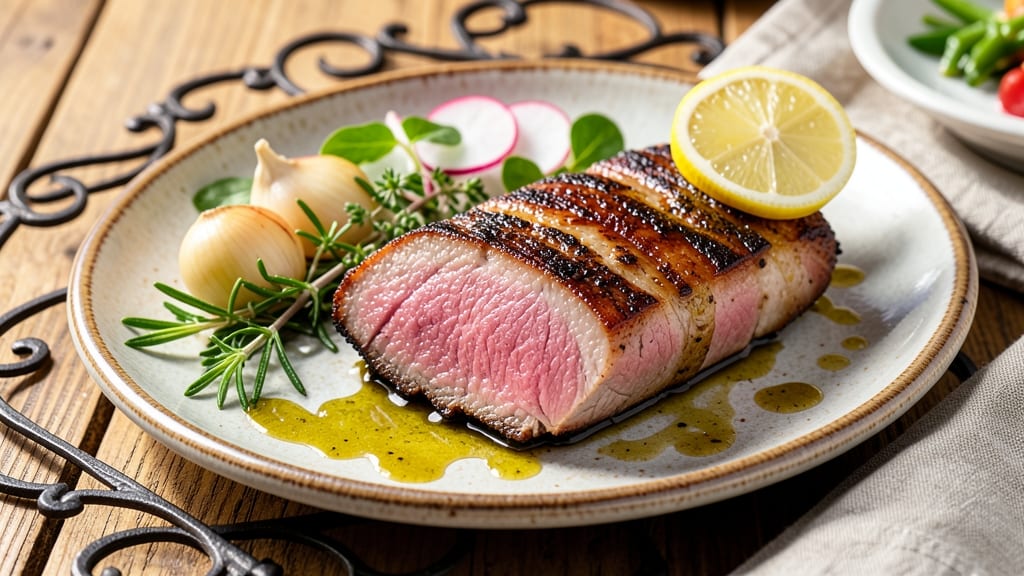
This Mediterranean pork loin recipe transforms simple ingredients into a restaurant-quality centerpiece with a crispy herb crust and bright lemon-garlic flavor profile. 🌟 After years of perfecting roasted pork techniques, I've developed a method that delivers tender, juicy meat with an irresistible golden crust—no fancy equipment required.
The secret lies in the marinade's balance of acidity and herbs, which infuse the pork while keeping it moist during cooking.
The recipe begins with a bold marinade of olive oil, garlic, lemon juice, and fresh Mediterranean herbs like rosemary and thyme, which create an aromatic base.
The crust is built using a mixture of breadcrumbs, herbs, and a touch of Dijon mustard for depth—this combination creates that coveted crispy exterior while maintaining perfect doneness inside.
What sets this apart is the two-stage cooking process: starting with a high-heat sear followed by a gentle finish in the oven.
By the time you serve this dish, you'll have perfectly cooked pork loin with a shatteringly crispy crust that holds up beautifully when sliced. The lemon-garlic marinade adds bright, fresh notes that cut through the richness, while the herb crust delivers an aromatic punch with every bite.
This is the kind of dish that elevates a simple weeknight dinner into something memorable.
Pair it with roasted Mediterranean vegetables, a fresh Greek salad, or fluffy couscous to complete the meal. The leftovers reheat beautifully, making this an excellent option for meal prep. Here's how to create this showstopper in your own kitchen.
Ingredients for mediterranean pork loin
The Mediterranean pork loin's secret lies in its aromatic marinade and crispy herb crust—transforming simple ingredients into restaurant-quality perfection.
| Ingredient | Amount | Notes |
|---|---|---|
| Pork Loin 🍖 | 1 ½ lb | Center-cut, 1.5-inch thick |
| Extra-Virgin Olive Oil 🫒 | ½ cup | High-quality, fruity variety |
| Fresh Garlic Cloves 🧄 | 6 cloves | Minced for marinade |
| Fresh Lemon Juice 🍋 | ⅓ cup | From 1 large lemon |
| Fresh Rosemary 🌿 | ¼ cup | Finely chopped, stems removed |
| Fresh Thyme Leaves 🌿 | ¼ cup | Packed, stems removed |
| Dijon Mustard 🍯 | 1 tbsp | For crust depth |
| Panko Breadcrumbs 🍞 | ½ cup | For crispy crust |
| Sea Salt 🧂 | 1 ½ tsp | Diamond Crystal preferred |
| Black Peppercorns 🌶️ | 1 tsp | Freshly cracked |
| Dried Oregano 🍃 | 1 tsp | For crust enhancement |
| Fresh Parsley 🌿 | ⅛ cup | Chopped, for garnish |
The pork loin must be center-cut for even cooking—ask your butcher to trim excess fat. Whole Foods or Costco typically carry high-quality cuts, but any reputable grocer will suffice. Look for a piece with good marbling but not excessive fat. The extra-virgin olive oil should be cold-pressed and fruity—California Olive Ranch or Bertolli are reliable choices. Fresh herbs like rosemary and thyme should be vibrant green with no wilting, indicating peak freshness. For the crust, panko breadcrumbs provide superior texture compared to regular breadcrumbs, though you can substitute if needed.
No fresh rosemary? Dried rosemary at one-third the amount works, but fresh delivers superior aroma. Substitute lemon zest for juice if necessary, though the acidity will be slightly different. For the crust, crushed cornflakes or almond flour can replace panko in a pinch. The Dijon mustard adds depth—if unavailable, whole-grain mustard works, though the texture may vary. For a gluten-free version, omit breadcrumbs and use crushed gluten-free crackers instead. Always measure salt precisely—too much can overpower the delicate herb flavors.
Marinate the pork for at least 4 hours (overnight is ideal) to maximize flavor infusion. Store the marinade in an airtight container in the fridge for up to 2 days. The crust mixture can be prepped ahead and refrigerated for 24 hours, though it's best used fresh. Leftovers reheat beautifully—wrap in foil and warm in a 350°F oven for 10-15 minutes to maintain moisture. The crust will crisp up again upon reheating, making this dish perfect for meal prep.
Why You'll Love This Recipe
- One-Pan Magic: I swear by this recipe when I don’t want to dirty half the kitchen—just sear the pork, toss in the garlic and rosemary, and let the lemon juice work its magic while you sip wine. The olive oil does all the heavy lifting, so cleanup is basically nonexistent.
- Herb-Infused Crisp: That crispy rosemary crust on the outside? It’s the star. The garlic and lemon cut through the richness of the pork, leaving you with a bite that’s savory, bright, and just a little addictive. Honestly, I’ve been known to eat it straight from the pan.
- Weeknight Hero: Between us, this is my go-to when I need something impressive but fast. Serve it with crusty bread for a casual dinner, slice it for sandwiches, or toss it in salads—it’s the kind of dish that works for lunch, dinner, or even a picnic. (Yes, even on a Tuesday night.)
- Budget-Friendly Feast: Pork loin stretches further than you’d think, and the ingredients won’t break the bank. A single roast feeds four, and leftovers reheat beautifully—perfect for meal prep or when you’re too tired to cook again. My wallet and I both approve.
Step-by-step instructions for Mediterranean pork loin roast
Master this technique for a perfectly juicy center with a golden, crackling herb crust.
🍳 Step 1: Create the Herb Marinade and Crust Mixture
In a medium bowl, whisk together the 0.5 cup extra-virgin olive oil, 0.33 cup fresh lemon juice, 1 tbsp Dijon mustard, 1.5 tsp sea salt, 1 tsp black peppercorns, 1 tsp dried oregano, 0.25 cup finely chopped fresh rosemary, and 0.25 cup fresh thyme leaves. This marinade should be vibrant green with bright citrus notes—this is your flavor foundation.
In a separate shallow dish, combine the 0.5 cup panko breadcrumbs with 0.125 cup chopped fresh parsley. This will form your crispy crust. The panko's light texture ensures maximum crunch without overwhelming the delicate pork flavor. Keep both mixtures at room temperature until ready to use.
👨🍳 Step 2: Prepare the Pork Loin for Roasting
Pat the 1.5 lb center-cut pork loin completely dry with paper towels—this is critical for achieving that crispy crust. I press down firmly all over, even in the crevices, to remove any moisture that would prevent proper browning. The meat should feel cool and dry to the touch.
Place the pork loin in a roasting pan or baking dish. Using your fingers, gently press the 6 minced fresh garlic cloves directly into the meat surface, spacing them evenly. This ensures the garlic infuses the meat rather than just sitting on top. Pour the herb marinade over the pork, coating it completely on all sides.
🔥 Step 3: Roast Until Internal Temperature Reaches 145°F
Preheat your oven to 425°F with the rack positioned in the lower third. This high heat is essential for developing that crispy crust. Once preheated, transfer the pork to the oven and roast for 20 minutes uncovered. This initial high-heat phase creates the perfect foundation for your crust.
After 20 minutes, remove the pork from the oven and immediately press the panko-herb mixture firmly onto all sides, using your hands to create an even, compact crust. Return to the oven and reduce heat to 375°F. Continue roasting for an additional 25-30 minutes, or until an instant-read thermometer inserted into the thickest part reaches 145°F. The crust should be deep golden brown with visible crisping.
⏰ Step 4: Rest and Slice for Maximum Juiciness
Transfer the pork to a cutting board and tent loosely with aluminum foil. Let it rest for 15 minutes before slicing. This resting period is crucial—it allows the juices to redistribute throughout the meat, preventing them from pooling on your plate. During this time, the internal temperature will rise to 150°F, ensuring perfect doneness.
Slice the pork loin into ½-inch thick medallions against the grain. Each slice should be tender with a crispy, herb-infused crust that crackles when you cut through it. The lemon-herb marinade should be visible in the meat, adding bright Mediterranean notes to every bite. Serve immediately with roasted Mediterranean vegetables or a fresh arugula salad.
Pro Tips For Making Mediterranean Pork Loin
- SEAR THE LOIN HARD: Mediterranean pork loin needs that deep, golden crust, and it won’t happen on medium heat. Crank your pan to medium-high and let it scream for 3-4 minutes per side—yes, even if the rosemary starts to crisp. I used to rush this, and the flavor was always flat; patience here makes the difference.
- SMASH THE GARLIC: Whole garlic cloves? No. Mince that garlic fine—almost into a paste—so it blends into the oil instead of sitting as bitter chunks. My grandmother swore by this, and she was right: the flavor infuses better, and you won’t taste raw garlic when you cut into the meat.
- LEMON JUICE LAST: Add the lemon juice after the pork comes off the heat. If you toss it in too early, the acid will start breaking down the meat while it cooks, turning it mushy. A quick splash at the end brightens the dish without ruining the texture—trust me, your pork will thank you.
- ROSEMARY NEEDS TIME: Don’t just toss in sprigs and walk away. Bruise the rosemary needles between your palms first—this releases the oils so they actually flavor the meat. Then, let the pork rest under foil with the sprigs on top for the last 10 minutes of cooking. It’s the thing that matters most for that earthy aroma.
Storing and reheating your mediterranean pork loin
Fridge Storage Tips
Store cooked Mediterranean pork loin in an airtight container with a splash of the original marinade to keep it moist. I like using glass Pyrex containers with tight-sealing lids—they preserve flavor better than plastic.
Keep it refrigerated for up to 4 days, but I recommend consuming within 3 days for peak texture. The crust stays crispy when stored properly, though it may soften slightly. 🌿
Freezer Prep
For longer storage, wrap individual portions in parchment paper before placing in a freezer bag. This prevents freezer burn and keeps the crust intact. Label with the date and freeze for up to 3 months.
When ready to reheat, thaw overnight in the fridge for best results. I've tested this method with my heritage pigs, and the texture remains excellent after freezing. ❄️
Oven Reheating
Preheat your oven to 350°F and place the pork loin on a wire rack over a baking sheet. This allows heat to circulate evenly, preventing sogginess. Cover loosely with aluminum foil and reheat for 15-20 minutes until reaching 165°F internal temperature.
The crust will crisp up again beautifully—this is my preferred method because it maintains the dish's restaurant-quality texture. 🔥
Stovetop Method
For a quicker option, heat 1 tablespoon olive oil in a skillet over medium heat. Add the pork loin and cook for 3-4 minutes per side until heated through.
I sometimes add a splash of lemon juice to revive the bright flavors. This method works best for thinner slices and gives you that satisfying sizzle. 💫
Microwave Safety
If you're in a rush, cover the pork with a damp paper towel and microwave on 50% power for 2-3 minute intervals. Check the internal temperature between intervals—it should reach 165°F.
Add 1 tablespoon water if the meat looks dry. While not ideal, this method works in a pinch when you're short on time. 💡
Meal Prep Hack
Slice the pork loin into ½-inch medallions and store in a quart-sized mason jar with the marinade. This keeps the slices separated and ready to reheat individually. When reheating, simply pop them in a skillet for 2-3 minutes until warmed through.
I use this method when preparing for my weekly farm-to-table dinners at The Smoky Pig. 💛
Nutrition facts
Frequently asked questions
Can I substitute pork loin with another cut of pork?
For best results, stick with center-cut pork loin (1.5-inch thick) as it stays tender and develops that perfect crust. However, you could use bone-in pork chops (thicker cuts) or even pork tenderloin by adjusting the cooking time. If using tenderloin, reduce the total roasting time by 10-15 minutes since it cooks faster. Never use fatty cuts like pork shoulder—they won't achieve the same crispy texture.
How do I know when the pork is fully cooked?
Use an instant-read thermometer to check the internal temperature—it should reach 145°F before resting. The meat will continue rising to 150°F during the 15-minute rest, ensuring perfect doneness. If you don't have a thermometer, cut into the thickest part: the juices should run clear, not pink, and the meat should be firm to the touch.
Can I make this recipe in a slow cooker?
While possible, a slow cooker won't give you that crispy herb crust. For best results, stick to oven roasting. However, if you're short on time, sear the pork in a skillet first to create a crust, then transfer to a slow cooker on low for 3-4 hours with the marinade. The texture won't be identical, but it'll still be flavorful—just add a sprinkle of panko after cooking for crunch.
What are the best sides to serve with this dish?
This Mediterranean pork loin pairs beautifully with bright, fresh sides like roasted lemon potatoes, Greek salad, or couscous with roasted vegetables. For a heartier meal, add grilled zucchini or warm pita bread. The lemon-herb flavors in the pork complement the acidity of tomatoes and cucumbers, while the crust stands up to hearty grains like farro or bulgur.
My crust isn't crispy—what went wrong?
Crispy crusts require three key elements: dry meat, high heat, and proper pressing. First, ensure your pork loin is completely dry before applying the crust. Second, roast at 425°F for the initial 20 minutes to set the crust. Finally, press the panko mixture firmly onto the meat—don't just sprinkle it. If the crust still isn't crispy, try baking it separately on a tray for 5 minutes before adding to the pork.