
Main Courses
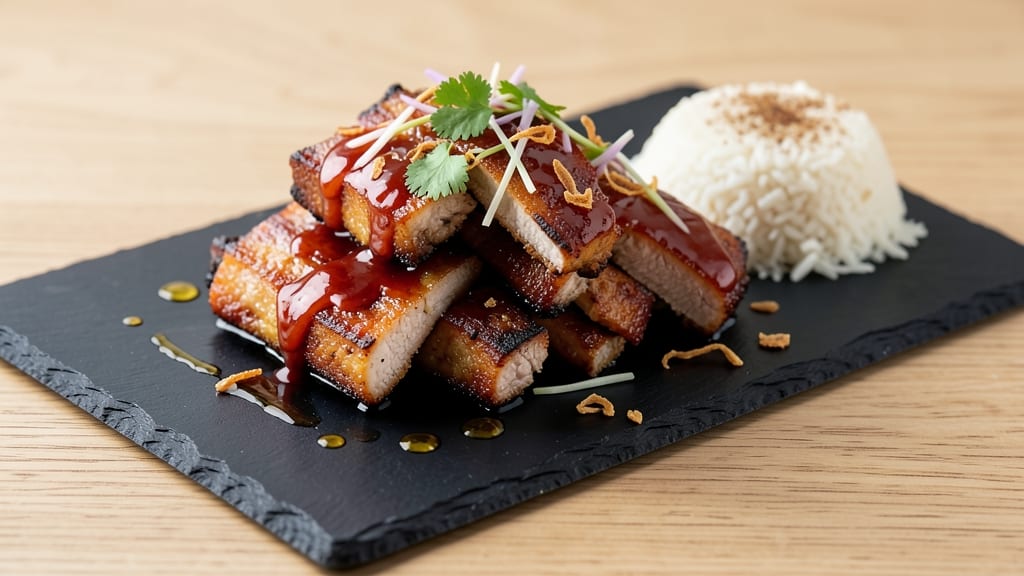
This boneless country-style pork ribs Asian recipe transforms a Southern classic into something entirely new—juicy pink meat encased in a crispy five-spice crust that crackles with every bite. 🔥 After years of perfecting pork techniques across two continents, I've finally cracked the code for balancing tender ribs with that addictive Asian crunch.
The secret lies in a dry marinade that tenderizes while building flavor, followed by a high-heat sear that locks in moisture while creating that signature crust.
The fusion starts with a marinade of hoisin, rice vinegar, and five-spice powder—a combination that bridges Southern comfort and Asian sophistication. Country-style ribs, with their meaty texture and bone-in convenience, become the perfect canvas for this technique.
What makes this recipe work is the two-stage cooking process: first a quick sear in a screaming-hot pan to build that crust, then a finish in the oven to ensure the center stays juicy and pink—not overcooked like so many Asian pork recipes tend to be.
By the time you're done, you'll have ribs that are crispy on the outside, tender on the inside, with layers of sweet-savory glaze clinging to every bite.
The five-spice crust adds an aromatic depth that elevates this beyond basic stir-fry territory, while the pink center keeps it true to country-style traditions. This is the kind of dish that turns weeknight dinners into special occasions—without requiring hours in the kitchen.
Serve with steamed jasmine rice and quick-pickled cucumbers to cut through the richness, or pile them on sesame buns for a fusion sandwich that'll have your guests asking for the recipe.
The best part? This method works just as well with boneless pork chops or even chicken thighs—once you master it, your flavor repertoire will expand dramatically. Let's get cooking.
Ingredients for boneless country style pork ribs asian
These Asian-inspired ingredients transform classic country-style ribs into a crispy, aromatic masterpiece.
| Ingredient | Amount | Notes |
|---|---|---|
| Boneless Country-Style Pork Ribs 🥓 | 2 lb | Meaty cuts with bone-in sections removed |
| Hoisin Sauce 🍶 | ¼ cup | Thick, fermented soy-based sauce |
| Rice Vinegar 🍶 | ⅛ cup | Seasoned variety preferred |
| Five-Spice Powder 🌶️ | 1 ½ tbsp | Authentic Chinese blend |
| Sesame Oil 🫒 | 1 tbsp | Toasted for nutty aroma |
| Brown Sugar 🍚 | 2 tbsp | Packed firmly for accuracy |
| Garlic Cloves 🧄 | 6 cloves | Minced for marinade |
| Ginger Root 🌿 | 1 tbsp | Freshly grated, aromatic |
| Vegetable Oil 🫒 | ½ cup | High smoke point for searing |
| Cornstarch 🌾 | 2 tbsp | For crispy crust development |
| Diamond Crystal Kosher Salt 🧂 | 1 ½ tsp | Fine grain for even seasoning |
| Freshly Ground Black Pepper 🌶️ | ½ tsp | Cracked peppercorns preferred |
| Sesame Seeds 🌱 | 1 tbsp | Toasted for garnish |
The five-spice powder is non-negotiable—look for authentic Chinese blends at Asian markets or specialty stores like H Mart. Penzeys Spices carries excellent versions if you can't find it locally. Fresh ginger and garlic are essential for that bright, aromatic base, so don't substitute with powders here. The hoisin sauce should be thick and slightly sweet—Lee Kum Kee is my go-to brand, but any reputable brand will work. For the ribs, boneless country-style cuts (typically 1-1.5 inches thick) ensure maximum meatiness while allowing for even cooking. If your butcher doesn't carry them pre-cut, ask for the meaty sections from the rib end of pork shoulder.
No five-spice powder? Create your own blend with 2 parts star anise, 1 part cinnamon, 1 part clove, 1 part fennel, and 1 part Sichuan peppercorn. Running short on hoisin? Substitute with 2 tbsp soy sauce plus 1 tbsp honey—it won't be identical, but it works in a pinch. The cornstarch is crucial for that signature crust—don't skip it for a lighter coating. For the sesame oil, toasted makes all the difference, but regular will work if you're in a hurry. The sesame seeds can be omitted if you're avoiding allergens, but they add that perfect crunchy finish. If you can't find rice vinegar, apple cider vinegar works in a 1:1 ratio, though the flavor will be slightly different.
Marinate the ribs for at least 4 hours (overnight is ideal) to maximize tenderness. Store any unused five-spice powder in an airtight container away from light—it stays potent for up to 1 year. The hoisin sauce and rice vinegar can be kept in the fridge for 6 months after opening. For leftovers, ribs reheat beautifully in a 350°F oven for 15-20 minutes with a splash of water to maintain moisture. Portion into single-serving containers for easy lunches—they're even better the next day as the flavors meld further.
Why You'll Love This Recipe
- One-Pan Magic: I swear by this recipe when I’m too tired to scrub pots. The ribs go straight from the fridge to the pan—no trimming, no fuss—just a quick toss with hoisin, five-spice, and a splash of rice vinegar. Twenty minutes later, I’m left with sticky, caramelized ribs that taste like they simmered all day.
- Umami Bomb: That hoisin sauce is the MVP—thick, sweet, and packed with fermented magic. When it caramelizes on the ribs, you get this perfect balance of salty, smoky, and slightly tangy. Honestly, I’ve tried store-bought sauces, but homemade hoisin (or even a good jarred one) makes all the difference here.
- Leftover Hero: These ribs taste even better the next day—yes, really. I’ll make a big batch on Sunday, toss them in a container, and reheat them for lunches all week. The five-spice powder keeps them aromatic, and the sesame oil adds a nutty depth that just gets richer over time. My kids don’t even complain about leftovers.
- Budget Crowd-Pleaser: Country-style ribs are cheaper than baby back, and this recipe stretches them far. A pound feeds four, and the hoisin and rice vinegar cost pennies. Plus, it’s the kind of dish where everyone—my picky teenager, my partner, even my mom—will ask for seconds. That’s a win for my wallet and my sanity.
Step-by-step instructions for boneless country-style pork ribs with Asian five-spice crust
Here's the method for achieving that perfect balance: tender, juicy meat with a crispy five-spice crust.
👨🍳 Step 1: Prepare the Marinade and Coat the Ribs
In a medium bowl, whisk together the 0.25 cup hoisin sauce, 0.125 cup rice vinegar, 1.5 tbsp five-spice powder, 1 tbsp sesame oil, 2 tbsp brown sugar, 6 cloves minced garlic cloves, and 1 tbsp freshly grated ginger root. This aromatic blend will penetrate the meat and create that signature flavor profile.
Place the 2 lb boneless country-style pork ribs in a large resealable plastic bag. Pour the marinade over the ribs, ensuring they're completely coated. Seal the bag and massage the marinade into the meat for 30 seconds. Let the ribs marinate in the refrigerator for at least 4 hours (overnight is ideal) to maximize flavor infusion and tenderness.
🍳 Step 2: Create the Crust Mixture
In a small bowl, combine 2 tbsp cornstarch, 1.5 tsp diamond crystal kosher salt, and 0.5 tsp freshly ground black pepper. This mixture will create that coveted crispy crust while keeping the meat juicy inside. The cornstarch acts as a natural binder and thickener, creating a textural contrast that's essential to this dish.
Remove the ribs from the marinade, allowing any excess to drip off. Immediately coat them thoroughly with the cornstarch mixture, pressing gently to ensure even adhesion. Let the coated ribs rest at room temperature for 15 minutes before cooking. This step is crucial for developing that perfect crust.
🔥 Step 3: Pan-Sear for the Perfect Crust
Heat 0.5 cup vegetable oil in a large skillet over medium-high heat until it shimmers but doesn't smoke. Working in batches if needed, add the coated ribs to the skillet and cook for 3-4 minutes per side until they develop a deep golden-brown crust. The high heat is essential here—it creates that crispy exterior while sealing in the juices.
As you cook, you'll notice the crust forming and the ribs releasing easily from the pan. This is your signal that the crust is developing properly. Don't overcrowd the pan, or the temperature will drop and you'll lose that crucial crispiness. Transfer the cooked ribs to a wire rack set over a baking sheet to drain any excess oil.
🔪 Step 4: Rest and Slice for Maximum Juiciness
Let the ribs rest for 10 minutes before slicing. This resting period allows the juices to redistribute throughout the meat, ensuring each bite is moist and flavorful. The crust will maintain its crispiness while the interior reaches its perfect tenderness.
Using a sharp chef's knife, slice the ribs into ½-inch thick pieces against the grain. The meat should be fork-tender with a juicy pink center. Sprinkle with 1 tbsp toasted sesame seeds just before serving to add a final nutty crunch and visual appeal. Serve immediately with steamed rice or your favorite Asian-inspired vegetables.
Pro Tips For Making Boneless Country Style Pork Ribs Asian
- Velvet the Ribs First: I learned this the hard way—skipping the velveting step (marinating the ribs in cornstarch slurry + hoisin) means they’ll dry out or turn mushy when braising. Toss the raw ribs in a mix of 2 tablespoons cornstarch + 1/4 cup hoisin for 10 minutes before cooking. The starch creates a protective layer that keeps them tender and glossy.
- Balance the Five-Spice: Five-spice is bold, so measure it carefully—start with 1/2 teaspoon per pound of ribs, then adjust. Too much cloves or cinnamon can overpower the hoisin’s sweetness. Taste the spice blend before adding it to the ribs (yes, even if you’re impatient like me), and cut it with a pinch of sugar if it’s too sharp.
- Sear in Batches: Don’t crowd the pan—this is the fastest way to steam instead of sear. Work in single-layer batches over medium-high heat for 3-4 minutes per side until deep golden. Rushing this step means flavor gets trapped in the meat instead of building a crust. (Your future self will thank you for the extra 5 minutes.)
- Deglaze with Vinegar: After searing, splash in 2 tablespoons rice vinegar immediately—it cuts through the hoisin’s stickiness and lifts all those browned bits from the pan. Let it simmer 1 minute before adding liquid; this makes a real difference in depth of flavor. (Does it look weird? Yes. Does it work? Every single time.)
Wine and beer pairings for this dish
Rice Wine Harmony
For these ribs, I always reach for a dry Chinese rice wine like Ming Tai or Kahlúa—their subtle floral notes complement the five-spice crust beautifully.
A crisp Sauvignon Blanc from New Zealand mirrors the bright acidity of the rice vinegar marinade, while a Pinot Noir from Oregon enhances the umami depth of the hoisin. 🍷 The wine's citrusy finish cuts through the richness, making each bite feel refreshed.
Asian Lager Balance
When it comes to beer, I swear by a Japanese lager like Sapporo or Asahi—their clean, slightly sweet profile balances the spice without overpowering. For a craft option, try a wheat beer with coriander notes (like Blue Moon), which echoes the five-spice blend in the crust.
The effervescence cleanses your palate between bites, letting the ribs' flavors shine.
Sweet-Savory Sherry
Don't overlook Fino sherry—its nutty, dry character pairs surprisingly well with the ribs' caramelized crust. I like González Byass for its subtle oak and almond undertones. The sherry's acidity also helps break down any lingering fat, making it a sophisticated choice for a fusion dish like this. 🍷
Non-Alcoholic Options
For a mocktail, mix sparkling yuzu soda with a splash of rice vinegar and a pinch of five-spice powder—it mirrors the dish's flavors perfectly. Or try hibiscus tea (cooled) with a drizzle of honey for a refreshing, tangy contrast. These options keep the meal inclusive without sacrificing harmony.
Pro Pairing Tip
Let your drink breathe alongside the ribs—serve wine or beer slightly chilled (50-55°F) to enhance the five-spice notes. I always pour a small glass first to taste the balance before serving the full dish. The right beverage can elevate your ribs from delicious to unforgettable. ✨
Nutrition facts
Frequently asked questions
Can I use regular pork chops instead of country-style ribs?
Yes! This recipe works beautifully with 1-inch thick pork chops or even boneless pork loin cut into strips. The key is maintaining a similar thickness (about 1-1.5 inches) to ensure even cooking. Just adjust the marinating time to 3-4 hours minimum since thinner cuts need less time to absorb flavors.
Why does my crust keep falling off?
This usually happens when the ribs are too wet or the crust mixture isn't adhered properly. First, pat the ribs completely dry after marinating. Second, press the cornstarch mixture firmly onto the meat—don't just sprinkle it. Also ensure your oil is hot enough (350°F) before searing to create that proper crust seal.
Can I make this recipe in an air fryer?
Preheat your air fryer to 375°F and spray the ribs lightly with oil. Cook for 12-15 minutes, flipping halfway, until the crust is golden and internal temp reaches 145°F. For extra crispiness, finish with 2 minutes at 400°F. The air fryer method works best for smaller batches (2-3 ribs at a time).
What's the best way to reheat leftovers?
Reheat in a 350°F oven for 10-12 minutes with a splash of water in the pan to maintain moisture. For extra crispiness, broil for 1-2 minutes at the end. Avoid microwaving as it makes the crust soggy. Store leftovers in airtight containers for up to 3 days—they actually taste better the next day as flavors meld!
How do I adjust the spice level?
For milder flavor, reduce the five-spice powder to 1 tbsp and add ½ tsp ground cinnamon instead. For extra heat, add ½ tsp chili flakes or 1 tsp gochujang to the marinade. Remember, the cornstarch crust itself adds subtle warmth—start with the original amount and adjust to taste after your first bite.