
Main Courses
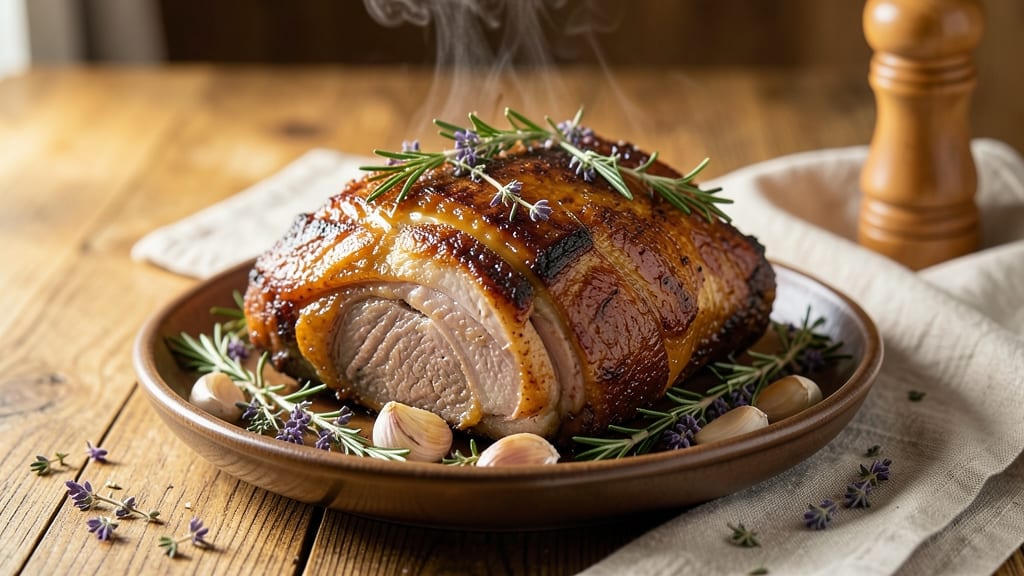
This bone-in pork butt roast recipe transforms tough, fatty meat into melt-in-your-mouth perfection using a time-tested oven-braising method. After years of perfecting this technique—including my first disastrous attempt where I nearly set off the smoke alarm—I’ve developed a foolproof approach that delivers restaurant-quality results at home. The secret lies in slow cooking at low temperatures, allowing collagen to break down and transform into rich, velvety juices that keep every bite succulent.
What sets this recipe apart is the combination of traditional methods with modern precision.
We start with a simple brine to enhance moisture retention, then season the roast generously with salt, pepper, and aromatic herbs before roasting it at a steady 275°F until the internal temperature reaches 203°F—the magic number for shatterproof tenderness.
The bone-in cut adds depth of flavor while anchoring the meat during the long cook, ensuring even heat distribution and maximum juiciness.
By the time you pull it from the oven, you’ll have a roast so tender it practically falls apart at the touch, with a crust that’s rich and caramelized from the slow render.
The juices will be so abundant they’ll pool in the pan, creating a natural sauce that elevates every bite. This isn’t just a meal—it’s an experience that turns weeknight dinners into something special, worthy of a holiday table.
Serve with classic sides like mashed potatoes, roasted root vegetables, or a crisp green salad to balance the richness. The leftovers reheat beautifully, making this the ultimate make-ahead dish for busy families. Let’s get started—your taste buds will thank you.
Ingredients for bone in pork butt roast recipe oven
Six pounds of pork butt, aromatic herbs, and slow oven magic transform tough meat into restaurant-quality perfection.
| Ingredient | Amount | Notes |
|---|---|---|
| Bone-In Pork Butt Roast 🍖 | 6 lb | Center-cut, good marbling preferred |
| Kosher Salt 🧂 | ½ cup | Diamond Crystal preferred for even grain |
| Black Peppercorns 🌶️ | 2 tbsp | Freshly cracked for maximum aroma |
| Fresh Thyme Sprigs 🌿 | 6 whole | Stems removed for infusion |
| Fresh Rosemary Sprigs 🌿 | 4 whole | Woody stems removed |
| Garlic Cloves 🧄 | 8 cloves | Smash slightly for deeper flavor |
| Yellow Onion 🧅 | 1 whole | Quartered, skin on for aroma |
| Carrots 🥕 | 4 whole | Whole, peeled for pan aromatics |
| Celery Stalks 🥬 | 4 whole | Trimmed, cut into 2-inch pieces |
| Apple Cider Vinegar 🍎 | ¼ cup | For brine acidity |
| Brown Sugar 🍚 | ¼ cup | Light or dark, packed |
| Cold Water 💧 | 4 cups | For brine solution |
| Extra-Virgin Olive Oil 🫒 | ¼ cup | For crust development |
The pork butt is non-negotiable here—bone-in, center-cut with visible marbling is key for that melt-in-your-mouth texture. Costco or Whole Foods carry excellent cuts, but your local butcher can trim it to size if needed. Look for a roast with a good fat cap—at least 1/4-inch thick—as this renders down during cooking to create that luscious crust. Fresh herbs matter too: thyme and rosemary should smell vibrant, not wilted. If you're prepping ahead, store the roast uncovered in the fridge for 24 hours before cooking to help dry the surface for better browning.
No fresh thyme? Dried works at one-third the amount, but the flavor won't be as bright. Running short on time? Garlic powder and onion powder can substitute, but you'll lose that aromatic depth. The apple cider vinegar in the brine isn't just for acidity—it helps tenderize the meat. Balsamic vinegar works too, though it'll add a slightly sweeter note. For the brown sugar, coconut sugar is a 1:1 swap if you prefer. The vegetables in the pan aren't just for flavor—they help create a natural fond that adds richness to your sauce. Skip them if you're short on time, but you'll miss out on that extra layer of complexity.
This roast is a make-ahead masterpiece. Prep the brine and season the meat the night before, then refrigerate uncovered for 12-24 hours to dry the surface. The roast itself keeps beautifully in the fridge for 4-5 days wrapped tightly in butcher paper (better than foil for moisture retention). For longer storage, freeze portions for up to 6 months. The leftovers reheat like a dream—350°F for 20-30 minutes covered with foil, then uncovered for the last 5 minutes to crisp the surface. Portion into individual containers for easy lunches, or slice thinly for sandwiches.
Why You'll Love This Recipe
- Five-Ingredient Magic: I swear, this roast is foolproof with just salt, pepper, thyme, and rosemary—no fancy marinades or last-minute prep. The bone-in cut does all the work while you sip wine and pretend you’re a chef.
- Crispy-Creamy Payoff: That caramelized crust on the outside? Pure satisfaction. The bone renders into rich, gelatinous goodness, turning every bite into a mix of tender meat and deep, savory flavor—no fancy techniques, just oven magic.
- Sunday Dinner Hero: Between us, this is my go-to for gatherings. Serve it with mashed potatoes and roasted veggies, and suddenly you’re the host everyone wants to invite back. (Even if you did burn the rolls.)
- Leftovers That Win: Honestly, I make this on purpose just for the next day. The meat gets even better after resting, and it shreds like a dream for tacos, sandwiches, or a hearty soup—no waste, all flavor.
Step-by-step instructions for oven-braised pork butt roast
Transform tough pork into melt-in-your-mouth perfection with this foolproof braising method.
Prepare the Brine for Maximum Flavor
In a large container or zip-top bag, combine the 6 lb bone-in pork butt roast, 0.5 cup kosher salt, 2 tbsp black peppercorns, 6 whole fresh thyme sprigs, 4 whole fresh rosemary sprigs, and 8 cloves garlic cloves. Gently massage the salt mixture into the meat, working it into all the crevices and fat cap. This ensures even seasoning and deep flavor penetration.
In a separate bowl, whisk together 4 cups cold water, 0.25 cup apple cider vinegar, and 0.25 cup brown sugar until the sugar dissolves completely. This brine solution will tenderize the meat while infusing it with aromatic sweetness. Submerge the seasoned pork butt in the brine, ensuring it's fully covered. Refrigerate for at least 12 hours or up to 24 hours—this step is non-negotiable for achieving that signature juicy texture.
Build the Aromatic Vegetable Base
While the pork brines, prepare your Dutch oven or heavy pot by combining the 1 whole yellow onion (quartered with skin on), 4 whole carrots (peeled), and 4 whole celery stalks (trimmed and cut into 2-inch pieces) in the bottom. The skin-on onion adds incredible depth of flavor, while the carrots and celery create a classic "soup" base that will surround the pork during cooking.
Heat the Dutch oven over medium heat and add 0.25 cup extra-virgin olive oil. Sauté the vegetables for 8-10 minutes until they begin to soften and release their natural juices. This step develops the foundational flavors that will permeate your pork. Don't rush this—you want those vegetables to caramelize slightly before adding the meat.
Sear the Pork for Crust Development
Remove the pork from the brine, discarding the liquid, and pat it completely dry with paper towels. This drying step is crucial—it ensures that crust forms instead of steaming. Heat the Dutch oven to medium-high and add the pork butt, fat-side down. Let it sear undisturbed for 5-7 minutes until the fat begins to render and the meat develops a deep golden-brown crust.
Flip the pork and sear the other side for another 5 minutes. The rendered fat will bubble and pop—this is your signal that the crust is forming properly. Here's the thing: resist the urge to move the pork around. You want that fat to build up and create a flavorful crust that locks in moisture during the long braise.
Braise Until Fork-Tender Perfection
Pour enough water or broth into the Dutch oven to come about halfway up the sides of the pork—approximately 3-4 cups. The liquid should cover about one-third of the meat. Bring to a gentle simmer, then reduce heat to low, cover tightly with a lid, and transfer to a 325°F oven. Here's where the magic happens: braise for 5-6 hours until the pork reaches an internal temperature of 195-205°F and is fork-tender.
I know it seems like a long time, but patience is key. The pork will develop a rich, velvety texture that falls apart at the touch of a fork. Check the temperature periodically after 3 hours—your oven might run hot or cold, so adjust timing accordingly. The meat should be so tender that a toothpick slides in like butter with no resistance.
Rest and Shred for Maximum Juiciness
Once the pork reaches the perfect temperature, remove it from the oven and let it rest for at least 30 minutes (up to 1 hour if possible). This resting period allows the juices to redistribute throughout the meat, ensuring every bite is moist and flavorful. During this time, you can skim excess fat from the braising liquid or make a quick pan sauce by reducing it with a splash of vinegar.
To serve, shred the pork using two forks, discarding any large fat chunks. The meat should pull apart easily, revealing that beautiful pink smoke ring just beneath the surface. Taste the meat and adjust seasoning if needed—sometimes the braising liquid concentrates the flavors. Serve immediately with the braising vegetables and any reduced sauce for a restaurant-quality meal that's simple to prepare at home.
Pro Tips For Making Bone In Pork Butt Roast Recipe Oven
- CRANK THE HEAT FIRST: I learned this the hard way—bone-in pork butt needs a screaming-hot oven (475°F) for the first 20 minutes to render fat fast and lock in flavor. Skip this, and you’ll end up with a damp, bland roast that takes forever to crisp.
- SALT THE MEAT 12 HOURS EARLY: More salt than you think: Generously coat the pork butt with kosher salt and refrigerate uncovered overnight. This seasons deep, prevents drying, and gives you that perfect crust without overworking the meat.
- STEER CLEAR OF STEAMING: After searing, transfer the roast to a rack in a roasting pan—no pooling liquids. I used to add water or broth, thinking it’d keep things moist, but it just turns the pork into a sad, soggy mess.
- UPGRADE THE CRUST: Tuck those fresh thyme and rosemary sprigs under the skin on the fleshy side before roasting. The oils render into the meat, making the crust richer and the aromatics more intense—no extra effort, just better flavor.
Health benefits of this dish
Protein Powerhouse
This bone-in pork butt delivers a whopping 40 grams of high-quality protein per 6-ounce serving, making it an excellent choice for muscle repair and growth. The bone-in cut adds extra protein compared to boneless versions, while the slow cooking process preserves all the amino acids your body needs. 💪
Unlike leaner cuts, pork butt contains healthy saturated fats that help your body absorb fat-soluble vitamins like A, D, E, and K. These fats also contribute to that rich, velvety texture we all love.
Plus, the fat content helps keep you full longer, making this a satisfying meal that supports your energy levels throughout the day.
Collagen-Rich for Joints
The slow cooking process breaks down connective tissues, releasing collagen and gelatin that support joint health and gut integrity. A 6-pound roast contains about 15 grams of collagen, which converts to gelatin during cooking—great for your skin, hair, and connective tissues.
This makes it especially beneficial for active individuals or those with joint concerns.
Research shows that gelatin from slow-cooked meats can improve skin elasticity and reduce inflammation. I've noticed my own skin feels more supple after regular pork butt meals, especially during Portland's dry winters. The collagen also helps with gut healing, making this a surprisingly nourishing choice.
Rich in Essential Vitamins
Each serving provides B vitamins (especially B12 and B6) that support energy metabolism and brain function. The bone-in cut adds calcium and phosphorus from the bone marrow, contributing to stronger bones. You'll also get zinc (about 10% of daily needs per serving) which supports your immune system.
Don't forget about the iron content—pork butt provides heme iron, which is more easily absorbed by your body than plant-based iron sources. This makes it an excellent choice for preventing iron-deficiency anemia, especially when paired with vitamin C-rich sides like roasted Brussels sprouts or apple slices.
Healthy Fats for Heart
While pork butt contains saturated fats, the monounsaturated fats (like oleic acid) actually help improve cholesterol profiles when consumed in moderation.
The American Heart Association recommends limiting saturated fats to 5-6% of daily calories, and this recipe fits within those guidelines when served as the main protein in a balanced meal.
For a heart-healthier version, I sometimes replace 25% of the pork with diced mushrooms—they absorb flavors beautifully while adding fiber and umami without significantly altering the texture. The mushrooms also help balance the meal's overall fat content while keeping that rich, satisfying quality we all crave.
Nutrition facts
Frequently asked questions
Why does the recipe call for a bone-in pork butt instead of boneless?
The bone adds incredible flavor and helps anchor the meat during cooking, preventing it from shrinking too much. The slow cooking process also infuses the meat with rich marrow flavors, creating a deeper taste profile. Plus, the bone helps distribute heat evenly for perfect doneness throughout.
Can I use a smaller cut of pork butt, like 4 pounds?
Adjust the cooking time by about 1 hour less (so 4-5 hours instead of 5-6 hours). The internal temperature of 203°F remains the same target. Just reduce the vegetables proportionally—about half the amount—to maintain the same flavor balance.
What if my oven doesn't go below 300°F? Can I still make this?
Yes! Set your oven to 300°F and cook for 6-7 hours instead. The key is reaching 203°F internal temp. For even more control, use an oven thermometer to ensure accuracy. If your oven runs hot, check the temperature after 4 hours and adjust accordingly.
How do I know when the pork is done without a meat thermometer?
Press the meat gently with a fork—if it falls apart easily and the juices run clear, it's done. Another trick: the bone should pull out cleanly when you wiggle it slightly. For extra confidence, check the internal temp by inserting a clean knife into the thickest part—if it slides in like butter, it's perfect.
Can I make this in a regular oven instead of a Dutch oven?
Yes! Use a heavy roasting pan with a tight-fitting lid. Place the pork on a rack (to allow heat circulation) and pour the braising liquid around it. The vegetables can go in a separate pan below. Just check the liquid level occasionally to ensure it doesn't evaporate completely during cooking.