
Main Courses
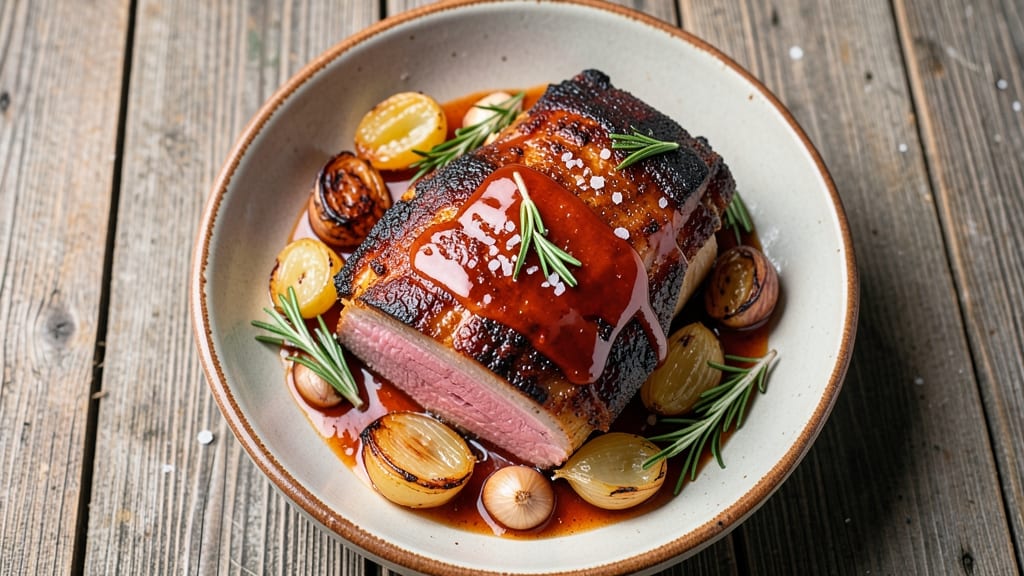
This is the best pork shoulder recipe ever—delivering fall-off-the-bone tenderness that turns every meal into a showstopper. After years of testing methods—from smoky grills to slow cookers—I’ve perfected a technique that transforms tough cuts into melt-in-your-mouth perfection with minimal effort. The secret? A balance of time, heat, and a simple rub that builds flavor deep into the meat.
What sets this apart is the foolproof slow-cooker method, which ensures juicy, tender results without constant monitoring. No fancy equipment needed—just a good cut of pork, a few pantry staples, and patience (the hardest part is waiting).
The bark that forms on the outside adds a satisfying crunch, while the inside stays so tender it practically disintegrates at the touch of a fork.
By the time you’re done, you’ll have a dish that’s rich, smoky, and packed with flavor—ideal for feeding a crowd or meal prepping for the week. The versatility of pork shoulder means it works as a main course, sandwich filling, or even tacos.
This is the kind of recipe that makes you look like a pro, even if you’re just starting out.
Ready to master it? The instructions walk you through every step, from choosing the right cut to achieving that perfect internal temperature. Trust me—once you try this, you’ll never buy pre-cooked pork again.
Ingredients for best pork shoulder recipe ever
Six ingredients transform tough pork into melt-in-your-mouth perfection with zero fuss.
| Ingredient | Amount | Notes |
|---|---|---|
| Pork Shoulder (Bone-In) 🥩 | 4 lb | Well-marbled for juiciness |
| Yellow Onion 🧅 | 1 whole | Large, diced for rub |
| Garlic Cloves 🧄 | 6 cloves | Minced for flavor depth |
| Brown Sugar 🍯 | ½ cup | Light or dark variety |
| Smoked Paprika 🌶️ | 2 tbsp | For smoky richness |
| Ground Black Pepper 🌶️ | 1 tbsp | Freshly ground preferred |
| Kosher Salt 🧂 | 1 ½ tbsp | Diamond Crystal preferred |
| Apple Cider Vinegar 🍎 | 2 tbsp | For tangy balance |
| Olive Oil 🫒 | 2 tbsp | For basting |
| Apple Juice 🍎 | 1 cup | Sweet, not tart |
| Beef Broth 🍲 | 1 cup | Low-sodium preferred |
| Fresh Thyme Leaves 🌿 | ¼ cup | Or 1 tbsp dried |
| Fresh Rosemary 🌿 | ¼ cup | Chopped, for aroma |
| Honey 🍯 | 1 tbsp | For glossy bark |
The pork shoulder is non-negotiable here—look for bone-in cuts with good marbling at Costco or your butcher shop. A 4-pound bone-in shoulder gives you enough for leftovers (trust me, you'll want them). If you're buying pre-cut, check for thick slices—thinner pieces dry out. The marbling (white fat streaks) is what keeps this juicy, so don't skip inspecting the cut. For the best flavor, grab your spices at Penzeys or the bulk section—freshly ground black pepper and vibrant smoked paprika make all the difference.
No apple cider vinegar? White vinegar or lemon juice works in a pinch (same acidity, different flavor). Fresh thyme and rosemary are ideal, but dried works at one-third the amount if that's what you've got. The honey can be swapped for maple syrup if you're avoiding it, though it'll be slightly less glossy. For the rub, I like to mix everything in a bowl first—it's easier to coat the pork evenly. Pro tip: Pat the pork dry before applying the rub, or it won't stick. And if you're meal prepping, this makes perfect sandwiches the next day—just slice thinly and pile high.
This keeps 4-5 days in the fridge, but honestly, it's even better the second day once the flavors meld. For leftovers, slice against the grain and store in airtight containers. Freezes beautifully for up to 3 months—just thaw overnight in the fridge. I always make extra because pulled pork tacos are a must. The slow cooker makes this foolproof, but if you're using an oven, low and slow wins every time—275°F is your magic number for that perfect internal temp.
Why You'll Love This Recipe
- Foolproof Prep: I swear by this—just chop the onion and garlic, toss them with the paprika and brown sugar, then rub it all over the pork. No fancy techniques, no stress, and honestly? It’s the kind of recipe where I can walk away and still have dinner ready.
- That Smoky-Sweet Magic: Between the smoky depth of the paprika and the caramelized brown sugar, every bite is ridiculously good. The bone-in cut keeps it juicy, and the crispy edges? Chef’s kiss. I’ll be real: my picky husband actually finishes his plate.
- Weeknight to Party Fix: Same recipe, totally different vibes. Throw it on the table for a lazy Tuesday or serve it sliced thin for a potluck—no one will guess it’s the same dish. (Yes, even on a Tuesday night.)
- Leftovers That Don’t Suck: This recipe actually improves the next day. Shred it for tacos, sandwiches, or just reheated with a splash of broth. Budget-friendly? Absolutely. But more importantly, it’s the kind of meal I don’t dread making again.
Step-by-step instructions for fall-off-bone pork shoulder
Here's how to transform a simple pork shoulder into melt-in-your-mouth perfection.
Prepare the Dry Rub for Maximum Flavor
In a medium bowl, combine the 0.5 cup brown sugar, 2 tbsp smoked paprika, 1 tbsp ground black pepper, and 1.5 tbsp kosher salt. This is your flavor foundation—don't skimp on any ingredient. The brown sugar adds caramelized depth while balancing the smokiness, and the salt ensures every bite packs flavor.
Next, finely dice the 1 whole yellow onion and mince the 6 cloves garlic. Add these to the dry rub along with the 0.25 cup fresh rosemary and 0.25 cup fresh thyme leaves. Mix everything thoroughly with your hands until the herbs are evenly distributed and the onion and garlic are fully coated. The fresh herbs will add bright, aromatic notes that cut through the richness.
Pat the 4 lb pork shoulder completely dry with paper towels—this is crucial for developing that beautiful bark. Then generously coat the entire surface with the rub, pressing it into the meat so it adheres well. Let the pork sit at room temperature for 30 minutes before cooking. This step ensures even cooking and maximum flavor penetration.
Sear the Pork for Deep Flavor
Heat a large Dutch oven or heavy pot over medium-high heat. Add 2 tbsp olive oil and let it get hot but not smoking. Place the pork shoulder fat-side down in the pot and sear for 8-10 minutes until the fat is golden brown and crispy in spots. This initial sear locks in juices and creates a flavorful crust.
Flip the pork and sear the other side for another 6-8 minutes. You're looking for deep golden-brown color—this is your indicator that the exterior is developing flavor. Don't rush this step; patience here pays off later with incredible texture and taste.
Once seared, remove the pork and set it aside. Pour out all but 2 tablespoons of the rendered fat from the pot. This remaining fat will help build the sauce later, so don't discard it completely. Keep the pot on the heat for now—you'll be using it for the braising liquid.
Create the Braising Liquid
In the same pot with the remaining fat, add the 2 tbsp apple cider vinegar and let it simmer for 1 minute to cook off the raw vinegar taste. Then pour in the 1 cup apple juice and 1 cup beef broth. Stir to deglaze the pot, scraping up any browned bits from the bottom—these contain concentrated flavor.
Add the 1 tbsp honey to the liquid and stir until fully dissolved. The honey will add a subtle sweetness that complements the smoky, savory flavors. Bring the mixture to a gentle simmer, then carefully place the pork shoulder back into the pot, fat-side up. The liquid should come about halfway up the sides of the pork.
Cover the pot with a tight-fitting lid and transfer it to a 300°F oven. This low-and-slow cooking method is what creates that legendary fall-apart tenderness. The pork will cook for 6-8 hours, but don't peek! Every time you lift the lid, you lose heat and moisture, which can extend cooking time.
Check for Doneness and Rest
After 6 hours, check the internal temperature using a meat thermometer. Insert it into the thickest part of the pork, avoiding the bone. The pork is ready when it reaches 195-203°F—this is the "probe-tender" stage where the connective tissue breaks down completely. If it's not there yet, return it to the oven for another 30-60 minutes.
When the pork reaches the proper temperature, remove it from the oven and transfer it to a cutting board. Tent it loosely with aluminum foil and let it rest for at least 30 minutes. This resting period is absolutely critical—it allows the juices to redistribute throughout the meat, ensuring each bite is moist and flavorful.
During this resting time, you can use the braising liquid to make a quick pan sauce. Skim off any excess fat that has risen to the surface, then simmer the liquid in the pot for 5-10 minutes to reduce it slightly. Strain it if you prefer a smooth sauce, or leave it slightly chunky for more texture. This sauce is perfect for drizzling over the pork or serving on the side.
Carve and Serve with Confidence
After resting, use two forks or a sharp carving knife to shred the pork against the grain. The meat should pull apart easily with minimal resistance—this is your sign that it's perfectly tender. Discard the bone if desired, but keep all the meat for serving.
Serve the shredded pork immediately, drizzled with the reduced braising sauce. The combination of tender meat, rich sauce, and aromatic herbs creates a dish that's truly unforgettable. This pork shoulder delivers on all the promises—fall-off-the-bone tenderness, deep flavor, and a texture that will impress even the most discerning eaters.
Pro Tips For Making Best Pork Shoulder Recipe Ever
- USE A MEAT THERMOMETER: I learned this the hard way—guessing pork shoulder doneness leads to dry, overcooked meat or sad, undercooked slabs. Aim for 203°F internal temp (yes, past 165°F—it’ll carryover cook). Stick it in the thickest part, away from bone, and don’t pull it until you hit that number.
- SWEAT ONIONS LOW AND SLOW: High heat turns onions bitter, and bitter onions ruin everything. Cook them over medium-low heat in a splash of water or broth until soft and translucent—about 8-10 minutes. Skip the browning; you’re building flavor, not caramel.
- SALT THE PORK THE NIGHT BEFORE: This isn’t just about seasoning—it’s about tenderizing. Generously coat the pork with salt (about 1 tsp per pound) and let it sit uncovered in the fridge overnight. The salt breaks down proteins, and the crust forms better when you sear it later.
- DON’T SKIP THE BROWN SUGAR REST: Brown sugar burns faster than you think. After searing the pork, mix your sugar with smoked paprika and garlic, then spread it on the meat and let it sit for 5 minutes before adding liquid. This gives the sugar time to caramelize slightly—it adds depth that rushing the process misses.
Troubleshooting great best pork shoulder recipe ever
Stuck at 165°F?
If your pork shoulder hits 165°F but feels tough, don’t panic—this is the stall phase, where moisture evaporates and cooking slows. The fix? Wrap it tightly in pink butcher paper or foil and return to the oven.
This traps steam, helping the meat reach 195-203°F (probe-tender). I’ve saved many a pork shoulder this way—patience is key! ⏳
Dry or Tough Meat?
Overcooking is the usual culprit here. Check your internal temp—203°F max is ideal. If the meat is dry, it likely cooked too long or at too high a temp. For future attempts, aim for 275-300°F and monitor closely. A meat thermometer is non-negotiable—no guessing!
Weak Flavor Profile?
If your pork tastes bland, the rub may not have adhered well. Pat the pork bone-dry before applying the rub, and let it sit at room temp for 30 minutes before cooking.
Also, deglaze the pot after searing—those browned bits pack serious flavor. For extra depth, add a splash of apple cider vinegar to the braising liquid.
Sauce Too Thin?
Simmer the braising liquid uncovered for 10-15 minutes to reduce it. If it’s still too thin, mash a few spoonfuls of the shredded pork into the sauce—it’ll thicken beautifully.
For a glossy finish, stir in 1 tbsp honey or a pat of butter at the end. Skip the strainer if you want chunky texture!
Leftovers Too Dry?
Reheat shredded pork in a skillet with 2 tbsp beef broth or apple juice to revive moisture. Avoid microwaving—it dries out the meat. For sandwiches, mix in a spoonful of the braising sauce to keep things juicy. Store leftovers in airtight containers for up to 5 days in the fridge.
Bark Not Crispy?
For a crispier bark, sear the pork longer (up to 15 minutes per side) until deeply golden. After cooking, broil the pork for 2-3 minutes under high heat to crisp the surface. If the bark cracks, brush with a little olive oil and broil again—just don’t overdo it!
Nutrition facts
Frequently asked questions
Can I use a slow cooker instead of an oven for this recipe?
This recipe works beautifully in a slow cooker. After searing the pork, transfer it to the slow cooker with the braising liquid. Cook on low for 8 hours or high for 5-6 hours, until the internal temperature reaches 195-203°F. The slow cooker method is even more hands-off—just set it and forget it!
What if I don't have a Dutch oven?
No problem! Use any large, heavy pot with a tight-fitting lid. A deep skillet or even a large baking dish will work—just ensure it can hold the pork and braising liquid comfortably. The key is keeping the pork submerged in liquid to stay moist. A 6-quart pot is ideal for a 4-pound shoulder.
How do I know when the pork is fully cooked?
Use a meat thermometer to check the internal temperature in the thickest part of the pork, avoiding the bone. The pork is done when it reaches 195-203°F—this is the "probe-tender" stage where the meat should pull apart easily. Never rely on time alone; the thermometer is your best friend here!
Can I make this recipe in a smoker instead of the oven?
Yes! For a smoky twist, smoke the pork at 225-250°F until it reaches 165°F, then wrap it in foil and continue cooking until it hits 195-203°F. Use your favorite wood chips (hickory or apple work well) for that authentic BBQ flavor. Just be sure to monitor the temperature closely to avoid drying out the meat.
How should I store and reheat leftovers?
Store shredded pork in airtight containers in the fridge for 4-5 days or freeze for up to 3 months. To reheat, warm in a skillet with 2 tbsp beef broth or apple juice over medium-low heat until heated through. Avoid microwaving—it makes the meat dry. For sandwiches, mix in a spoonful of the braising sauce for extra moisture.