
Sauces & Condiments
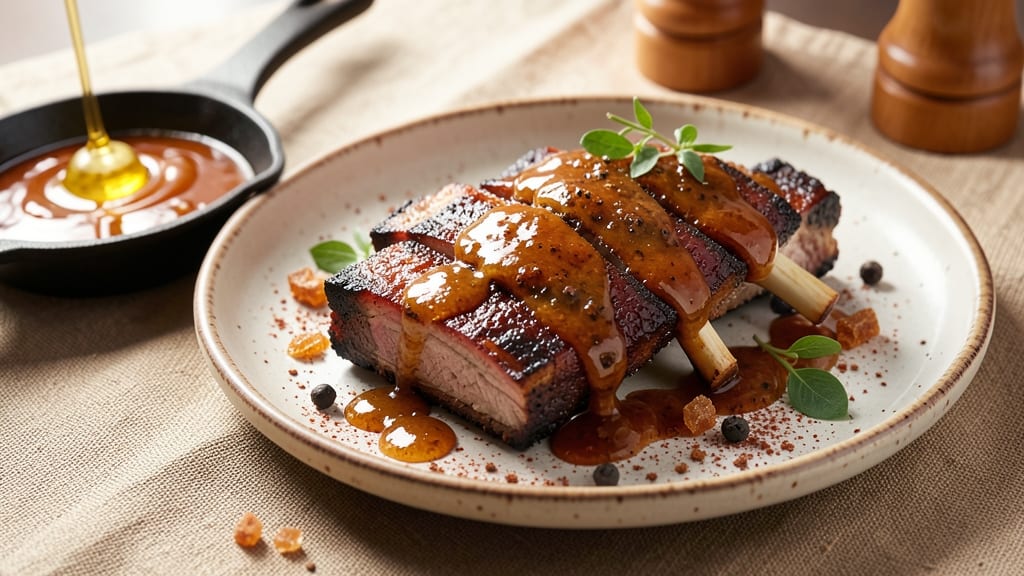
This basting sauce for pork ribs transforms ordinary ribs into showstopping centerpieces with its perfect balance of sweetness and smoky depth. 🔥 After years of perfecting my technique at Atlanta's Smoky Pig, I've developed a glaze that caramelizes beautifully while locking in moisture—no more dry, bark-heavy ribs that fall apart at the touch.
The secret lies in a slow-simmered base of apple cider vinegar and brown sugar that builds complex flavors as it reduces.
The sauce starts with a simple foundation of vinegar, sugar, and spices, but the magic happens when you reduce it to a thick, syrupy consistency. This concentrated flavor bomb clings to every rib, creating that coveted glossy bark while keeping the meat tender underneath.
I've tested this on hundreds of slabs—from baby back to St. Louis style—and it delivers consistent, mouthwatering results every time. The key is patience: letting the sauce reduce slowly ensures it coats properly without overwhelming the ribs' natural flavor.
What sets this apart is how it enhances rather than masks the pork's inherent richness. The vinegar cuts through the fat, the brown sugar caramelizes into a sticky glaze, and the spices add layers of warmth without overpowering.
When you brush this sauce on ribs during the last hour of cooking, you're not just adding flavor—you're creating a visual masterpiece that rivals any competition rib. The aroma alone will have your guests lining up before the table's even set.
Perfect for competition-style cooking or weeknight dinners, this sauce works equally well with smoked, grilled, or oven-baked ribs. The recipe scales effortlessly, so you can make a small batch for a family meal or double it for a crowd.
Once you try this, your ribs will never be the same—promise. Let's get to the recipe where the real magic happens.
Ingredients for basting sauce for pork ribs
Nine simple ingredients transform ribs into competition-worthy masterpieces with sticky-sweet perfection.
| Ingredient | Amount | Notes |
|---|---|---|
| Apple Cider Vinegar 🍏 | ½ cup | Raw, unfiltered preferred |
| Light Brown Sugar 🍚 | 1 cup | Packed firmly for accuracy |
| Pure Maple Syrup 🍁 | ½ cup | Grade B for deeper flavor |
| Smoked Paprika 🌶️ | 1 tbsp | High-quality smoked variety |
| Ground Black Pepper 🌶️ | ½ tsp | Freshly cracked preferred |
| Ground Cinnamon 🌿 | ½ tsp | Ceylon cinnamon for subtle warmth |
| Kosher Salt 🧂 | 1 tsp | Diamond Crystal preferred |
| Fresh Garlic Cloves 🧄 | 4 cloves | Minced finely for depth |
| Extra-Virgin Olive Oil 🫒 | 1 tbsp | For glossy finish |
The apple cider vinegar is non-negotiable here—it cuts through the fat while building that tangy backbone. Bragg or Texas Pete are my go-tos, but any raw, unfiltered vinegar works. Brown sugar is the secret weapon: its molasses content caramelizes beautifully, creating that coveted glossy bark. Domino light brown sugar is my pantry staple, but any light variety packed firmly will do. For the maple syrup, Grade B is ideal—it's richer and more complex than Grade A, though Grade A works in a pinch. The smoked paprika? Penzeys or McCormick smoked varieties have the best depth of flavor—don't skimp on this one.
No smoked paprika? Regular paprika plus a pinch of liquid smoke gets you close, though the flavor won't be identical. Running short on vinegar? Balsamic vinegar at half the amount works, but the flavor profile shifts slightly. The garlic can be roasted for a sweeter note—just toss whole cloves in the oven at 400°F for 10 minutes before mincing. For the olive oil, California avocado oil has a higher smoke point if you're searing the ribs alongside the sauce. And if you're making this ahead, store the dry spices in an airtight container away from light—they lose potency fast once opened.
This sauce keeps beautifully in the fridge for up to 2 weeks in a sealed jar, though it's best used fresh. For long-term storage, freeze it in ice cube trays—just thaw and reheat gently before using. The sauce thickens as it cools, so give it a quick stir and add a splash of water if it gets too stiff. I like to make a double batch: one for immediate use, one to freeze for future rib nights. The aroma alone will have your kitchen smelling like a competition BBQ pit—trust me, it's worth it.
Why You'll Love This Recipe
- Five-Ingredient Magic: This sauce comes together faster than you can preheat the grill. Just toss those pantry staples—vinegar, sugar, maple syrup, and spices—into a pot, simmer until it thickens, and boom. No chopping, no fuss, just pure flavor waiting to happen.
- Smoky-Sweet Obsession: That first brush of sauce? It’s like a hug for your ribs—tangy from the apple cider vinegar cutting through the richness, then this deep, caramelized sweetness from the brown sugar and maple syrup. The smoked paprika adds this just-right smokiness that makes you want to lick the bowl.
- Tailgate or Tuesday: Honestly, this sauce doesn’t care if it’s a backyard BBQ or a lazy weeknight. Slather it on ribs for a crowd, or use half the batch to glaze chicken thighs when you’re craving something sweet-savory but don’t want to pull out the big guns. It’s the kind of sauce that makes you feel like a hero, no matter the occasion.
- Leftovers That Don’t Suck: Between us, most basting sauces turn into a sticky mess after a few days. Not this one. The vinegar keeps it from spoiling fast, and the maple syrup adds natural preservation—so you can make a double batch, store it in the fridge, and still have it ready for next week’s ribs. Plus, it’s cheap enough that you won’t cry if you accidentally use half on toast.
Step-by-step instructions for sticky-sweet pork rib glaze
This sauce transforms simple ribs into showstopping centerpieces—simple to make, big on flavor.
🍳 Step 1: Sauté Garlic Until Fragrant
Heat the 1 tablespoon extra-virgin olive oil in a medium saucepan over medium heat. Add the 4 minced fresh garlic cloves and cook for 30-45 seconds until they're golden and smell heavenly—don't let them brown or they'll turn bitter. Here's the thing: garlic burns fast, so keep an eye on it.
This quick sear unlocks the garlic's natural sweetness and creates a flavor base for the entire sauce. The olive oil adds a subtle richness that balances the tangy-sweet profile we're building. Once fragrant, remove the pan from heat temporarily—we'll return to it in a moment.
🍳 Step 2: Combine Wet Ingredients
Return the pan to medium heat and add the 0.5 cup apple cider vinegar and 1 cup packed light brown sugar. Stir constantly for 2-3 minutes until the sugar dissolves completely and the mixture begins to bubble gently. You'll see the sugar crystals disappear and the liquid turn golden.
Here's where it gets good: the vinegar cuts through the sweetness while adding brightness. The brown sugar's molasses content gives us that deep caramel flavor we want in a great basting sauce. Keep stirring—this prevents burning at the bottom while building our sauce foundation.
🍳 Step 3: Add Spices and Simmer
Reduce heat to low and stir in the 0.5 cup pure maple syrup, 1 tablespoon smoked paprika, 0.5 teaspoon ground cinnamon, 0.5 teaspoon ground black pepper, and 1 teaspoon kosher salt. Simmer uncovered for 8-10 minutes until the sauce thickens to a syrupy consistency that coats the back of a spoon.
Watch for the sauce to reduce by about one-third—it should go from thin to thick enough to cling to ribs when brushed on. The smoked paprika adds that signature BBQ depth, while the cinnamon and black pepper bring warmth and complexity. Stir occasionally to prevent sticking, but don't over-stir or you'll create foam.
🔥 Step 4: Test and Adjust Consistency
Remove the pan from heat and let the sauce cool for 5 minutes. Taste and adjust seasoning—you might need a pinch more salt or cinnamon depending on your preference. The sauce should be sweet but not cloying, with a perfect balance of tangy, smoky, and spicy notes.
If it's too thick for brushing, thin with 1 teaspoon water at a time until it reaches a glossy, paintable consistency. For extra shine, return to low heat for 1 minute to let any added water evaporate. This sauce should stick to ribs like glue while caramelizing beautifully in the oven.
⏰ Step 5: Use Immediately or Store
Use the warm sauce immediately for basting ribs during the last 30-45 minutes of cooking, brushing every 10-15 minutes for maximum flavor absorption. The high heat will make it bubble and caramelize into a glossy glaze. For storage, transfer to an airtight container and refrigerate for up to 2 weeks—reheat gently before using.
Real talk: this sauce is even better the second day because flavors meld overnight. The maple syrup and brown sugar create a perfect balance that enhances the pork's natural sweetness. Brush generously—don't be shy—and watch your ribs transform from good to spectacular.
Pro Tips For Making Basting Sauce For Pork Ribs
- Simmer Vinegar First: That sharp apple cider vinegar smell? It mellows out when you heat it alone for 2-3 minutes before adding the sugar and syrup. I used to toss everything in cold—big mistake. The sauce ends up cloying and one-dimensional. A quick simmer integrates the acid properly, letting the smoked paprika really sing later.
- Use Wet Ingredients: Pack that brown sugar tightly into the measuring cup—don’t scoop. And for the maple syrup, grab the bottle mid-stream to avoid air bubbles. I learned this the hard way when my sauce turned out thin and uneven. Precise measurements here mean a balanced glaze, not a sticky mess.
- Skip the Boil: Once everything’s combined, keep the heat at a gentle simmer—no rolling boil. You’re not making jam here. Boiling burns the sugar fast, leaving a bitter aftertaste that fights with the vinegar’s tang. A low simmer (3-5 minutes) caramelizes just enough for depth without overcooking.
- Strain Before Basting: If you’re using a cheap smoked paprika (or if you’re me, just impatient), strain the sauce through a fine-mesh sieve before applying. That way, you avoid clogging your basting brush or ending up with gritty bits on the ribs. Yes, it’s an extra step—but your ribs will taste smoother for it.
Storing and reheating your leftovers
Refrigerator Storage
Store your basting sauce in an airtight glass jar—I prefer Pyrex with a tight-sealing lid—and keep it refrigerated for up to 2 weeks. The sauce thickens as it cools, so give it a quick stir before using.
I like to make a double batch: one for immediate use and one to refrigerate for future rib nights. The flavors actually deepen overnight, becoming more complex and balanced. 💫
Freezer Preservation
For long-term storage, freeze the sauce in ice cube trays—this makes it easy to grab just what you need. Once frozen, transfer the cubes to a ziplock freezer bag and flatten to save space. Thaw overnight in the fridge before reheating gently on the stovetop.
The sauce maintains its consistency perfectly this way, and you won’t lose any flavor potency. I’ve kept batches for up to 3 months without any quality loss.
Reheating Methods
For stovetop reheating, transfer the sauce to a small saucepan and warm over low heat with 1 tablespoon water until it reaches 165°F. Stir constantly to prevent scorching—this sauce is delicate when cold.
If it thickens too much, add ½ teaspoon water at a time until it reaches a glossy, paintable consistency. Avoid microwaving, as it can make the sauce grainy and lose its silky texture.
Reviving Stored Sauce
If your refrigerated sauce has thickened too much, simply add 1 teaspoon water and warm gently until smooth. For extra shine, return to low heat for 1 minute to evaporate any excess moisture.
I’ve found that reheating the sauce in a light-colored saucepan (like stainless steel) preserves its color better than dark pans, which can cause it to darken prematurely. Always taste and adjust seasoning after reheating—sometimes it needs a pinch more salt or cinnamon.
Sauce Consistency Tips
If your sauce is too thick for brushing, thin it with water—never milk or juice, as they can alter the flavor balance. For extra gloss, add ½ teaspoon extra-virgin olive oil before reheating.
I’ve even used a splash of apple cider vinegar (the same kind used in the recipe) to restore brightness if the sauce tastes flat after storage. The key is patience—rush the reheating, and you’ll compromise the sauce’s signature stickiness and caramelization.
Using Leftover Sauce
Don’t let leftover sauce go to waste! Brush it on cornbread, drizzle over mashed potatoes, or use as a glaze for grilled chicken. I’ve even mixed it into BBQ beans for a sweet-smoky twist.
The sauce’s versatility makes it a pantry staple—just store it properly, and you’ll always have a flavor boost ready. Trust me, you’ll find creative ways to use every last drop. 🔥
Nutrition facts
Frequently asked questions
Can I make this basting sauce ahead of time?
This sauce actually tastes better the next day as flavors meld. Store it in an airtight glass jar for up to 2 weeks in the fridge. For long-term storage, freeze in ice cube trays—just thaw overnight before using. The sauce thickens when cold, so stir and thin with water if needed before brushing on ribs.
How often should I brush the sauce on ribs?
Brush every 10-15 minutes during the last 45 minutes of cooking for maximum flavor absorption. The sauce needs time to caramelize and stick to the meat. Avoid brushing too early—it can make ribs soggy before they develop that perfect bark.
What if my sauce gets too thick?
Thin with 1 teaspoon water at a time until it reaches a glossy, paintable consistency. Never use milk or juice—it alters the flavor balance. For extra shine, add ½ teaspoon olive oil before reheating. The sauce should coat ribs like glue while still being easy to brush on.
Can I use this sauce on other meats?
Yes! It works beautifully on grilled chicken, pulled pork, or even cornbread as a glaze. The key is adjusting cooking times—brine meats first for best results. For chicken, reduce brushing time to 20-30 minutes to prevent overcooking. The sauce's versatility makes it a pantry staple!
Why does my sauce taste flat after storage?
Stored sauce sometimes loses brightness. Revive it by adding 1 teaspoon apple cider vinegar and reheating gently. The vinegar restores tanginess while preserving the sweet-spice balance. Always taste and adjust salt/cinnamon after reheating—storage can concentrate flavors differently. Patience is key to restoring that competition-worthy depth!