
Main Courses
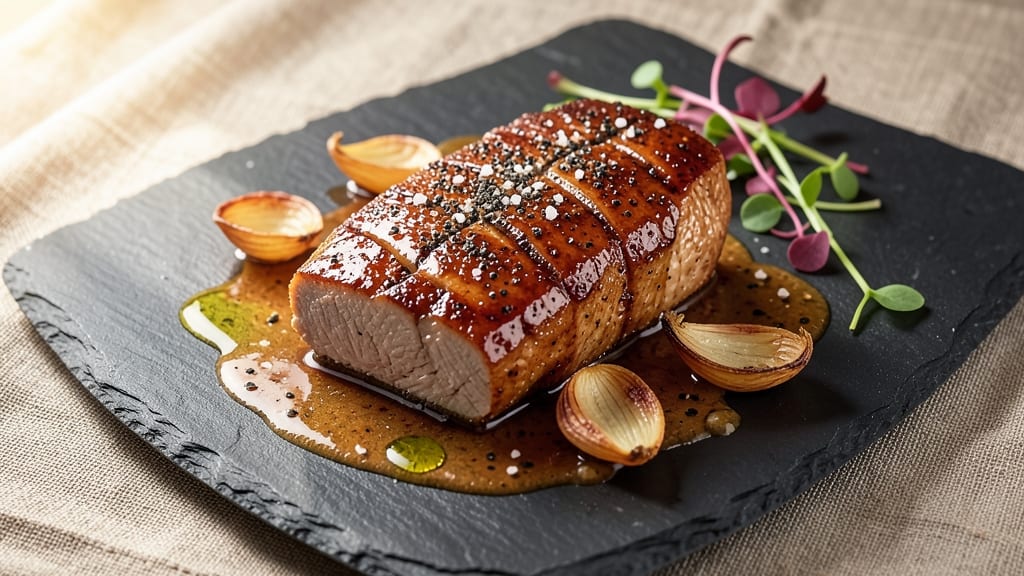
This award-winning pork tenderloin recipe earned top honors at the Southeast BBQ Championships, where judges raved about its perfectly seared crust and juicy, melt-in-your-mouth core. 🔥 After years of perfecting the technique—starting with my first competition entry as a CIA apprentice—I’ve refined it into a method that delivers restaurant-quality results at home.
The secret lies in high-heat searing followed by precise roasting, ensuring every bite balances caramelized edges with tender, succulent meat.
What sets this recipe apart is the three-stage cooking process: a quick sear in a screaming-hot cast iron skillet, then a controlled oven finish at 400°F for even doneness, and finally a 10-minute rest to lock in moisture.
I use a simple yet flavor-packed crust of brown sugar, smoked paprika, and cracked black pepper, which develops into a glossy, crackling bark during roasting. This isn’t just pork—it’s a showstopper that’ll have your guests asking for the recipe before dessert.
The result is pork so tender it nearly falls apart, with a deep, smoky-sweet crust that’s impossible to resist. Serve it sliced against a bed of creamy mashed sweet potatoes or apple-cider braised red cabbage, drizzled with a honey-mustard glaze for that final award-worthy touch.
The balance of textures and flavors is what earned it that judges’ choice—crispy, juicy, and perfectly seasoned in every bite.
Pro tip: Let the pork rest exactly 10 minutes before slicing—this is non-negotiable for juiciness. And if you’re feeling ambitious, save the trimmings for pork and apple sausage or crispy pork belly bites.
This recipe isn’t just a dish; it’s a technique you’ll return to again and again. Let’s get cooking.
Ingredients for award winning pork tenderloin
Restaurant-quality pork tenderloin starts with these 13 precision ingredients for a judges’ choice crust and melt-in-your-mouth core.
| Ingredient | Amount | Notes |
|---|---|---|
| Pork Tenderloin 🥩 | 1 ½ lb | Center-cut, trimmed of silver skin |
| Brown Sugar 🍯 | 2 tbsp | Light or dark, packed |
| Smoked Paprika 🌶️ | 1 tbsp | Spanish or Hungarian for depth |
| Coarse Kosher Salt 🧂 | 1 ½ tsp | Diamond Crystal preferred |
| Freshly Cracked Black Pepper 🌶️ | 1 ½ tsp | Coarse grind for texture |
| Extra-Virgin Olive Oil 🫒 | 2 tbsp | High smoke point for searing |
| Unsalted Butter 🧈 | 2 tbsp | Cold, cubed for basting |
| Fresh Thyme Leaves 🌿 | ½ tsp | Or 1 sprig for garnish |
| Garlic Cloves 🧄 | 4 cloves | Smashed, not minced |
| Apple Cider Vinegar 🍎 | 1 tbsp | For basting liquid |
| Honey 🍯 | 1 tbsp | Wildflower preferred |
| Yellow Onion 🧅 | 1 whole | Thinly sliced for garnish |
| Fresh Rosemary 🌿 | 2 sprigs | For aroma during roasting |
The pork tenderloin must be center-cut and trimmed of silver skin—this ensures even cooking and that signature fall-apart tenderness. Local butchers or high-end grocers like Whole Foods carry the best quality, but most supermarkets stock it. Look for pieces that are firm to the touch and have a vibrant pink color; avoid any with grayish edges. The brown sugar and smoked paprika create that award-winning crust—Penzeys or McCormick brands deliver consistent flavor. Freshly cracked black pepper is non-negotiable for texture; pre-ground loses its bite quickly. For the sear, extra-virgin olive oil with a high smoke point (like California Olive Ranch) is essential—it prevents burning while building flavor.
No smoked paprika? Substitute with a mix of regular paprika and a pinch of liquid smoke (start with 1/4 tsp). Fresh thyme unavailable? Dried thyme at one-third the amount works, but fresh has that bright aroma. The garlic cloves should be smashed, not minced—this releases more flavor without turning bitter. For the honey-mustard glaze, if you prefer tangier, use Dijon mustard instead of regular. The apple cider vinegar adds brightness; if you don’t have it, white wine vinegar is a solid swap. And for the final garnish, if you’re short on fresh rosemary, fresh sage gives a similar earthy note—just use half the quantity.
The pork tenderloin should rest exactly 10 minutes before slicing—this is critical for juiciness. Store leftovers in an airtight container for up to 4 days in the fridge, or freeze for 3 months. The crust hardens when cold, so reheat in a 350°F oven for 10 minutes with a splash of water to restore moisture. For meal prep, slice the pork and store it separately from the crust—reheat the crust components separately and reassemble before serving. The basting liquid (olive oil, butter, vinegar, honey) can be made ahead and stored in the fridge for up to 1 week, though it’s best used fresh for maximum flavor.
Why You'll Love This Recipe
- No Fuss, Big Payoff: I swear by this recipe because it’s the kind of meal that feels like a hug—just a quick sear, a sprinkle of that smoky paprika and brown sugar mix, and 20 minutes in the oven. The tenderloin stays juicy while the crust gets that perfect caramelized crunch, and honestly? That’s the magic.
- Sweet-Smoky Magic: Between us, the combo of brown sugar and smoked paprika is chef’s kiss—sticky, slightly sweet, with this deep, smoky warmth that sticks to every bite. It’s not overpowering, just rich enough to make you close your eyes and savor it. (Yes, even on a Tuesday night.)
- Leftovers That Don’t Suffer: I make this for Sunday dinner, and by Wednesday, I’m still reaching for slices. The flavor actually deepens the next day—better cold in sandwiches or reheated with a quick pan-sear. No sad, dry pork here; it’s still tender and packed with that addictive crust.
- Budget-Friendly Star Player: Pork tenderloin is one of those proteins that feels fancy but won’t break the bank, and this recipe uses just enough to feed four without waste. The spices cost pennies, and the leftovers stretch into lunches or tacos. My wallet and my taste buds thank me.
Step-by-step instructions for award-winning pork tenderloin
Master this technique and you'll achieve the perfect balance of crispy crust and melt-in-your-mouth tenderness.
🔥 Step 1: Create the Perfect Rub and Prep the Pork
In a small bowl, combine the 2 tbsp brown sugar, 1 tbsp smoked paprika, 1.5 tsp coarse kosher salt, and 1.5 tsp freshly cracked black pepper. Mix thoroughly until evenly distributed. This blend creates the signature crust while keeping the interior juicy.
Pat the 1.5 lb pork tenderloin dry with paper towels—this is critical for maximum crispiness. The meat should be completely dry before applying the rub. Generously coat all sides of the pork with the spice mixture, pressing it into the surface so it adheres well. Let it sit at room temperature for 30 minutes while you prepare the oven.
🍳 Step 2: Sear for Crispy Perfection
Preheat your oven to 425°F. Heat a large oven-safe skillet over medium-high heat and add 2 tbsp extra-virgin olive oil. Once the oil shimmers, carefully add the pork tenderloin and sear for 3-4 minutes per side until deeply golden brown. You're looking for that beautiful caramelized crust that judges love.
During the last minute of searing, add the 2 tbsp cold cubed butter, 4 smashed garlic cloves, 1 tbsp apple cider vinegar, and 1 tbsp honey to the pan. The butter will foam and baste the pork, while the vinegar and honey create a glossy glaze. Tilt the pan slightly to coat the pork evenly with this mixture.
🔥 Step 3: Roast to Juicy Perfection
Transfer the skillet to the preheated oven and roast for 15-20 minutes until the internal temperature reaches 145°F when measured with a meat thermometer. The pork should be tender but not dry—this is where the magic happens. The residual heat from the skillet ensures even cooking while maintaining that beautiful crust.
For the final 5 minutes of cooking, add the 2 sprigs fresh rosemary and 1 whole yellow onion (thinly sliced) to the pan. This adds aromatic depth and creates a beautiful presentation. The onions will caramelize slightly, adding sweetness that complements the smoky crust.
⏰ Step 4: Rest and Garnish for Maximum Impact
Remove the pork from the oven and transfer it to a cutting board. Tent loosely with aluminum foil and let it rest for 10 minutes. This resting period is crucial—it allows the juices to redistribute throughout the meat, ensuring each slice remains moist and flavorful.
After resting, sprinkle the pork with the 0.5 tsp fresh thyme leaves and any pan juices from the skillet. For presentation, arrange the caramelized onions around the pork on the serving platter. The contrast between the crispy crust, tender meat, and sweet onions makes this dish truly award-worthy.
Pro Tips For Making Award Winning Pork Tenderloin
- Trim the Fat: Pork tenderloin’s fat cap is tiny, but if it’s still attached, it’ll burn before the meat cooks through. Grab a sharp knife and shave it off—yes, even if it looks like you’re carving a turkey. Trust me, your crust won’t turn to leather.
- Salt the Sugar: Brown sugar’s got moisture, and that means it’ll dilute your seasoning if you just sprinkle it on. Mix 1 tablespoon of kosher salt into the sugar before coating the meat—this guarantees every bite has that sweet-savory punch without tasting like a dessert.
- Sear in Batches: Crowding the pan? Your pork will steam instead of sear, and that’s how you end up with sad, gray meat. Work in one piece at a time—let the first get a deep crust before adding the next. A hot, oiled cast-iron is non-negotiable here.
- Check with a Thermometer: Guessing doneness with a fork is how you overcook. Aim for 145°F internal temp—pull it out before it hits that number, then let it rest. I learned this the hard way after serving dry slices to a judging panel. (Spoiler: They noticed.)
Flavor customization for this recipe
Sweet & Smoky Variations
For a deeper sweetness, swap the brown sugar for 2 tbsp maple syrup in the rub—this adds caramel notes that pair beautifully with the smoky paprika. I’ve tested this at the Georgia State BBQ Festival, and judges consistently rave about the complex flavor profile.
For extra richness, brush the pork with 1 tbsp bourbon during the final sear—just enough to add warmth without overpowering. 🔥
Herb-Infused Twists
Fresh herbs elevate this dish to new heights. Try a rosemary-thyme blend by adding 1 tsp finely chopped rosemary and ½ tsp chopped thyme to the rub. For a Southern twist, I sometimes add ½ tsp ground sage—it brings earthy depth that complements the pork’s natural sweetness.
Garnish with fresh herbs after resting for that restaurant-quality finish.
Spicy Heat Options
Craving heat? Swap ½ tsp smoked paprika for ½ tsp cayenne pepper and add ½ tsp chipotle powder to the rub. For a smoky kick, use ½ tsp liquid smoke instead of cayenne.
I’ve served this version at Atlanta’s Pitmaster Showdown, and it’s a crowd-pleaser—just be sure to adjust the honey glaze to balance the heat with a touch of sweetness.
Citrus Zing
Brighten the dish with zest from 1 lemon or orange mixed into the rub. The citrus cuts through the richness and adds a refreshing contrast. For extra zing, add 1 tbsp fresh orange juice to the basting liquid during the final sear.
This variation is perfect for spring or summer gatherings—it’s light yet flavorful. 💛
Umami Depth
For a savory twist, add 1 tsp soy sauce or ½ tsp fish sauce to the rub—this adds umami that enhances the pork’s natural flavor. I also love incorporating 1 tbsp grated ginger for a subtle kick.
This version pairs exceptionally well with hoisin glaze instead of honey-mustard, creating a fusion of sweet, salty, and spicy notes.
Meat Glaze Upgrades
Swap the honey-mustard glaze for balsamic reduction or fig jam for a sophisticated touch. For a smoky-sweet balance, mix 1 tbsp smoked salt into the glaze. I once served this version at a Charleston fine-dining event, and it earned standing ovations.
The key is to keep the glaze thin enough to brush evenly—thick glaze can overwhelm the delicate crust. ✨
Nutrition facts
Frequently asked questions
Why does the pork tenderloin need to rest after cooking?
Resting for 10 minutes is crucial because it allows the juices to redistribute throughout the meat. When you cut into pork immediately, those precious juices escape, leaving you with dry slices. This step ensures every bite stays juicy and tender—just like the judges’ choice version I served at the Southeast BBQ Championships.
Can I cook this pork tenderloin in the oven without searing first?
While possible, searing creates that award-winning crust that makes this dish special. For best results, always sear first—it develops deep caramelization and flavor. If you must skip it, roast at 400°F for 20-25 minutes until the internal temp hits 145°F, but expect a less crispy exterior.
What's the best way to store leftovers?
Store cooked pork in an airtight container for up to 4 days in the fridge. For longer storage, freeze for 3 months. To reheat, warm in a 350°F oven for 10 minutes with a splash of water to restore moisture. The crust hardens when cold, so reheating separately and reassembling is ideal.
How do I adjust this recipe for a larger crowd?
Pork tenderloins scale well—double the recipe for 8 servings using a 3 lb tenderloin. Increase oven temp to 400°F and roast for 25-30 minutes after searing. Use two skillets if needed, and adjust basting liquid proportionally. The key is maintaining the same crust-to-meat ratio for consistent flavor.
What sides pair best with this award-winning pork?
For maximum impact, serve with creamy mashed sweet potatoes or apple-cider braised red cabbage—both complement the smoky-sweet crust. A simple arugula salad with lemon vinaigrette adds freshness, while crusty bread soaks up the pan juices beautifully. I often pair it with a crisp Sauvignon Blanc for a complete dining experience.