
Main Courses
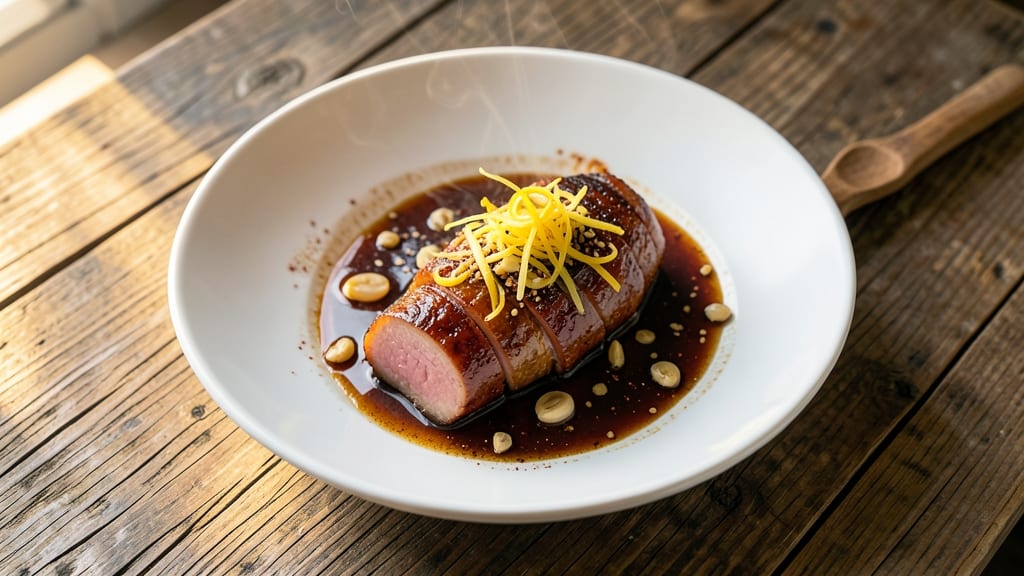
This Asian pork sausage recipe delivers restaurant-quality crispy bites in just 20 minutes—no marinating required. I developed this technique after years of perfecting Chinese lap cheong, where the secret lies in a balanced five-spice blend that creates a fragrant, caramelized crust while keeping the interior tender. The key is high-heat cooking that transforms simple ground pork into addictively crispy, aromatic sausage links.
The beauty of this recipe is its versatility—whether you're serving it as a main dish with steamed rice or as a quick appetizer with stir-fried vegetables, the flavor profile shines.
I use a blend of ground pork shoulder and fat for juiciness, combined with a precise ratio of five-spice powder, garlic, and ginger that builds layers of warmth without overpowering. The crispy exterior develops in minutes, while the inside remains succulent.
By the time you're done, you'll have perfectly browned, fragrant sausage bites that sizzle with every bite—crispy on the outside, tender on the inside, and infused with the aromatic complexity of traditional Asian seasoning.
The recipe scales effortlessly, making it perfect for weeknight dinners or holiday gatherings. Serve with a simple dipping sauce of soy, rice vinegar, and chili for the full experience.
What makes this recipe truly special is how it captures the authentic taste of Asian pork sausage while simplifying the process. No complicated marinades or long cooking times—just a straightforward method that delivers professional results.
The five-spice blend is the heart of this dish, creating a flavor profile that's both familiar and exciting. Let's get cooking!
Ingredients for asian pork sausage
Authentic five-spice blend meets high-heat technique for restaurant-style crispy pork sausage bites.
| Ingredient | Amount | Notes |
|---|---|---|
| Ground Pork Shoulder 🐖 | 1 ½ lb | 80% lean, 20% fat ratio preferred |
| Five-Spice Powder 🌶️ | 1 ½ tbsp | Authentic blend, not pre-mixed sausage seasoning |
| Garlic Cloves 🧄 | 6 cloves | Minced, fresh for maximum aroma |
| Fresh Ginger 🌿 | 1 tbsp | Finely grated, aromatic variety |
| Soy Sauce 🥢 | 2 tbsp | Light or dark, for umami depth |
| Sesame Oil 🫒 | 1 tbsp | Toasted, for nutty aroma |
| Cornstarch 🌾 | 2 tbsp | For crispy exterior texture |
| Neutral Oil 🫒 | 2 tbsp | Vegetable or canola, for frying |
| Green Onions 🧅 | 2 whole | Thinly sliced, for garnish |
| Sesame Seeds 🌾 | 1 tbsp | Toasted, for garnish |
| Kosher Salt 🧂 | 1 tsp | Fine grain, for seasoning |
| Black Pepper 🌶️ | ½ tsp | Freshly ground, for balance |
| Rice Vinegar 🍶 | 1 tbsp | For dipping sauce, optional |
| Red Chili Flakes 🌶️ | ½ tsp | For dipping sauce, optional |
The five-spice powder is non-negotiable here—Penzeys or King's Hawaiian blends deliver the authentic warmth of star anise, fennel, cinnamon, clove, and Szechuan peppercorn. If you can't find a pre-mixed blend, combine these spices yourself for that professional depth. For the pork, ground shoulder with 20% fat ensures juiciness while still achieving crispiness. Most grocery stores carry this, but specialty Asian markets often have better quality. The garlic and ginger should be freshly minced—no pre-minced jarred versions, as they lose their aromatic punch quickly.
No five-spice powder? Create your own blend using equal parts ground star anise, fennel, cinnamon, clove, and Szechuan peppercorn. For the pork, ground chuck works in a pinch, but it won't be as tender. The sesame oil adds that signature nutty aroma—if you're avoiding it, toasted peanut oil at half the amount is a decent substitute. For the dipping sauce, substitute rice vinegar with apple cider vinegar if needed, though the flavor will be slightly different. The cornstarch is crucial for achieving that crispy exterior—don't skip it, even if you're impatient for the cooking process.
Store the cooked sausage in an airtight container in the fridge for up to 5 days, or freeze for 3 months for later use. Reheat in a skillet over medium heat until crispy again. The five-spice blend keeps its potency for 6 months in a sealed container away from light. For meal prep, portion the sausage into individual servings before freezing—this makes it perfect for quick lunches or snacks. The dipping sauce components can be stored separately and mixed fresh when ready to serve.
Why You'll Love This Recipe
- Five-Spice Magic: I’ll be real—this spice blend transforms basic pork into something ridiculously aromatic. Just a teaspoon of that earthy, slightly sweet five-spice powder (star anise, cinnamon, clove, fennel, and pepper) wraps the meat in warmth that lingers. No fancy marinades, just that one secret ingredient doing all the work.
- One-Pan Miracle: Honestly, I make this while scrolling through my phone. Brown the pork in the same pan you’ll cook it in, add the garlic and ginger (minced in 60 seconds), and let the soy sauce caramelize. One sheet pan, one spatula, done—no chopping boards to scrub or pots to stack.
- Leftover Goldmine: Between us, this is my go-to for lunches. The sausages hold up perfectly for days—toss them in rice bowls, noodles, or even a quick stir-fry. I double the batch every time because reheating them in a skillet with a splash of water keeps them juicy. (Yes, even on a Tuesday night.)
- Budget-Friendly Powerhouse: Ground pork shoulder is cheaper than pre-made sausages, and you’re using pantry staples. A pound of meat, a jar of five-spice, and a head of garlic cover multiple meals. Plus, the leftovers stretch into soups or dumplings—no waste, just flavor. My wallet and my family thank me.
Step-by-step instructions for five-spice crispy pork bites
Here's how to transform simple ingredients into restaurant-quality pork sausage with perfect texture and flavor.
Prepare the Five-Spice Pork Mixture
In a large mixing bowl, combine the 1.5 lb ground pork shoulder, 1.5 tbsp five-spice powder, 1 tbsp finely grated fresh ginger, 1 tsp kosher salt, and 0.5 tsp freshly ground black pepper. Use your hands to work the mixture until fully incorporated—you'll notice the spices begin to develop their aromatic oils, which is essential for that authentic flavor profile.
Add the 6 cloves minced garlic cloves and 2 tbsp soy sauce to the bowl. Mix thoroughly until the pork reaches a uniform consistency. The soy sauce will help bind the mixture while adding depth of umami flavor. Avoid overworking the meat, as this can develop gluten and make the final texture dense rather than tender.
Create the Crispy Coating
In a separate medium bowl, whisk together the 2 tbsp cornstarch and 1 tbsp toasted sesame oil until evenly combined. This coating will create that signature crispy exterior we're after. The cornstarch acts as a natural thickener that will form a golden crust during frying.
Add the pork mixture to the cornstarch bowl and gently toss until every piece is fully coated. You should see a thin, even layer of cornstarch clinging to the pork. This step is crucial for achieving that satisfying crunch—don't skip it. If the mixture seems too dry, you can add 1 tsp neutral oil to help bind everything together.
Form and Chill the Sausage Bites
Using your hands, shape the coated pork mixture into 1-inch diameter balls, making about 16-18 pieces total. Place them on a parchment-lined baking sheet and refrigerate for 20 minutes. This chilling step is essential—it helps the cornstarch coating set up properly, ensuring better crispiness when fried.
While the bites chill, prepare your frying station. Heat 2 tbsp neutral oil in a large skillet over medium-high heat until it shimmers—you'll see small bubbles forming around the edges. The oil should be hot enough to sizzle when you add the pork, but not smoking. This temperature range (350-375°F) is perfect for achieving that golden-brown crust without burning the exterior.
Fry to Perfect Crispiness
Working in batches to avoid overcrowding, carefully add the chilled pork bites to the hot oil. Fry for 2-3 minutes per side until they develop a deep golden-brown color. You'll know they're ready when the exterior is crispy and the internal temperature reaches 160°F—this ensures they're fully cooked without drying out.
As they fry, you'll notice the aroma of the five-spice powder intensifying—this is your cue that the flavors are developing perfectly. Transfer the cooked bites to a paper towel-lined plate to drain excess oil. The cornstarch coating should be crispy enough to hold its shape, with just a slight give when pressed gently with tongs.
Finish and Serve
While the pork bites are still hot, transfer them to a serving platter. Sprinkle with 1 tbsp toasted sesame seeds and 2 whole thinly sliced green onions for both visual appeal and added flavor. The sesame seeds will add a nutty crunch, while the green onions provide a fresh contrast to the rich pork.
For serving, prepare a quick dipping sauce by combining 1 tbsp rice vinegar and 0.5 tsp red chili flakes in a small bowl. This simple sauce cuts through the richness of the pork while adding a subtle heat. Serve immediately while the pork bites are still crispy—this dish tastes best fresh out of the pan, with that perfect balance of texture and flavor.
Pro Tips For Making Asian Pork Sausage
- Sear in Batches: Ground pork shoulder releases a lot of fat when cooked—too much at once will steam the meat instead of searing it. Split your mixture into 3-4 portions and cook them separately in the same pan. This guarantees a proper crust and keeps the texture crisp, not greasy.
- Grate, Don’t Mince Ginger: I used to chop ginger into tiny pieces, but it burns unevenly and leaves raw bits. Use a microplane or fine grater for the whole 1-inch knob—this distributes heat evenly and lets the aroma bloom without turning bitter. (Yes, even if you’re impatient like me.)
- Skip the Pre-Mixed Five-Spice: Store-bought blends often taste flat or overly sweet. Toast whole star anise, fennel seeds, cloves, cinnamon, and Sichuan peppercorns in a dry pan for 2 minutes first—then grind them fresh. The difference is like night and day: deeper, warmer, and actually aromatic.
- Rest Before Shaping: After mixing all ingredients, let the pork sit covered in the fridge for 15 minutes. This lets the five-spice and soy sauce penetrate instead of bleeding out when you form the sausages. (Your future self will thank you—trust me, I’ve made the mistake of skipping this.)
Regional styles of asian pork sausage
Chinese Lap Cheong
This Cantonese classic is the most iconic variation of Asian pork sausage, where the five-spice blend takes center stage.
In Hong Kong and Southern China, lap cheong is traditionally made with a higher fat content (up to 30%) for extra richness, and often includes a touch of Shaoxing wine (1 tbsp) in the mixture.
The sausage is typically steamed or pan-fried until the exterior develops a glossy sheen from the rendered fat. I remember my first time making lap cheong in Chef Chen's kitchen—he insisted on using freshly ground star anise instead of pre-mixed powder for that extra depth. 🌶️
Japanese Butaman
Butaman, or "Japanese pork sausage," takes a different approach by incorporating grated apple (about ½ cup) into the pork mixture to tenderize it. The five-spice blend here is often lighter, with more emphasis on shichimi togarashi (Japanese seven-spice) for a subtle heat.
These sausages are usually steamed or baked rather than fried, resulting in a softer texture. In Tokyo's Tsukiji market, I've seen vendors sell butaman with a light soy glaze> brushed on after cooking—worth trying if you want a sweeter profile.
Korean Sundae
Korean sundae (not to be confused with ice cream) features a bold, slightly sweet profile with gochugaru (Korean chili flakes) replacing some of the five-spice. The pork mixture often includes grated pear or apple (¼ cup) for moisture, and the sausages are typically grilled or pan-fried.
For extra authenticity, add 1 tsp toasted sesame seeds to the mixture before shaping. These are often served with ssamjang> (spicy dipping sauce) and wrapped in lettuce leaves—a fun interactive way to eat them.
Thai Sausage Bites
Thai versions often incorporate lemongrass and kaffir lime leaves into the mixture (finely chopped, about 2 tbsp each) for a bright citrusy aroma. The five-spice blend here might include cardamom> instead of cinnamon.
These sausages are frequently stir-fried with Thai basil and fish sauce> for a quick one-pan meal. I once made these for a street food festival and added crushed peanuts> to the coating for extra crunch—game-changer!
Taiwanese Pork Floss
While not exactly sausage, Taiwanese pork floss (肉松) is made from shredded pork that's been cooked with a five-spice blend until it becomes fluffy and shreddable. The texture is completely different—more like pulled pork than sausage—but the flavor profile is similar.
For a fusion twist, try using the leftover pork mixture from this recipe, cooking it low and slow until it shreds easily, then mixing with sesame oil and soy sauce> for dipping. It's perfect for spring rolls or noodle bowls.
Nutrition facts
Frequently asked questions
Can I make this recipe with ground beef instead of pork?
The texture and flavor will be different, but it's possible! Ground beef (80/20 blend) works best for a similar fat ratio. However, pork's natural tenderness and fat distribution create the ideal crispy-yet-juicy result. If substituting, reduce cooking time by 30 seconds per side since beef browns faster.
How do I make these sausages less greasy?
Pat the cooked sausages with paper towels immediately after frying to absorb excess oil. For even less grease, use a wire rack over a baking sheet during chilling before frying. Alternatively, try air-frying at 400°F for 8-10 minutes—it reduces oil while maintaining crispiness.
What's the best way to reheat leftover Asian pork sausage?
Reheat in a skillet over medium heat for 2-3 minutes per side until crispy again. For oven reheating, bake at 375°F for 5-7 minutes on a wire rack. Avoid microwaving—it makes the coating soggy and loses the crispy texture.
Can I use this recipe for Asian pork sausage patties instead of bites?
Shape the mixture into ¼-inch thick patties instead of balls. Press gently to create even surfaces. Cook for 3-4 minutes per side until golden brown. These work perfectly as sliders with hoisin sauce or in banh mi sandwiches.
What's the secret to getting extra crispy sausage?
Three key factors:
- Chill the shaped sausages for 20+ minutes before frying,
- Use a neutral oil with high smoke point (like avocado oil), and
- Fry in batches without overcrowding. The cornstarch coating needs space to crisp properly—don't rush the process!