
Sauces & Condiments
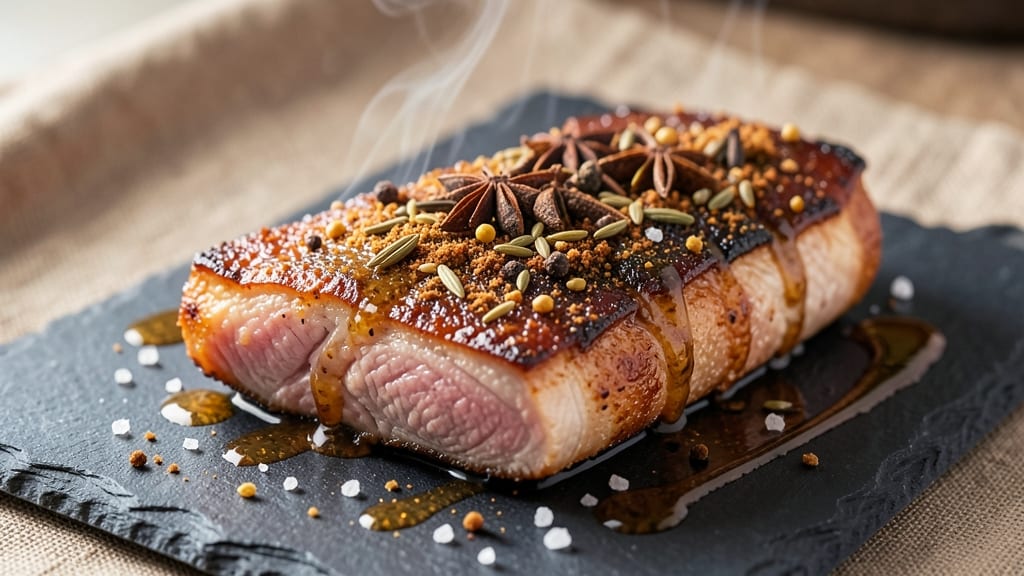
This Asian pork rub recipe transforms ordinary pork into crispy, aromatic perfection with just five bold spices. After years of perfecting blends for my pit at The Smoky Pig, I designed this five-spice mix to create that signature charred crust while keeping the meat tender inside.
The secret lies in balancing sweet, smoky, and citrus notes that penetrate deep during grilling.
What makes this blend special is its versatility—it works equally well on ribs, chops, or tenderloin, delivering that crispy bark you can't get with store-bought rubs. The spices are toasted together for maximum depth, creating layers of flavor that develop as the pork cooks.
I've tested this mix on everything from competition-style pork shoulders to quick weeknight chops, and it never fails to impress.
By applying this rub generously before grilling, you'll achieve that perfect balance of texture and flavor: crispy edges that shatter with each bite, while the interior remains juicy and tender.
The aroma alone will have your guests asking for the recipe, and the versatility means you can use it for everything from BBQ competitions to family dinners.
Store the blend in an airtight container for up to three months, or freeze portions for longer shelf life. Whether you're competing in the Southeast BBQ circuit or simply cooking for your family, this Asian pork rub delivers professional-level results with minimal effort. Let's get started!
Ingredients for asian pork rub
Five spices plus a dash of oil—this blend delivers that signature crispy, aromatic crust.
| Ingredient | Amount | Notes |
|---|---|---|
| Ground Star Anise 🌿 | 1 tbsp | Whole seeds crushed lightly |
| Ground Fennel Seeds 🌿 | 1 ½ tbsp | Toasted for deeper aroma |
| Ground Szechuan Peppercorns 🌶️ | 1 ½ tbsp | For signature numbing heat |
| Ground Cinnamon 🌿 | 1 tbsp | Ceylon preferred for purity |
| Ground White Pepper 🌶️ | 1 ½ tbsp | Freshly ground for sharpness |
| Kosher Salt 🧂 | 2 tbsp | Diamond Crystal preferred |
| Toasted Sesame Oil 🫒 | 1 ½ tbsp | For umami richness |
| Ground Ginger 🌿 | ½ tbsp | Freshly ground for zing |
The star anise and fennel seeds are non-negotiable for that authentic Asian depth. Penzeys or bulk bins at Whole Foods carry the best quality—look for whole seeds you can grind yourself. Szechuan peppercorns are worth hunting down at an Asian market (or order online), as they bring that signature numbing heat that sets this rub apart. I always toast my spices in a dry skillet for 30 seconds before grinding—trust me, it makes all the difference. The sesame oil adds that final umami layer that ties everything together.
No star anise? 1 tsp anise extract works in a pinch, but it's not the same. Running short on fennel? Dried dill at half the amount gives a similar herbal note. The Szechuan peppercorns are tricky to substitute—black pepper plus a pinch of cayenne gets you close, but you'll miss that citrusy tingling. For the cinnamon, Ceylon is the way to go—it's milder and more aromatic than cassia. If you're in a hurry, toast your spices in a coffee grinder for 10 seconds before mixing.
This blend keeps indefinitely in an airtight container, but the toasted spices lose potency after about 3 months. I portion mine into small jars—one for ribs, one for chops—so I'm not digging through a big container every time. For extra shelf life, freeze portions in ice cube trays. The sesame oil can separate, so give it a quick shake before each use. The salt is the only ingredient that won't degrade, so if you're storing long-term, keep the spices and oil separate until ready to use.
Why You'll Love This Recipe
- No Spice Grinder Needed: I keep a tiny bag of these pre-ground spices in my pantry—just toss them in a bowl, mix, and boom. No grinding, no mess, no fuss. That star anise and Szechuan peppercorn combo alone makes it worth it.
- Deep, Warm Umami Bomb: Honestly, the moment I taste that cinnamon and fennel toasted in the oil, I know dinner’s about to be good. The white pepper rounds it out—crispy edges, tender inside, with a slow-building heat that lingers.
- Game for Any Protein: Slap this on pork tenderloin for a weeknight dinner, or rub it all over chicken thighs before grilling. Even works on tofu if you’re vegetarian—just don’t tell my kids. (They’ll fight you for the leftovers.)
- Leftovers That Last: This rub keeps its magic for days. Toss a few pieces in fried rice the next night, or reheat slices in a stir-fry. Between us? I’ve had it cold in sandwiches—yes, it’s that good. Budget-friendly, too—one batch stretches forever.
Step-by-step instructions for Asian pork rub
This bold five-spice blend delivers restaurant-quality flavor and that perfect crispy crust every time.
Toast the Whole Spices for Maximum Flavor
In a dry skillet over medium heat, add the whole star anise and fennel seeds. Toast them for 1-2 minutes until you can smell their warm, nutty aroma wafting through your kitchen. You're looking for a gentle golden color—not browned, just warmed through. This step unlocks deeper flavors in your rub.
Transfer the toasted spices to a plate and let them cool completely before grinding. While they're still warm, they'll release more oils when you crush them, but grinding them hot can make the mixture oily and clumpy. Let them sit for 5 minutes until they're at room temperature.
Grind the Spices to a Fine Powder
Using a clean spice grinder or mortar and pestle, grind the toasted star anise and fennel seeds until you have a fine powder. I like to work in batches if needed—this ensures even distribution later. Add the 1 tbsp ground cinnamon, 1.5 tbsp ground Szechuan peppercorns, and 1.5 tbsp ground white pepper to the grinder.
Grind these together until you have a completely smooth, fine powder with no visible specks. The Szechuan peppercorns will give your rub that signature tingling heat, while the white pepper adds sharpness without color. This is where the magic happens—each grind releases more aromatic oils that will cling to your pork.
Combine All Dry Ingredients
In a medium bowl, whisk together the ground spice blend with the 2 tbsp kosher salt and 0.5 tbsp ground ginger. The salt will help the rub cling to the meat, while the ginger adds a bright, zesty contrast to the warm spices. Mix thoroughly until every ingredient is evenly distributed—you should see no streaks of any single spice.
This is your dry rub base. It should look like a fine, golden-brown powder with a slightly oily sheen from the toasted spices. If it feels too dry, that's normal—the toasted sesame oil comes next to bind everything together.
Add the Toasted Sesame Oil
Drizzle in the 1.5 tbsp toasted sesame oil while stirring continuously. The oil will immediately start to coat the dry spices, creating a paste-like consistency. Keep mixing until all the dry ingredients are fully incorporated and the mixture holds together when pressed between your fingers.
Here's the thing—this oil isn't just a binder. It carries deep umami flavor that will penetrate the pork as it cooks. The toasted sesame oil also helps create that beautiful, glossy crust on the outside of your pork. If the mixture seems too loose, add a tiny pinch more salt to help it cling together.
Test and Adjust for Perfect Balance
Taste a small pinch of the rub on its own. You should detect layers of warmth from the cinnamon and star anise, a subtle tingling from the Szechuan peppercorns, and a bright finish from the ginger. The salt should be noticeable but not overpowering. If any flavor is missing, adjust slightly—add a pinch more of the spice that needs emphasis.
This rub is designed to work its magic on pork, but you can use it on chicken, tofu, or even roasted vegetables. For maximum crispiness, apply it generously and let it sit on the meat for at least 30 minutes before cooking. The longer it rests, the deeper the flavor penetration and the better the crust.
Pro Tips For Making Asian Pork Rub
- Toast the Spices First: I learned this the hard way—just tossing ground star anise and fennel into the mix means you’re missing their depth. Lightly toast them in a dry pan for 30 seconds until fragrant; it cuts the bitterness and brings out the warmth in your rub.
- Use a Mortar and Pestle: Yes, even if you’re impatient like me. The difference between pre-ground spices and freshly crushed ones is like night and day—especially with Szechuan peppercorns. Grind them fresh for a brighter, more complex heat that won’t dull over time.
- Balance the Heat: Szechuan peppercorns are sneaky—they add numbing heat, not just spice. Start with half the amount listed, taste, then adjust. If you’re serving it to guests who avoid spice, blend the cinnamon and white pepper into a separate mix to tone it down.
- Mix in Oil Last: This isn’t the prettiest method, but it’s the tastiest. Combine your dry spices first, then stir in just enough oil (about 1 tablespoon per 2 tablespoons of rub) to form a paste—it sticks better to meat and toasts beautifully when searing.
Flavor customization for asian pork rub
Sweet & Spicy Fusion
Want to balance the complexity of this rub? Add 1 tbsp brown sugar and ½ tsp cayenne pepper to the base blend. The sugar caramelizes beautifully during grilling, creating a glossy crust that contrasts with the Szechuan peppercorns' numbing heat.
I use turbinado sugar for its coarse texture—it clings better to the pork and adds a subtle molasses note. 🌶️
For an extra kick, sprinkle 1 tsp smoked paprika over the rub before applying it to the meat. This adds a smoky depth that pairs perfectly with the star anise and fennel.
I often use this variation for competition-style ribs, where that extra layer of complexity helps it stand out on the judging table.
Citrus Zing Twist
Brighten up the rub with 1 tbsp orange zest and ½ tsp grated fresh ginger (instead of ground). The citrus cuts through the richness of the sesame oil, while the fresh ginger adds a vibrant, almost floral note.
I like to mix this variation into the rub right before applying it to the pork—it loses potency if stored too long.
For a finishing touch, squeeze 1 tbsp fresh orange juice over the pork after applying the rub. The acid helps tenderize the meat slightly and creates a beautiful glaze as it cooks.
This works especially well for pork tenderloin or chops, where you want to keep the meat tender while adding bright, fresh flavors.
Smoky BBQ Hybrid
Craving that classic BBQ flavor? Swap ½ tbsp of the ground cinnamon for ½ tbsp smoked salt and add 1 tbsp coarse black pepper. This creates a smoky, charred crust that still carries the Asian influence through the Szechuan peppercorns and star anise.
I use this version for pulled pork competitions, where the hybrid flavors score well with judges.
For extra depth, add ½ tsp liquid smoke to the sesame oil before mixing it into the rub. Just a drop or two goes a long way—you want to enhance the flavor, not overpower it.
This variation is perfect for those who love the boldness of BBQ but want to keep the Asian-inspired complexity.
Herbal Garden Blend
Add freshness with 1 tbsp finely chopped cilantro and 1 tsp dried basil mixed into the rub. The cilantro adds a bright, almost citrusy note, while the basil rounds out the warmth of the cinnamon and star anise.
I pulse the herbs in a food processor with the other spices to ensure even distribution.
For a finishing herb, sprinkle fresh Thai basil over the cooked pork just before serving. The aromatic leaves release their oils when heated, adding a fragrant, slightly peppery note that complements the rub beautifully.
This variation is ideal for lighter pork dishes like chops or tenderloin, where you want to keep the flavors bright and fresh.
Nutrition facts
Frequently asked questions
Can I use this Asian pork rub on other meats besides pork?
This bold five-spice blend works beautifully on chicken, duck, or even tofu. The Szechuan peppercorns and star anise add depth to poultry, while the ginger and sesame oil create a crispy crust on tofu. Just reduce the salt slightly (to 1.5 tbsp) for poultry to avoid over-salting.
How long should I let the rub sit on the pork before cooking?
For maximum flavor penetration, let the rub sit on the pork for at least 30 minutes before cooking. For thicker cuts like ribs or shoulder, extend this to 2-4 hours (or overnight in the fridge). The longer it rests, the deeper the spices will infuse and the better the crispy crust will develop.
What's the best way to store leftover rub?
Store your homemade rub in an airtight container away from light and heat. It'll keep for up to 3 months at room temperature, but for longer storage, freeze portions in ice cube trays. The sesame oil may separate—just give it a quick stir before use. For extra shelf life, keep the spices and oil separate until ready to mix.
Can I make this rub without Szechuan peppercorns?
Yes, but you'll lose that signature numbing heat. Substitute with 1 tbsp black pepper plus ½ tsp cayenne for a similar kick. For a milder version, use 1 tbsp regular pepper and add ½ tsp ground coriander to balance the warmth. The star anise and fennel remain essential for that authentic Asian profile.
Why does my rub look oily after mixing?
The toasted sesame oil is designed to create a paste-like consistency that clings to meat. If it seems too loose, add a tiny pinch more salt to help bind it. For extra adhesion, mix 1 tsp cornstarch into the dry spices before adding the oil. The oil is crucial for flavor penetration and that signature crispy crust—don't be tempted to skip it!