
Main Courses
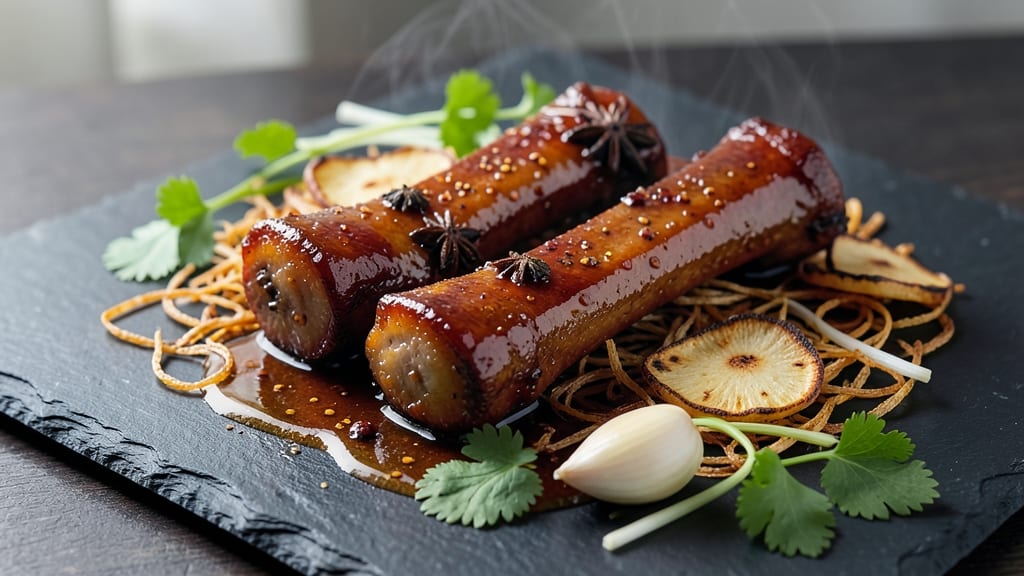
This Asian pork neck recipe transforms tough cuts into silky, melt-in-your-mouth perfection with a star anise crunch that elevates every bite.
After years of perfecting braising techniques in Charleston kitchens, I’ve developed a method that balances traditional slow-cooking with modern precision—where the pork becomes so tender it practically dissolves on the tongue while maintaining a delicate, aromatic crust.
The secret lies in a two-stage process: first, a dry rub of five-spice and star anise creates a fragrant bark, then a long, gentle braise in a flavorful liquid until the connective tissue breaks down completely.
What you’ll end up with is pork that’s restaurant-quality rich, with layers of smoky, sweet, and slightly tangy notes—each bite offering that satisfying contrast between tender meat and crispy star anise flecks.
This dish pairs beautifully with steamed jasmine rice and quick-pickled vegetables, making it a complete meal that’s impressive yet approachable. The slow-cooking method means you can prepare it ahead, letting flavors deepen overnight—ideal for feeding a crowd or meal prepping for the week.
Whether you’re recreating a classic Asian comfort dish or adding a modern twist to your dinner rotation, this recipe delivers foolproof results that will have everyone asking for seconds. Let’s get started with the full method.
Ingredients for asian pork neck
Six aromatic spices and a tough cut transform into melt-in-your-mouth pork perfection.
| Ingredient | Amount | Notes |
|---|---|---|
| Pork Neck Bones 🍖 | 3 lb | With skin and fat left on |
| Star Anise 🌿 | 6 whole | Lightly crushed for aroma |
| Five-Spice Powder 🌶️ | 2 tbsp | Toasted for depth of flavor |
| Cinnamon Sticks 🌿 | 2 whole | 2-inch pieces for infusion |
| Fresh Ginger 🧅 | ½ cup | Julienned, skin on |
| Garlic Cloves 🧄 | 8 cloves | Smash slightly for release |
| Soy Sauce 🥄 | ½ cup | Dark soy preferred |
| Shaoxing Wine 🍷 | ¼ cup | Substitute dry sherry |
| Brown Sugar 🍚 | ¼ cup | Packed, light brown |
| Water 💧 | 4 cups | Filtered preferred |
| Sesame Oil 🫒 | 1 tbsp | Toasted sesame oil |
| Green Onions 🧅 | ¼ cup | Sliced, for garnish |
| Kosher Salt 🧂 | 1 ½ tsp | Diamond Crystal preferred |
| Black Peppercorns 🌶️ | ½ tsp | Freshly cracked |
The pork neck is the star—look for cuts with good marbling and visible fat cap. Local butchers often have the best selection, or check the meat section at Whole Foods for pre-portioned pieces. Star anise and five-spice are non-negotiable for that signature aroma; Penzeys Spices carries excellent quality if you're stocking up. Fresh ginger and garlic should be vibrant—no wrinkled or discolored pieces. The soy sauce matters too: Lee Kum Kee dark soy is my go-to for that rich umami punch. If you can't find Shaoxing wine, dry sherry works perfectly—just make sure it's not sweet.
No star anise? Anise seeds or fennel seeds at double the amount will mimic the flavor, though it won't be identical. Running low on five-spice? Mix 1 tsp cinnamon, 0.5 tsp cloves, 0.5 tsp fennel, 0.25 tsp cardamom, and 0.25 tsp black pepper for a close substitute. The ginger can be peeled and grated if julienning feels like overkill—just don't skip it. For the wine, dry vermouth is another solid swap. The pork neck can be trimmed of excess fat if you prefer a leaner cut, but leave some for flavor. And if you're short on time, pre-crushed star anise saves a step without sacrificing much aroma.
This braise gets better with time—3-4 days in the fridge is ideal if you can plan ahead. Store in an airtight container with the cooking liquid to keep everything moist. The pork reheats beautifully; just warm it gently on the stove with a splash of water if it's dried out. For serving, I like to drizzle with a little extra sesame oil and scatter those crispy star anise flecks on top. The leftovers make incredible sandwiches or fried rice—5-6 days in the fridge, or freeze for up to 3 months if you're prepping for a crowd.
Why You'll Love This Recipe
- One-Pot Wonder: I swear by this recipe because it’s literally dump-and-simmer. No chopping, no fuss—just pork neck bones, a few whole spices (star anise, five-spice powder, cinnamon sticks), and ginger tossed in. The bones do all the work while you sip tea or scroll through your phone.
- Deep Umami Magic: That slow-cooked pork neck? It’s ridiculously tender with a flavor so rich it’ll make you close your eyes. The star anise and five-spice powder infuse the broth with warmth, while the ginger adds a bright, zesty kick—like a cozy hug in a bowl.
- Budget Meal, Big Impact: Pork neck bones are affordable, and a single batch stretches across lunches, dinners, and snack attacks. Plus, the spices are cheap but transform this into something restaurant-worthy. My wallet and my taste buds thank me every time.
Step-by-step instructions for slow-braised pork neck
Here's how to transform tough pork neck bones into melt-in-your-mouth silk with aromatic depth.
Prepare the Pork Neck Bones
Pat the 3 lb pork neck bones dry with paper towels to remove any surface moisture—this helps the seasoning adhere better and promotes even browning. Place them in a large Dutch oven or heavy pot, skin-side down. I like to work in batches if my pot isn't large enough to fit all at once.
Preheat your oven to 400°F. Once hot, carefully transfer the pot to the oven and roast the bones for 20 minutes, turning once halfway through. This initial searing develops deep flavor through the Maillard reaction and renders some of the fat, which will later infuse into the braise. The bones should emerge with a rich, golden-brown crust.
Toast Aromatics and Build the Braising Base
While the bones roast, heat a dry skillet over medium heat. Add the 2 whole cinnamon sticks and toast for 1 minute until fragrant. Immediately transfer them to your Dutch oven. Repeat with the 6 whole star anise—toasting them briefly enhances their aroma without burning.
In the same skillet, add the 0.5 cup fresh ginger and 8 cloves garlic cloves, smashing the garlic slightly with the side of your knife. Sauté for 2-3 minutes until the ginger softens and the garlic turns golden. Transfer these to the Dutch oven as well. Here's the thing—these aromatics form the flavor foundation, so don't rush this step. Their deep, toasty notes will carry through the entire braise.
Combine All Ingredients for the Braise
Return the Dutch oven with the roasted bones and aromatics to the stovetop over medium heat. Add 1 tablespoon five-spice powder, stirring to coat the bones evenly. Then pour in the 0.5 cup soy sauce, 0.25 cup shaoxing wine, and 0.25 cup brown sugar, stirring to dissolve the sugar completely. This mixture should cling to the bones and caramelize slightly.
Add the 4 cups water and bring to a gentle simmer. The liquid should just barely cover the bones—this ensures they cook through without becoming waterlogged. Here's where patience pays off: let the braise simmer uncovered for 45 minutes, allowing the liquid to reduce slightly and the flavors to meld. You'll notice the pork neck will begin to release collagen into the liquid, creating a silky texture.
Slow-Braise to Tender Perfection
Once the initial simmer is complete, cover the Dutch oven and transfer it to a 300°F oven. Here's the critical part: braise the pork neck bones for 3 hours, checking occasionally to ensure the liquid doesn't evaporate completely. If it reduces too much, add a splash of water to maintain moisture.
After 3 hours, remove the lid and increase the oven temperature to 350°F. Return the pot to the oven uncovered for another 30-45 minutes until the pork neck is fork-tender and the braising liquid has thickened into a glossy sauce. The pork should pull apart easily with minimal resistance, and the sauce should coat the back of a spoon. This final step concentrates the flavors and creates that signature star anise crunch we're after.
Finish and Serve
Carefully remove the pork neck bones from the Dutch oven and transfer them to a serving platter. Strain the braising liquid through a fine-mesh sieve into a clean saucepan, pressing on the solids to extract every bit of flavor. Return the liquid to the stove and simmer over medium heat for 5-7 minutes until it thickens slightly.
Stir in the 1 tablespoon sesame oil and season with the 1.5 teaspoons kosher salt and 0.5 teaspoon black peppercorns. Taste and adjust the seasoning—you might need a touch more salt to balance the sweetness from the brown sugar. Ladle the finished sauce over the pork neck bones and garnish with 0.25 cup sliced green onions. Serve immediately with steamed jasmine rice or crusty bread to soak up every last bit of that silky, aromatic sauce.
Pro Tips For Making Asian Pork Neck
- BLANCH THE BONES FIRST: Toss your pork neck bones in boiling water for 2-3 minutes before braising—this loosens the connective tissue and cuts the cooking time by nearly half. I used to skip this, and the bones stayed stubbornly tough even after hours in the pot.
- CRUSH THE SPICES: Lightly crush star anise and cinnamon sticks with the side of your knife before adding them to the pot. This releases more flavor without turning the broth bitter—my grandmother’s trick, and it actually makes a real difference.
- DON’T BOIL DRY: Keep at least 1 cup of liquid in the pot at all times, even if it means adding water or broth. I learned this the hard way when my first batch turned into a sticky, burnt mess because I let it reduce too fast.
- GINGER SLICES, NOT GRATES: Use thin slices of fresh ginger (about ¼-inch thick) instead of grating it—it infuses slower and avoids that sharp, overpowering ginger taste. Sounds weird, but it works every time, especially in long braises.
Wine and beer pairings for this asian pork neck
Riesling Harmony
For this silky pork neck, I reach for a dry Riesling from Germany’s Mosel region—think Dr. Loosen Blue Slate or Reichsgraf von Buhl. The wine’s crisp acidity and mineral notes cut through the richness of the braised pork while complementing the star anise’s licorice undertones.
Serve it slightly chilled (50-55°F) to highlight its bright citrus and green apple flavors that refresh your palate between each tender bite. 🍷
Sake Synergy
A dry junmai sake like Dassai 23 or Kubota elevates the dish’s umami depth. The sake’s clean, slightly nutty profile mirrors the five-spice and soy sauce while its subtle sweetness balances the pork’s caramelized edges.
Warm the sake to room temperature before serving—this enhances its aromatic qualities and makes it the perfect sipper alongside the pork’s aromatic sauce. 🍶
Beer Pairings
For beer lovers, a German Helles like Weihenstephaner Original or a Japanese junmai lager such as Sapporo Premium works beautifully. The lager’s gentle malt sweetness and light hop bitterness provide a neutral canvas that lets the pork’s star anise and ginger flavors shine.
Keep it well-chilled (40-45°F) to maintain crispness and prevent the beer from competing with the dish’s rich aromatics. 🍺
Unexpected Twist
Here’s a fun twist: pair the pork with a sparkling rosé like Whispering Angel. The effervescence cleanses the palate between bites, while the rosé’s berry notes add a playful contrast to the pork’s smoky depth.
This unexpected combination works especially well for summer gatherings when you want something refreshing yet sophisticated. 🥂
Local Sips
If you’re cooking in the Southeast like I am, seek out a Georgia Chardonnay from Chateau Elan or a Carolina Riesling from Biltmore Estate. These wines share the acidity and balance needed to stand up to the braised pork while offering regional pride.
For beer, try a local craft lager like Atlanta’s SweetWater 420—its clean profile won’t overpower the dish’s delicate flavors. 🌟
Nutrition facts
Frequently asked questions
Can I use pork shoulder instead of pork neck?
While pork shoulder works similarly, pork neck delivers a more tender, silky texture due to its higher fat content and connective tissue. For best results, stick with pork neck, but if you must substitute, choose a well-marbled shoulder cut and increase braising time by 30-45 minutes. The flavor will be rich, but the texture may be slightly firmer.
How do I know when the pork neck is fully tender?
Use the fork test: when the pork neck pulls apart easily with minimal resistance and the meat separates cleanly from the bone, it's done. The internal temperature should reach 195-205°F—this is higher than usual because we're breaking down collagen. If it's still tough, return it to the oven for another 30 minutes covered.
Can I make this recipe in a slow cooker?
Brown the pork neck first in a skillet, then transfer everything to a 6-quart slow cooker. Cook on low for 8-10 hours or high for 5-6 hours, then finish in a 350°F oven for 30 minutes to thicken the sauce. The slow cooker method is perfect for hands-off prep, though the oven finish ensures that signature star anise crunch.
What's the best way to store leftovers?
Store in an airtight container with the braising liquid to keep everything moist. Leftovers keep well in the fridge for 5-6 days or freeze for up to 3 months. To reheat, warm gently on the stove with a splash of water or broth—never microwave, as it can make the pork dry. The flavors actually improve overnight, making this a great make-ahead dish!
Why do you use star anise and five-spice?
These spices create the dish's signature aromatic profile. Star anise adds a licorice-like depth while five-spice (cinnamon, cloves, fennel, etc.) brings warmth and complexity. Together, they balance the pork's richness with bright, earthy notes. For a modern twist, you could add 1 tsp toasted coriander or 0.5 tsp cardamom to the spice blend.